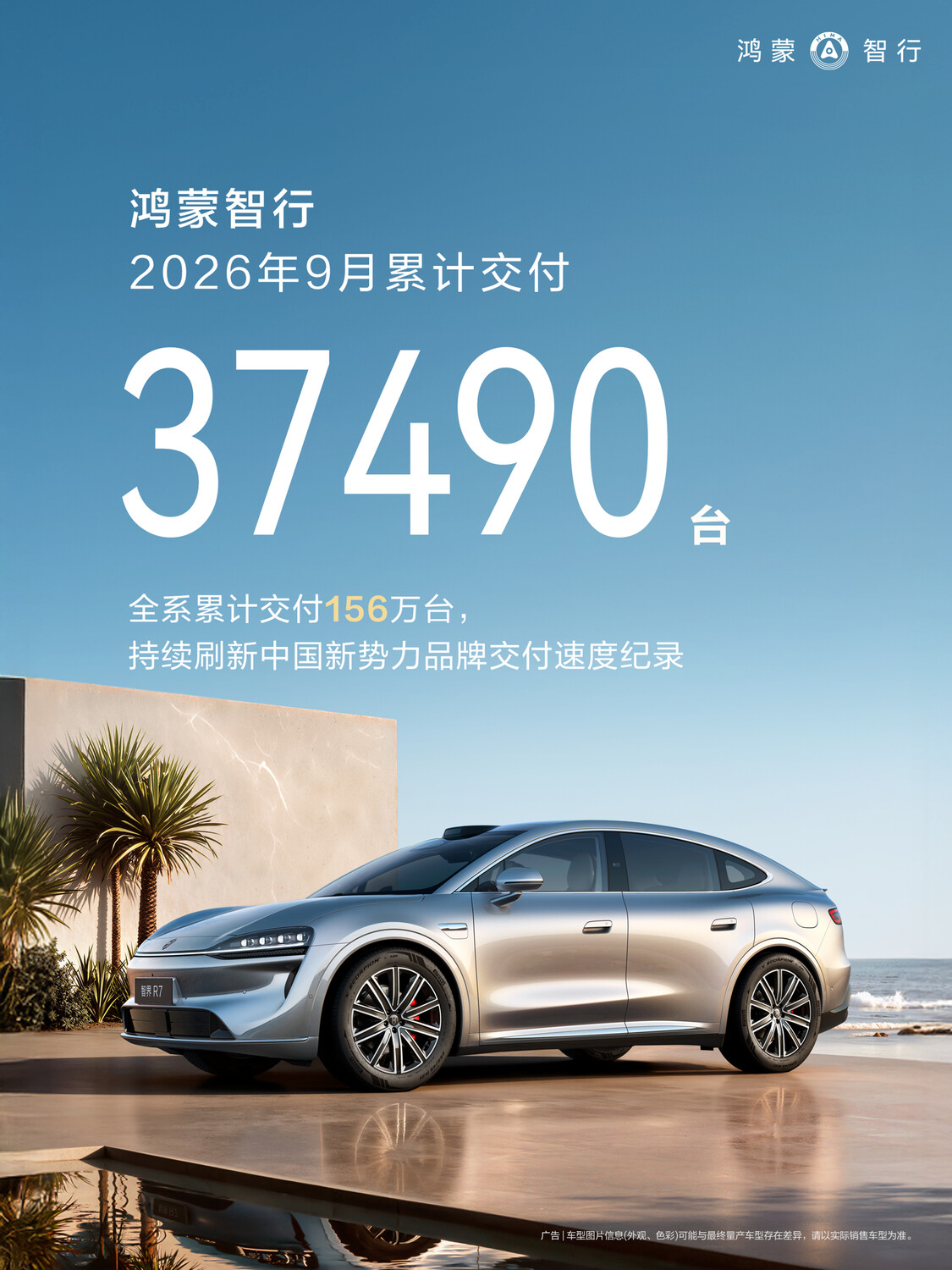
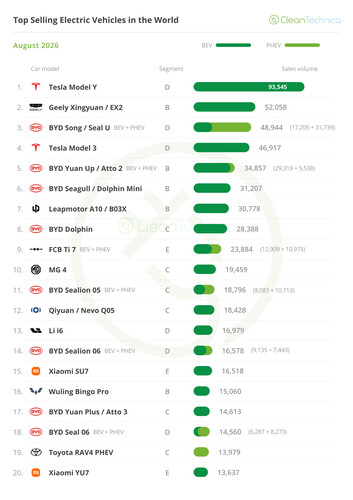
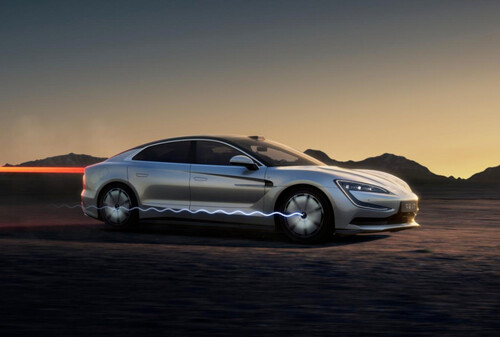
Amélie Martin · 6 months ago@ameliemartin41Pure electric vehicles (BEVs) to dominate 90% of market by 2040, top Chinese expert predicts Liked by+25 othersPost commentRelated PostsHIMA Delivers 37,490 Vehicles in September, Cumulative Deliveries Top 1.56 MillionAmelia Macdonald · 15 days agoChinese cars still lack authenticity and originality, they'll need both for true world domination 73 · Carter Lewis · 5 months agoTop Selling Electric Vehicles in the World — 27% EV Share in August!Alexander Mitchell · 19 days agoLeapmotor Tops Italy's Pure EV Sales Chart in March 89 · Parker Fortin · 6 months agoBMW says new iX3 topped 100,000 orders in Europe in a year, its fastest vehicle launch ever 12 · Ethan Fortin · 1 months agoChinese Cars Are Dominating In Asia, Africa, and South America 77 · Nathan Nelson · 1 years agoAITO M9 Tops March Pure EV Retention Rate at 81.3% 69 · Nathan Labelle · 6 months agoJapanese Brands Sweep Top Spots for Vehicle Longevity 66 · Morgan Walker · 1 months agoTop 10 destinations by BYD passenger vehicle exports (Jan.–Jul. 2026): Brazil leads with 198,507 Units| Gasgoo Automotive Research Institute 57 · Hannah Brown · 1 months agoTop Selling Electric Vehicles in the World — 27% EV Share in July! 76 · Ava Poirier · 1 months ago4 Top Rated Tire Inflators To Keep In Your Vehicle 16 · Justin Leblanc · 1 months agoLuxeed V9 deliveries top 20,000; BYD opens 10,000th FLASH charging station; Chinese agencies to improve vehicle quality and production compliance 10 · Nicole Anderson · 1 months agoVehicle Exports Through Ningbo Ports Top 36.9 Billion Yuan in First Seven Months, NEVs Account for O 71 · Chloé Rogers · 2 months agoTop 10 Vehicles Researched In July 2026 85 · Jacob Côté · 2 months agoTop 10 destinations by BYD passenger vehicle exports (Jan.–Jun. 2026): Brazil leads with 194,686 units | Gasgoo Automotive Research Institute 20 · Oliver Turner · 2 months agoTop Selling Electric Vehicles in the World — June 2026 56 · Connor Scott · 2 months ago5 Vehicles That Hit Top Speed Before The End Of The Quarter Mile 35 · Ryan Johnson · 2 months agoTop 10 destinations by BYD passenger vehicle exports (Jan.–May 2026): Brazil leads with 186,921 units | Gasgoo Automotive Research Institute 44 · Henry Leblanc · 3 months agoGasgoo Daily | Honda, GAC extend partnership through 2038, BYD's Brazil plant rolls out 100,000th vehicle, Fangchengbao Ti 7 tops 200,000 sales 62 · Mason Rogers · 3 months agoTop 10 destinations by BYD's passenger vehicle shipments (Jan.–May 2026): Brazil leads with 186,921 units | Gasgoo Automotive Research Institute 64 · Oliver Lavoie · 3 months ago




 +25 others