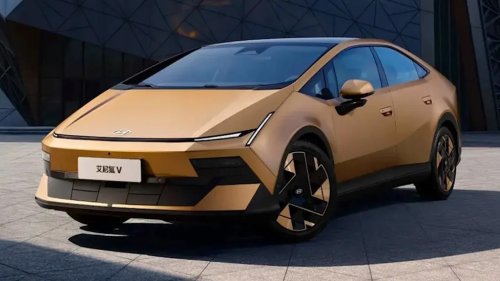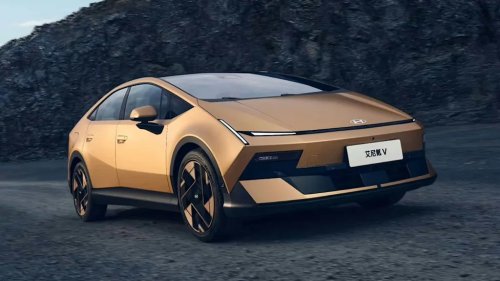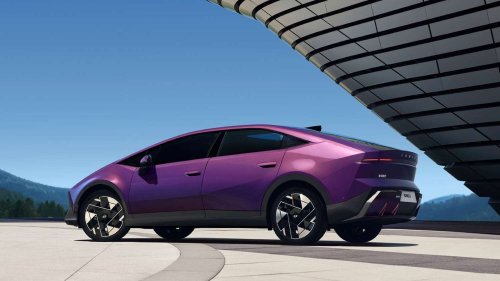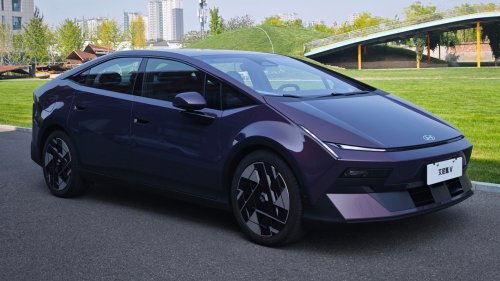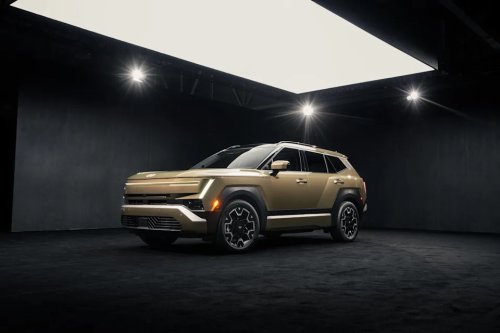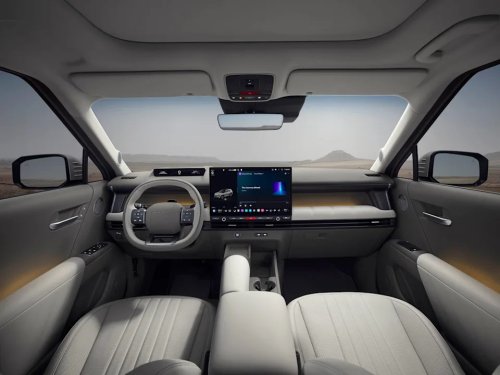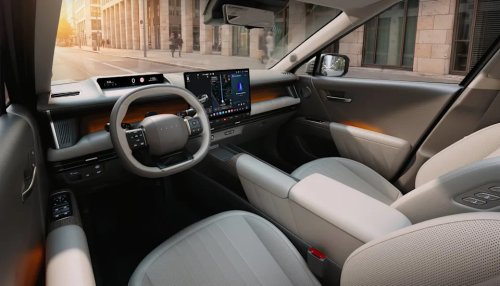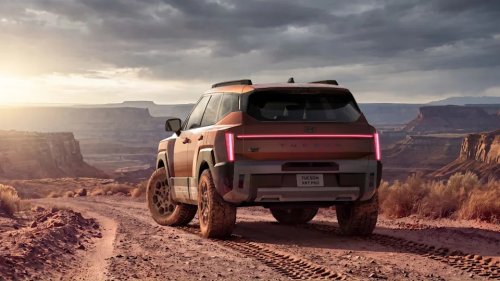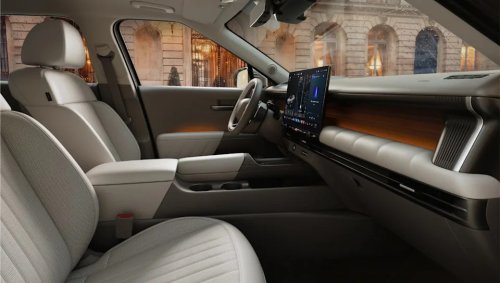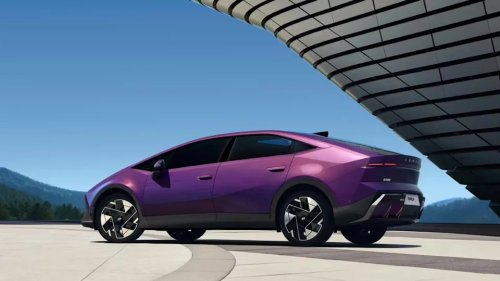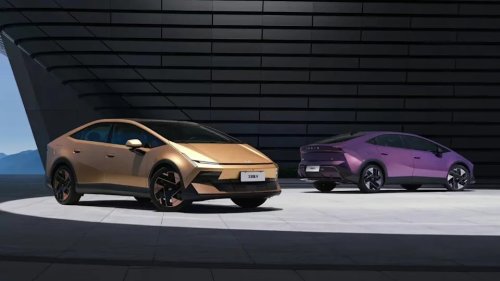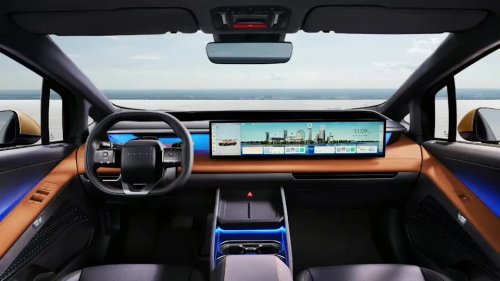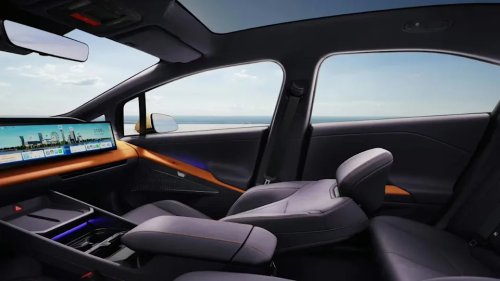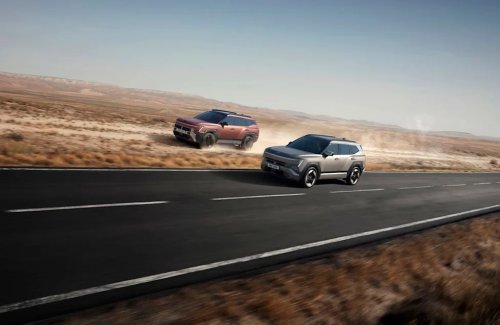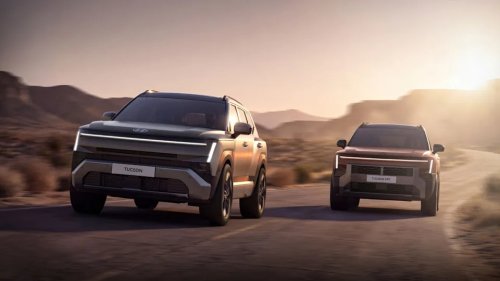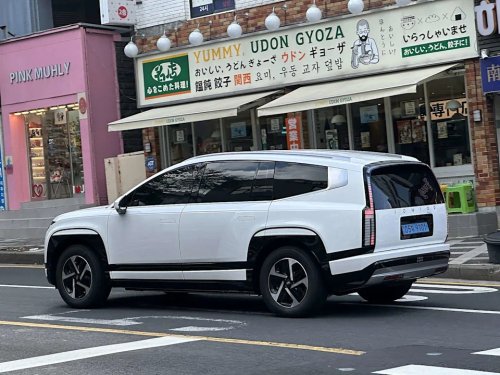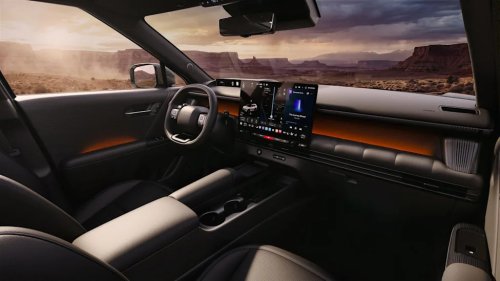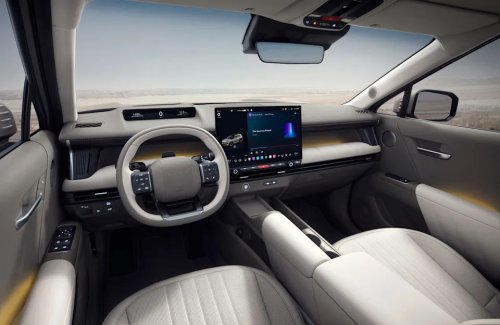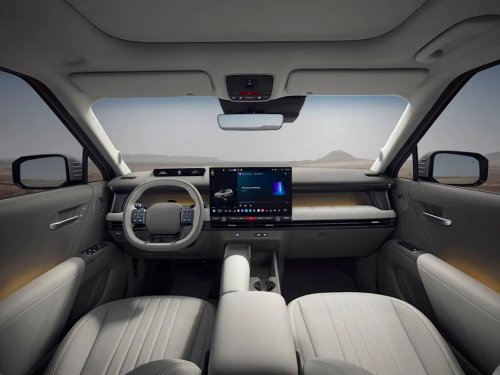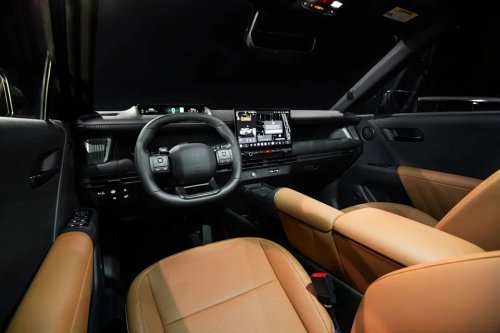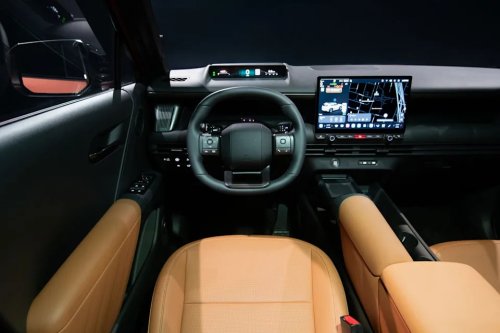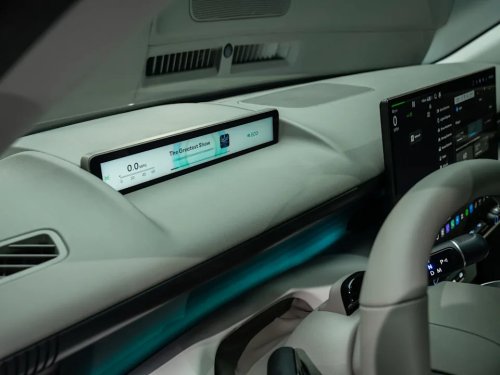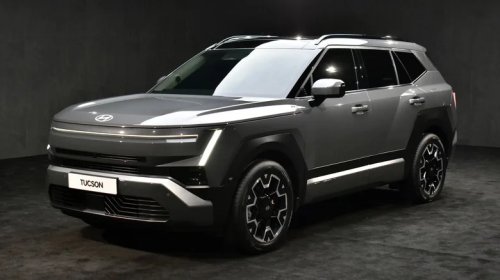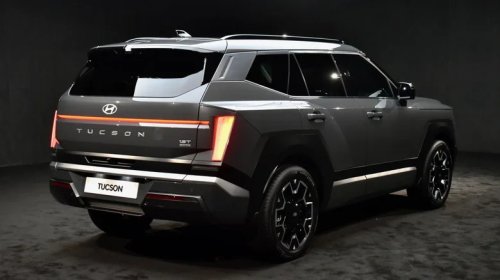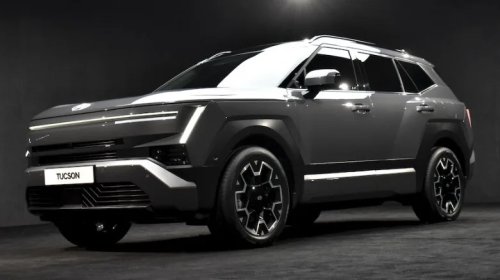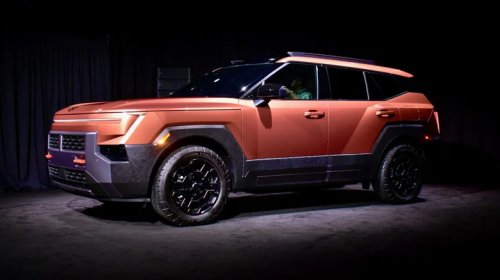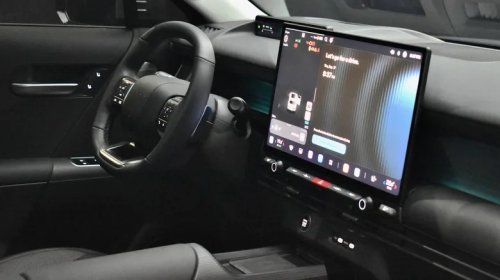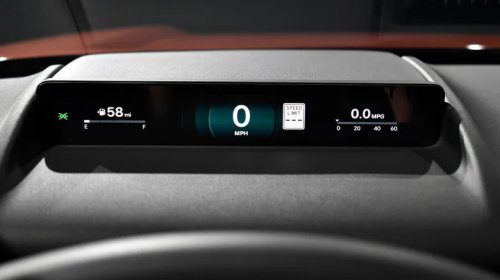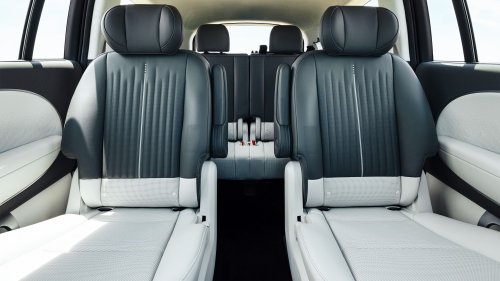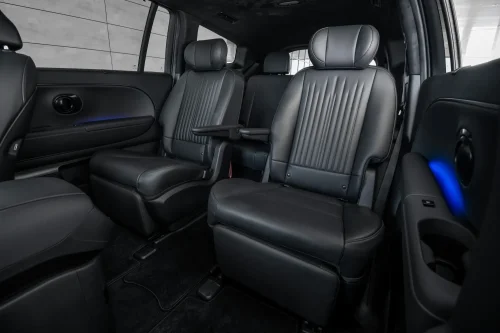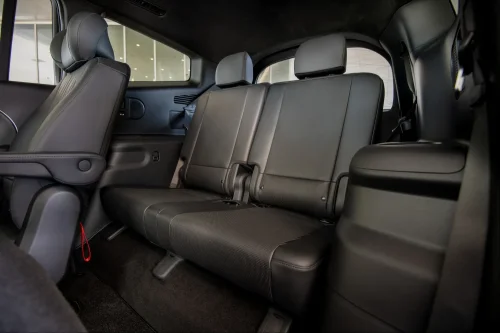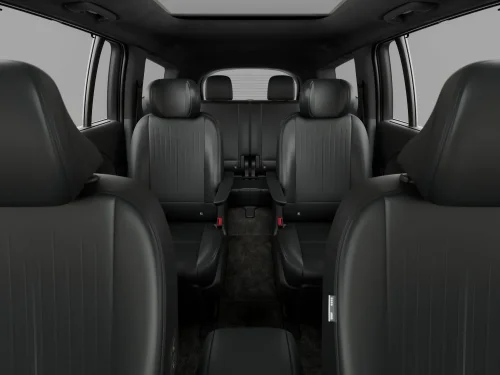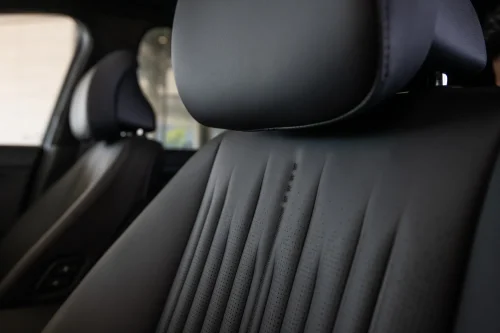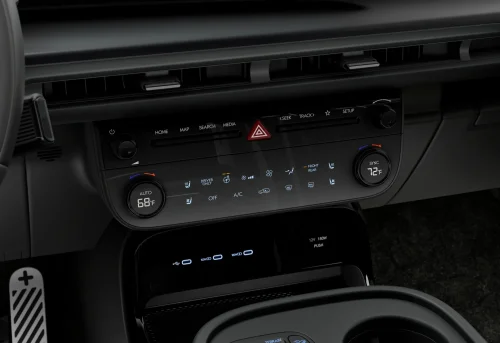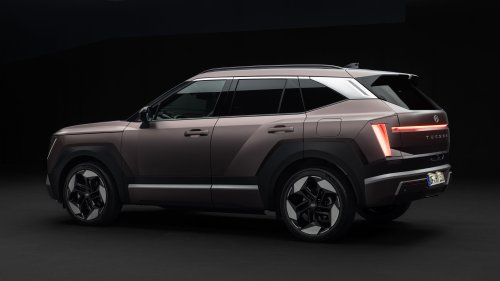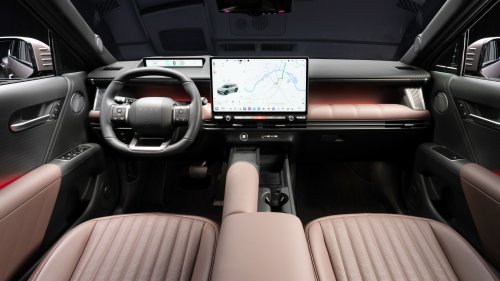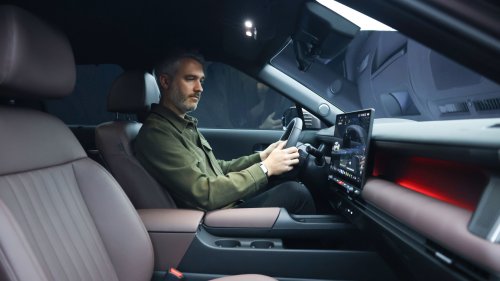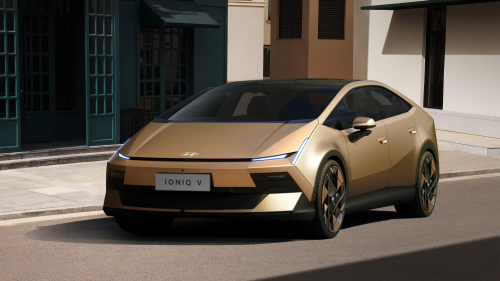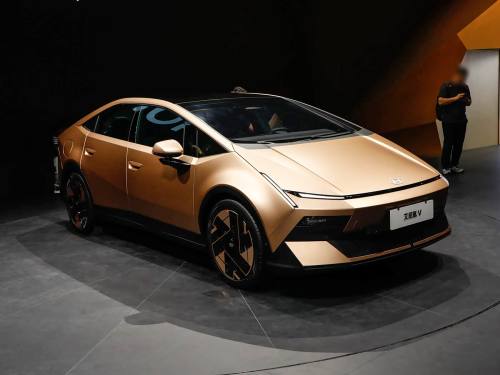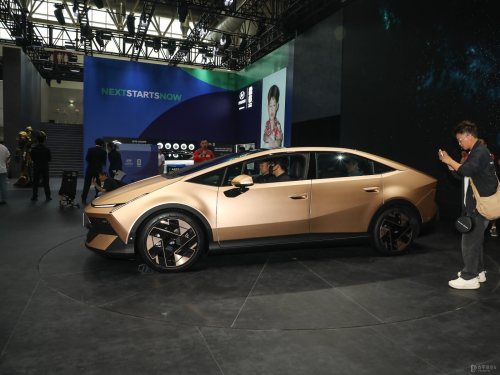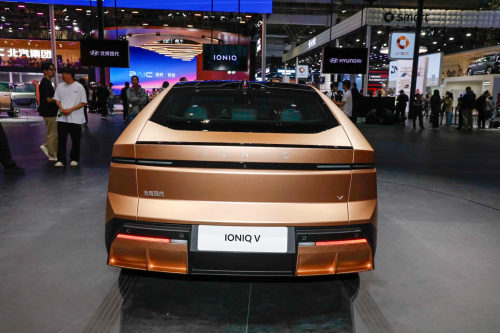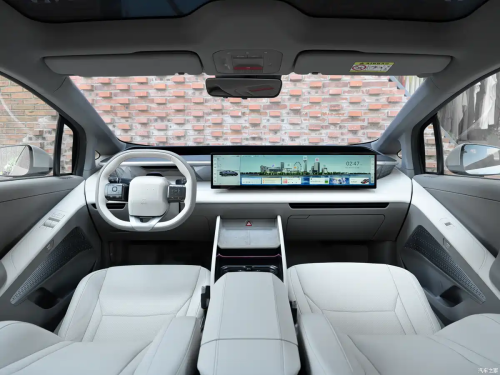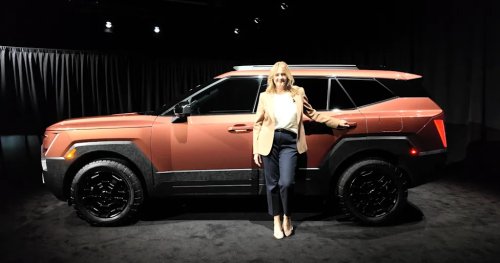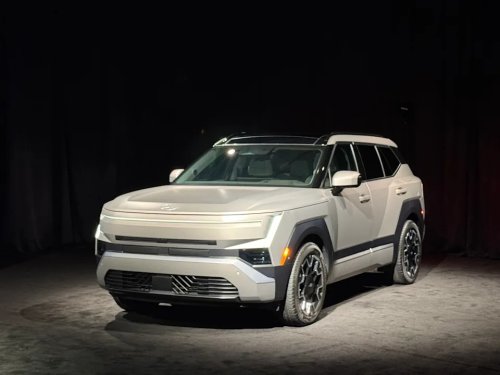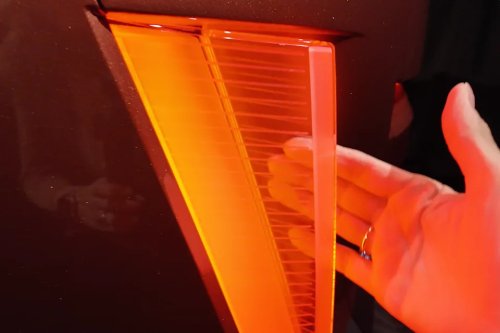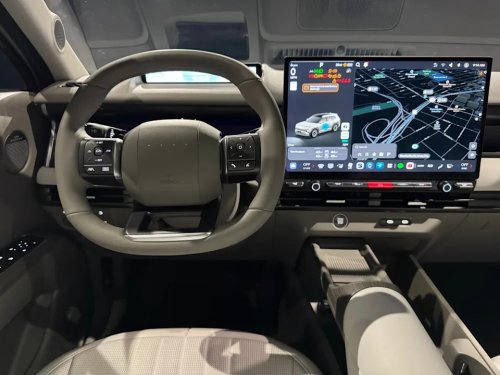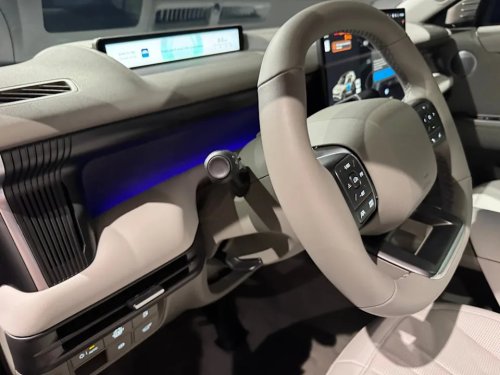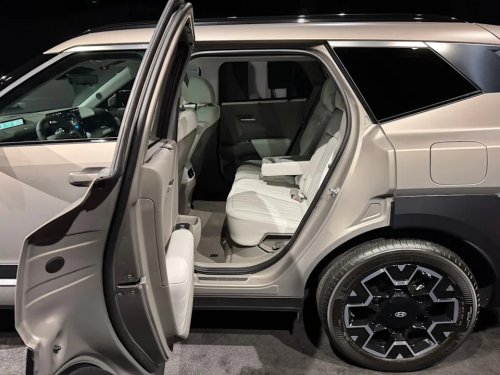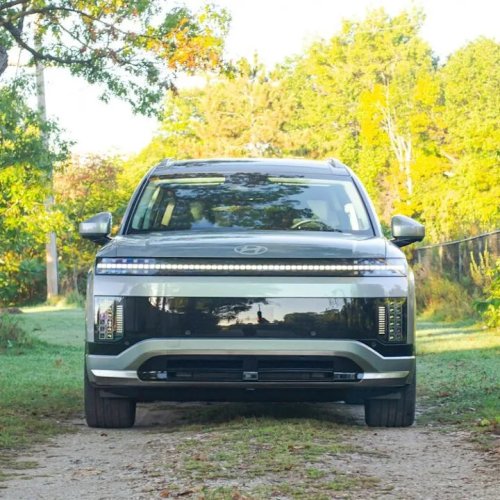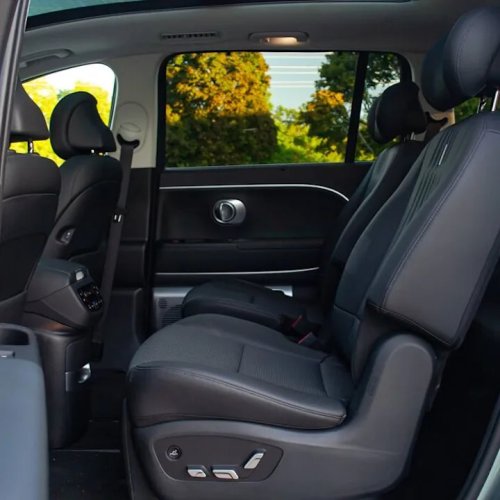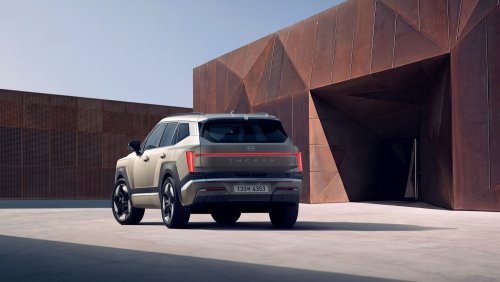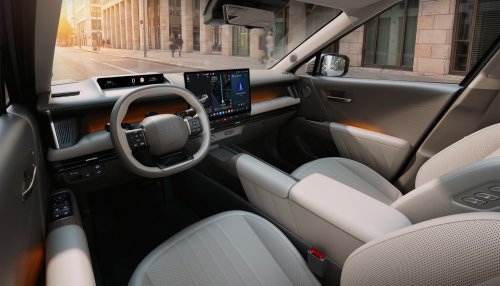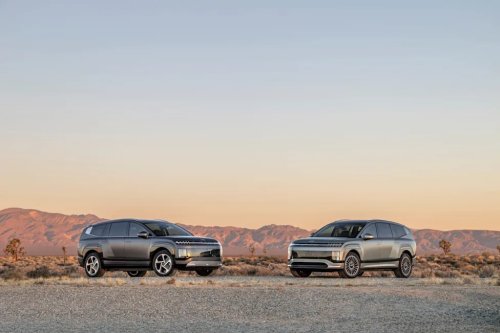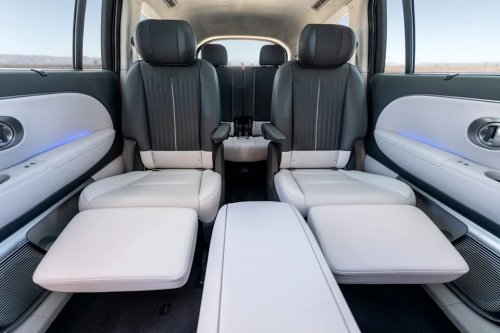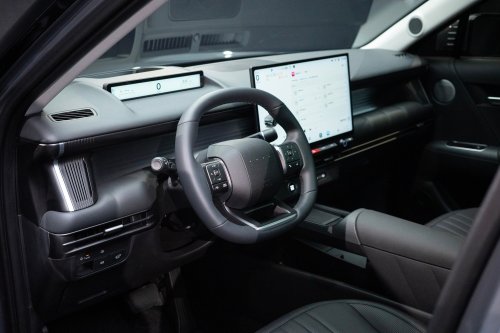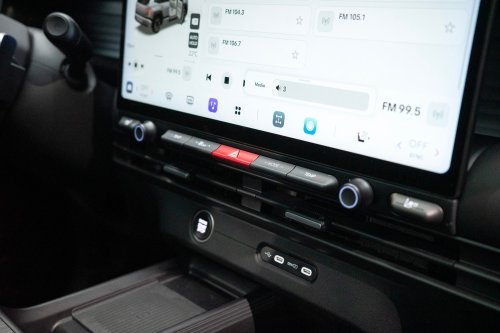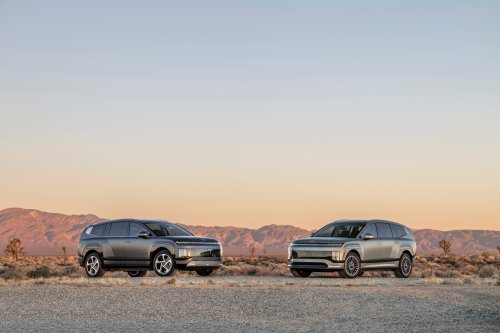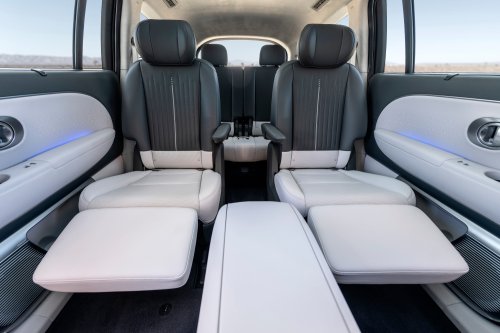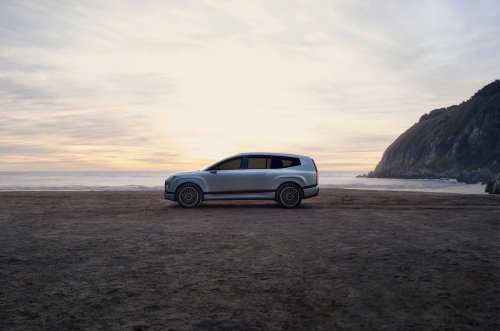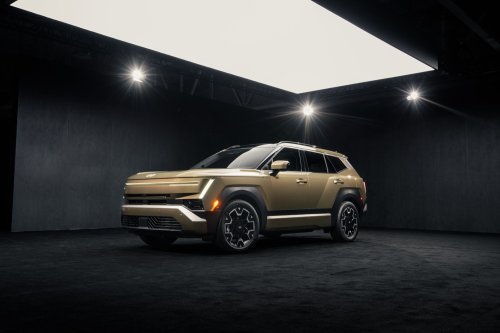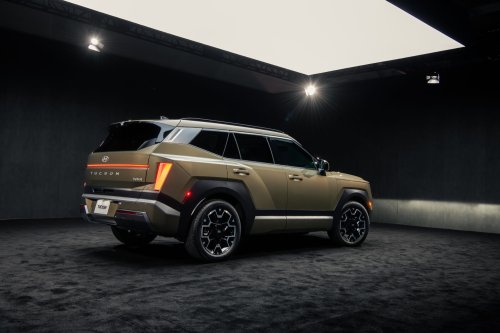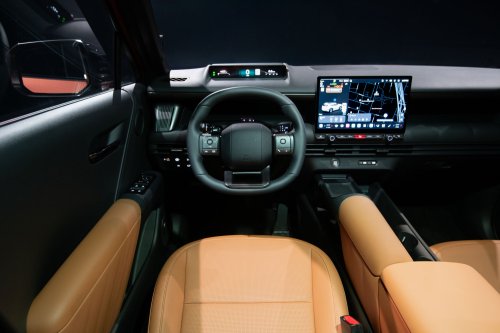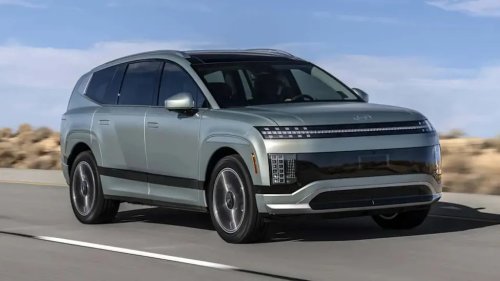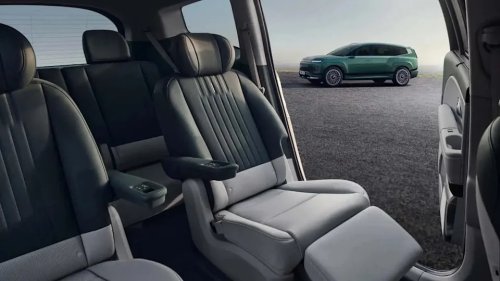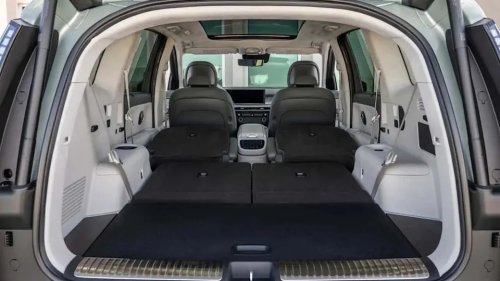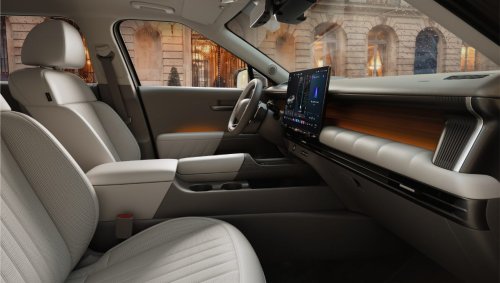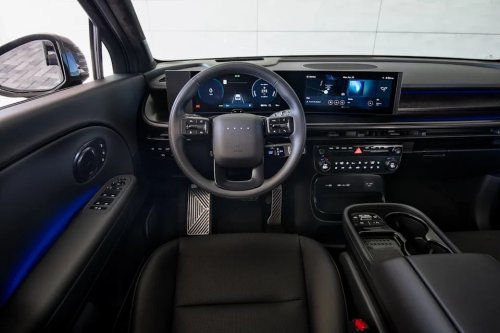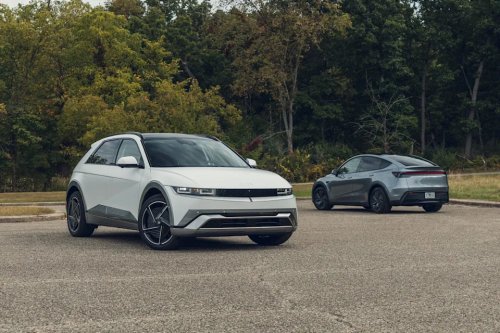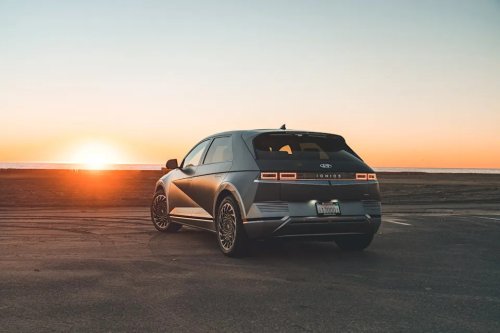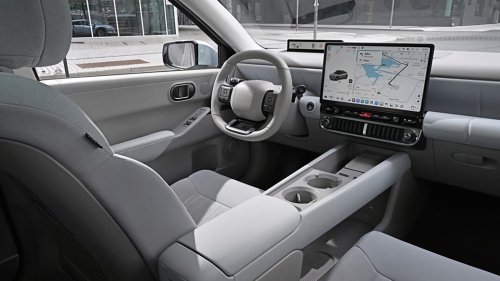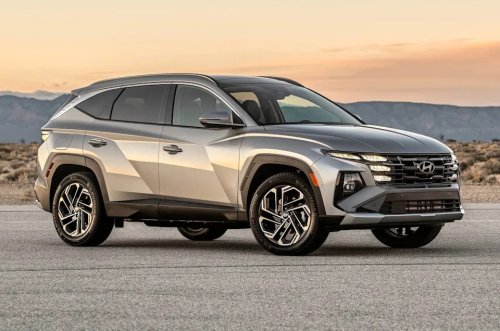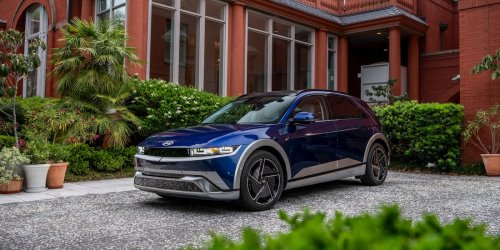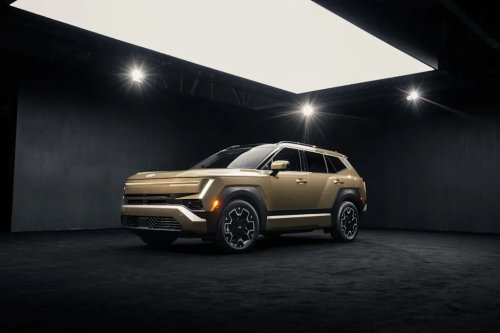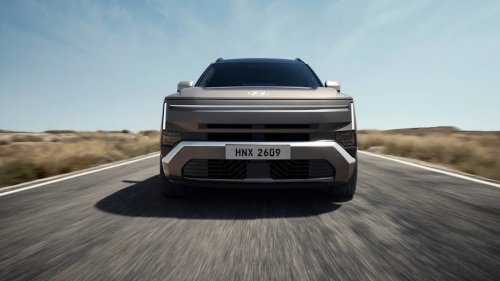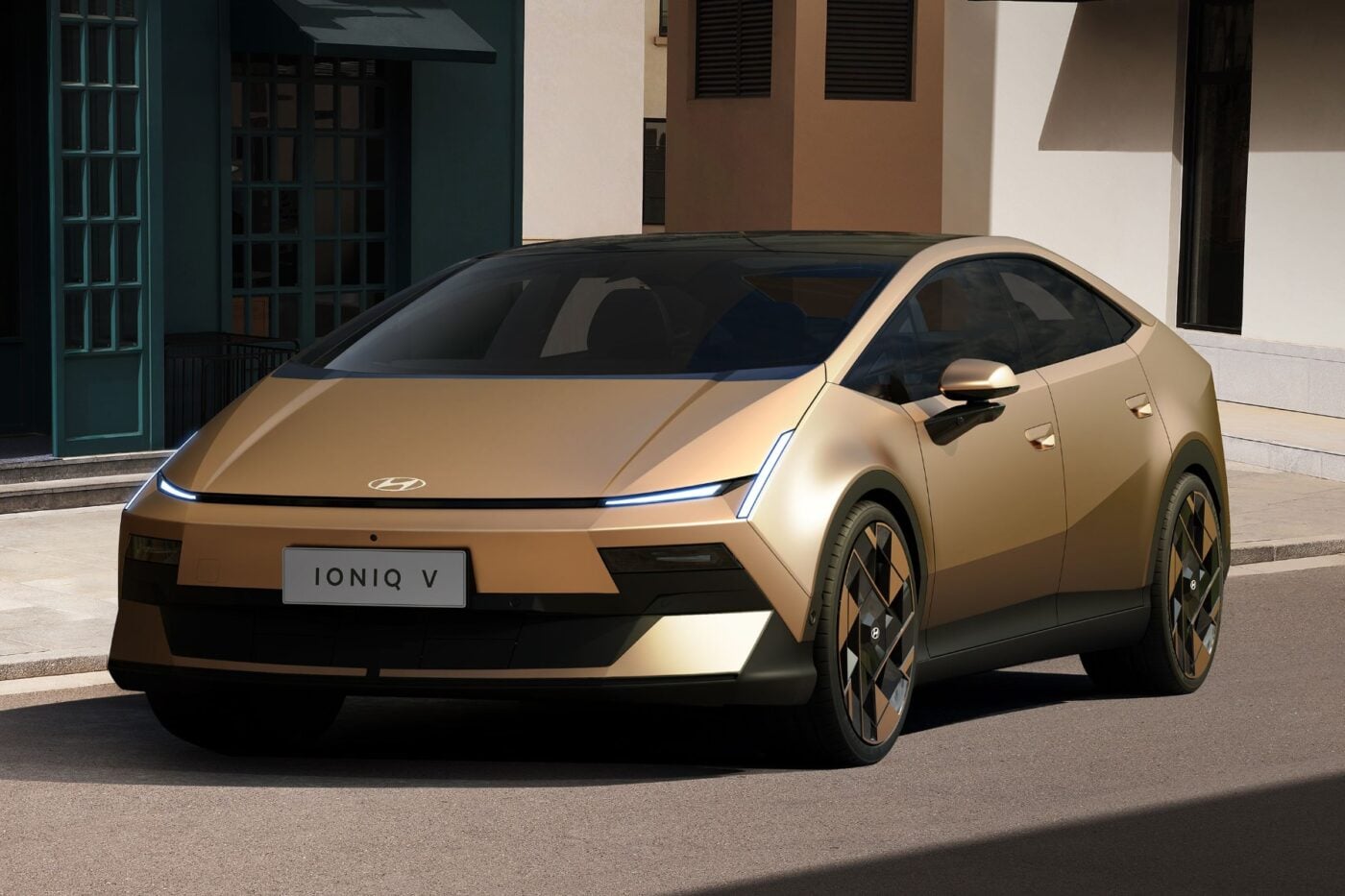



















Image: HyundaiEarlier this month, Hyundai announced plans to introduce the internationally successful Ioniq range to China, unveiling two concept vehicles in the process: the Earth Concept (an electric SUV) and the Venus Concept (an electric saloon). Just days later, the South Korean manufacturer demonstrated its mastery of ‘China Speed’ by presenting the production-ready Ioniq V at the Beijing Auto Show—a model derived from the Venus Concept.Those familiar with Latin might assume the ‘V’ stands for ‘five’ and question the relationship with the existing Ioniq 5. However, this assumption would be incorrect. The Ioniq V for the Chinese market shares little with the compact SUV available in Europe. Instead, it is a sleek fastback with sharp lines, combining the characteristics of a saloon, coupé, and SUV into a crossover design.With the Ioniq V, Hyundai is introducing its new design language, ‘The Origin,’ for its fully electric model range in China, embodying the motto ‘Best in First Impression.’ The goal was to develop a battery-electric vehicle that delivers a premium and intelligent driving experience, with a focus on spaciousness, connectivity, and everyday practicality. The model also boasts a CLTC range of over 600 kilometres, making it ideal for long-distance travel.Specifically, the Ioniq V has a wheelbase of 2.90 metres. It measures 4.90 metres in length and 1.89 metres in width. The interior offers 1.08 metres of legroom in the first row and 1.02 metres in the second row. The cockpit features a 27-inch ultra-thin 4K panoramic display for key driving and infotainment functions, complemented by a Horizon Head-up Display (H-HUD) that projects essential information directly into the driver’s line of sight.The Ioniq V also includes advanced driver-assistance technologies from the Chinese specialist Momenta, designed to support a wide range of driving scenarios and enhance driver confidence. The driving experience is further elevated by a Smart AI Assistant powered by a Large Language Model (LLM), using the Qualcomm Snapdragon 8295 chipset. This enables fast, responsive control of key vehicle functions through intuitive voice interaction. Details about the powertrain, battery, and charging performance are not yet available.The vehicle will be manufactured by the joint venture Beijing Hyundai in collaboration with the Chinese manufacturer BAIC. In late 2024, both partners announced an investment of 8 billion yuan (approximately 1 billion euros) into the joint venture, aimed at anchoring Hyundai’s China strategy. Beijing Hyundai plans to introduce 20 new models in China over the next five years.hyundai.news