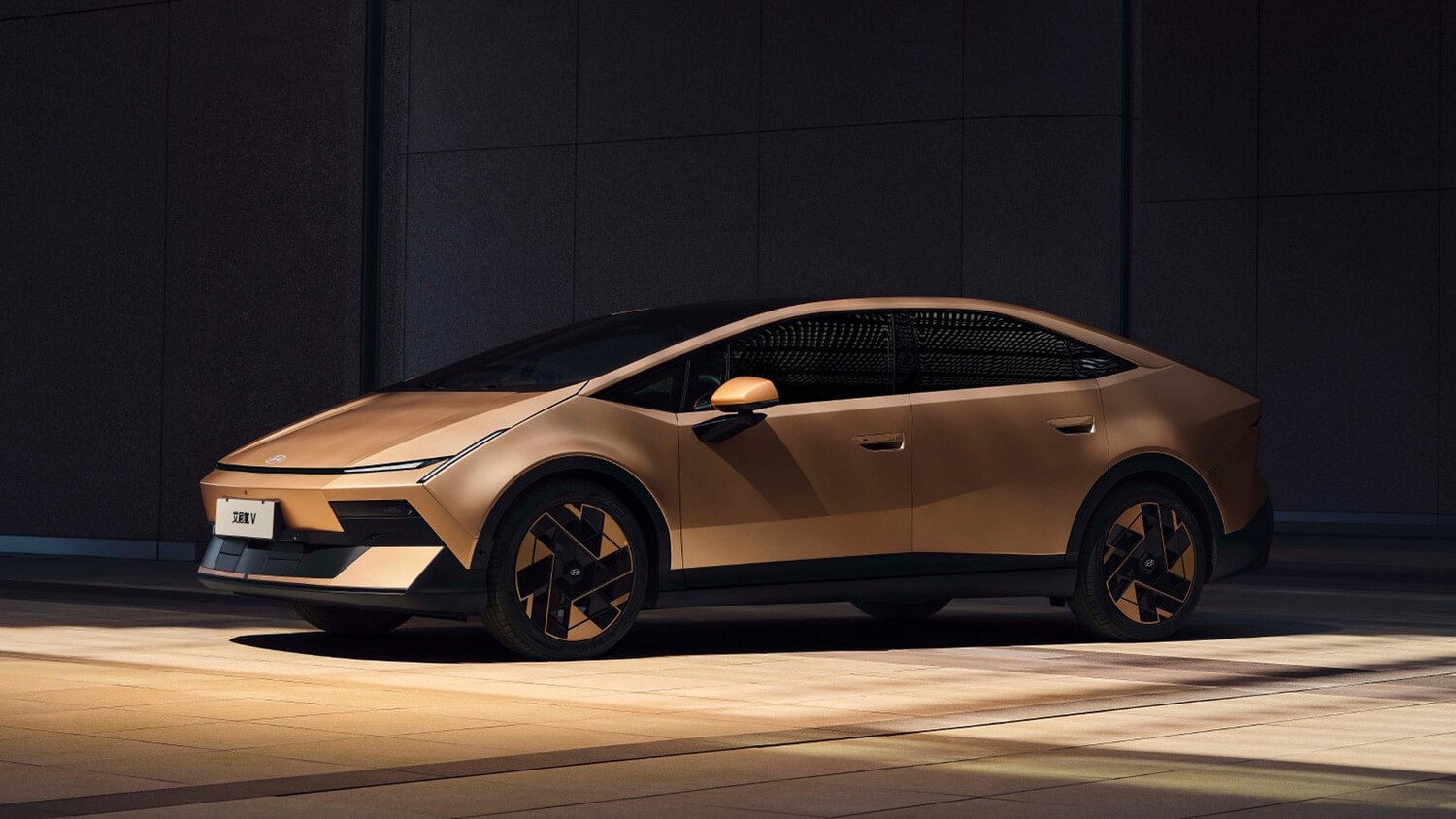
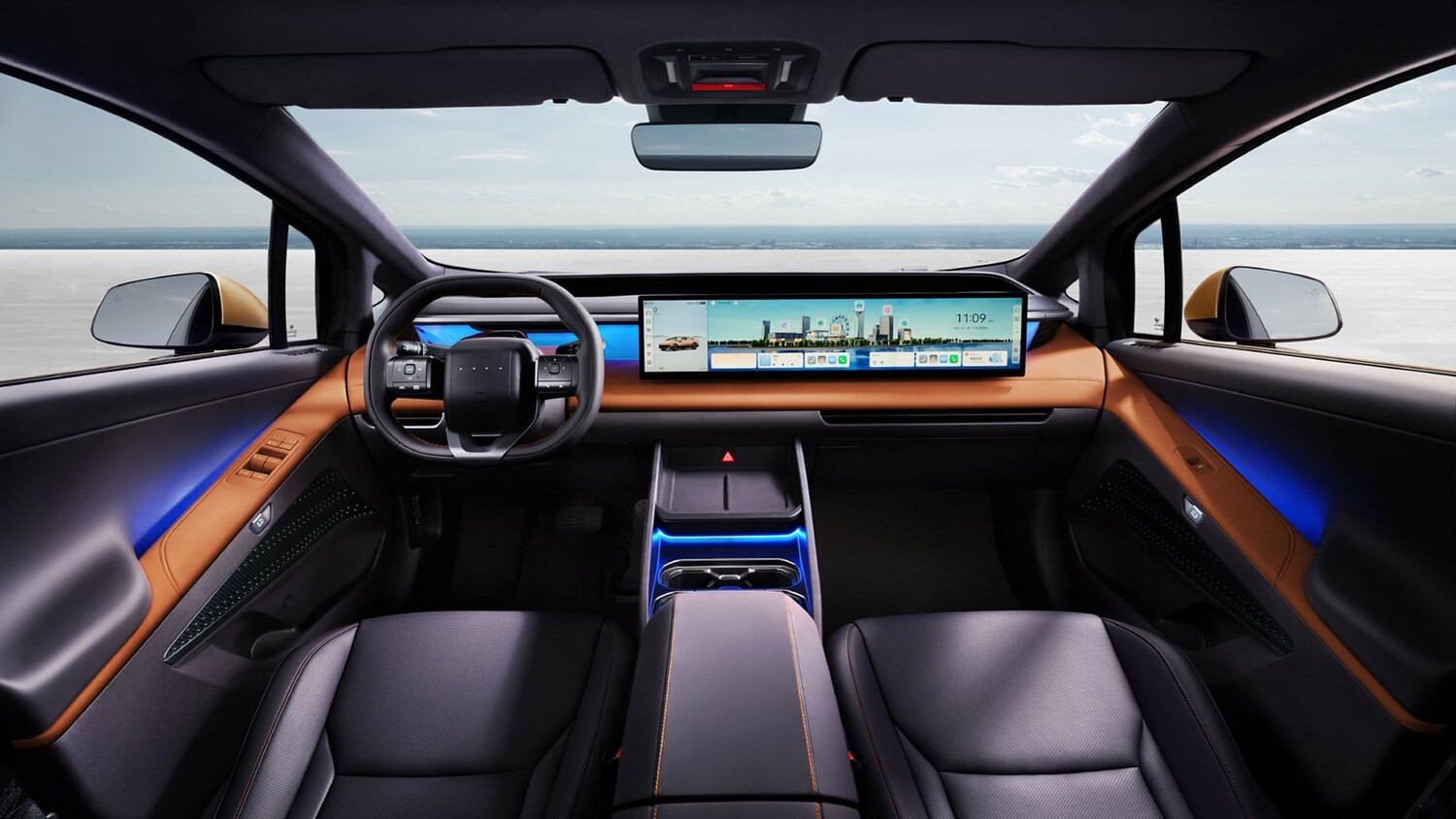
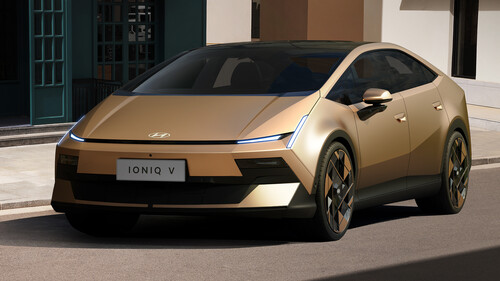
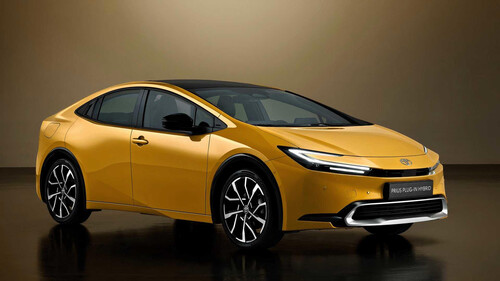
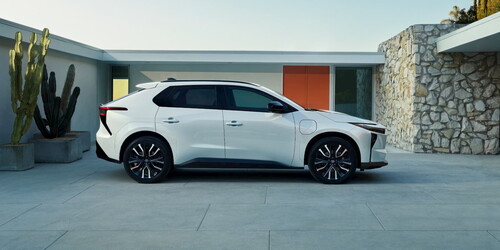
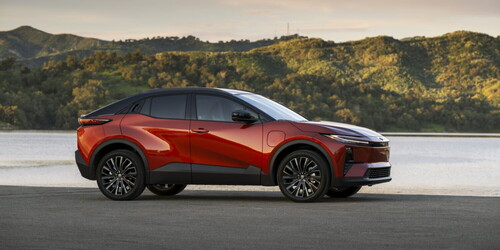
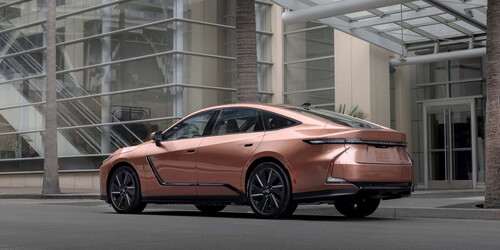
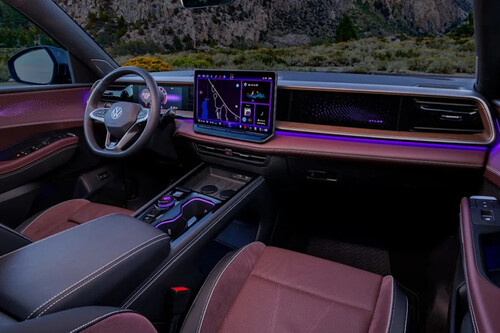
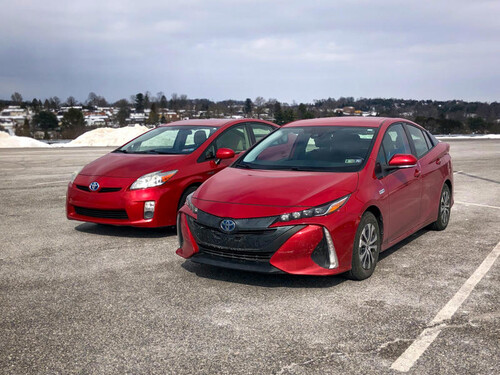
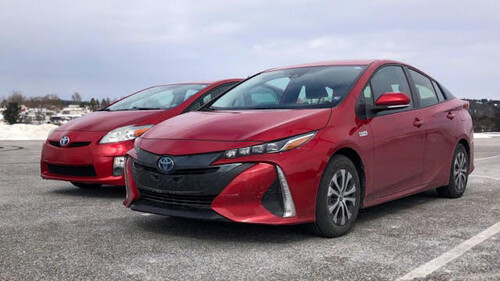
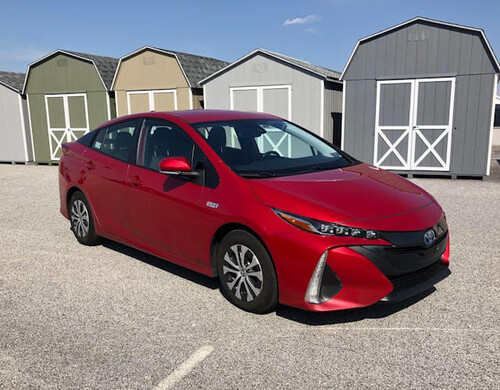
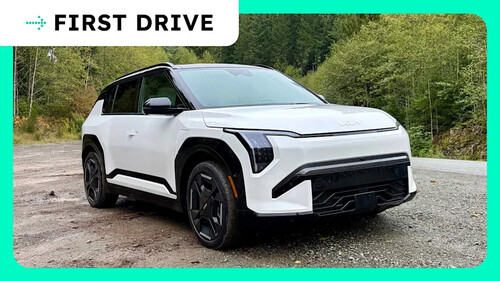
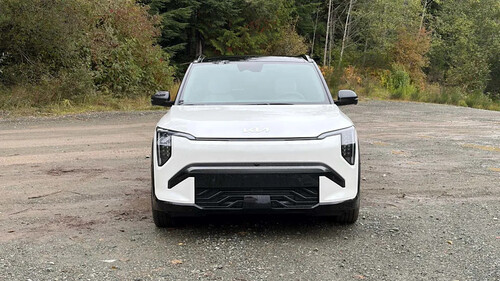
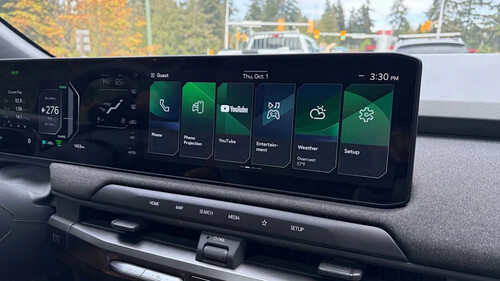
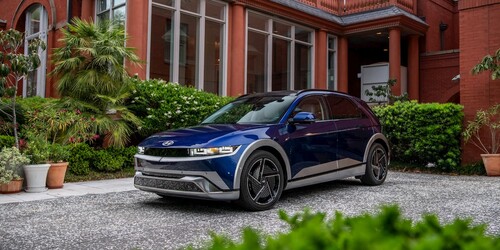
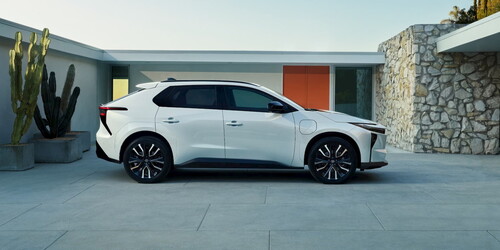
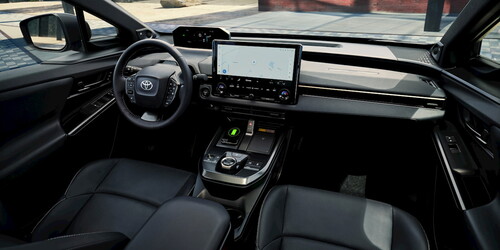
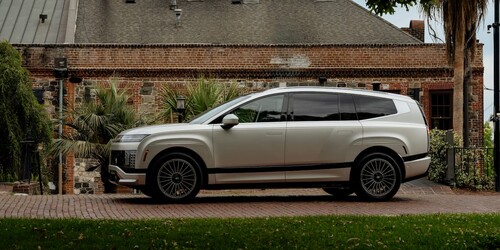
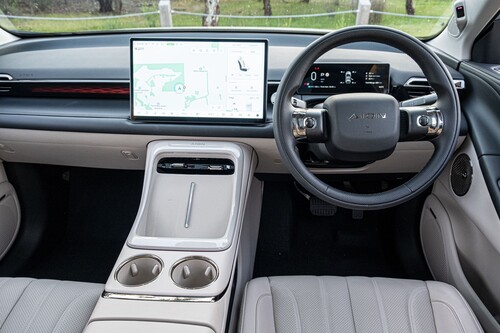
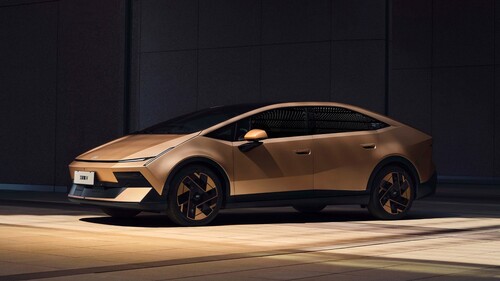
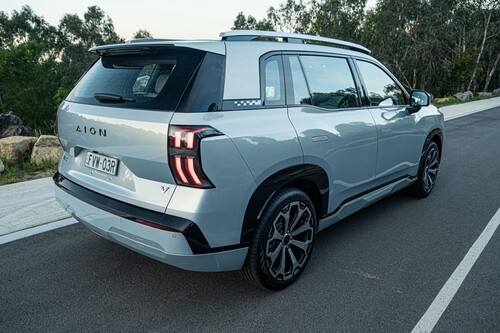
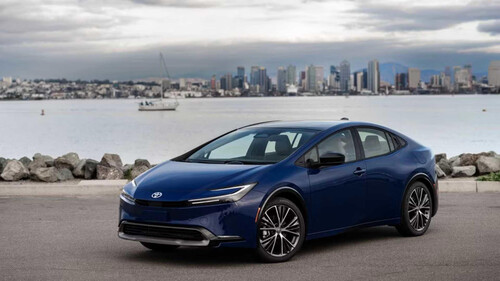
Hyundai has started taking pre-sale orderss for its upcoming Ioniq V, but if you’re reading this from anywhere that speaks English, you can’t have it… yet? The Ioniq V debuted as just four months ago at the Beijing Auto Show (just weeks after its concept reveal), with a shockingly angular design, looking like a low-polygon version of the new Toyota Prius. It’s the beginning salvo in Hyundai’s 20-model planned entry into the crowded Chinese EV market, and the rest of the vehicles are expected to use similar design language. Now Hyundai is back with the Ioniq V at the Chengdu Auto Show, which runs for the next week, and it’s started taking orders today. Advertisement - scroll for more content The car is launching with 3 trim levels, the first of which starts at ~$17,700 (119,900 yuan), with additional models for ~$19,400 (129,900 yuan) and ~$20,900 (139,900 yuan). Each are fully electric, with either a 53.5kWh or 66.8kWh battery, with the lower models putting out 188hp (140kW) of motor power and ~330mi (520-540km) of range, and the upper model having 225hp (168kW) and ~390mi (620-650km) of range. (Range numbers are CLTC, the Chinese rating system, which tends to be quite lenient and thus equivalent EPA numbers would be quite a bit lower) Hyundai has suggested a future EREV version will come out, but given EV sales are up and everything with an ICE engine is down in China, we expect the BEV version to be the most popular. The car is built around Hyundai’s E-GMP platform, with 800V charging. This system underpins some of the fastest charging cars in the US. Hyundai hasn’t yet announced the charge rate for the Ioniq V, so we can expect it to be quick. But in China, EV charging is on another level entirely, with 1.5 megawatt charging stations being deployed and cars competing to save seconds, not minutes off their charging time. We imagine if Hyundai had plans to compete with the fastest-charging EVs in China, it might have turned that into a headline feature. So it probably won’t be as fast as the fastest-charging EVs in China, but a sub-20 minute charge would still be respectable. While the Ioniq V looks like a blocky Toyota Prius, it’s quite a chunk longer – 192.9in (4,900mm), as compared to the Prius’ 181.1in (4,600mm). It’s also about 4 inches taller and wider (57.9in/1,470mm and 74.4in/1,890mm). On the interior, the cockpit is centered around a massive 27-inch screen (Hyundai says its a 4K screen, but we’re not sure what that refers to – because 4K is typically 3840×2160, and that screen is certainly not that resolution) and uses two Chinese AI models, from Baidu and ByteDance. For the driver, it comes equipped with a heads-up display it calls Cyber Eye, and includes a driver assistance system developed alongside Momenta, a Chinese ADAS company which supplies several brands. The Ioniq V will be built in Beijing, at a plant that Hyundai operates as a joint venture with BAIC motor. While pre-orders are open in China, they’re not open anywhere else… yet. Hyundai acknowledges that China is at the forefront of global mobility, and thinks its entry into the country’s EV market will help it succeed globally. Which means it does want to offer the Ioniq V to worldwide markets, but it doesn’t have a timeline for that yet. We’d imagine it’s very likely that the model will come to Southeast Asia and Oceania, and probably to Europe and possibly even Canada. But without a change in policy, the US is likely to be deprived of the hottest and latest tech, not getting access to affordably-priced new vehicles that help clean the air and reduce both energy costs and global conflict, once again. Charge your electric vehicle at home using rooftop solar panels. Find a reliable and competitively priced solar installer near you on EnergySage, for free. They have pre-vetted installers competing for your business, ensuring high-quality solutions and 20-30% savings. It’s free, with no sales calls until you choose an installer. Compare personalized solar quotes online and receive guidance from unbiased Energy Advisers. Get started here. – ad* Stay up to date with the latest content by subscribing to Electrek on Google News. You’re reading Electrek— experts who break news about Tesla, electric vehicles, and green energy, day after day. Be sure to check out our homepage for all the latest news, and follow Electrek on Twitter, Facebook, and LinkedIn to stay in the loop. Don’t know where to start? Check out our YouTube channel for the latest reviews.