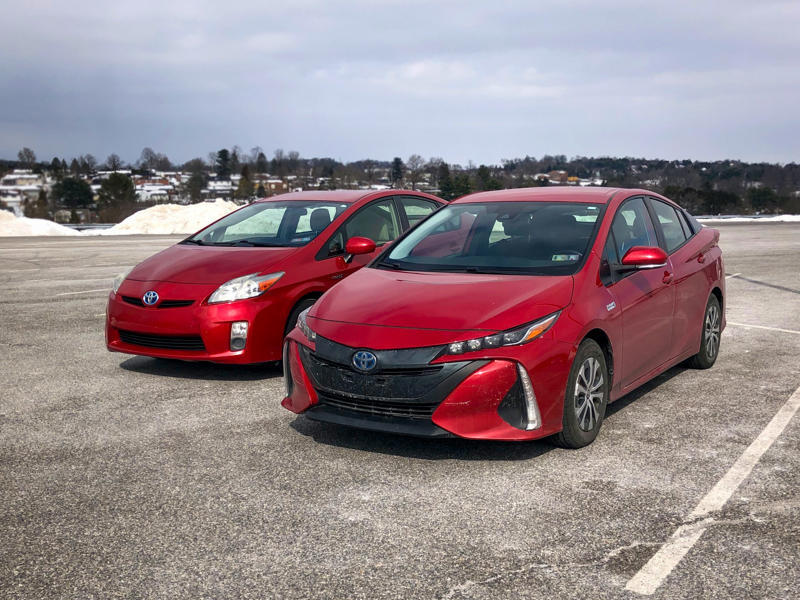
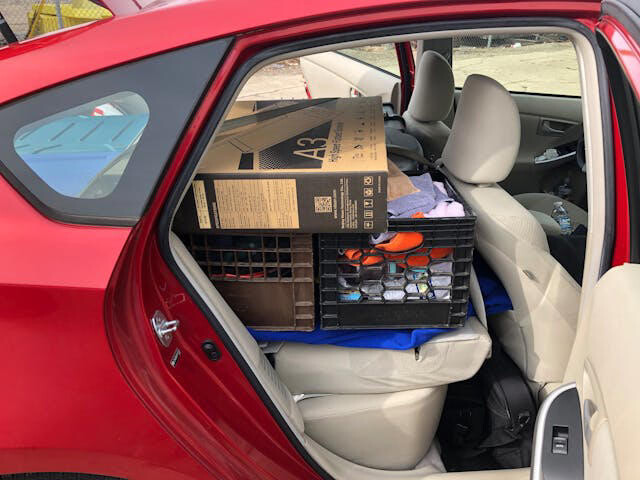
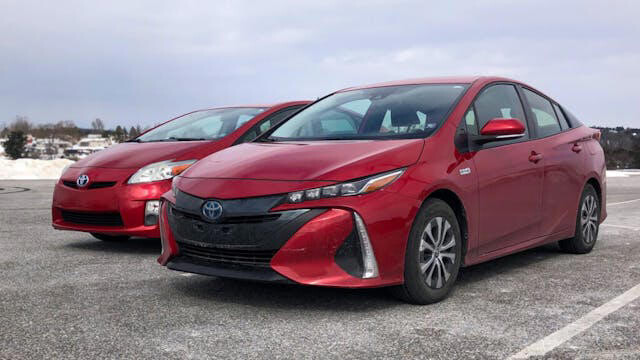
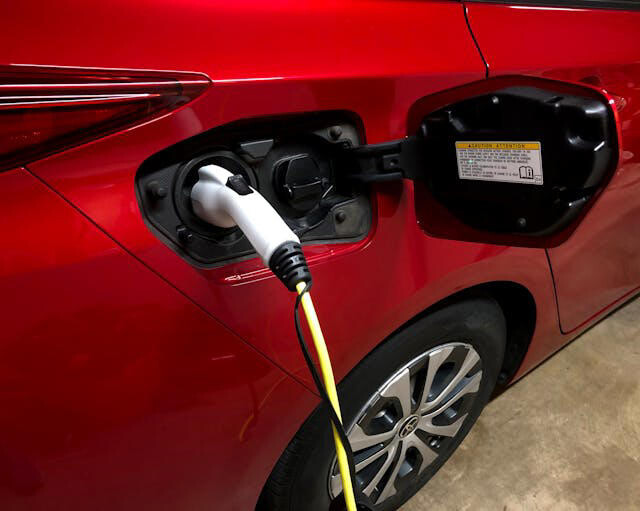
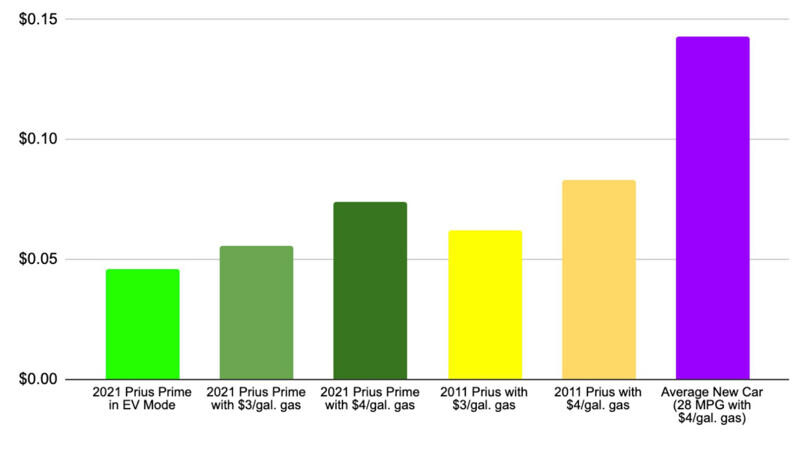
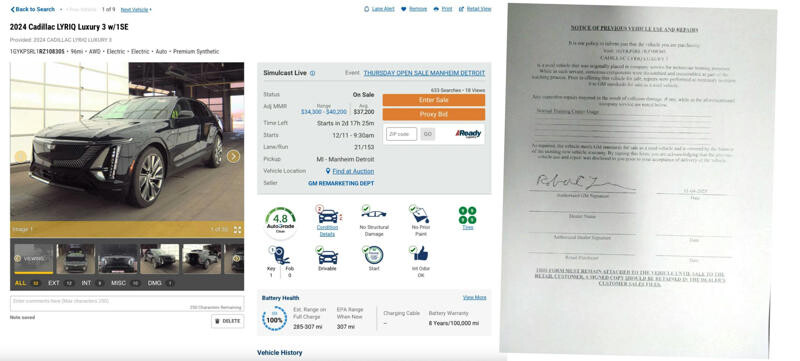
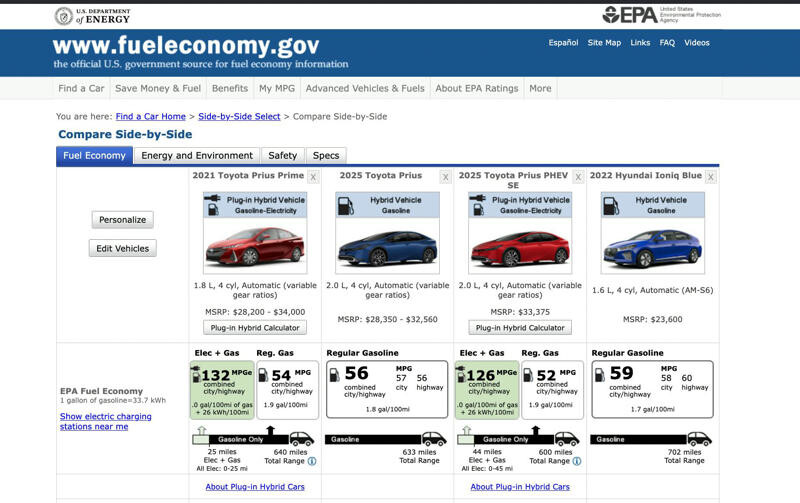
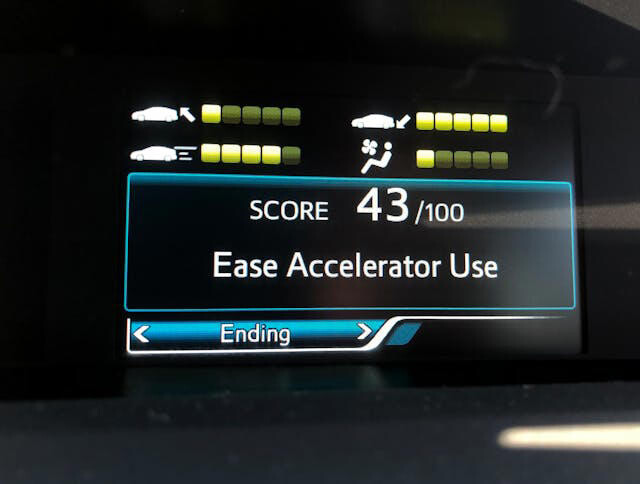
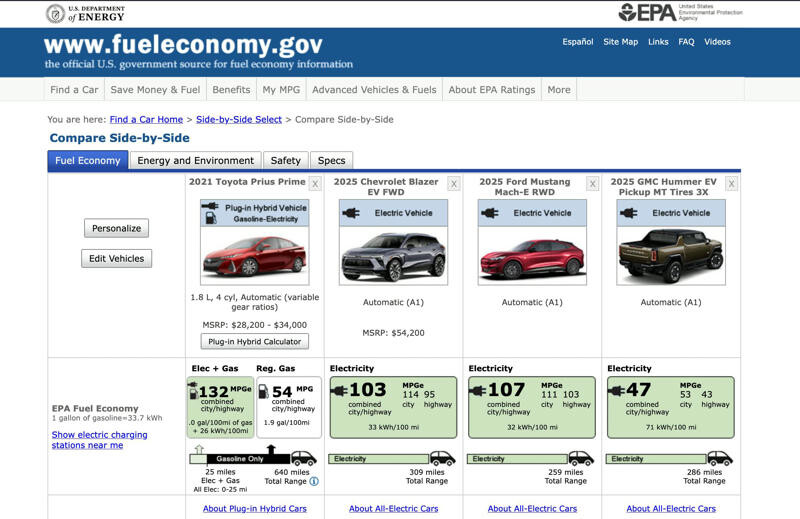
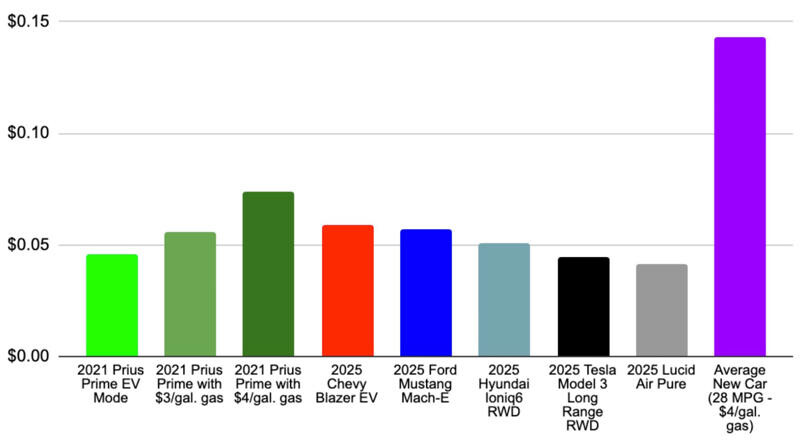
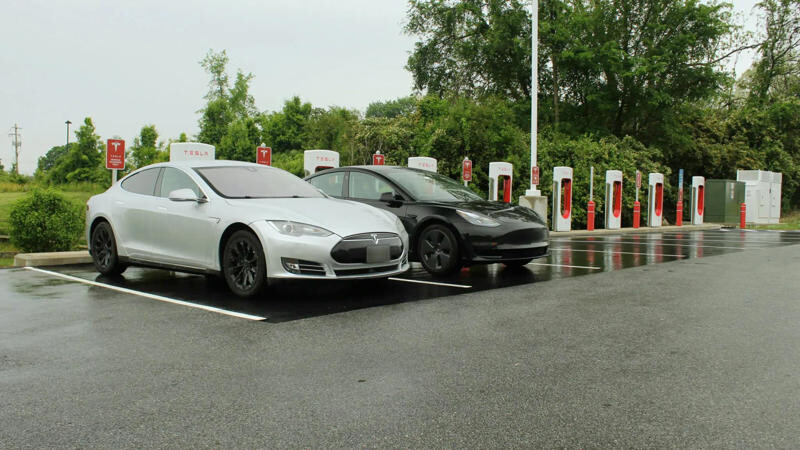
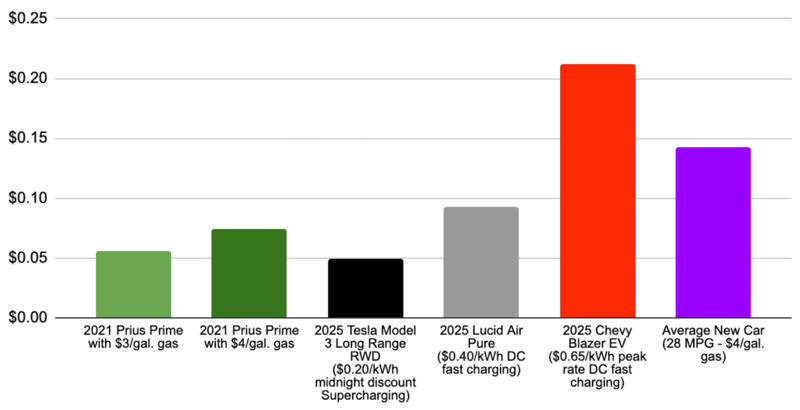
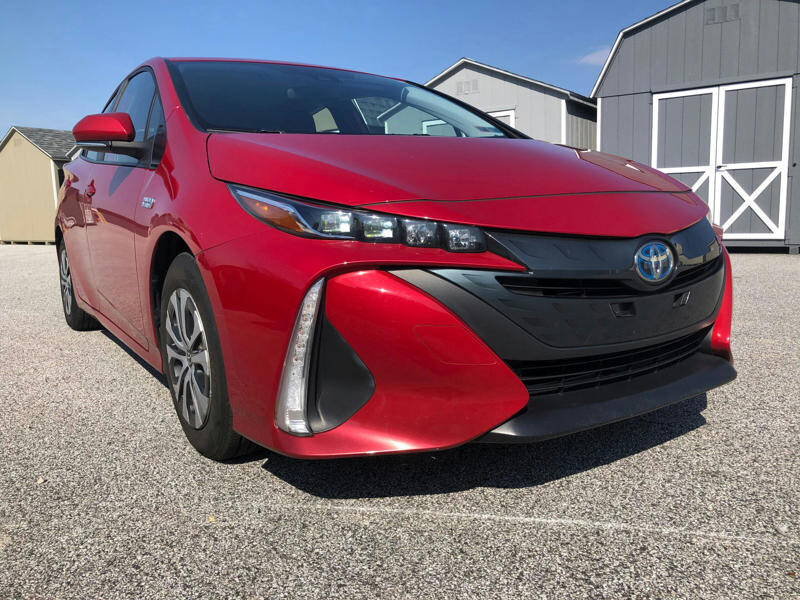
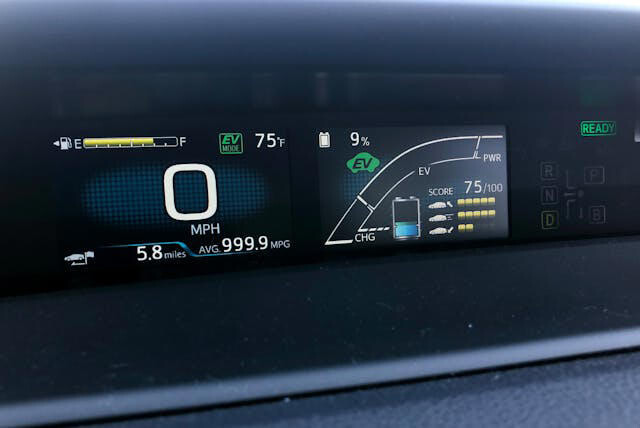
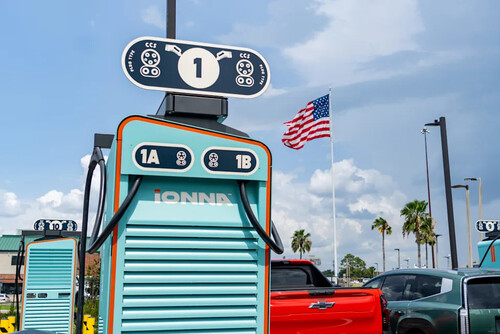
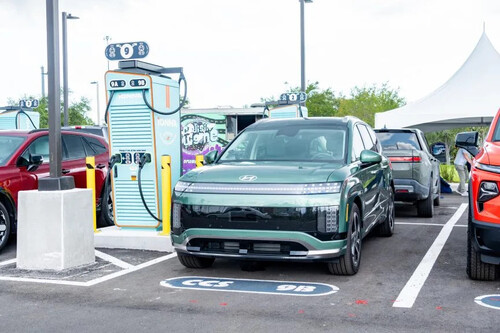
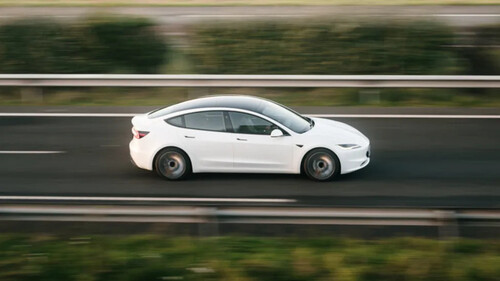
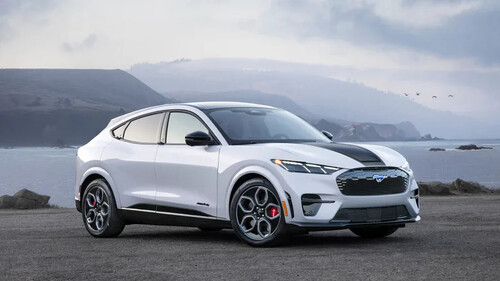
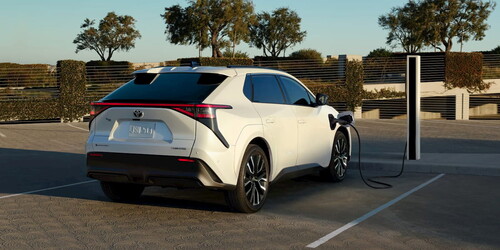
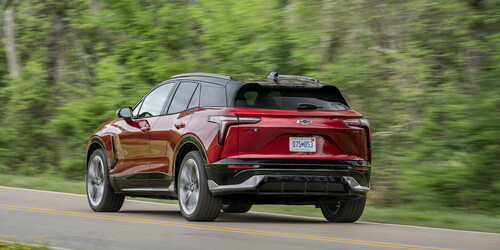
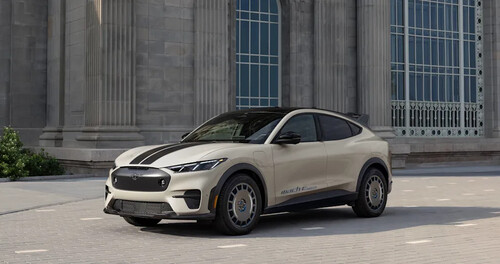
We Bought the Cheapest-to-Drive Car in America, and It Ruined All Other Cars for Us My wife is frugal. So frugal that she’s crashed the self-checkout machine because she used so many coupons that the grocery store somehow ended up owing her money. So frugal that had we lived in the 1950s, she probably would have driven a Nash Rambler or a stripped-out Studebaker Scotsman (which played off the stereotype of Scottish frugality). But since we don’t live in the ’50s, she instead drives the poster car for modern penny pinchers: the Toyota Prius. We bought her first Prius back in 2017, when she was doing a long, dreary commute in a V-6 Toyota Solara coupe that struggled to get 25 miles per gallon. After researching more fuel-efficient options, we landed on a lightly used red 2011 Prius from Craigslist. Gas was cheap then, which meant so was the car. My wife was skeptical that she wouldn’t like a hybrid, but she gave it a shot. Most of the anti-Prius sentiment of the early 2000s had settled by that time, as even the most die-hard car guys couldn’t deny that these little hybrids excelled at their given mission: saving money. As my wife’s gasoline bill fell by half, her old Solara soon became a distant memory. She was hooked. For the next nine years and 110,000 miles, that dang Prius managed a steady 50 MPG–rain or shine, summer or winter, city or highway. Despite looking like an amorphous blob and driving like a rubber band, it saved us a fortune in gas, insurance, and repairs, needing only two sets of tires, one set of brakes, one set of spark plugs, and a TPMS sensor, in addition to the standard fluid and filter changes. This in turn allowed me to channel those funds into my true passion of keeping my 1972 AMC Ambassador on the road. Although the Prius was technically “her car,” I occasionally borrowed it for road trips. Here it is loaded with filmmaking equipment for my next car documentary. Her initial hybrid trepidation long forgotten, my wife now threatened that I’d have to pry the aging car from her cold dead hands. So what could ever convince her to give up her beloved Prius? How about… another one? Just as I’d cajoled her nine years ago to try out a hybrid, last year I talked her into a 2021 Toyota Prius Prime plug-in hybrid. Along with the standard 1.5-liter inline-four gas-electric powertrain, it also has an 8.8 kWh lithium-ion battery capable of an EPA-estimated 25 miles of electric-only driving. Similarly to the last time around, gas was cheap when we bought the Prius Prime, which meant it wasn’t exactly a “hot ticket” car. In addition, the Prius had undergone a major glow-up redesign for 2023, leaving the previous generation looking rather dowdy by comparison. None of this bothered us. I deliberately sought out a base model, which still had physical controls for the audio and HVAC, instead of the giant touchscreen that came with higher trims (which was slow and buggy even when new). I also liked that it came with heated cloth seats, which I personally find more comfortable than leather. It even had a CD player–a rarity these days! In an ironic twist, the new Prius was almost the exact same shade of red as the old one. 25 miles of EV driving doesn’t sound like much, but with a much shorter commute nowadays and chargers at her workplace, my wife can make the round trip almost entirely on battery. And since that battery is relatively small, we didn’t need a costly 220V connector at home, as a cheap 110V plug is fast enough to charge it overnight. The dealer stiffed us on a home connector, so we ended up buying one on Facebook Marketplace from a guy who had just bought a Volkswagen ID4 and didn’t want the slow 110V charger. For our car, however, it’s plenty fast enough. Like the 2011 Prius before it, the 2021 Prime took some getting used to. The cabin is less airy, the heat is pitiful in EV mode, and the rear cargo space is significantly compromised by poor battery packaging. However, being my wife’s first vehicle with Apple CarPlay did a lot to win her over. Then we started crunching numbers… The Prime takes penny pinching to a new level. Even with Pennsylvania’s pricey $0.18/kWh electricity rates and last year’s cheap gasoline, it cost just $0.046 per mile to drive on electricity, compared to $0.062 per mile for gas in our old Prius. Yet, even after the battery runs out, the Prime still beats the old car, with about 10% better mileage in gas-only mode. Factor in the recent oil price hikes, and the difference becomes even more stark. Cost Per Mile: Yearly Fuel Cost: In the big scheme of things, the Prius Prime only saves us $150-$300 a year over the old Prius, which wasn’t even enough money to fix the air conditioning in my Ambassador. But compared to the 2024 (the most recent year available) national average for new vehicles of 28 MPG, we’re making out like bandits. Looking around our neighborhood of chunky crossovers and feeling bad for all people throwing their money away, I realized those stereotypes about insufferably smug Prius drivers might well be true after all. If I Didn’t Choose the Plug Life… While not quite as frugal as my wife, I can appreciate a good bargain. So when my turn came to go car shopping last fall, I couldn’t help but notice there were some screaming deals on lightly-used EVs, whose resale values had fallen off a cliff. With the help of a friend’s login to Manheim auto auctions, I was amazed to find things like a year-old, fully-loaded Chevy Blazer EV RS with red leather for under $30,000. There were dozens of low-mileage, AWD Ford Mustang Mach-Es in cool colors in the low $20,000s. I was even tempted by a brand-new Cadillac Lyriq listed for 50% off MSRP due to “severe hail damage,” but that was a bridge too far, even for my wife. I didn’t save a screenshot of the hail-damaged Lyriq, but I did find another one that had undergone a complete teardown and rebuild at a GM training center. Not a bad deal! Manheim/GM Remarketing Anyway, there were scores of lightly used EVs that had rapidly depreciated into very attractive bargains. And while they still might cost more up front than a sensible gasoline or hybrid car, I could justify the cost to my wife with the anticipated fuel savings, right? But as I started my number crunching, a sinking realization hit me. Going fully electric wasn’t always the cheapest way to travel. Moreover, by buying the Prius Prime, I had backed myself into a corner. We hadn’t just bought a frugal car; we had bought what was pretty much the cheapest to drive vehicle in the entire United States–gas, electric, or hybrid. For gasoline vehicles, it turns out that the only cars from the last five years that get better mileage than a fourth-gen Toyota Prius Prime are other Prius models and the discontinued Hyundai Ioniq hybrid. At 54 MPG, our fourth-gen Prius Prime is just a few clicks behind the standard (non-plug-in) fifth-gen Prius, at 56 MPG. And although it didn’t survive past 2022, the Hyundai Ioniq in its max-efficiency “Blue” trim managed a stellar 59 MPG! While the 2025 Prius and 2022 Ioniq get higher MPGs, the Prius Prime has the jump on them with 25 miles of EV driving. So if all three cars started at the same point and drove the same route, you’d have to drive 291.67 miles before the gas savings from the 2025 Prius overcame the 2021 Prius Prime’s head start. The Ioniq Blue cuts the Prime’s lead to just 109.375 miles. But unless you’re commuting a round trip from Detroit to Toledo every day and you can’t charge at work, the 2021 Prius Prime is still the cheapest for regular driving. Now what about the fifth-gen Prius Prime? Surely it is more efficient than its predecessor, right? Actually, the fifth-gen model lost efficiency, coming in at “only” 52 MPG. I assume those losses are due in part to a heavier 13.6kWh battery, which bumps electric-only range up to 44 miles. Interestingly, it also uses slightly more electricity per mile in EV mode, which puts the fourth-gen and fifth-gen Primes in this weird battle where the fourth-gen starts out cheaper, then the fifth-gen overtakes it, then the fourth-gen ultimately catches up again. How far you’d have to drive each car for it to be cheaper than the 2021 Prius Prime: But enough splitting hairs within the Prius family. What about those cheap used EVs I was shopping for? …The Plug Life Chose Me Our Prius Prime gives each trip an “efficiency score” and scolds you for things like accelerating too hard and turning the A/C up too high . Joe Ligo Personally, I dislike the EPA’s confusing metric of “MPGe,” which measures EV efficiency by converting electrical energy to the amount of chemical energy in a gallon of gas to create a “miles per gallon equivalent” rating. However, in spite of my personal feelings, MPGe is currently the easiest way to compare EV and PHEV efficiency because it’s the metric with the most data available. As it turns out, the fourth-gen Prius Prime also has one of the highest MPGe ratings in the U.S. when operating in EV mode, using less electricity per mile than all but the Hyundai Ioniq6, Tesla Model 3, and the reigning EV efficiency champ, the Lucid Air Pure. I don’t know if it’s the Prius’s slippery shape, the weight advantage of a smaller battery, or if other automakers just suck at efficiency, but this thing puts most EVs to shame. The Chevy Blazer EV and Ford Mustang Mach-E are significantly less efficient. I threw the GMC Hummer EV in there just for kicks. EPA Driving only on electricity, the 2021 Prius Prime would save you $148 a year over a Chevy Blazer EV or a Ford Mustang Mach-E, even in their most efficient two-wheel-drive trims. But not everybody can limit their trips to 25 miles between charging stops. Surely once the Prius Prime starts burning gasoline, the Blazer EV and Mach-E will close the gap, right? Wrong! The Blazer EV and Mustang Mach-E are so inefficient that back when gas was $3 per gallon, it actually cost less to drive the Prius Prime on gasoline than it did to drive either of those on electricity! Driving Costs: Fuel Cost Per Mile: Fuel Cost Per Year: To their credit, the current spike in prices has now given the Blazer and Mach-E the upper hand, as even the thrifty Prius can’t overcome $4/gallon gas. And, if you were driving something more efficient, like the Ioniq6, Model 3, or Air Pure, you’d leave the little Toyota in the dust. So I will concede that the Prius Prime isn’t always the most cost-effective option. But this is just commuting, where you can charge at home for pennies per mile. What about a road trip? As anyone who’s traveled cross-country in an EV has surely noticed, DC fast charging isn’t cheap, especially during “peak demand” hours. While home charging rates range from $0.13 to $0.35/kWh, DC fast charging can reach up to $0.65/kWh, far outstripping the cost of gas in many states. Tesla vehicles do get a home-field advantage when using the Supercharger network, with rates as low as $0.20/kWh if you’re willing to charge outside an abandoned Walmart at midnight. However, most daytime drivers will see prices in the $0.30-$0.45 range. Therefore, it’s not unreasonable to assume an average of $0.40/kWh for DC fast charging in our area, which is about double what you’d pay to charge at home. This immediately flips the cost advantage back to the Prius Prime. Cost Per Mile: Gasoline vs. Fast Charging Cost Per Mile: Gas vs. DC Fast Charging Except for Tesla’s midnight bargain charging, it’s cheaper to run the Prius on gasoline than to charge the rest. Gas would have to hit $5 per gallon before even the miserly Lucid Air Pure could reach price parity against the 54 MPG Prius Prime. And if you’re unlucky enough to be charging a Chevy Blazer EV at peak $0.65/kWh rates, gas could skyrocket past $10 per gallon and the Prius Prime would still be cheaper. Ouch. Given recent geopolitical events, double-digit gas prices might be possible, but I hope it doesn’t happen. Either way, it proves that EVs are more expensive to road trip than you think. (And despite my attempts to convince my wife otherwise, spending $45,000 on a used Lucid to save a few bucks on gas is not a smart financial move.) Nobody Does it Better In light of all this, I found myself facing the hard truth. Despite offering a lot of bang for the buck, very few used EVs could guarantee lower fuel costs than the car we were already driving. In addition, used EVs could still cost more to insure, cost a lot more to repair, and continue to rapidly depreciate. On top of that, the ones that were the best values, like the Blazer EV and the Mach-E, were also some of the least efficient (the Hyundai Ioniq6 was tempting, but just too small). To make matters worse, our lovely state of Pennsylvania just slapped a $200 yearly fee on all EV drivers to make up for those drivers not having to pay gas taxes. So when it came down to cost per mile, there were only a few vehicles that could rival the Prius Prime’s penny-pinching perfection. It had ruined all other cars for us. But as somebody who’s always found automotive technology interesting, I felt enlightened, not depressed by this. I was surprised to have my financial assumptions challenged by hard data. And as figures show EV sales cooling while hybrids are flying off dealer lots, it sounds like many Americans have reached the same conclusion as me: hybrids are just a really great deal. That said, for the average American family with a 28 MPG crossover and not the cheapest-to-drive car in the country, the EV savings are much more real. If you compare the Chevy Blazer or the Ford Mustang Mach-E to their gasoline brethren, there’s about a $1000-per-year difference in fuel costs. For a family wanting the same SUV form factor without internal combustion, perhaps those vehicles would be more appealing. Fuel costs are based on home charging only, so they’re not 100% realistic. But it shows EVs can save you money, especially if you’re trading an SUV for one. EPA Thankfully, my wife is not so miserly that every decision has to come down to dollars and cents. After all, she does enjoy riding in my Ambassador even though it only gets 15 MPG, and she’ll begrudgingly admit that you have to let your emotions have some say in the car-buying process. Given the Prius Prime’s severely limited cargo space, we realized that our secondary vehicle needed a little more room for both people and stuff. Ultimately, we landed on something that managed to check our boxes for room, ride, efficiency, cost, and everything except perhaps “reliability.” But that’s a story for another time… For now, at least my wife can look forward to many more trouble-free miles in her second red Prius, as she keeps pinching pennies, come rain or shine, summer or winter, city or highway. Interestingly, Toyota changed the name from “Prius Prime” to “Prius PHEV” for 2025, apparently for better consumer recognition. I guess “Prius Scotsman” wouldn’t have gone over as well. The post We Bought the Cheapest-to-Drive Car in America, and It Ruined All Other Cars for Us appeared first on Hagerty Media.