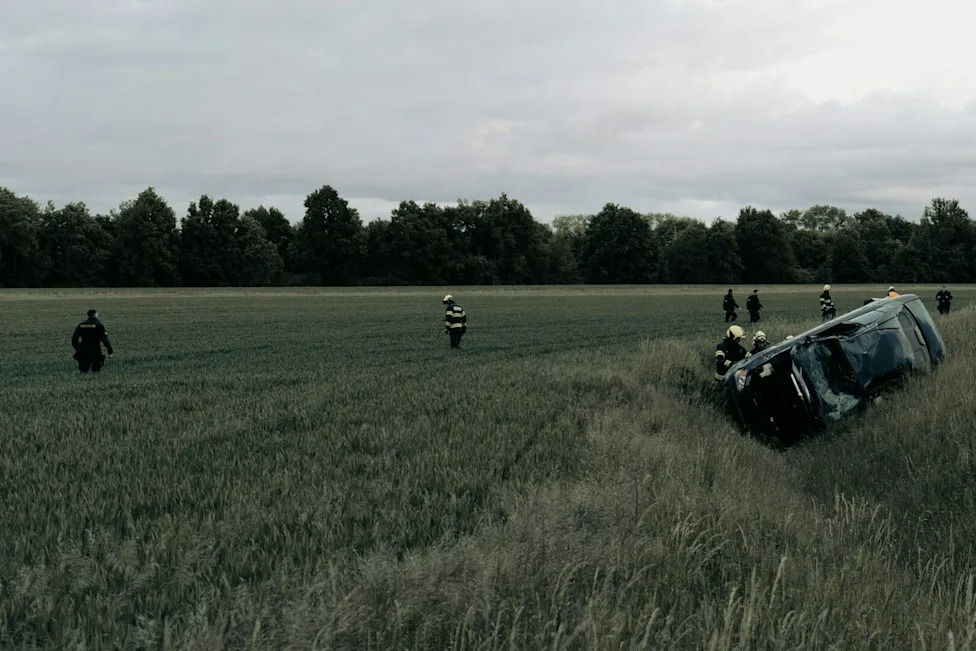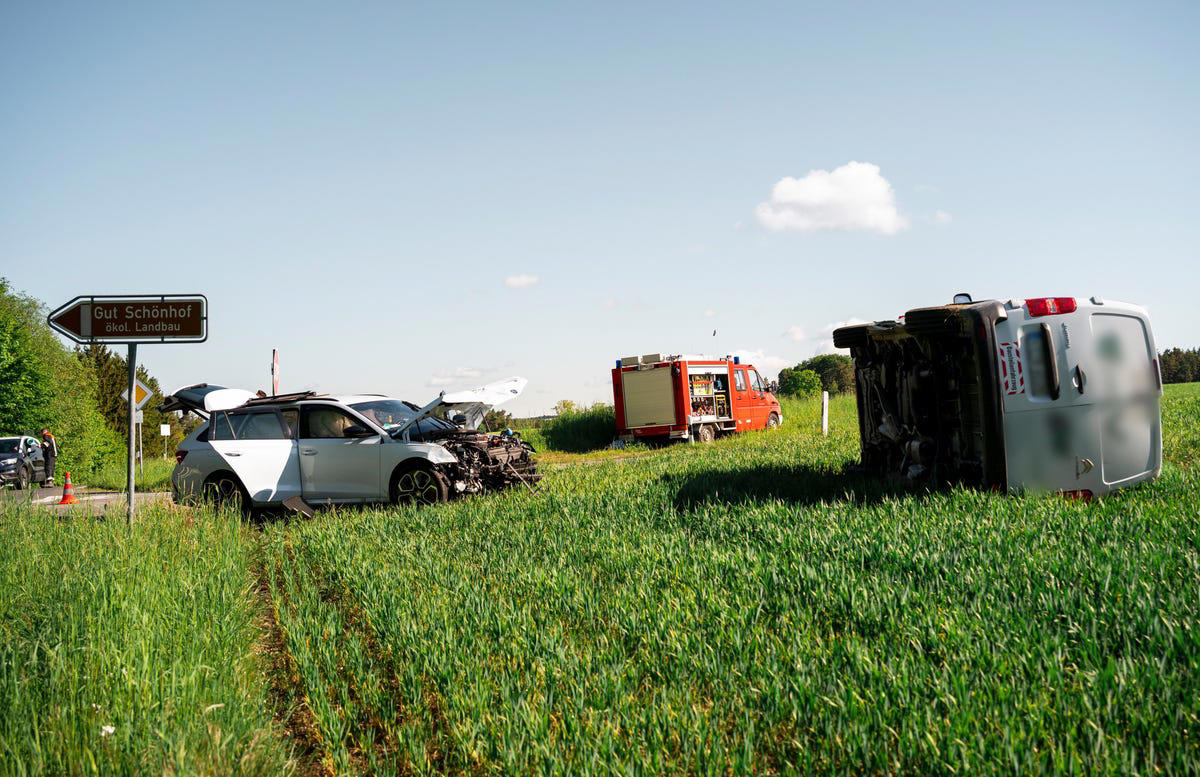



















Most car crashes happen between 3 and 3:10 p.m., but most accidents with injuries take place between 4 and 4:10 p.m., according to data from Mercury Insurance.On weekends, it shifts to noon to 12:10 p.m. The data is consistent across the country.When is the most dangerous time to drive on public roads? You might have thought it’d be 2 a.m., when the bars close and the drunk drivers are out. Or maybe 5 to 6 p.m., when it’s rush hour.But a recent analysis by Mercury Insurance found that it’s actually 3 to 3:10 pm, or right around the time schools let out.“For the first time in its more than 60-year history, Mercury Insurance analyzed proprietary claims data to identify the most dangerous moments on America’s roads—and the results challenge a common assumption about rush hour driving,” Mercury said.“While crash volume peaks between 3:00 and 3:10 p.m., the risk of injury rises even higher about an hour later, between 4:00 and 4:10 p.m., when traffic begins moving faster and collisions become more severe. Over a five-year period, more than 61,000 people were involved in crashes during the busiest 10-minute weekday window alone.”Traffic accident OberailsfeldThe data points to a consistent weekday pattern driven by school schedules and work commutes:• 3 to 3:10 p.m. marks the highest crash volume of the day.• 4 to 4:10 p.m. marks the highest injury rate, despite fewer crashes.• Crash volume concentrates between 3 and 4 p.m.• Injury severity increases between 4 and 5 p.m.That’s during the workweek. On the weekends, things change. “On weekends, both crash volume and injury risk shift earlier, peaking around 12:00 to 12:10 p.m. as midday errands and leisure travel replace structured commutes,” Mercury said. “During this window, approximately 19,000 people were involved in crashes, with about 9 percent sustaining injuries. While slightly lower than weekday peaks, the concentration of activity still creates a clear midday risk spike.”The data is nationwide, with no particular city presenting more risk. While some regions see heavier crash volume around noon, crashes with injuries tend to take place later in the afternoon, likely driven by higher speeds and fatigue, Mercury said.“Drivers often assume the risk stays the same throughout the commute, but the data shows the road environment changes hour by hour,” said Heather Paull, manager, divisional claims, at Mercury Insurance. “Around 3 to 4 p.m., it comes down to patience, keeping space, and avoiding distractions. Later in the commute, keeping your speed in check and staying alert becomes more important as traffic starts moving faster. Knowing that shift is coming can help drivers stay more intentional behind the wheel and make better decisions in the moment.”Our advice? Stay home, hide in the basement, and read car magazines online.