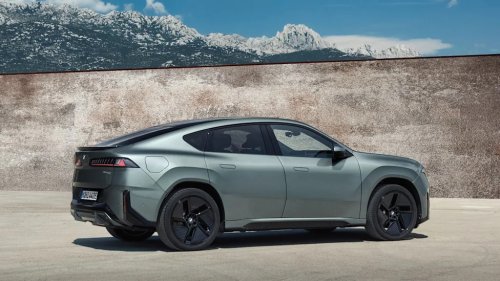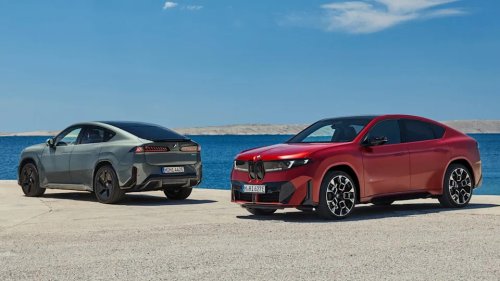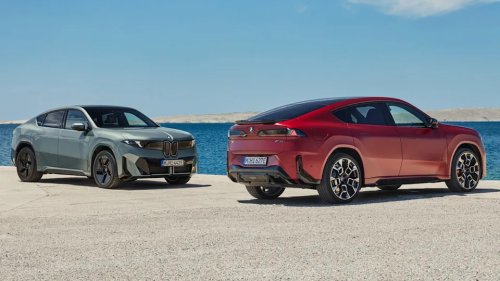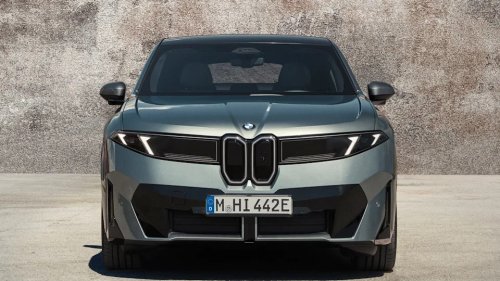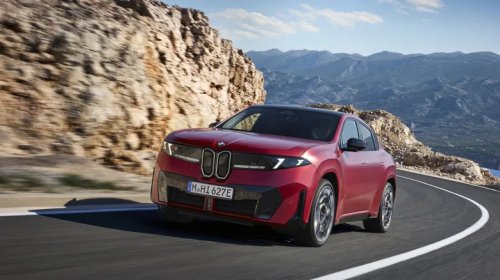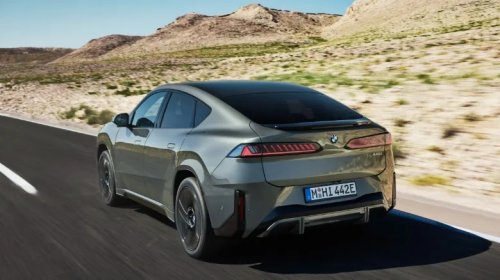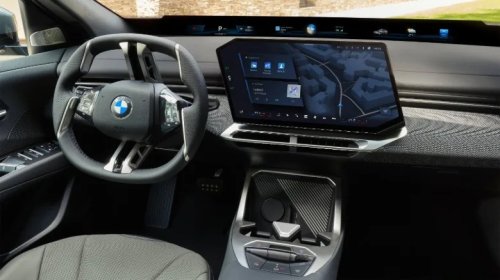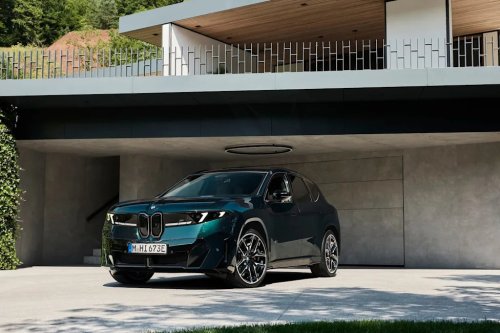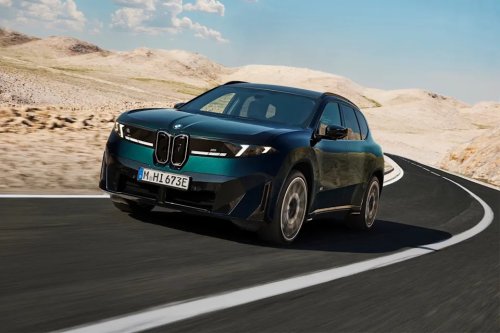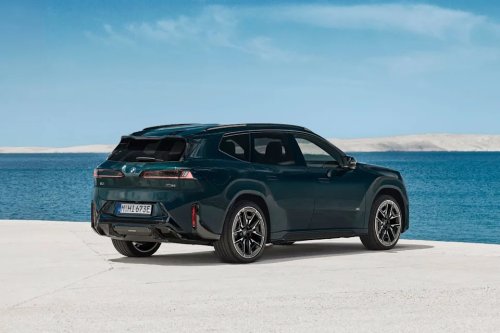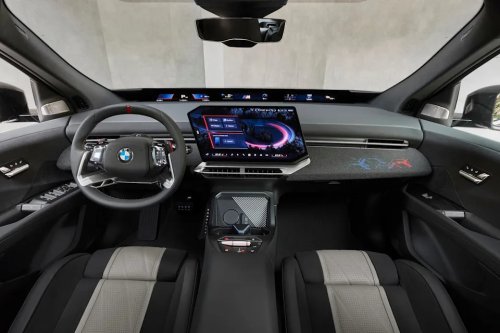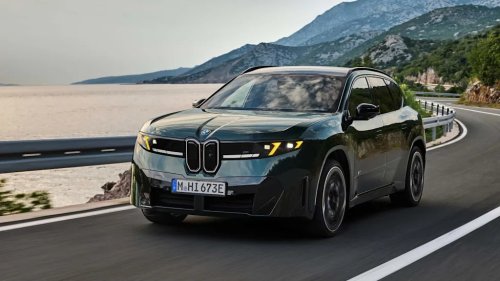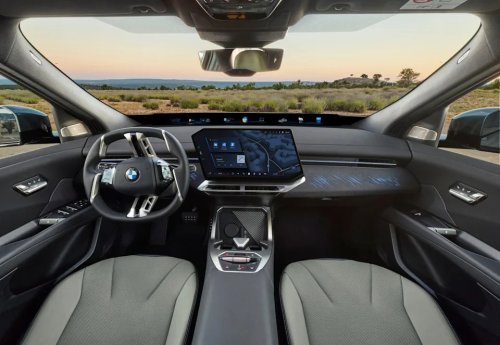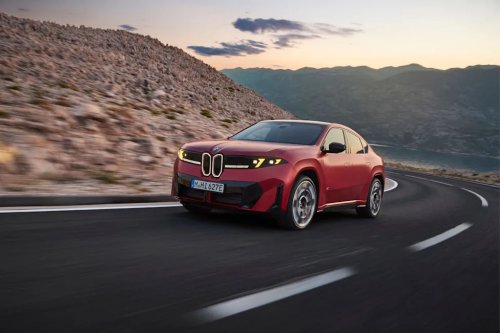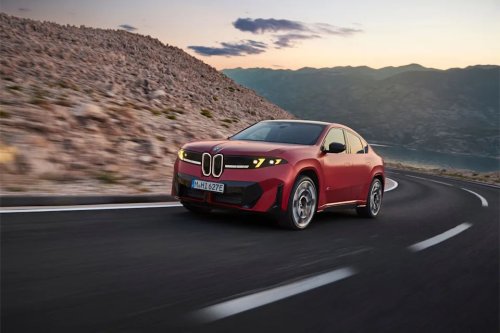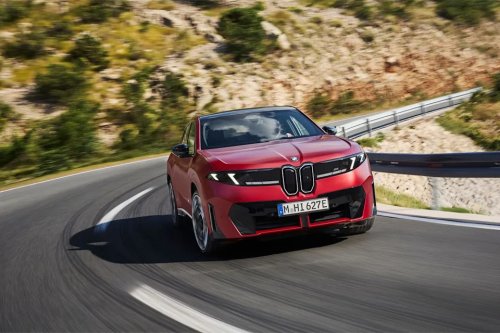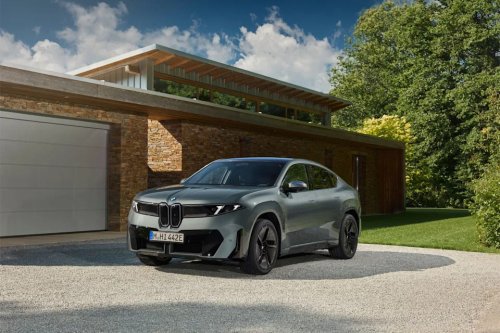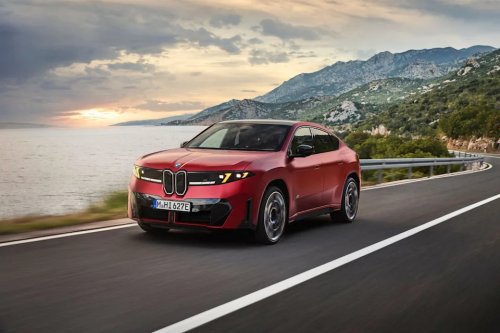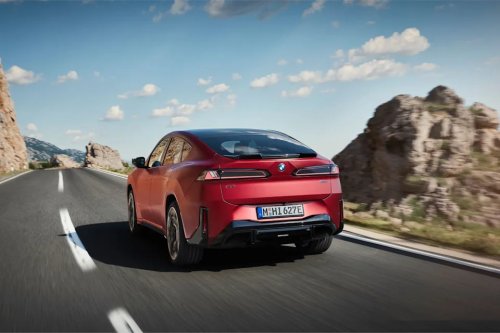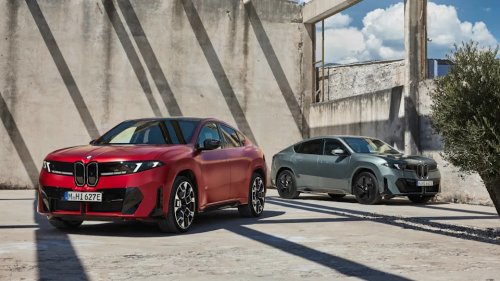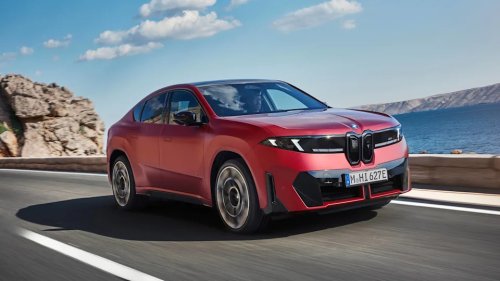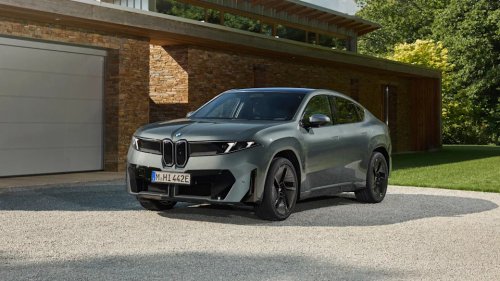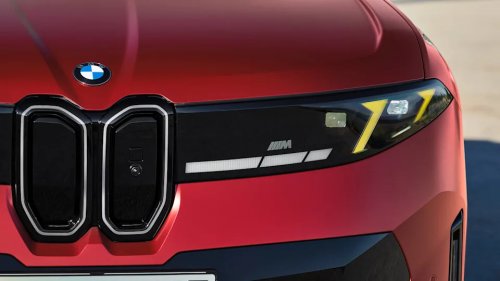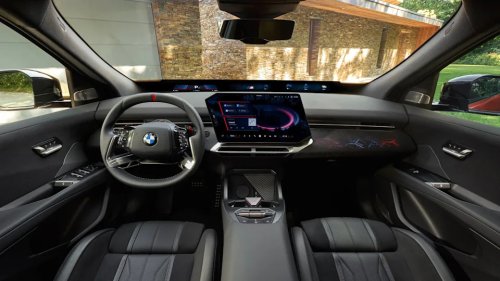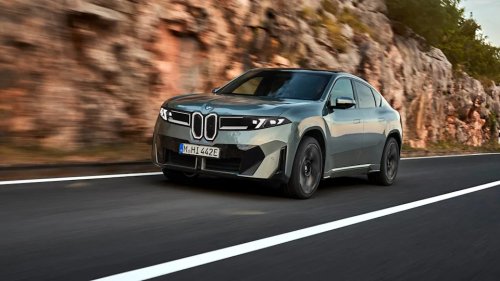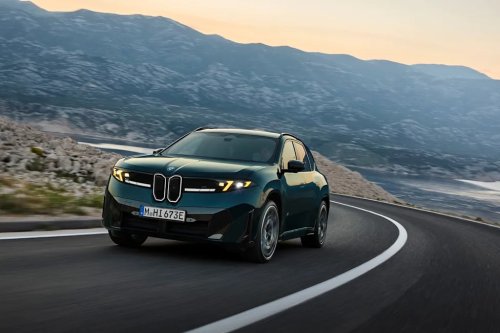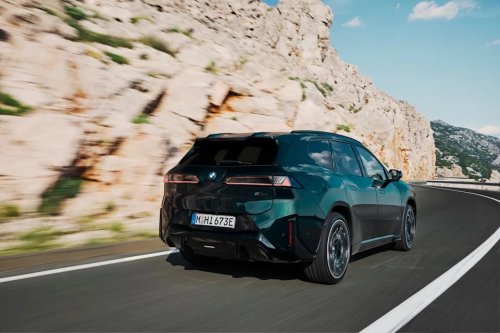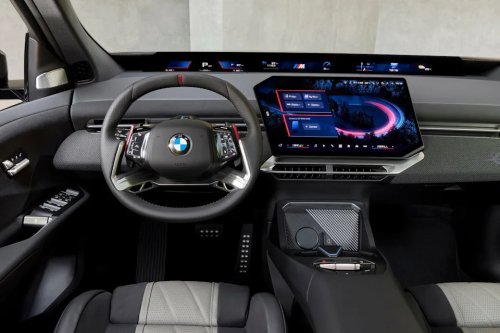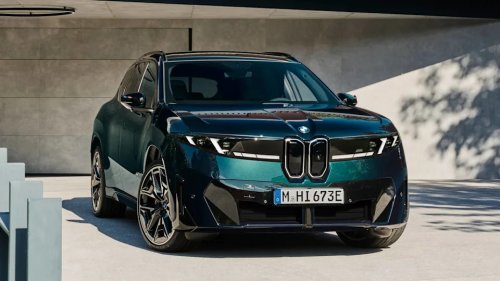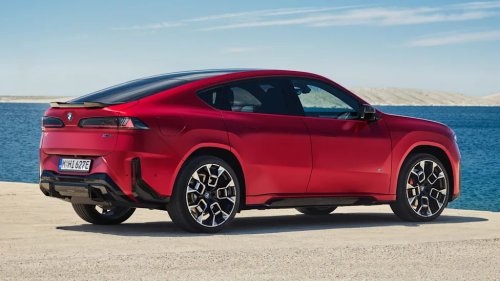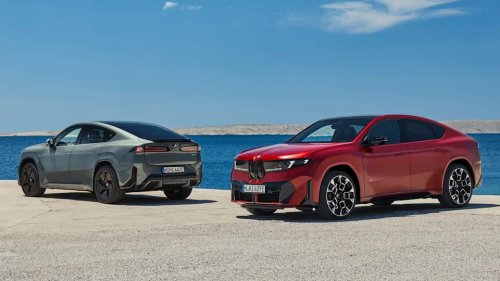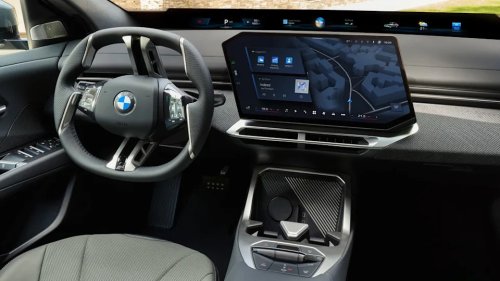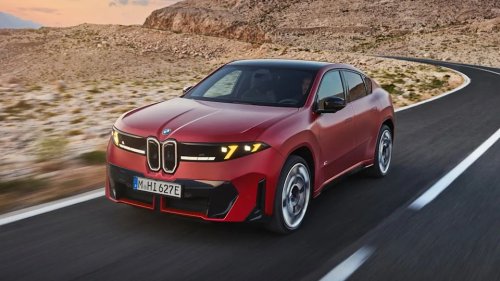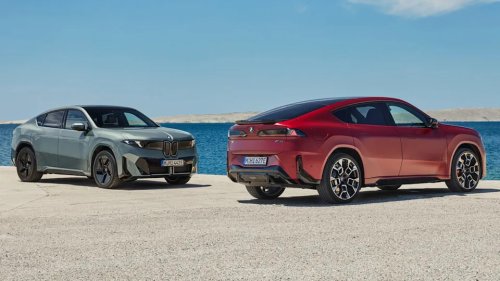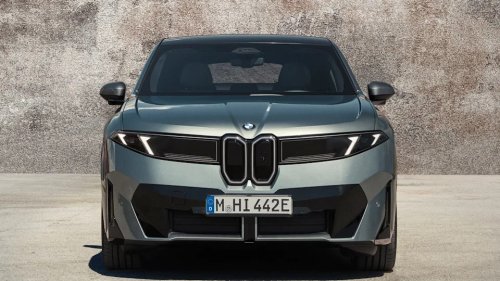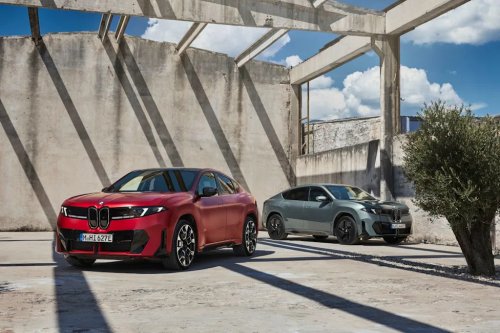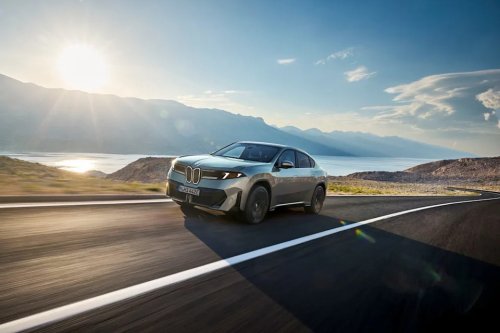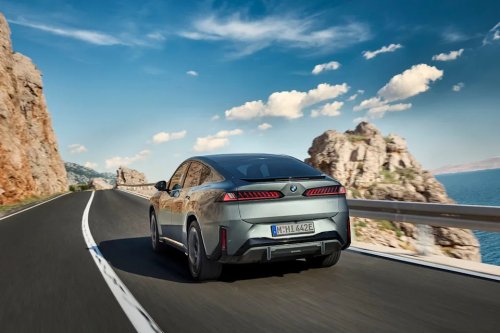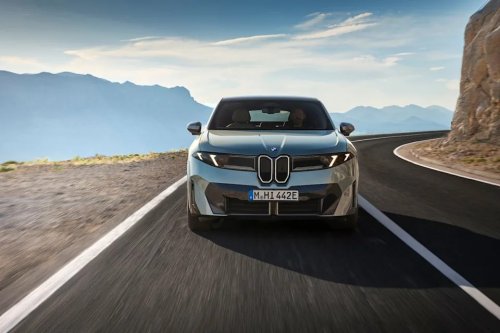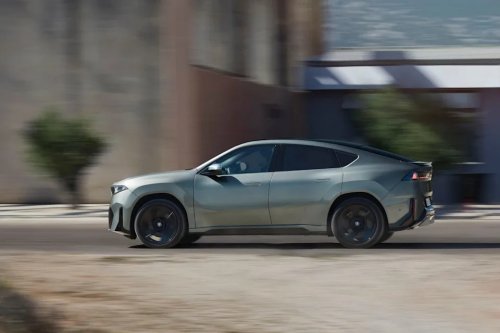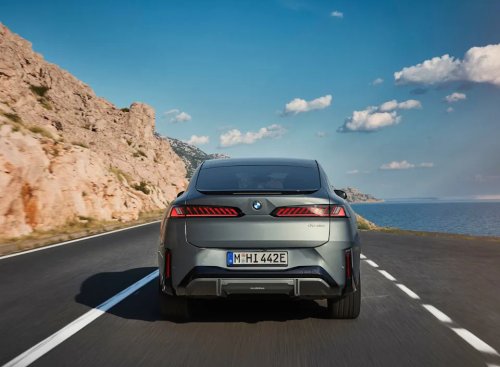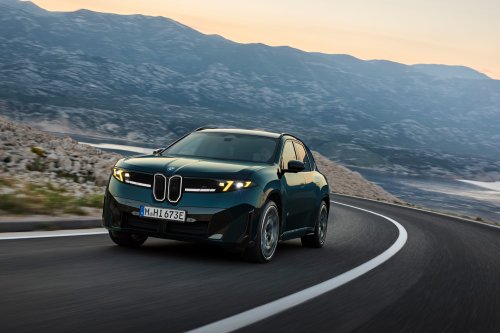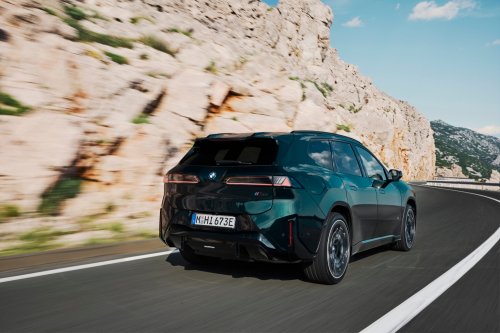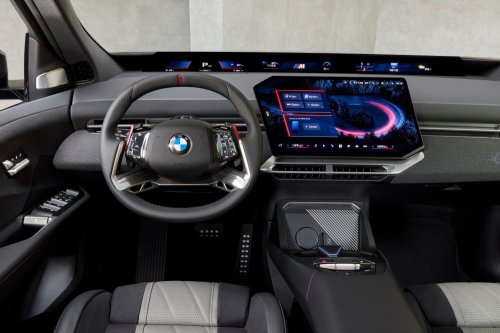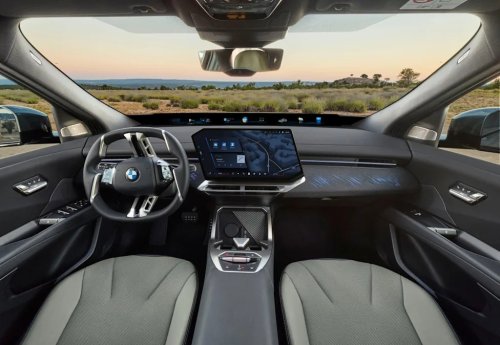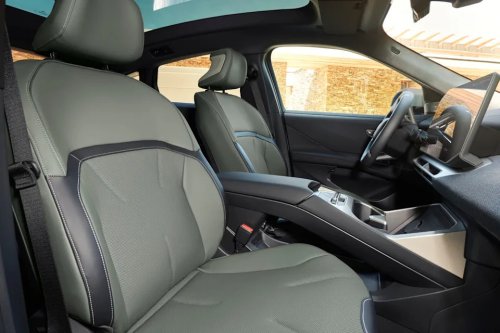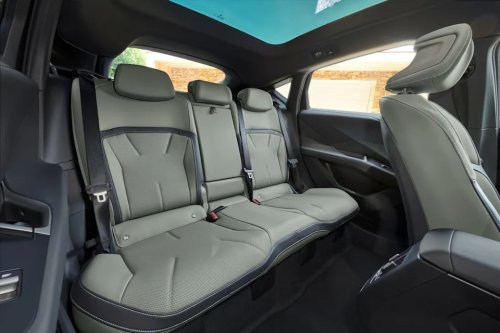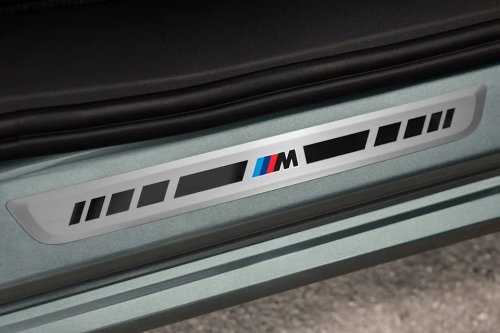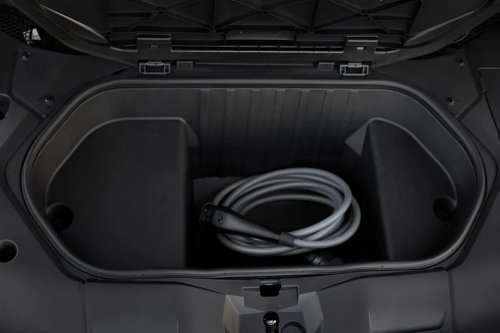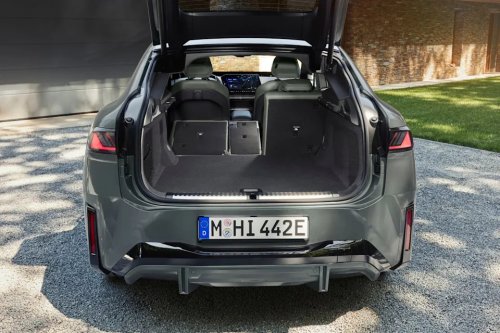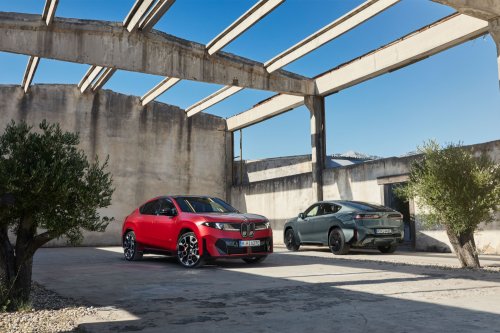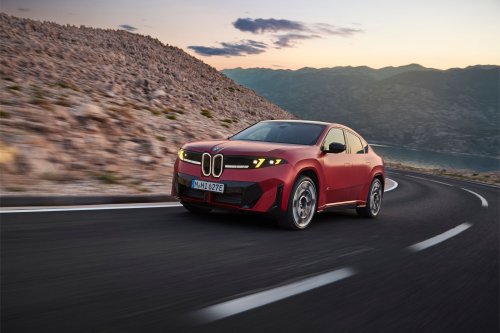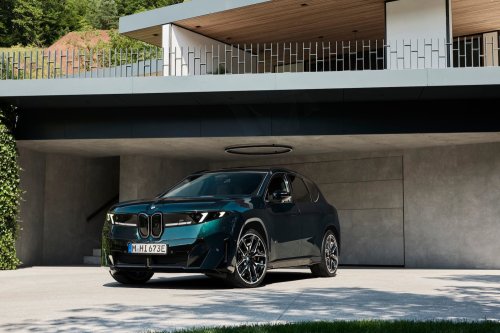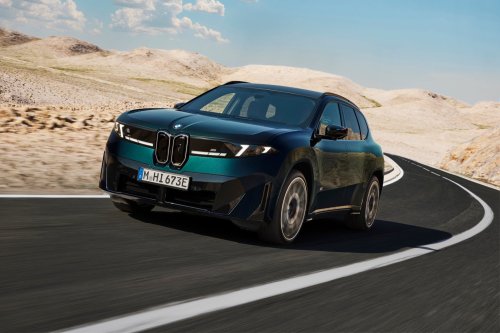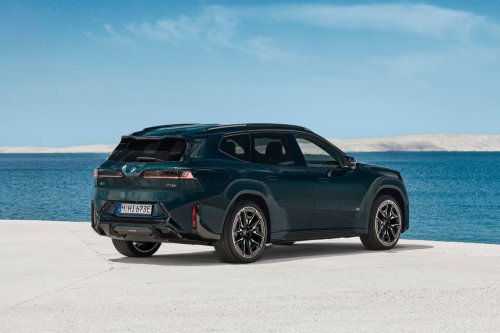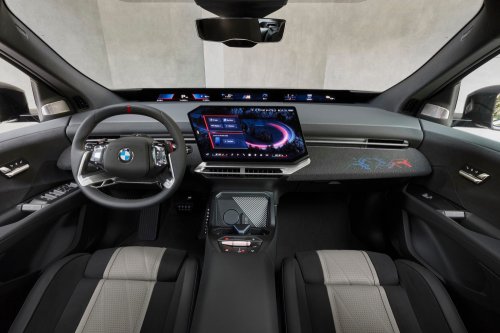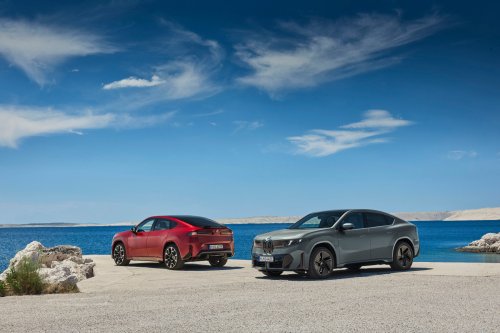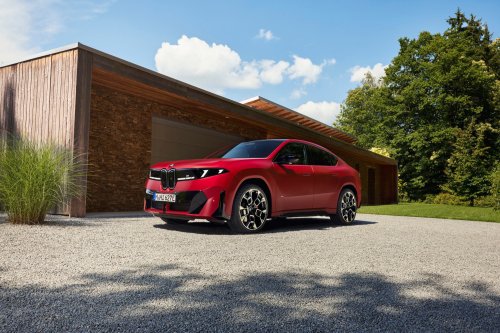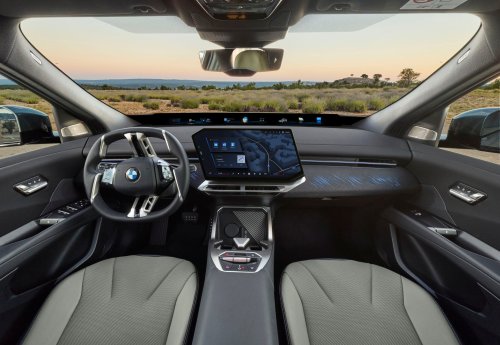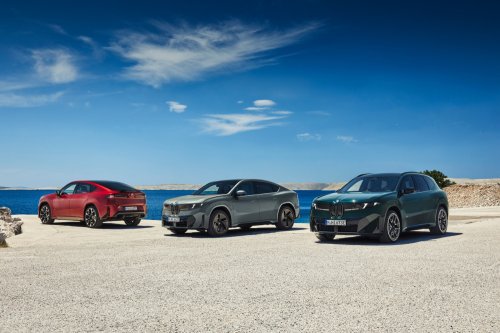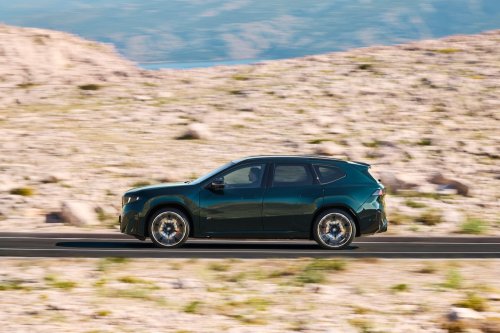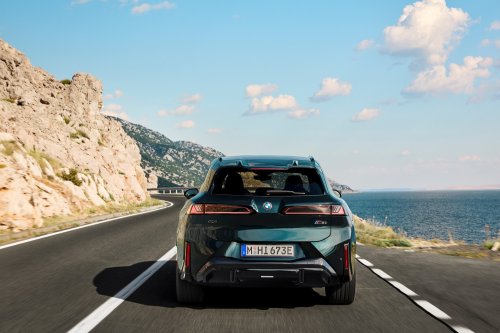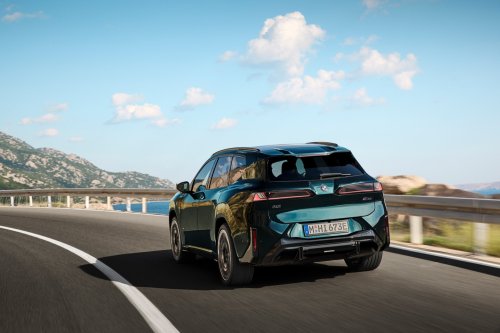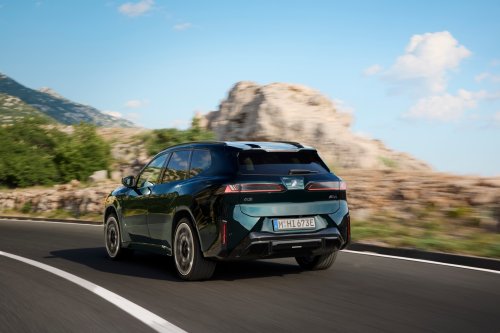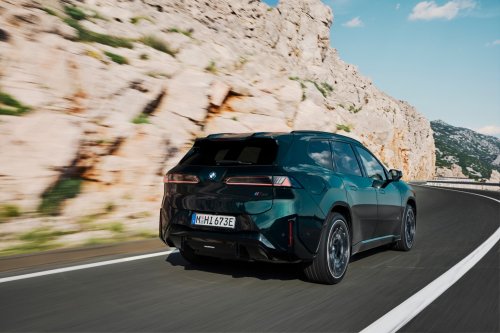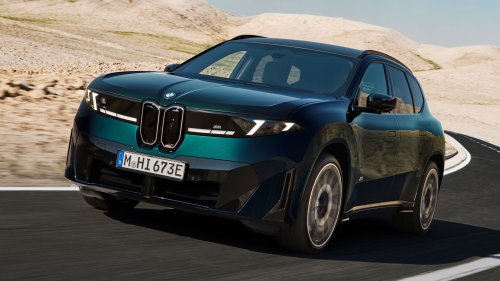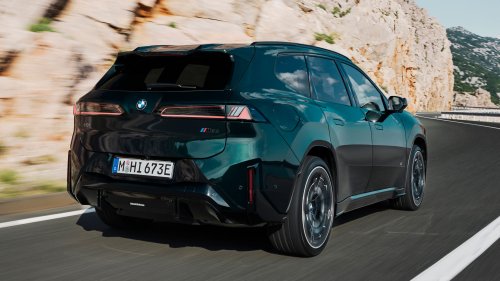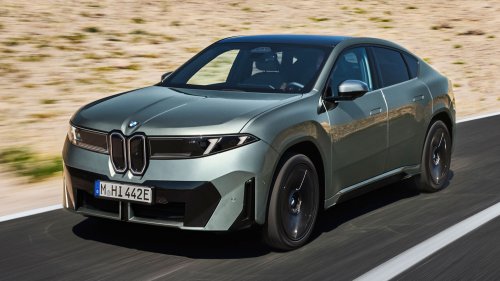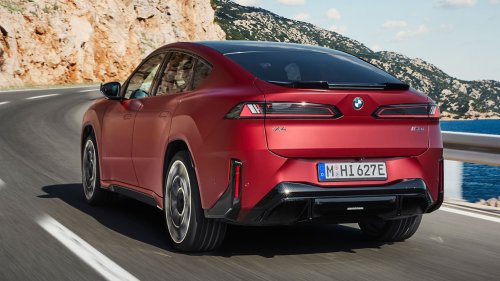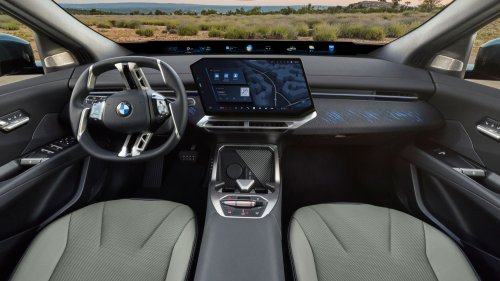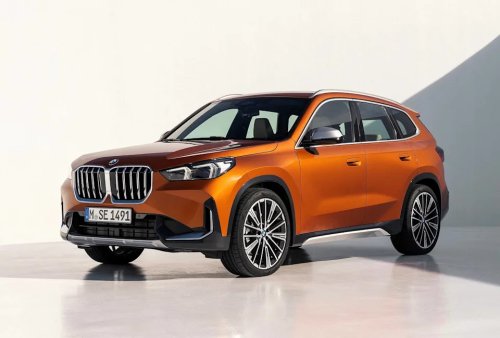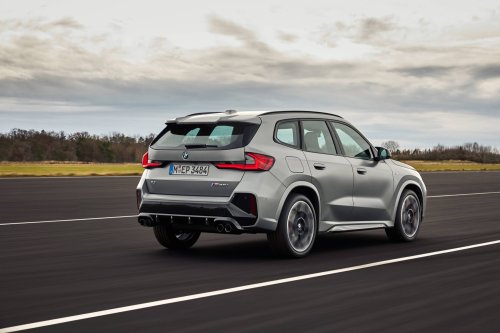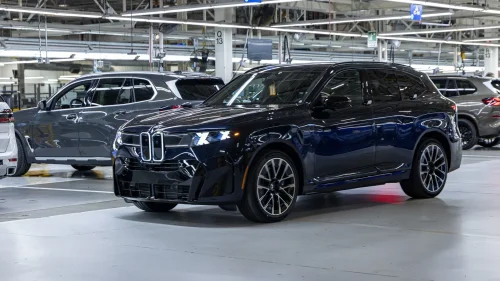
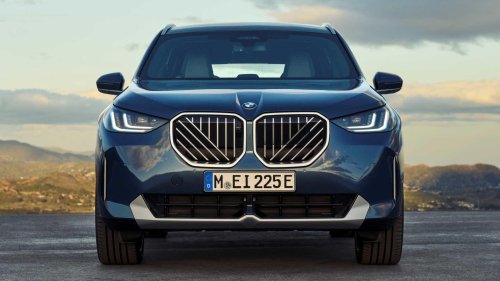
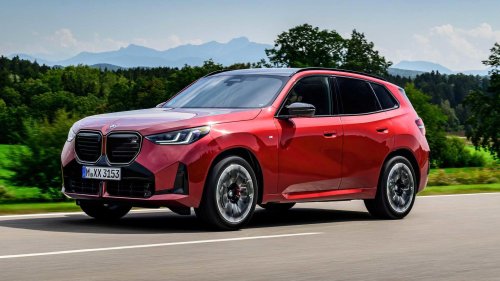
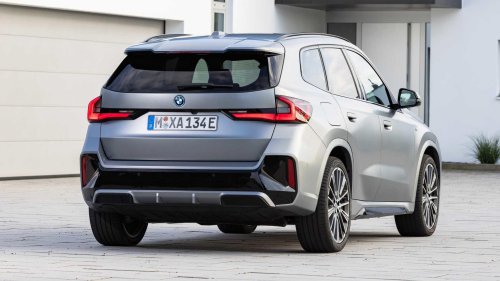
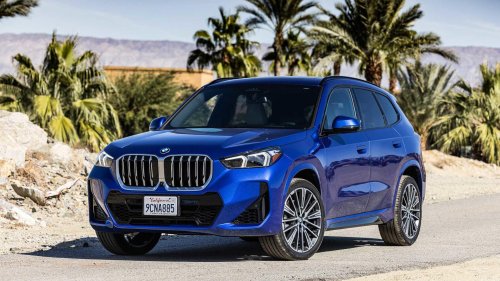
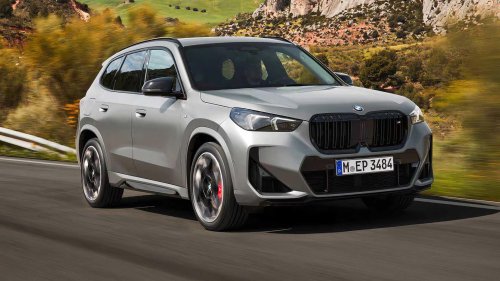
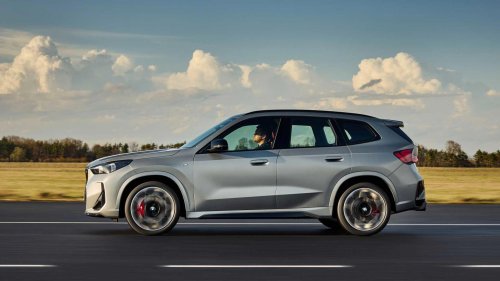
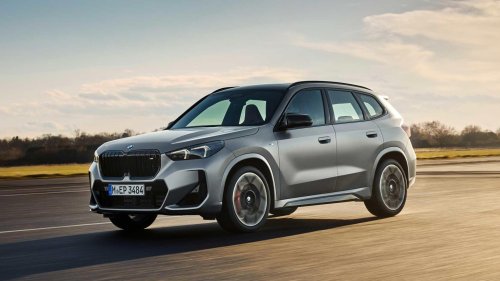
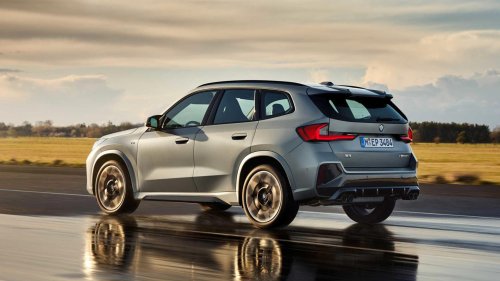
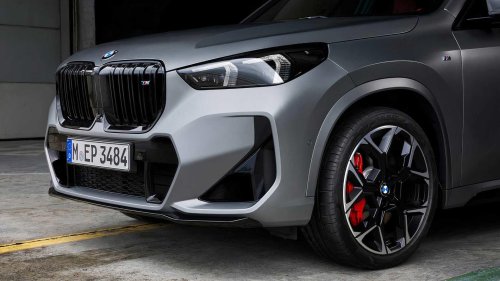
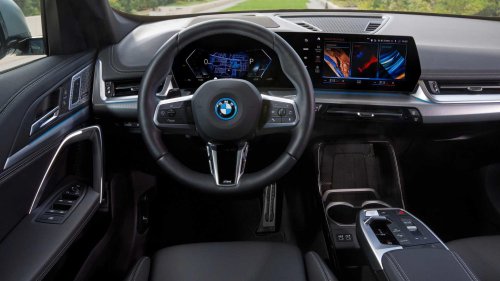
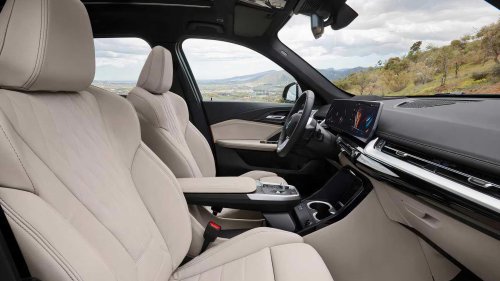
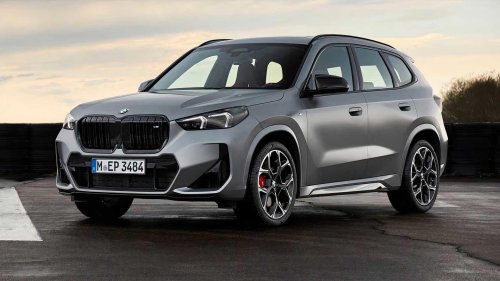
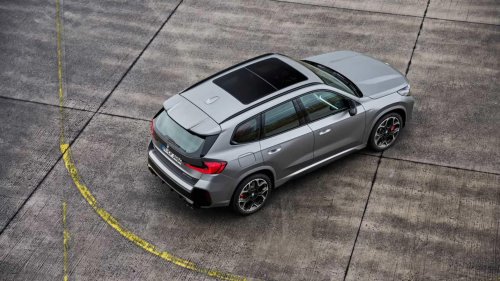
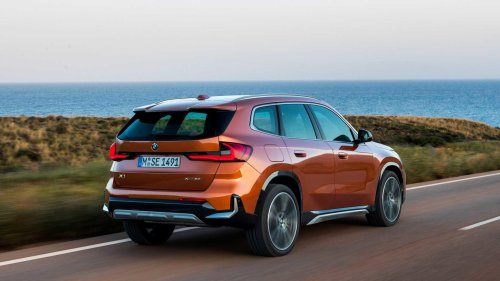
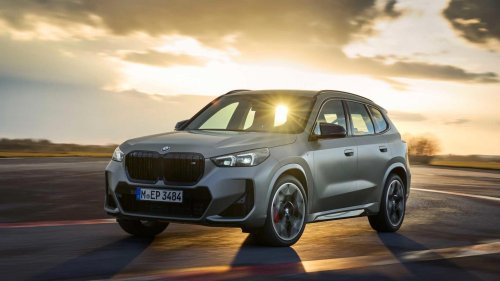



















When most shoppers picture a BMW SUV, they tend to think of the X3 or X5, the brand’s bread-and-butter models that perfectly balance performance, luxury, and practicality. But beneath these familiar names lies a compact crossover that rarely gets the same recognition despite being a key part of BMW’s global success: the BMW X1. Once seen as a gateway into BMW ownership, the X1 has quietly evolved into one of the brand’s most complete small SUVs, one that blends European finesse with everyday usability.Yet, despite its impressive credentials, the X1 continues to fly under the radar for many buyers. Its positioning at the entry level of BMW’s lineup might make some enthusiasts dismiss it as a “lesser” BMW, while others simply gravitate toward the more popular X3. However, the latest generation of the X1 challenges those perceptions with a sharp design, refined interior, and technology borrowed straight from higher-end models. Here’s why this small SUV deserves a lot more attention than it gets. UPDATE: 2026/02/24 We have updated this article with more context and images. BMW’s SUV Lineup At A Glance Lyndon Conrad BellBMW’s SUV lineup, dubbed the “X Series,” stretches from the compact X1 to the three-row X7, covering nearly every niche in the premium SUV market. Each model serves a distinct audience: the X3 and X5 cater to those who want the quintessential BMW experience, while the X6 and X7 deliver coupe-inspired or full-size luxury. Then there’s the electric iX range, which signals BMW’s commitment to the EV future.BMWIn this crowded family, the X1 sits at the base, but don’t mistake its entry-level badge for a lack of capability or character. It’s a premium small SUV designed for urban sophistication and light adventure alike. Positioned just below the X2 (which leans sportier) and the X3 (which is roomier and pricier), the X1 delivers the essence of BMW driving dynamics in a smaller, more efficient package. It’s also one of BMW’s bestsellers in Europe, proving that smaller doesn’t always mean lesser, just different priorities. Why The X3 Steals The Spotlight From The Other Small BMW SUVs BMWThe BMW X3 has long been the sweet spot for most buyers; large enough for families, yet compact enough for city use. It’s also the model that best represents BMW’s balance between sportiness and comfort, offering multiple powertrains from efficient four-cylinders to the fire-breathing M40i and plug-in hybrid variants. For many, it’s the default choice when walking into a BMW showroom.BMWIts dominance comes down to perception and proportions. The X3 feels substantial without being unwieldy, offering that “Goldilocks” mix of space and prestige. It sits higher than the X1, offers more cargo room, and delivers slightly more refined handling characteristics thanks to its longitudinal engine layout. In short, it feels closer to the traditional rear-wheel-drive DNA BMW purists admire. This makes it harder for buyers to look past it, even if the X1 delivers most of what they need for less money. BMW’s Most Overlooked SUV For 2026: BMW X1 BMWThe BMW X1 has always occupied an interesting position in the lineup. Originally launched in 2009, it began as a quirky, compact crossover designed primarily for Europe. Over the years, it’s matured into a legitimate small luxury SUV that’s just as comfortable on a winding back road as it is in the urban sprawl. The latest third-generation model (U11), introduced for the 2023 model year, represents the biggest leap yet, both in design and substance.We were bitterly disappointed by the outgoing BMW X1 and would have had a tough time recommending it over a cheaper (and larger) mainstream crossover with more available features. Though we still aren't fully convinced by the sub-compact luxury crossover segment as a whole, the 2023 X1 is an improvement in every measurable metric, and it's now one of the best options in its class.- Jared Rosenholtz, CarBuzzBMWNow built on BMW’s latest FAAR platform, the X1 offers sharper styling, a more premium cabin, and new engine and drivetrain options. With its wider stance, redesigned kidney grilles, and modern LED lighting, it finally looks every bit the part of a proper BMW SUV. Inside, it borrows heavily from the electric iX, with a curved dual-display setup and a minimalist control layout that elevates the entire experience. It’s more sophisticated, more comfortable, and more advanced than ever, yet still doesn’t command the attention it deserves. What Makes The X1 Different? BMWThe biggest difference between the X1 and most other BMW SUVs lies under the skin. The X1 uses a front-wheel-drive-based architecture, unlike the X3 and X5, which are built on rear-wheel-drive platforms. Although in the States, all X1 models come standard with xDrive all-wheel drive. This architecture layout offers more interior space efficiency and a more predictable, comfortable ride for everyday use. It’s a shift from BMW’s traditional performance-first ethos, but one that suits the compact SUV market perfectly.BMWIn practice, this means the X1 should feel light and agile in city driving, with a turning and footprint that make parking and maneuvering easy. The latest generation also promises rides better than ever, with a more composed suspension setup and improved noise insulation. For buyers who spend more time commuting than carving up mountain passes, the X1’s setup feels more sensible than sacrilegious. The optional M Sport package should give it a sporty edge, as it comes with adaptive dampers and steering wheel-mounted shift paddles. X1 Strengths Buyers Should Know BMWPerhaps the biggest strength of the BMW X1 is how much BMW you get for the money. Starting at around $40,000 in most markets, it’s thousands cheaper than an entry-level X3 yet offers nearly the same level of tech and refinement. The cabin materials are high-quality, with soft-touch surfaces, aluminum trim, and the same curved digital display found in far pricier models. It feels thoroughly modern, and the infotainment system (BMW’s iDrive 9 in newer versions) is among the best in the business.BMWUnder the hood, the X1 xDrive28i features a 2.0-liter turbocharged inline-four producing 241 horsepower and 295 pound-feet of torque, plenty for daily driving, with a brisk 0 to 60 mph time of 6.2 seconds. This engine is mated to a seven-speed dual-clutch automatic. Fuel economy is another highlight for this trim, averaging around 28 mpg combined. In short, the xDrive28i delivers a balanced mix of performance, efficiency, and refinement all in a manageable size that suits today’s urban lifestyle.BMWThose looking for more performance can spring for the M35i, which pumps the power output up to 312 horsepower, and it comes with adaptive dampers and upgraded brakes. On the road, it should offer sharper handling and a more exhilarating driving experience over the base model. However, given what the SUV is designed for (city driving), the M35i may feel too firm or enthusiastic for everyday driving conditions. xDrive and the seven-speed DCT remain standard here, too. Where The X1 Falls Short BMWDespite its many strengths, the X1 isn’t without compromises. The biggest critique from enthusiasts is its front-wheel-drive origins, which inherently limit the dynamic sharpness associated with traditional BMWs. While the xDrive system mitigates this by sending power to the rear wheels when needed, purists will still notice the difference in balance and steering feel compared to an X3 or 3 Series. It should still be fun, but not thrilling, and that’s a trade-off some may struggle with.BMWInterior space, while well-packaged, also has its limits. Rear legroom and cargo capacity are respectable for the segment, but not class-leading when compared to rivals like the Audi Q3 or Mercedes-Benz GLA. Additionally, the ride can feel firm over rougher roads if equipped with larger wheels, and the sporty suspension setup may transmit more road imperfections than some buyers expect from a small luxury SUV. Still, these shortcomings are far from deal-breakers for most, especially considering how much else the X1 gets right. 2026 BMW X1 Pricing And Ownership Costs BMWThe 2026 BMW X1 starts at $43,200 for the xDrive28i trim. For this price, you do get a lot of bang for your buck, including standard features such as dual-zone climate control, ambient interior lighting, a power liftgate, and heated front seats. Options include a panoramic sunroof, heated steering wheel, and more. Stepping up to the 312-horsepower M35i will set you back by $52,400, which seems a bit too high for the smallest BMW SUV of 2026. Unless you want all-out performance, it’s better to splurge on the Premium package, which adds a 360-degree camera, a panoramic sunroof, built-in navigation, and a heads-up display. Average Reliability With Low-For-BMW Ownership Costs 2026 BMW X1 top angleThe 2026 BMW X1 scores an Average 76 out of 100 J.D. Power reliability score, and according to iSeeCars, it has an average estimated lifespan of 13.2 years or 134,337 miles. iSeeCars also ranks it as one of the most reliable luxury subcompact SUVs available on sale today, which should reassure those who are stepping into the luxury segment for the first time. RepairPal puts its average annual repair cost at just $915, which is relatively cheaper than average for a BMW. Still, it’s a Bimmer, so expect high service costs. Is The BMW X1 The Right Small SUV For You? BMWIf you’re shopping for a small luxury SUV and want something that feels genuinely premium without overpaying for badge prestige, the BMW X1 deserves a serious look. It’s ideal for city dwellers, couples, or small families who appreciate high-quality interiors, strong efficiency, and the unmistakable BMW feel without the bulk or higher running costs of an X3 or X5. The latest generation has elevated the model to a point where it feels like a scaled-down luxury SUV rather than an entry-level compromise.If we had to recommend an entry-level subcompact crossover, the X1 would now be right at the top.- Jared Rosenholtz, CarBuzzBMWThat said, the X1 won’t satisfy those seeking the raw driving thrill or commanding presence of larger BMW SUVs. It’s more about refinement, convenience, and modern tech than tire-squealing performance. But for most buyers, especially those entering the brand for the first time, the X1 hits the sweet spot between affordability and authenticity. It’s BMW distilled to its most practical form, and for many, it’s the perfect small SUV that’s simply hiding in plain sight.Source: BMW, J.D. Power, CarEdge, RepairPal, iSeeCars