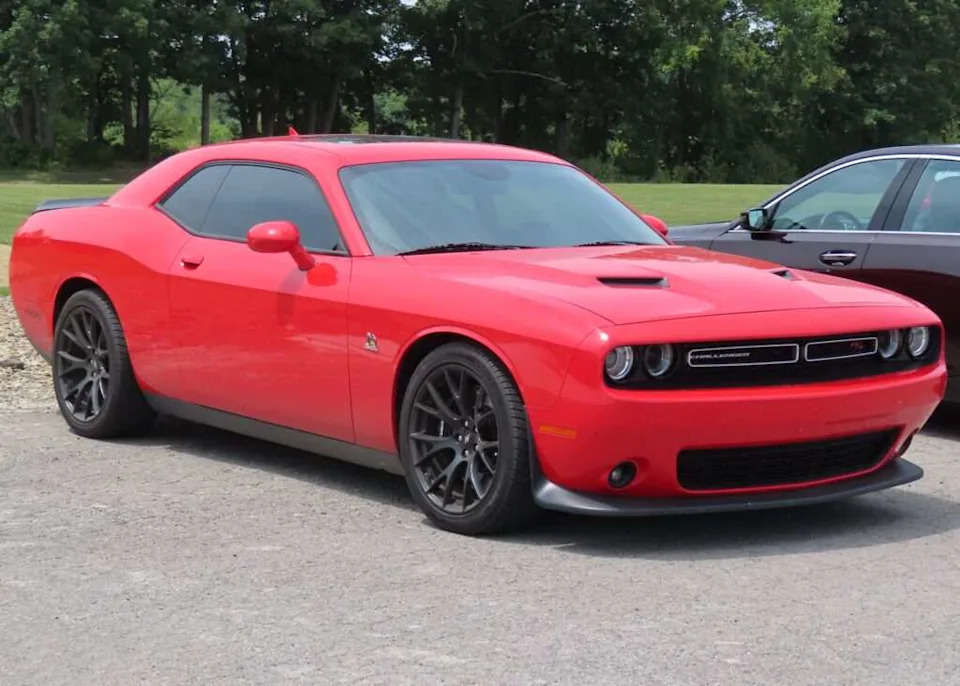
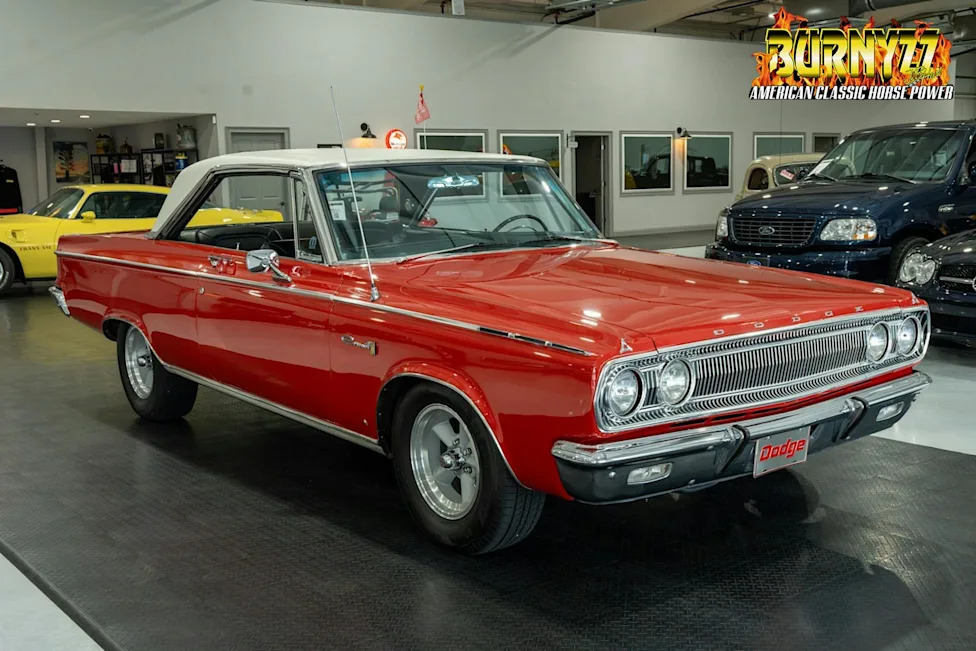
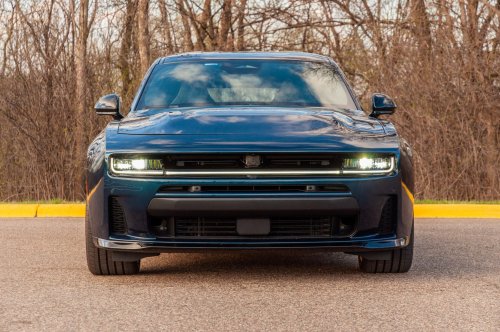
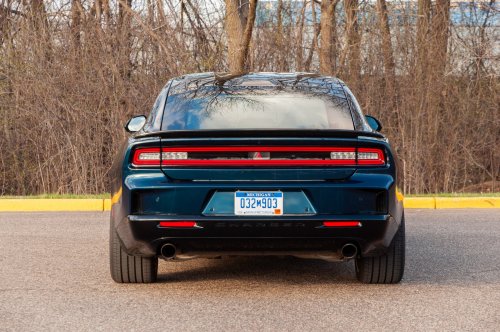
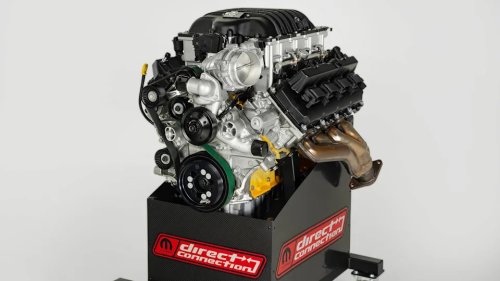
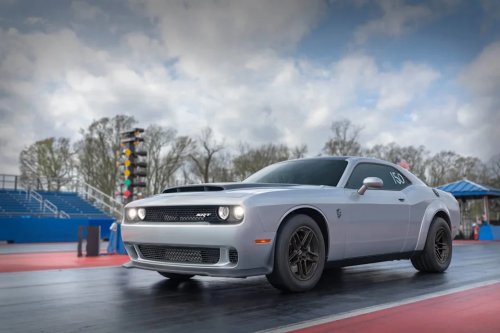
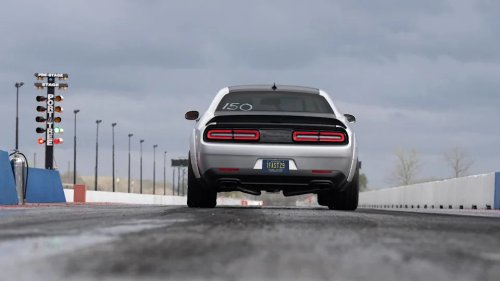
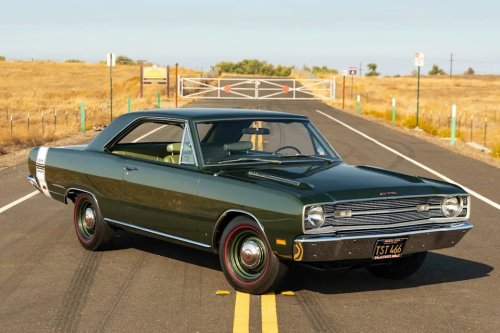
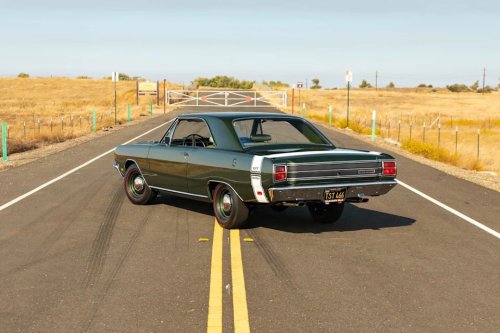
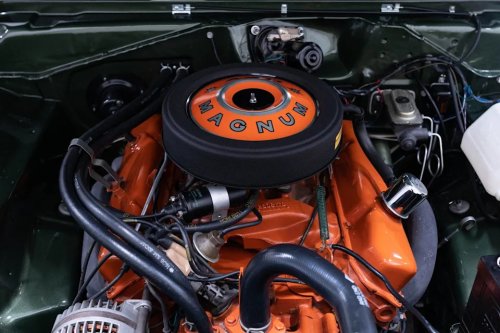
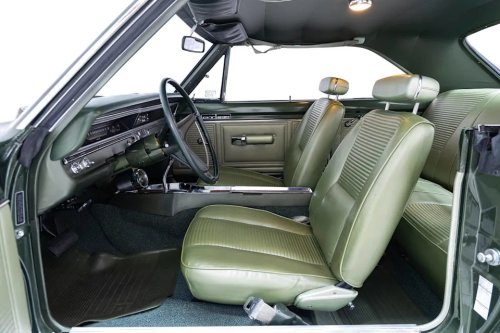
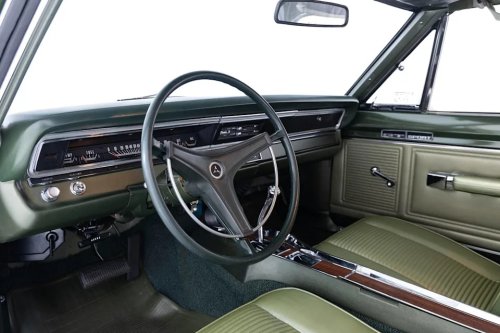
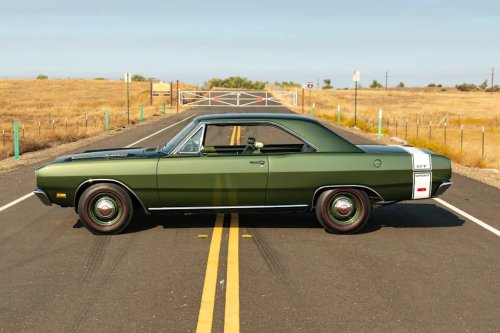
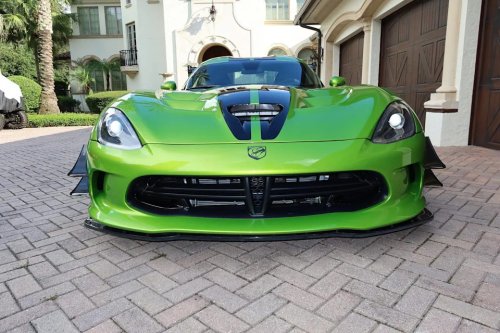
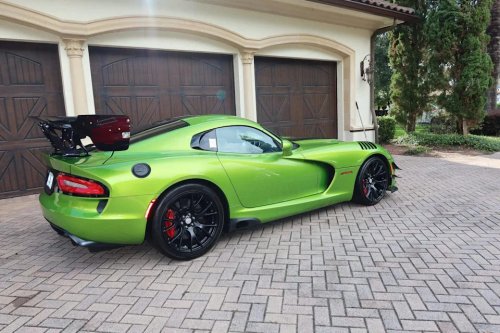
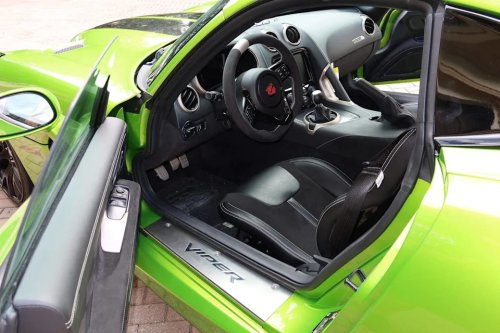
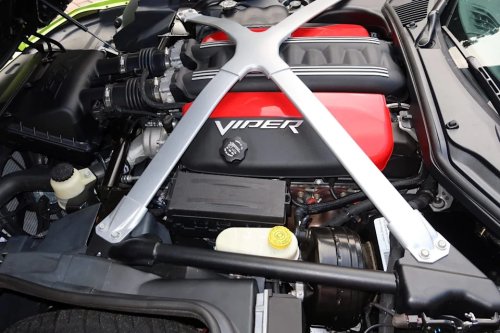
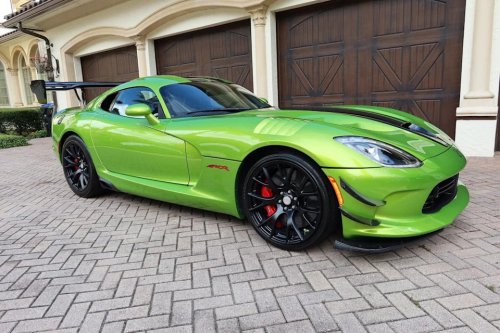
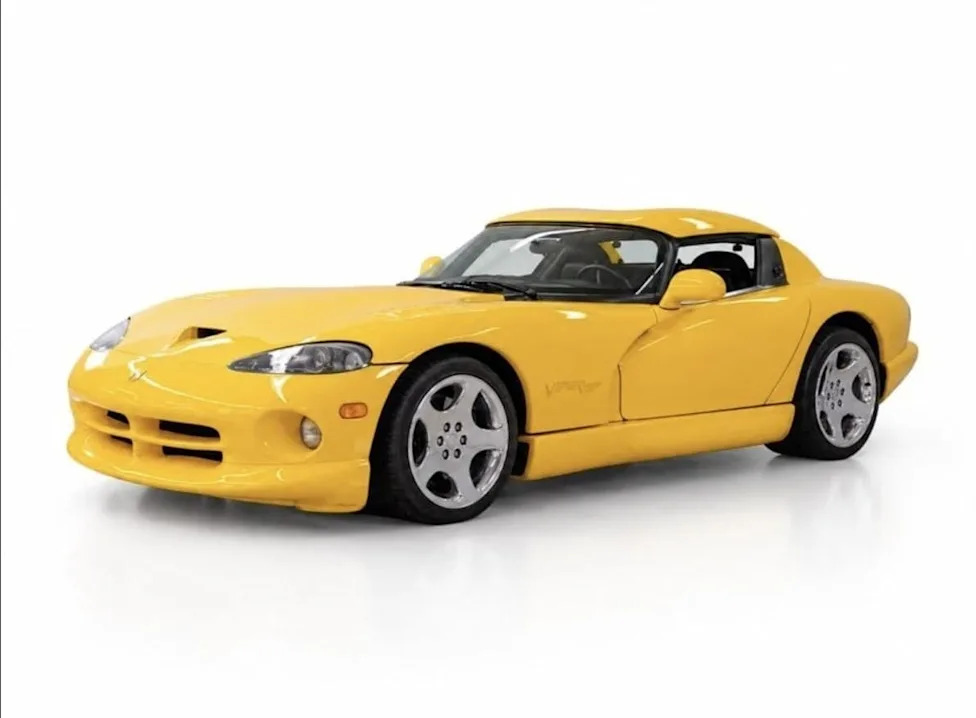
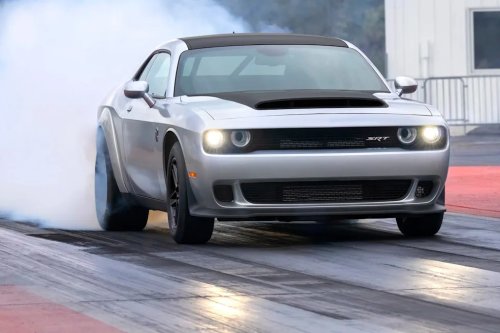
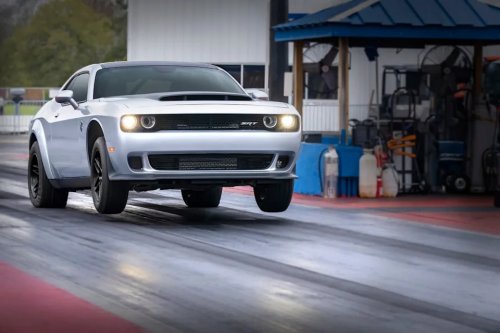
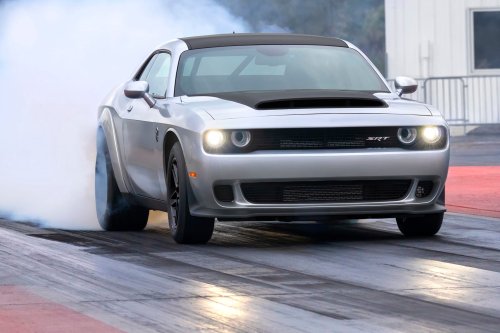
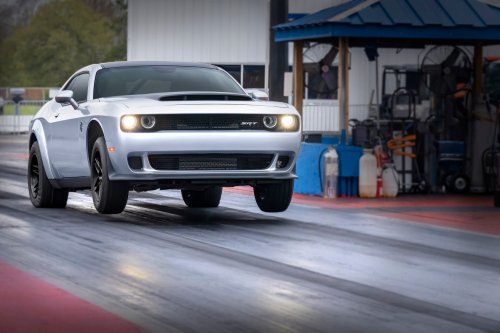
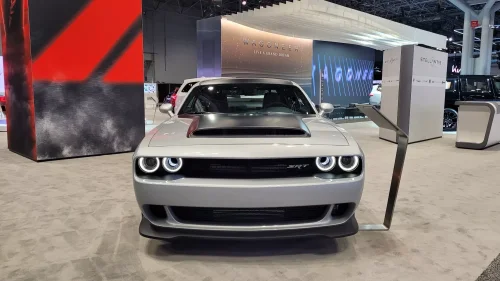
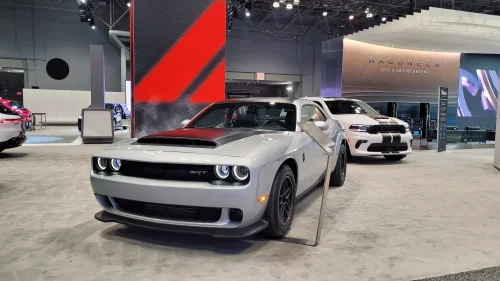
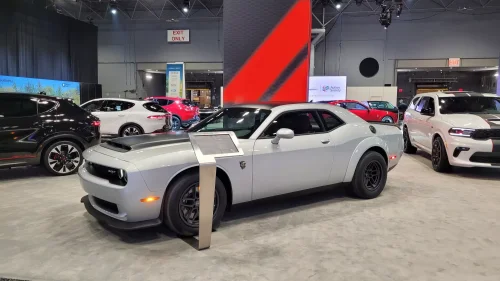
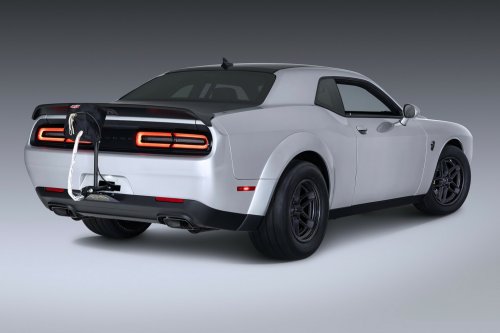
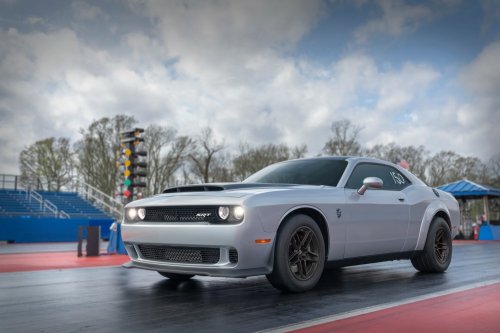
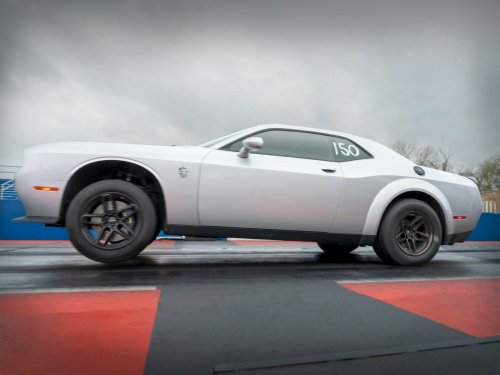
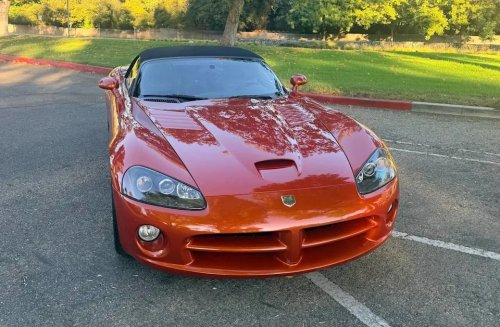
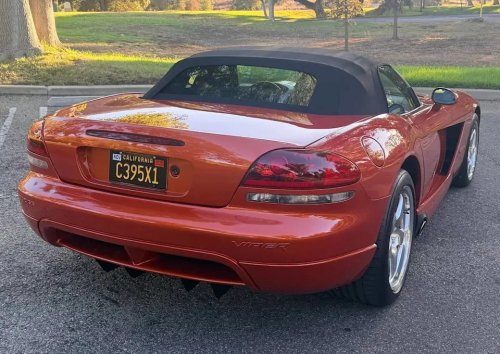
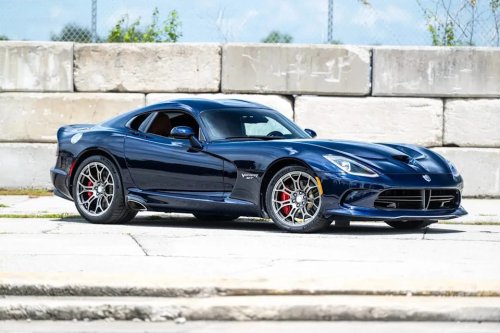
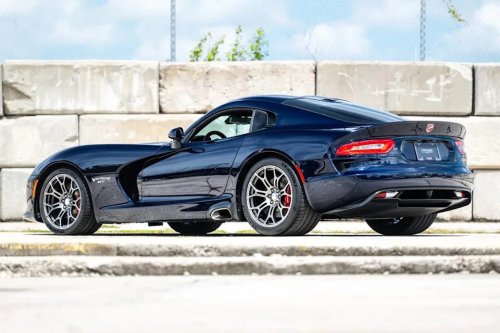
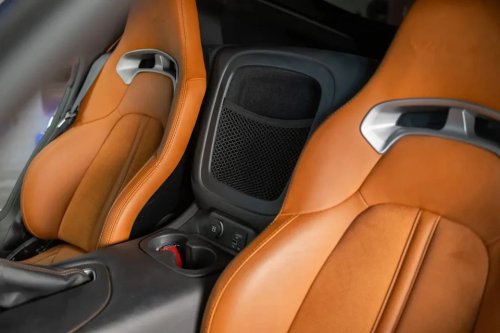
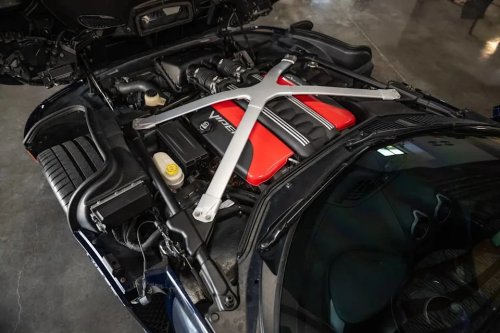
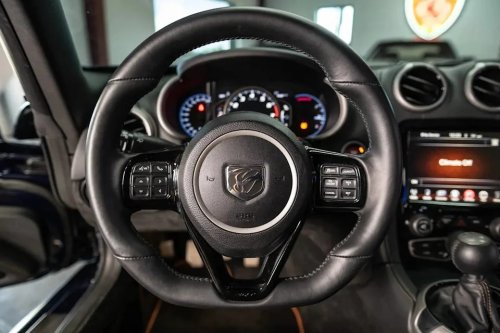
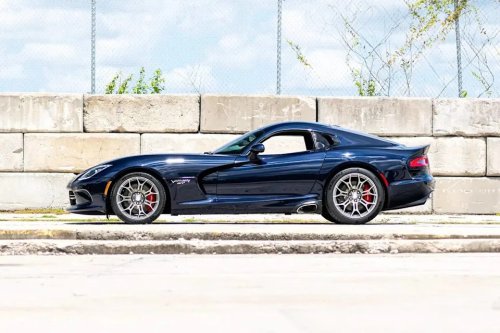
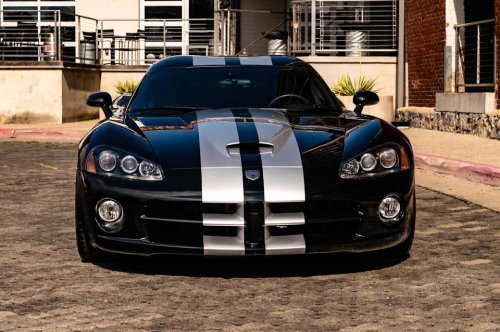
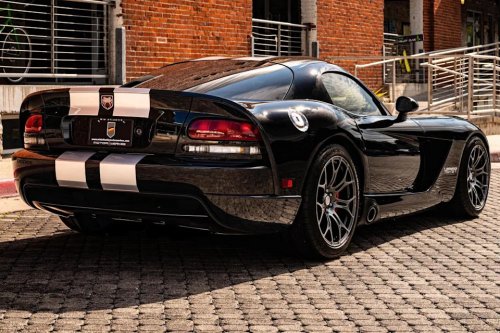
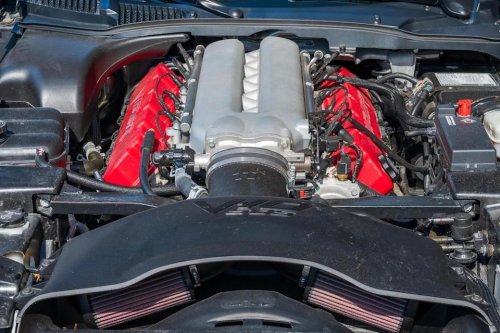
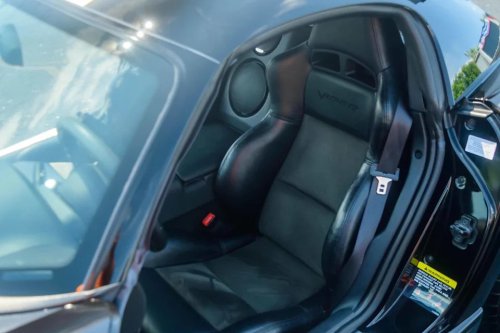
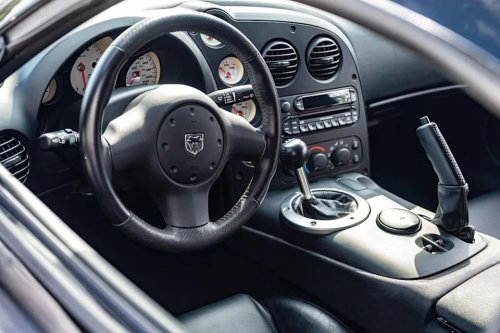
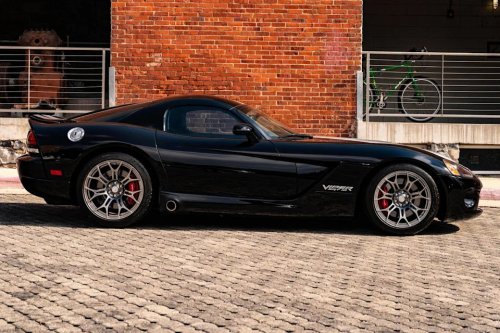
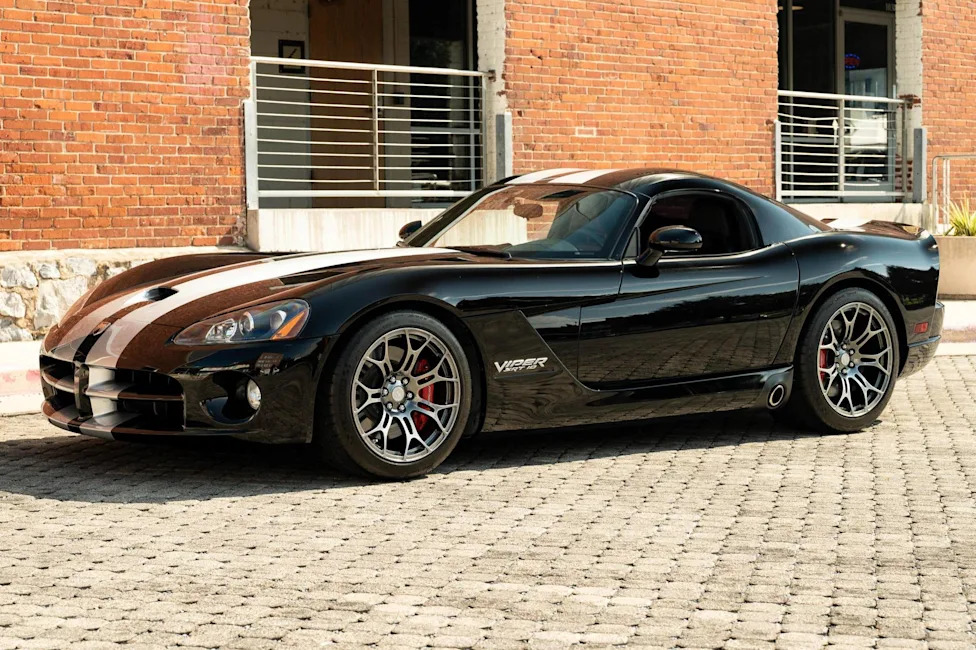
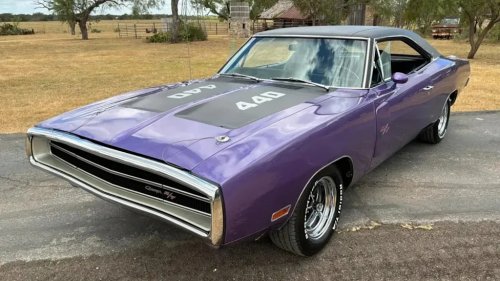
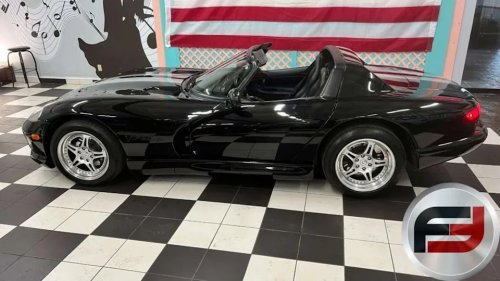
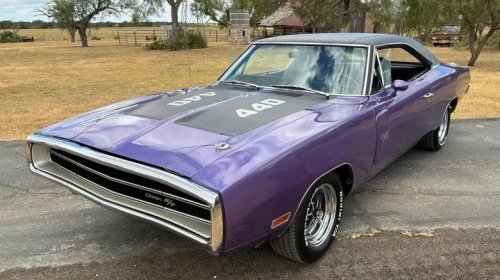
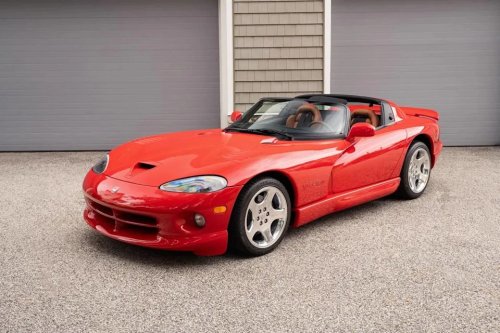
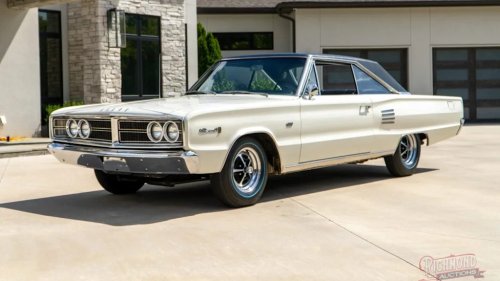
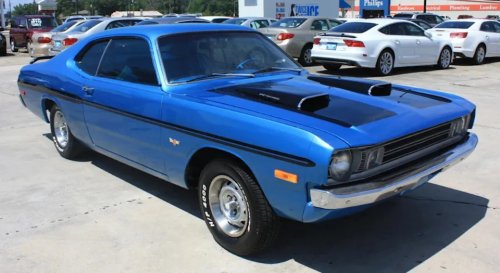
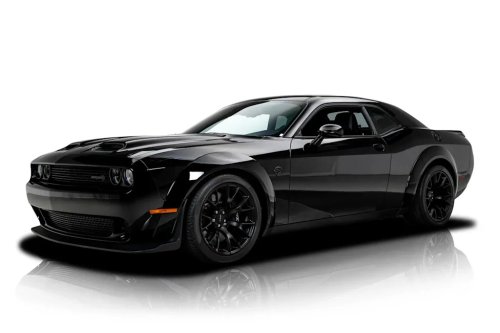
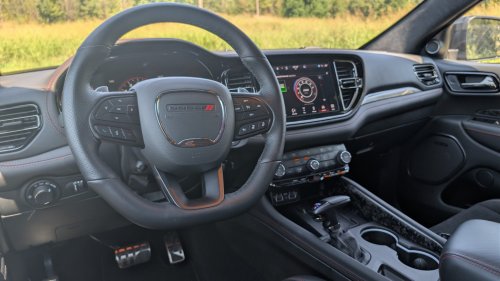
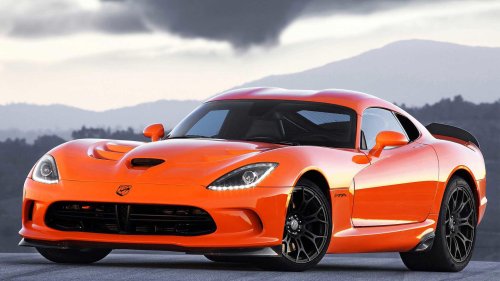
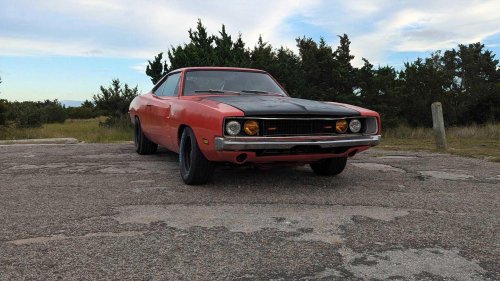
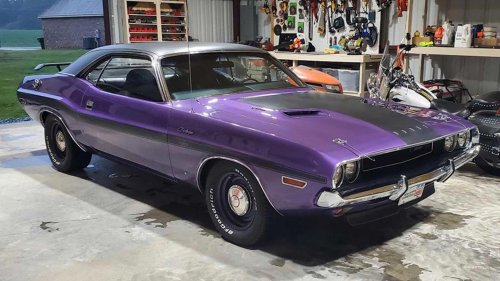
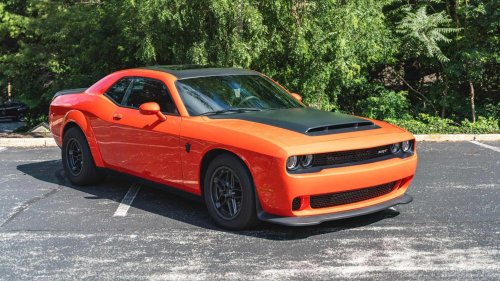
Picking a favorite Dodge car is kind of hard for some of us to do. But not if you are Hank. Hank has been a part of the HotCars team for a while now, and he builds his own cars in his own garage. Talk to him about Dodge and he will just not stop yapping away. That is the kind of impact that the legendary American car maker has had on many people though. From iconic and legendary cars to America's most insane sports car ever, Dodge has given us great memories.The brand’s back catalog is a jukebox of American attitude, and the songs are all played in V8 or V10. For our team, most of us are like Hank, and have great memories of Dodge cars from our life. That means starting with a modern snake that finally learned ballet, detouring through a late-’60s thundercloud with taillights, and landing on a purple time machine that smells like fuel and summer. The throughline is clear: Dodge builds machines that measure more than speed. They measure memory. And these are our favorite.Welcome to Mopar Week on HotCars—your pit lane for all things Dodge, Chrysler, Plymouth, Jeep, Ram, and SRT. All week long we’re dropping exciting content. From classic B-bodies and ’Cuda legends to Hellcat/Demon face-offs, Scat Pack essentials, TRX thrills, and the new-age performance era, this is where Mopar faithful get their fix. 2014 Dodge SRT Viper TA DodgeThe Viper, especially in its Time Attack tune, is the moment Dodge’s chaos got canonized. Before the TA, the Viper was an icon you respected at arm’s length—long hood, truck-sized V10, and the ever-present suspicion that the car would rather headbutt a guardrail than show restraint. With the 2014 SRT Viper TA, Dodge turned that dare into a discipline. The chassis is stiff enough that every micro-correction has meaning. The aero is purposeful, not decorative, and the brakes feel like they’re petitioning gravity to calm down. You still get the signature V10 thunder, but the melody is tighter, the rhythm more predictable, and the result is a car that can hunt apexes without scaring the timing beacons. It didn’t sand off the Viper’s fangs; it taught them to bite precisely.Seyth put it best when he said this.“I reviewed the 2014 SRT Viper TA when the car launched, and it absolutely captured my imagination. Early Vipers were a vibe, of course, but more untethered muscle cars than Porsche 911 competitors. The Viper TA seemed to rectify a lot of that: still possessing the beastly charm of the 650-hp V10, but with enough grip and rigidity to be seriously quick on a track. MOPAR products are often muscled up, but very few have the poise and subtlety of this very special Viper.”In other words, the TA is the same rock concert—now held in a hall built for acoustics. 1969 Dodge Charger Hank O'Hop Valnet The 1969 Charger is the kind of car that can cruise into a parking lot like it already owns the lot. This car is presence in sheet metal: the recessed grille is a sneer, the flying-buttress roofline a flex, and the long, brutal proportions a billboard for menace. It isn’t trying to be light on its feet; it’s trying to bend the street to its will. Big-block options made sure the bark had bite, but even a quiet ’69 Charger looks fast sitting still, like it has a personal gravitational field that rearranges air and opinion. Everything about it radiates inevitability—the kind of shape that’s so right it feels obvious, like it grew this way on purpose. Hank’s connection to the car runs as deep as the quarter panels.“The 1969 Dodge Charger is my all-time favorite. My dad filled my childhood with stories of his Charger, essentially programming me to be a Mopar nut. I spent my entire life obsessing over the menacing presence of the car and eventually tracked his down and yanked it from a field as a teenager. I have been restoring, modifying, and driving it since.”It’s hard to argue with that kind of inheritance. The Charger doesn’t just move; it migrates through generations. 1970 Dodge Challenger R/T Classiccars.com The ’70 Challenger R/T sits in a different corner of the Mopar cathedral, where audacity is painted in Plum Crazy and the throttle teaches vocabulary. As a car, it’s the E-body sweet spot—shorter and a touch lighter than the B-body bruisers, with a cockpit that feels like it was drawn by someone who wanted the driver to sit inside the idea of speed. The 440 Six-Pack setup is deliciously overkill: three Holleys perched like a flock of hungry birds, a manifold that looks like a dare, and a torque curve that arrives early and overstays its welcome. The pistol-grip shifter is a handshake you don’t forget, and the whole car communicates in visceral Morse code—rumble, whiff of fuel, shake, hush, whoa. It’s imperfect in the ways that make machines lovable: it trundles when cold, it wanders on crowneback roadsds, and it rewards attention with the kind of feedback that modern systems filter out. And then there’s my story—the reason this car is tattooed on my brain.My uncle had one, purple with the Six-Pack and that pistol-grip, and the first time I saw it I was a kid pressed against a screen door at a family barbecue. The backyard started trembling before the engine actually caught. He’d tap the carb tops with two fingers, like he was waking up old friends, and say, “Stand back unless you like spicy eyebrows.” Every summer after that, I counted down the days to the ceremonial start. We’d go for dusk drives, the kind where the sky is a bruise and the streetlights haven’t committed yet. Vinyl seat squeak, AM radio static, the thrum climbing through the door and into my ribs—those drives felt like stolen time. I learned the car’s language: the lumpy idle that smoothed with heat, the slight pause before the secondaries joined the party, the way the rear end lightened just enough under throttle to feel mischievous but not malicious. That Challenger didn’t just move me; it was one of the very few cars that made me the gearhead I am today. Honorable Mention: Dodge Challenger SRT Demon 170 RDSINEOS via CarsAndBids.com Of course, being journalists and inveterate seat-time bandits means we also sample the modern Mopar pantheon. The Hellcat-era cars are absurd in the best possible way. They are what happens when Dodge looks at the horsepower war and brings a trebuchet. The first time I opened a Hellcat, the horizon packed its bags and came to meet me. The supercharger whine is a chorus line you hear with your chest, and the thrust turns straight roads into optical illusions. But when it comes to true muscle performance, the Demon 170 is where it's at.I still remember the first time I strapped into the Challenger SRT Demon 170 a few years back—the way it bristled at idle, then detonated forward like a slingshot when I eased onto E85 and let it rip. The numbers were insane—four digits of horsepower, quarter-mile bragging rights—but what stuck with me was how factory-clean and daily-drivable this monster felt between runs. Transbrake engaged, drag radials warmed, it put down the kind of launch that reprograms your inner ear, yet I could trundle it back to the pits with the A/C humming. As Dodge’s “Last Call” mic-drop, the Demon 170 is a true legend.And yet, for me, it doesn’t dethrone the Challenger. Not because it lacks character—it has enough for a census—but because it is heroism on demand, a miracle that repeats itself so reliably you almost stop believing in miracles. The old Challenger asks for partnership. It rewards timing, empathy, and a willingness to let a little chaos into the cockpit.So that’s the map of our Mopar hearts. The Viper TA is Dodge’s proof of concept that ferocity can be precise without being polite. The ’69 Charger is attitude distilled, a rolling myth that survives because it looks like it should. And the ’70 Challenger R/T 440 Six-Pack is the one that made me a believer.



















 +68 others