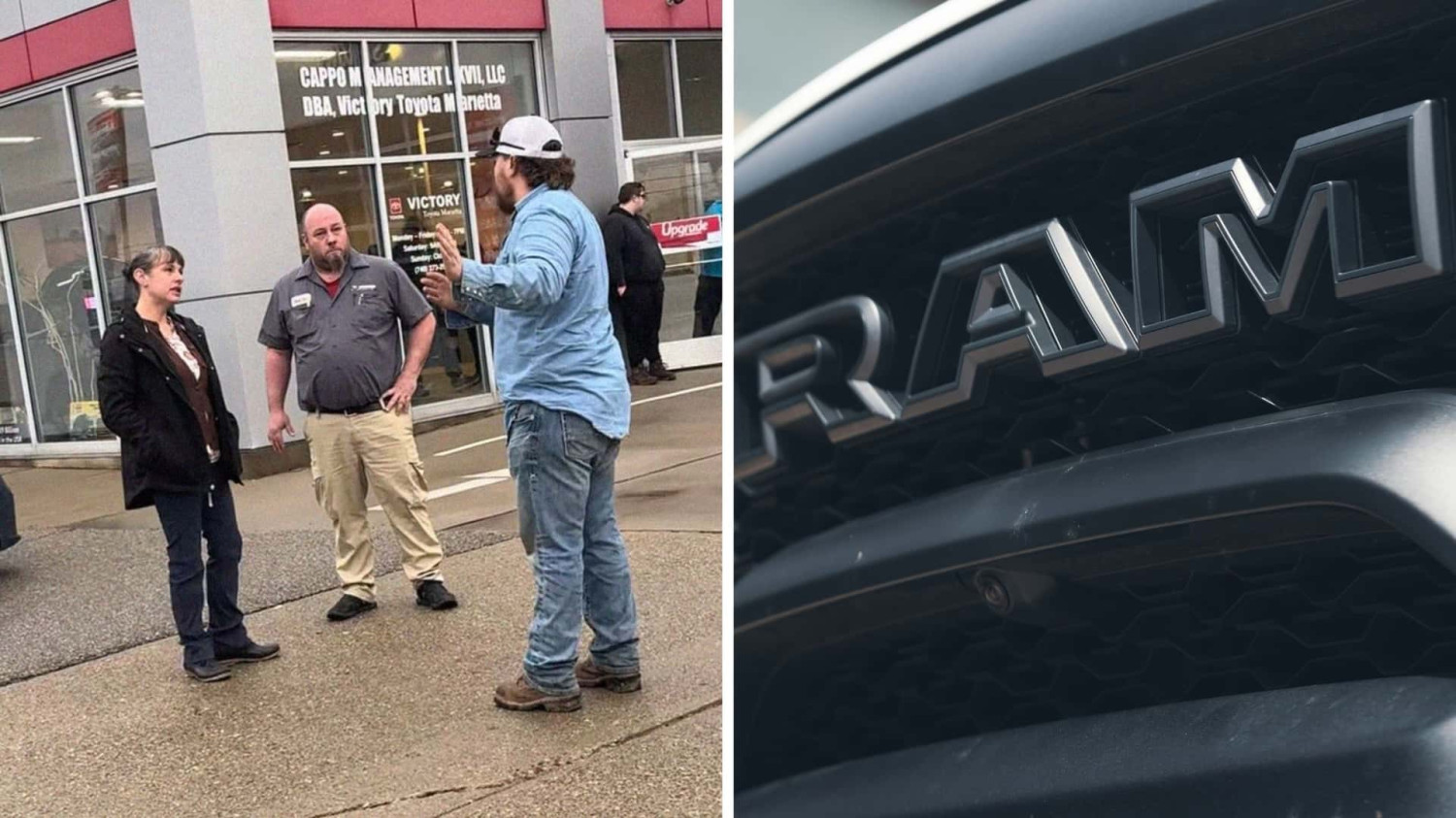
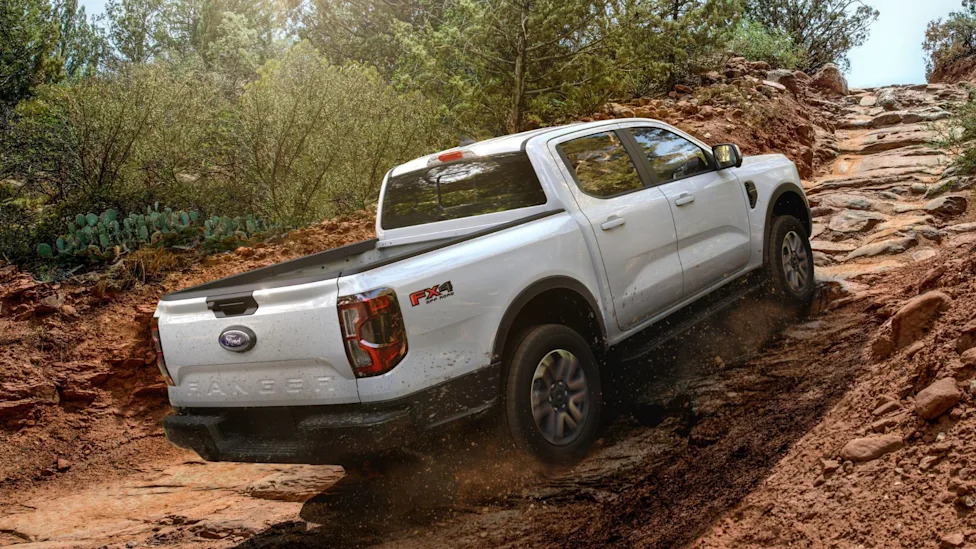
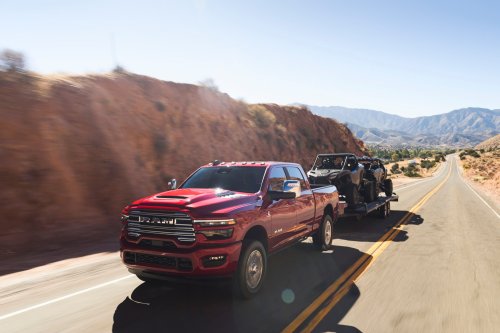
I scheduled a test drive for a specific truck, but when I arrived the salesman said it had “just been promised to someone more serious”It’s one of those moments that makes you blink twice, like you misheard the punchline. A buyer shows up for a scheduled test drive of a specific truck—confirmed time, confirmed stock number, the whole responsible-adult routine—and gets greeted with a shrug and a line that stings: it’s “just been promised to someone more serious.” That phrase is doing a lot of work, and none of it feels great. It implies your time doesn’t count, your intent is questionable, and your appointment was more of a suggestion than an agreement. And it’s happening often enough that shoppers are comparing notes, wondering if this is just sloppy dealership process or something more deliberate. A familiar story: the appointment that wasn’t The setup is usually the same. You find the exact truck online—trim, color, mileage, price—call or message to confirm it’s available, and someone schedules you for later that day or the next morning. You might even get a friendly text that says, “Yes, it’s here. Ask for me when you arrive.” Then you show up, maybe after rearranging work, childcare, or a long drive, and suddenly the truck is “in transit,” “at detail,” or the classic: “We just sold it.” In this case, the salesperson’s twist—“promised to someone more serious”—adds a little extra insult, like the buyer should apologize for taking the appointment seriously. What “promised” can actually mean inside a dealership Dealerships don’t always operate on a clean, first-come-first-served schedule, especially for popular trucks. “Promised” can mean a few things: a customer put down a deposit, a manager agreed to hold it pending financing, or another salesperson is working a deal that’s close to signing. Sometimes it’s as informal as a customer saying, “I’ll be back after lunch,” and the store deciding that’s good enough to pause other showings. Here’s the tricky part: an appointment to test drive isn’t necessarily treated like a reservation. Many stores won’t consider a vehicle “off the market” until there’s money on paper—deposit, signed buyer’s order, or a hard finance approval. So you can have a real appointment and still lose the truck to someone who showed up earlier with a checkbook and a determined expression. But that “more serious” line? That’s the red flag Even if the truck legitimately became unavailable, the wording matters. Saying it was sold or pending a deposit is one thing; saying it was promised to someone “more serious” is another. It’s a social shove meant to reposition you from “customer” to “time-waster,” and it’s oddly effective at making people doubt themselves. If a salesperson talks like that, it often signals a store culture that prioritizes pressure over clarity. It can also be a way to push you toward a different, less desirable truck on the lot. When the exact unit you came for disappears, the backup plan is conveniently parked out front with a “today only” vibe. Is it bait-and-switch, or just bad inventory management? Sometimes it’s plain chaos. Online listings can lag, multiple salespeople can schedule overlapping appointments, and a manager can greenlight a deal without updating the team. Trucks move fast, and the left hand doesn’t always tell the right hand it just accepted a deposit. But shoppers should also know that “come on in, it’s available” is a classic traffic-building move. Not every instance is a formal bait-and-switch, but the effect can be similar: you arrive for one truck, and the conversation quickly pivots to something else. If the store won’t show you documentation that it’s pending or sold, and they immediately start steering you to pricier options, your suspicion isn’t paranoid—it’s practical. What you can do in the moment (without turning it into a scene) Start simple and stay calm: ask, “Can you clarify what ‘promised’ means—was there a deposit, a signed agreement, or is it just being held?” You’re not accusing anyone; you’re requesting specifics. A straightforward answer tells you whether this is a legitimate timing issue or a fuzzy story. Next, ask for alternatives that match the original terms. Same price range, similar mileage, same trim if possible. If the response is instantly “Well, we have this one that’s $6,000 more,” you’ve learned something valuable about the day’s agenda. The best prevention: confirm the hold rules before you drive over If you’re scheduling a test drive for a specific unit, ask two questions on the phone or in writing. First: “Can you confirm the stock number and that it’s physically on-site right now?” Second: “What does it take for you to hold it until my appointment time?” Some dealers will hold a vehicle with a refundable deposit, others won’t hold anything, and some will hold it for a short window as a courtesy. None of these policies are inherently wrong, but you want them stated plainly. If someone dodges the question or gets weirdly offended by it, that’s your cue to protect your afternoon. Why trucks make this worse than other vehicles Trucks are a perfect storm: high demand, fewer configurations, and shoppers who often have very specific needs—towing packages, bed length, payload ratings, or a particular engine. When a truck matches a buyer’s must-have list, it becomes a magnet. That’s why stores sometimes treat them like hot potatoes, passing them to whoever seems most ready to close. Add in online pricing and competitive markets, and the pressure ramps up. A dealer may worry that a shopper coming in “just to test drive” will use the experience to buy elsewhere. That fear doesn’t excuse dismissive behavior, but it explains why some sales floors act like every interaction is a race. What dealers could do better (and what good ones already do) The fix isn’t complicated: transparency and basic respect. A good store will tell you if they can’t hold a vehicle without a deposit, and they’ll warn you if another customer is actively negotiating. They’ll also offer options—“If it sells before you arrive, here are two similar trucks we can show you”—instead of waiting for you to show up and be disappointed in person. And the best salespeople avoid loaded language. They don’t rank customers by “seriousness” like it’s a talent show. They explain the status, apologize for the inconvenience, and try to salvage the experience without blaming the person who did exactly what they were told. If it happens to you, it’s okay to walk There’s a quiet power in saying, “Got it. Thanks for your time,” and leaving. You don’t owe anyone your patience after your appointment gets treated like a placeholder. If the dealership can’t manage a scheduled test drive—or chooses not to—imagine how smooth the paperwork and post-sale support will be. Plenty of buyers find a better deal and a better experience simply by switching stores. And if you’re still hunting for that exact truck, ask the next dealership for a written confirmation of the stock number and their hold policy. It’s not dramatic; it’s just the grown-up version of making sure the pizza actually got ordered. More from Fast Lane Only Unboxing the WWII Jeep in a Crate 15 rare Chevys collectors are quietly buying 10 underrated V8s still worth hunting down Police notice this before you even roll window down The post I scheduled a test drive for a specific truck, but when I arrived the salesman said it had “just been promised to someone more serious” appeared first on FAST LANE ONLY.




















 +14 others