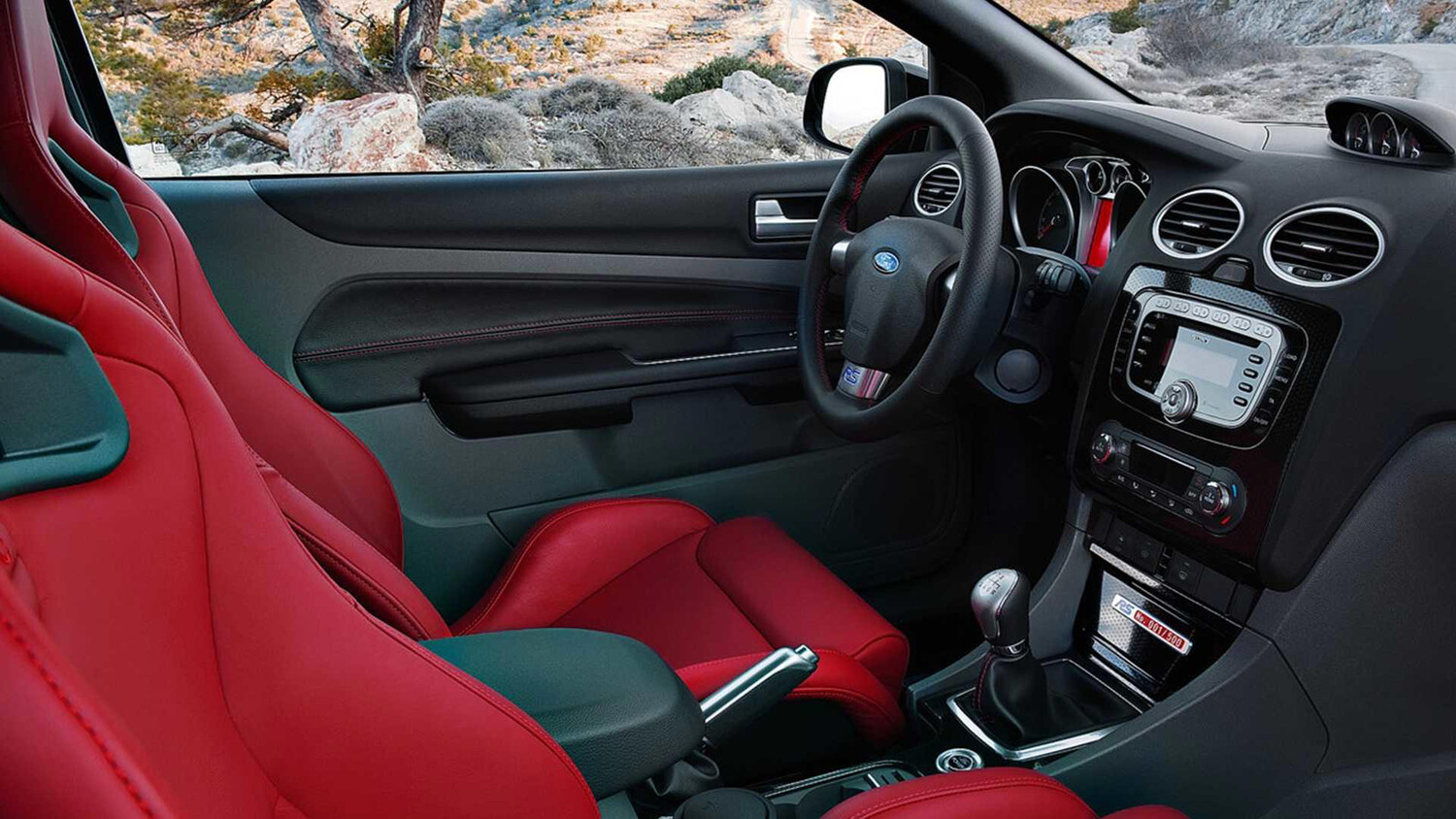
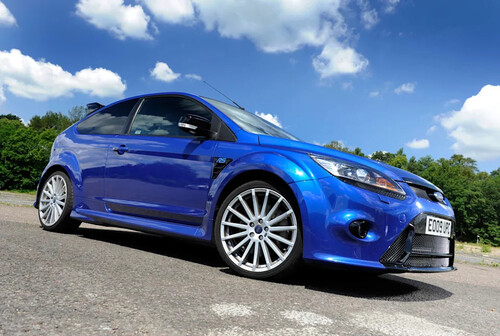
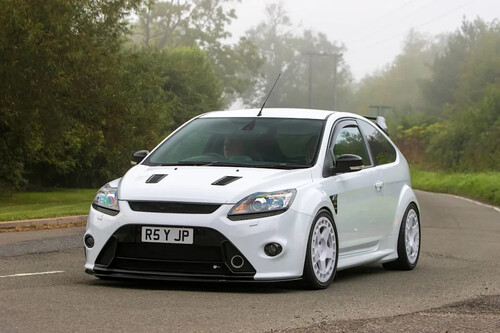
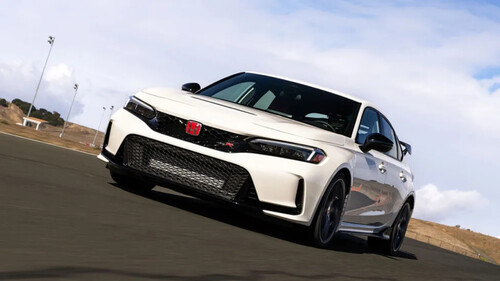
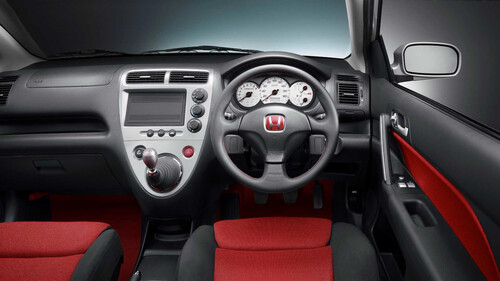
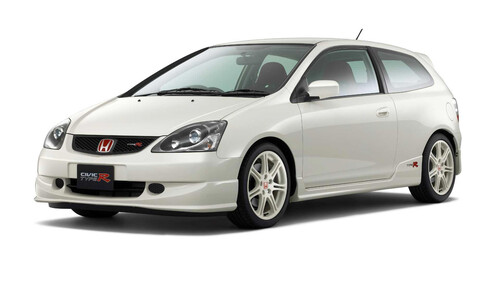
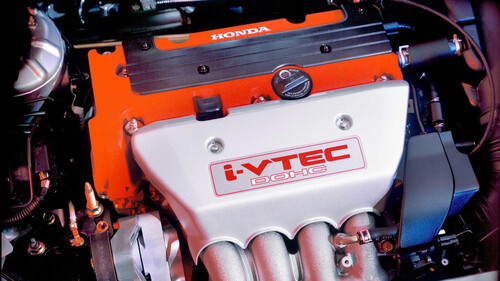
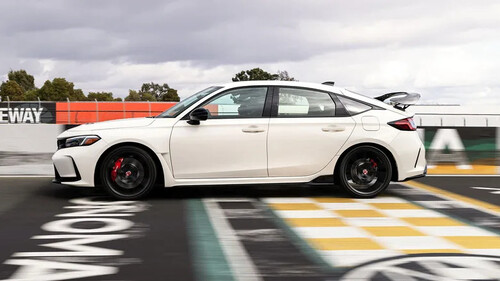
As far as power goes, the trickiest vehicle layout to deal with is front-wheel-drive. As the front wheels also take care of the steering and the majority of the braking, asking them to also deal with a tonne of power can easily overload the tires and severely reduce grip. This is especially obvious when trying to accelerate out of corners with steering lock on, which can cause the wheels to spin up without some sort of clever limited-slip differential. When combined with manual gearboxes though, they can provide an ultra-fun drive. The Ford Focus RS500 Is The Most Powerful FordThe most powerful FWD car to ever feature a manual gearbox is the 2010 Ford Focus RS, which was the most extreme version of the second-generation Focus RS. Ford has only applied the RS badge to its most hardcore models, such as the Escort RS Cosworth and the Sierra RS Cosworth. The Focus was first awarded the RS treatment in 2002, with the first-gen model getting a turbocharged 2.0-liter four-cylinder unit producing 212 hp.The second-gen variant of the car, based on the Mk.2 Focus ST model, arrived in 2009. Gone was the four-pot engine though, and in came a Volvo-sourced turbocharged 2.5-liter inline-five engine. The howling powerplant brought 301 hp to the party, all of which was transmitted through the front wheels. In an attempt to prevent torque steer from firing the car into the nearest object, Ford utilized a Quaife limited-slip differential and a bespoke MacPherson strut front suspension setup called RevoKnuckle.Ford Despite attempts to completely cure it, some torque steer still remained, but to a much lesser extent than without the impressive engineering. In 2010, Ford felt it could push the already-potent Focus RS even further. It duly delivered the RS500, a blacked-out hot hatch beast that became, and remains to this day, the most powerful manual-equipped FWD car ever. It was also the last of its breed to be FWD, with the follow-up 2017 Focus RS being all-wheel-drive. The Five-Cylinder Engine Was Given A Substantial Boost Ford The RS500 was given its name due to only 500 examples being built, the car celebrating the end of the short-lived Focus RS production run. They differed from the standard Focus RS externally due to the matte black body paint scheme and black wheels. Each car was also treated to a metal plaque mounted on the center console that featured a hand-engraved number that represented which of the 500-strong production each was.Rather than keep the RS500 as a badge-engineering project, Ford's Performance department engineers got stuck in the 2.5-liter five-pot engine to extract some more grunt. What resulted was one of the coolest five-cylinder cars ever produced. While they were happy with the unit's low-end power delivery, they reckoned its mid and high-end power and torque levels could be vastly improved. A larger intercooler was introduced to help keep the engine temperatures down under heavy load, allowing it to produce more power, while a larger air filter box was also brought along to increase airflow into the engine.Ford The fuel pump was also upgraded to keep up with the enhanced airflow, while a larger diameter exhaust system was also brought along to the party. Ford also tweaked the engine software to ensure it could take advantage of the extra power being created through the revisions.To make sure the engine remained reliable, updated pistons and connecting rods, as well as more durable cylinder bores and a new head gasket, were added. The result was a boost of around 45 hp over the stock engine, leaving peak output at 345 hp. This was enough to get the car from 0-60 mph in just 5.6 seconds, despite being FWD. The six-speed manual gearbox from the base car was also retained. The Rest Of The Focus RS Was Left Alone Ford Despite extracting around 15% more power from the Focus RS' engine, Ford elected to leave the foundations of the car alone. The RS500 retained the same suspension and braking systems as the base car, while the chassis was left completely untouched too. Having tested the car before release, it found the stock Focus RS setup was more than enough to deal with the extra power, so it left these areas alone. The Focus RS500 Came Fully Loaded FordAside from the bespoke paint scheme and numbered plaque, the RS500 was also treated to special interior trim that included red stitching and a carbon-effect center console. Special red leather Recaro seats were also available as an optional extra. Speaking of extras, the RS500 came with very few of them as Ford included most of its available toys as standard. Extra standard features included a heated windshield, a tire deflation detection system, and automatic headlights/wipers.Ford The only options available for the RS500 were the red leather Recaro seats and a touchscreen DVD infotainment screen, a system that Ford has developed significantly over the past decade or so. Keep an eye out for these when trying to track down an example for yourself, as they'll help add extra value. Focus RS500's Are Worth A Fortune In 2025 Ford That said, you'd better have deep pockets if you want to secure one for yourself. Due to the exclusivity of the model, they demand a high ticket price wherever in the world they end up. According to Classic.com, which collates auction site listings from around the world, the average sale price for an RS500 is $90,694. The cheapest example to go under the hammer was sold for a little over $64,000 in Norway in 2023, while the most expensive went for a shade over $130,000 in the UK back in August 2024. The Honda Civic Type R FL5 Is Another Powerful Manual FWD Weapon HondaShould the Focus RS500 prove a little too expensive, or you can't wait another 10 years to import one, then perhaps the current Honda Civic Type R will be better suited. Like the RS500, it comes with a six-speed manual transmission, though its power comes from a different source. Honda's exceptionally reliable K20C1, a turbocharged 2.0-liter inline-four, sends 315 hp angry horses to the front wheels. As with the Ford, an advanced limited-slip diff helps to keep the front tires in check.It also comes with dual-axis front MacPherson strut suspension, which helps grace the Type R with agile handling, as well as reduce torque steer. Unlike the Ford, the Type R comes with an adaptive damper setup that helps keep the car's pitch and roll under control, either when accelerating or through bends.The Civic Type R is also much cheaper than the RS500, with even brand-new examples starting from $45,895. Used 2023 models of the FL5 can be had for around $41,500 according to Kelley Blue Book, making it around half the cost of many RS500s on the market. It'll likely be quicker around a track too.