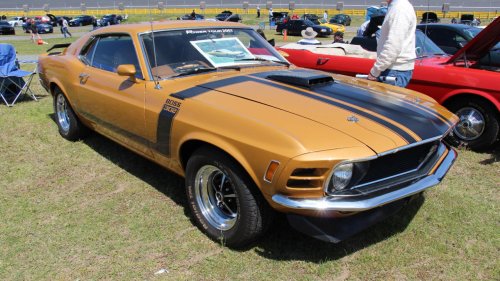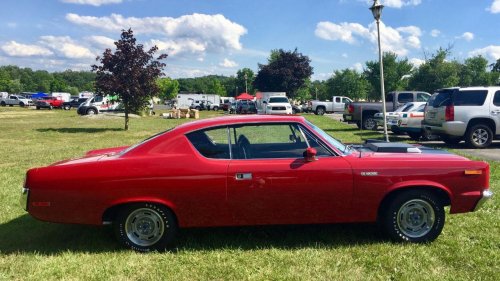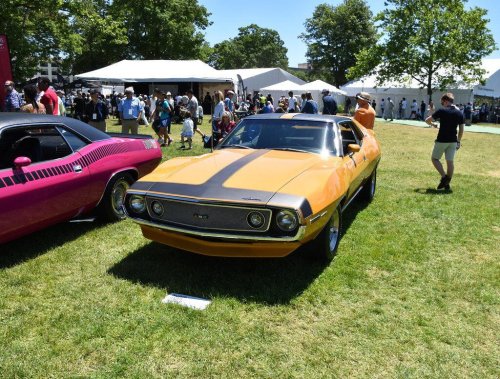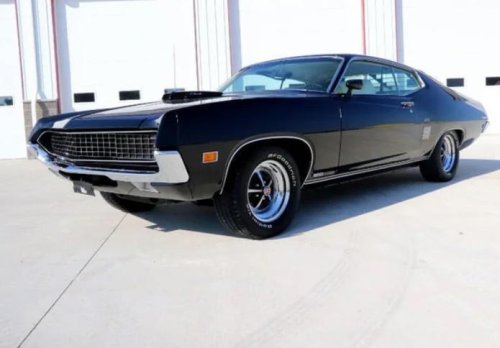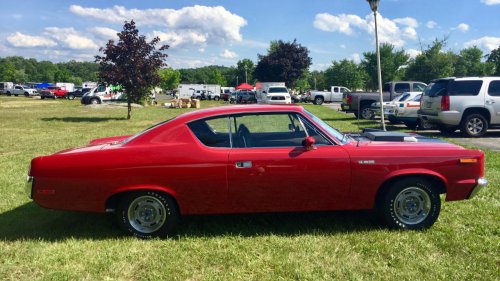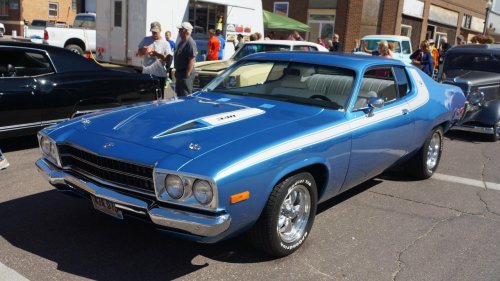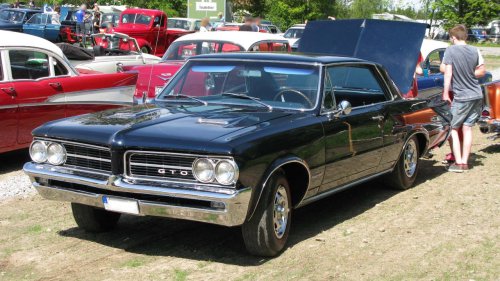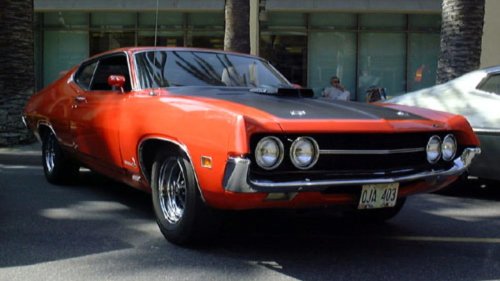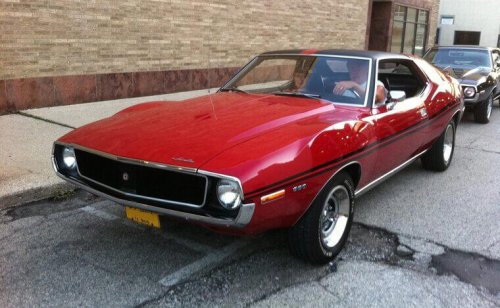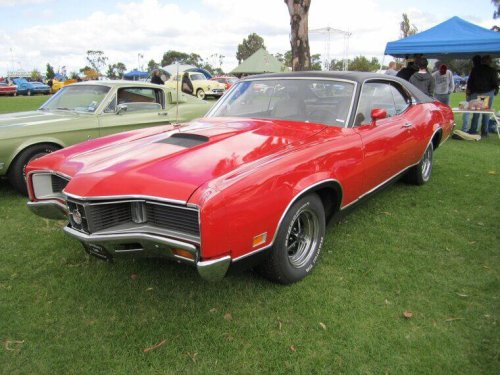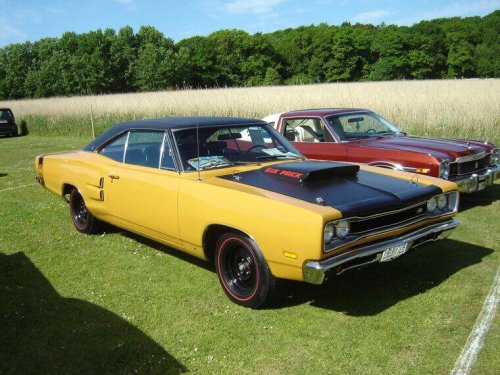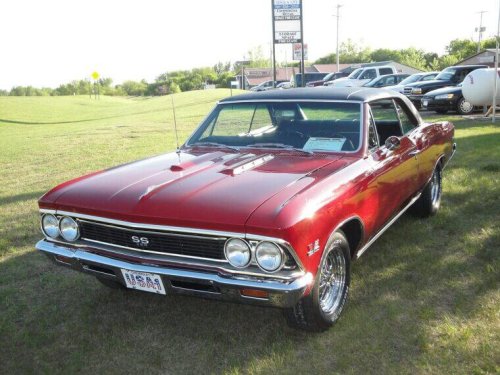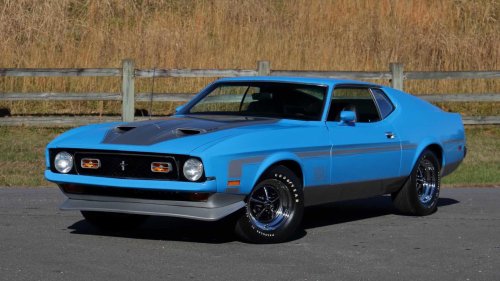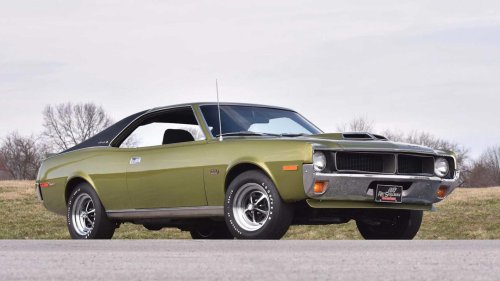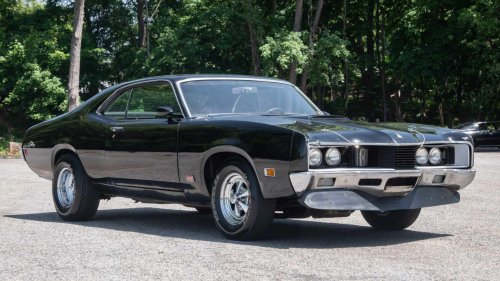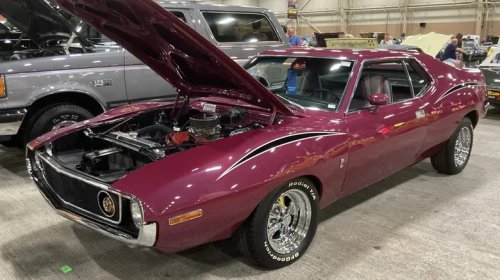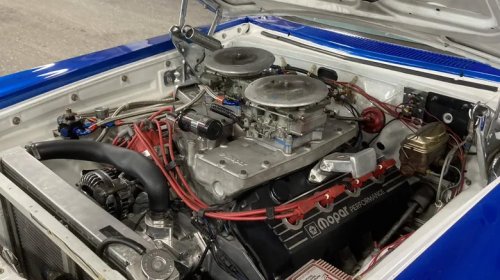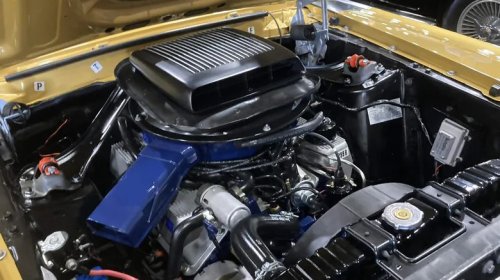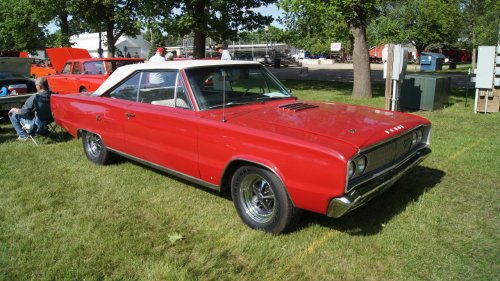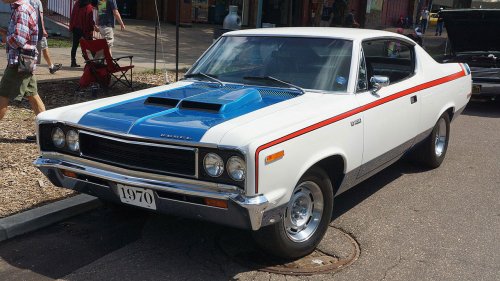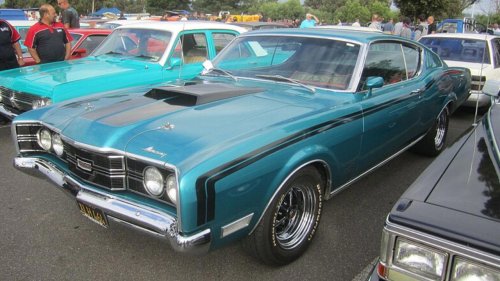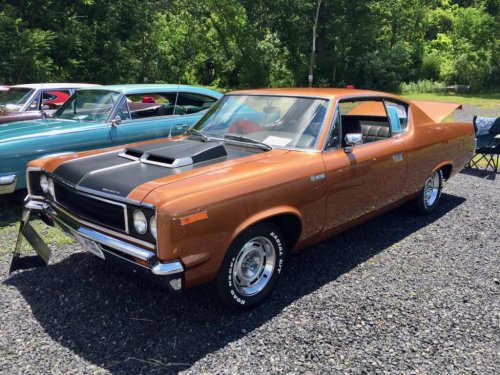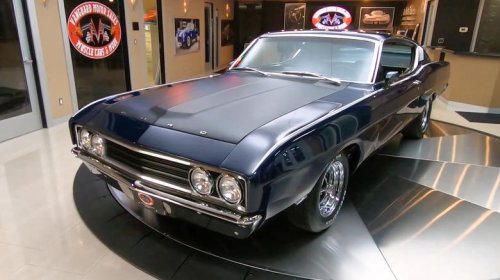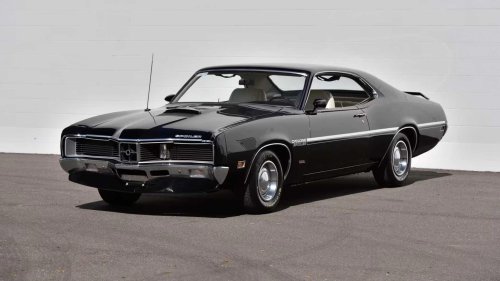
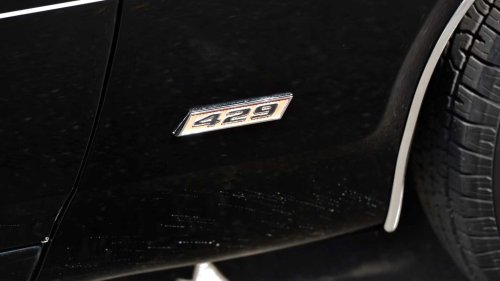
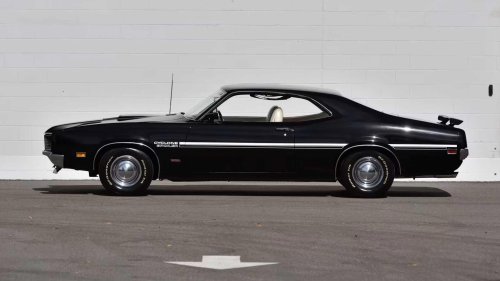
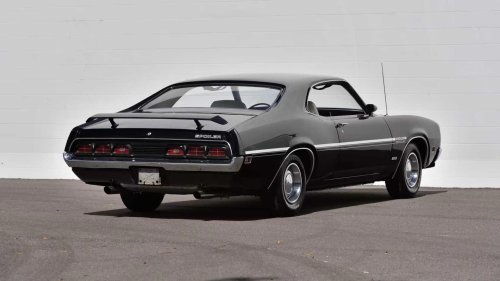
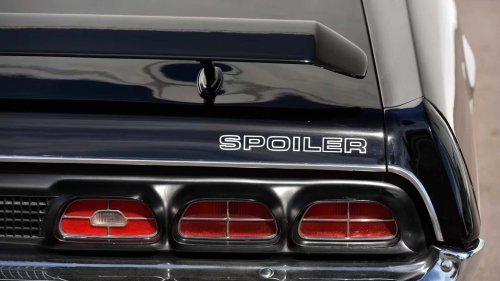
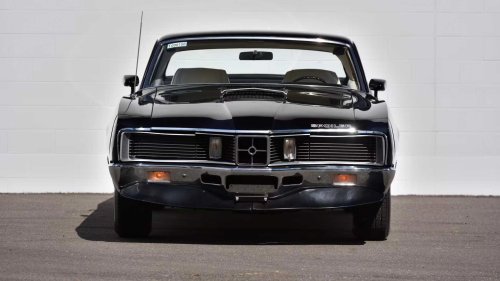
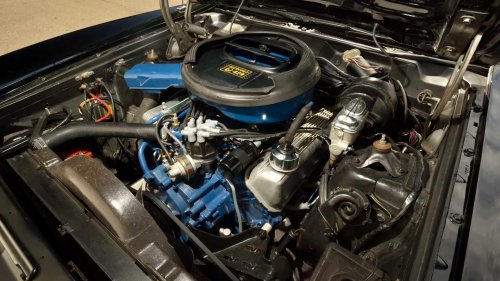
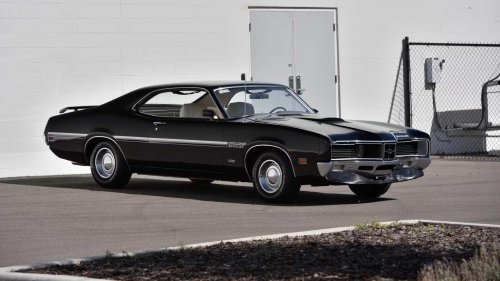
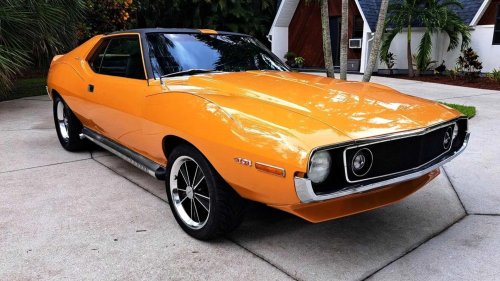



















The world of big block muscle cars is dominated by a few iconic names that defined the era – such as the Chevrolet Chevelle, the Dodge Charger, and the Ford Torino – because they were cars that were as powerful in appearance as they were in their performance. However, there is one particular example that often goes overlooked in conversation, and we feel it stands as an unsung hero of the big block era. This underappreciated machine combines a unique flavor of muscle car design with a potent engine under the hood, offering a driving experience that rivaled its more famous competitors.In trying to find the most underrated big block muscle car of them all, we considered a number of overlooked nameplates, including the Oldsmobile 4-4-2, the Buick GS, the AMC Javelin, and the Plymouth GTX. While those are each deserving of more appreciation than they typically receive, there's still one car that we feel is even more underrated. The Mercury Cyclone Spoiler Is The Most Underrated Big Block Muscle Car Ever MecumMercury Cyclone Spoiler - 9If you have your heart set on finding the most underrated big block muscle car ever made, in our estimation, it'd be the 1970 Mercury Cyclone Spoiler.As a brand, Mercury has always flown under the radar, often overshadowed by other products from the Blue Oval's umbrella. Ford and Lincoln were distinct enough to cater to different buyers, but Mercury was something of an awkward middle child left without a large audience. For this reason, cars like the Cougar weren't especially common in their day, and they're rare sights at most meetups now.MecumAmong the muscle car crowd, the Mustang and the Torino captured regular headlines, but the Cyclone offered its own distinctive flavor of style and performance. In fitting the car with the Spoiler package, Mercury gave the body slippery race-bred refinements, fitted it with Ford's renowned 429 Cobra Jet engine, and topped things off with striking appearance options. Though it managed to race to some success during its NASCAR career, the performance didn't translate to sales on the showroom floor. As such, the Cyclone didn't enjoy the same kind of recognition, leaving it underappreciated in its day and in the years since. The Cyclone Offered A Unique Muscle Car Flavor MecumThe 1970 Mercury Cyclone Spoiler 429 Cobra Jet boasted a uniquely underrated style that set it apart from more familiar muscle cars. Features like the gun-sight grille and hidden headlights gave it an aggressive yet sophisticated look, unlike anything in Ford's lineup. Overall, the Cyclone's design was more refined, and it offered a distinctive, upscale alternative to the mainstream appeal of Ford muscle cars. Unfortunately, however, it didn't really seem to make an impression on the public. Despite its sleek lines, muscular haunches, and bold details, the Spoiler came to market during a time of shifting tides. Performance was less of a priority than in years prior, and buyers were beginning to want something more economic and fuel-efficient. The Spoiler Boasted Hidden Performance Pedigree MecumOn the performance side, the Cyclone Spoiler isn't given enough credit, even with proven NASCAR wins at the hands of Cale Yarborough and Don Nicholson. Nevertheless, the 429 Cobra Jet was a revolution for the Mercury coupe, and its racing pedigree translated to some potent street performance.Aerodynamic refinements, like the functional rear spoiler, were not just for show -- they enhanced stability and downforce, making the car even more capable at high speeds. Aiming to rival Plymouth's Superbird, Mercury even teased a Spoiler II concept, which featured a “beaked” nose and Boss 429 power. While the car never made it into production, it shows the high-performance vision Mercury had for the Cyclone GT. Mercury Gave The Spoiler Cobra Jet Serious Big Block Power Mecum Mercury Cyclone Spoiler Engine Specs HemmingsMuch like the more well-known Pontiac GTO, the Cyclone started its life as an optional performance package before becoming a standalone model. Mercury debuted the name on the Comet in 1964, but it wasn't until 1965 that the Cyclone came to be something unto its own. With each subsequent generation, the car grew more aggressive in its styling and more potent in its performance. The Cyclone entered the market with a Ford 289-cubic-inch V8; by 1970, Mercury had expanded the range to include options like the 429 cubic-inch Thunder Jet.MecumWith the Spoiler package for 1970, Ford's optional Cobra Jet upgrades were standard fare. In fitting the car with a 700-CFM Rochester Quadrajet carb, a higher 11.3:1 compression, and a set of upgraded valves, Mercury yielded some 370 horsepower and 450 lb-ft of torque from the Cyclone. Assuming you still weren't satisfied, you could also order the Drag Pack. An optional 3.91:1 axle ratio brought with it the cream of the crop Super Cobra Jet package. Beyond four-bolt mains, aluminum pistons, and a solid-lifter cam, this meant a new Holley carb, a trick intake manifold, and an additional oil cooler. On paper, Ford claimed it amounted to a mere 5 horsepower difference, but the Cyclone SCJ was likely to push well over 400. Other Cyclone Spoiler Upgrades Buyers had the choice of a Hurst Toploader or a C6 Select-Shift transmission Bucket seats were standard along with upgraded gauges The SCJ package wasn't officially listed; it was purchased through an axle option How Much A Cyclone Spoiler Is Worth Today Mecum Mercury Cyclone Spoiler Recent Sales Mecum's most recent Cyclone Spoiler closed at $48,400 Bring a Trailer's most recent Cyclone Spoiler auction closed at $50,000 GAA's most recent Cyclone Spoiler auction closed at $83,000 With only 341 Cyclone Spoilers produced in 1970, the car is a rare breed. However, because of the Mercury nameplate, you'll find that it doesn't command as much value as its Ford-bodied brethren like the Torino and the Mustang. The Blue Oval was a master of marketing, and its factory-backed racing programs and more involved motorsports presence translates to more value secondhand. Mecum recently sold a pair of Twister Special 'Stangs, and even the 351 cleared well over $100k. Similarly, Barret-Jackson recently sold a Torino 429 for $88,000, while Bring a Trailer had an example close for $77,000.Hagerty doesn't offer Spoiler-specific valuations for the Mercury Cyclone, but we can at least provide a few baselines relative to 429-equipped cars. A 1970 Cyclone GT with a 429 Cobra Jet will run you $37,800 for a 'Good' condition example and some $54,300 if you're looking to step up to 'Excellent'.Interestingly, Hagerty lists a Cyclone base with a Super Cobra Jet but not a Cobra Jet. In any case, it's valued at $27,900 for a 'Good' condition find and $41,600 for one that's considered 'Excellent'. While those numbers are likely to be a little conservative, even the above sales make for relative bargains when it comes to getting period Cobra Jet performance. AMC Javelin AMX 401 Is Another Overlooked Big Block Muscle Car Bring a Trailer AMC Javelin AMX 401 Performance Specs AMCThe AMC Javelin AMX 401 is another oft-overlooked gem for anyone but those in the know. However, it deserves more widespread recognition for its impressive performance and unique appeal. It was in close contention for our pick as the most underrated big block, but the Mercury's proven Cobra Jet powerplant made it the more compelling pick.AMC initially introduced the AMX as a distinct car; however, with time, the name migrated over to the Javelin line and came to represent the cream of the crop in AMC performance. The Javelin AMX was to showcase AMC’s capability to produce exciting, driver-focused cars, and its aggressive styling came paired with a potent 401-cubic-inch engine under the hood. Why You May Want A Javelin Over A Cyclone The average sale on Classic.com comes to 31,988 compared to $56,344 for Cyclones (not Spoiler-specific) AMC offered a "Go Pack" that included performance ugprades like a limited-slip diff and dual exhausts The Javelin could be specced with AMC's Shift-Command Automatic man-u-matic transmission