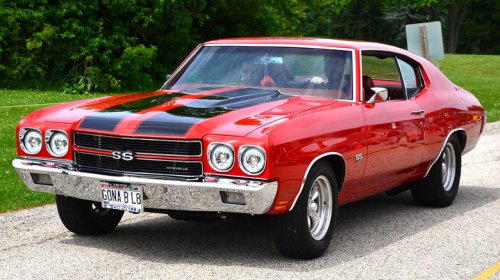
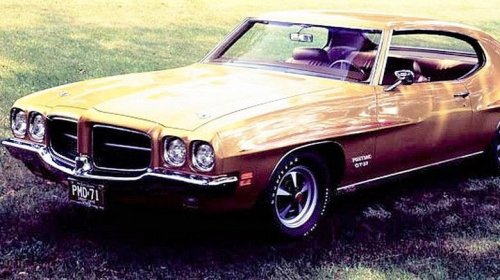
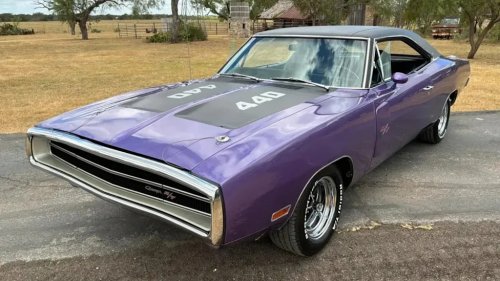
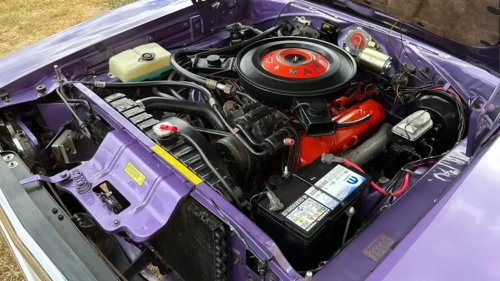
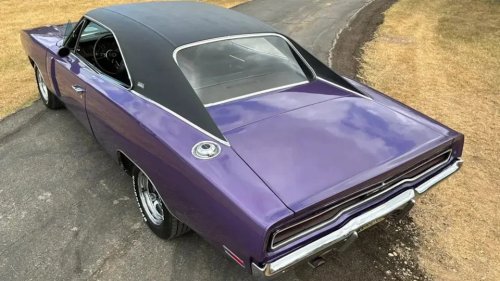
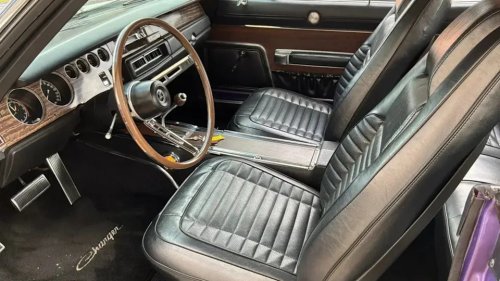
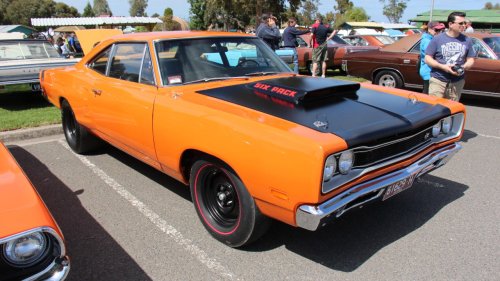
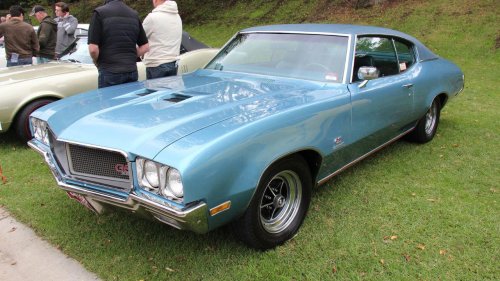
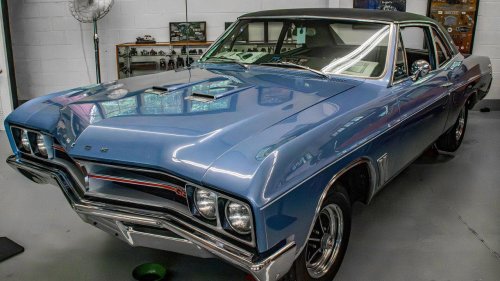
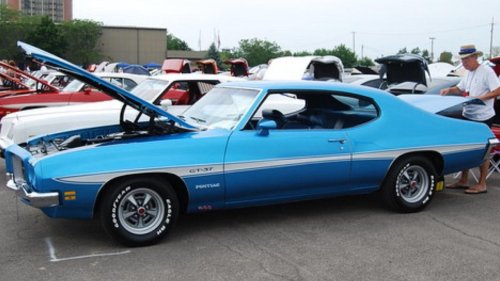
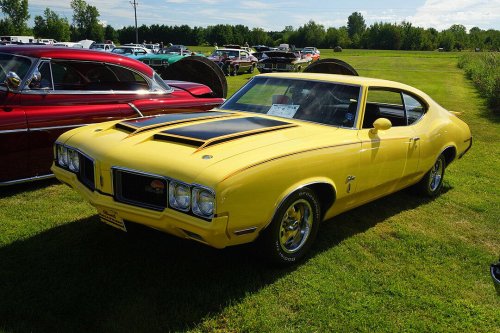
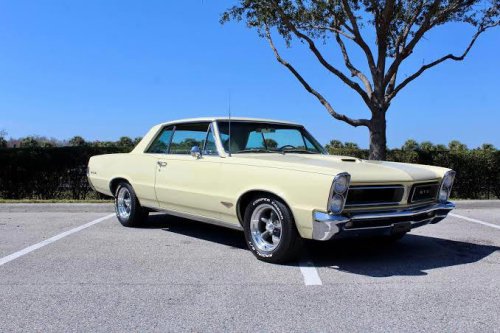
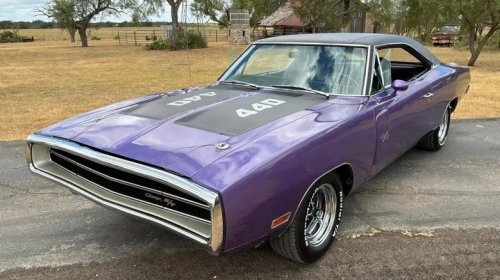
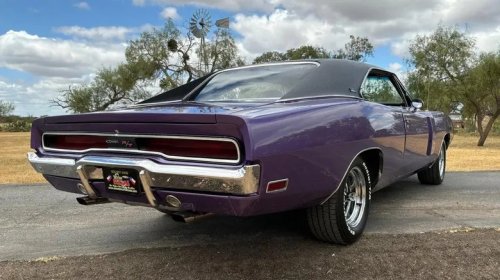
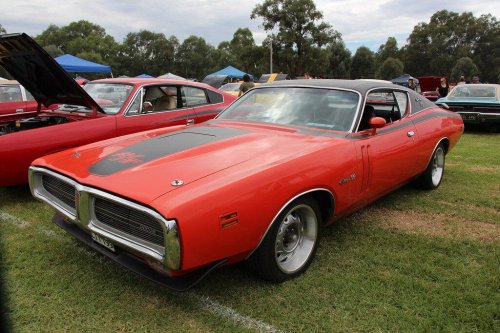
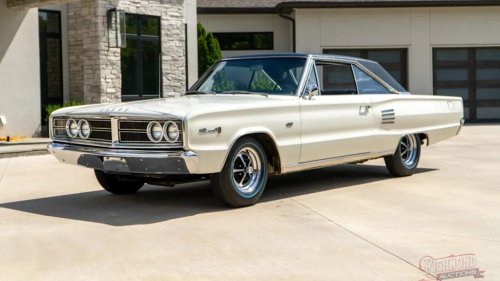
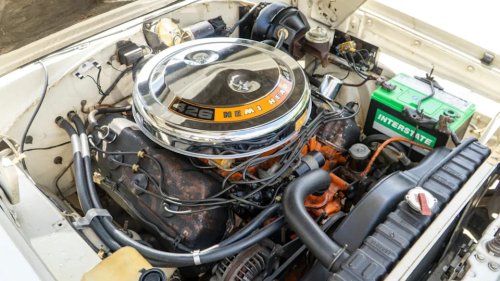
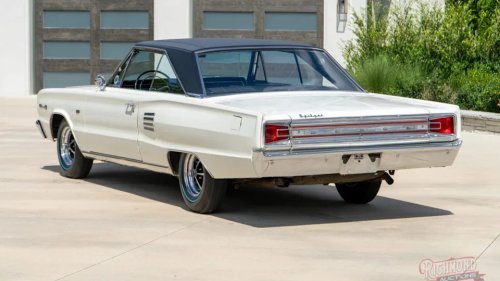
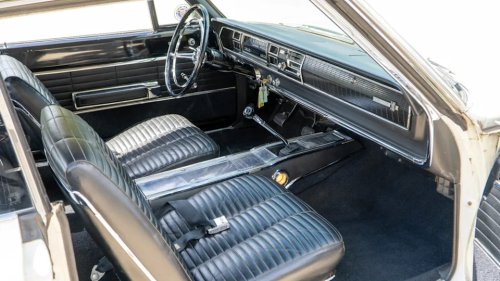
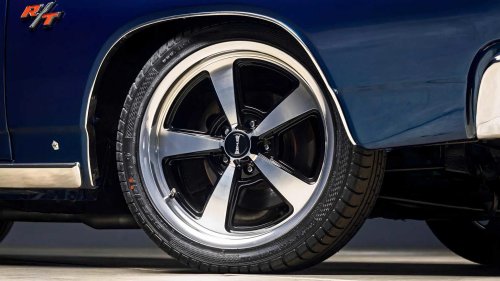
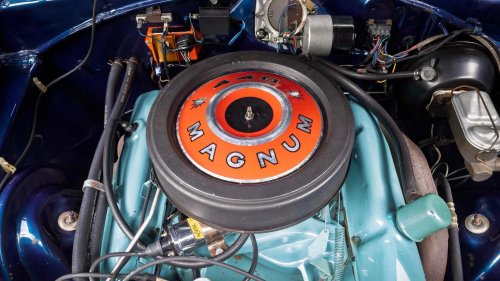
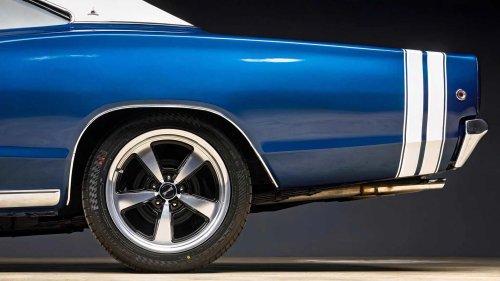
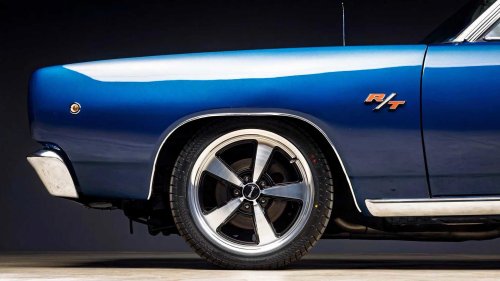
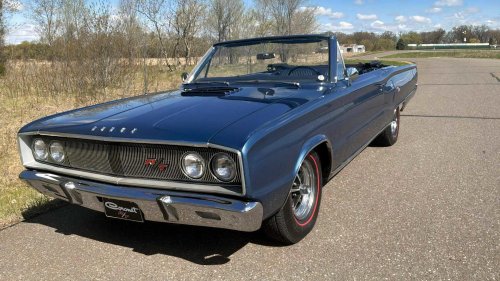
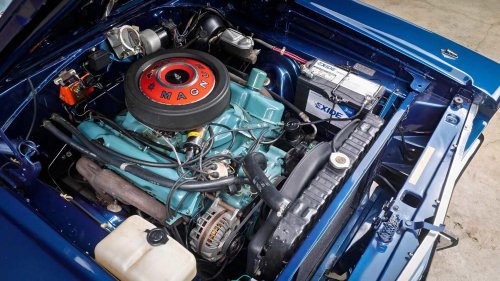
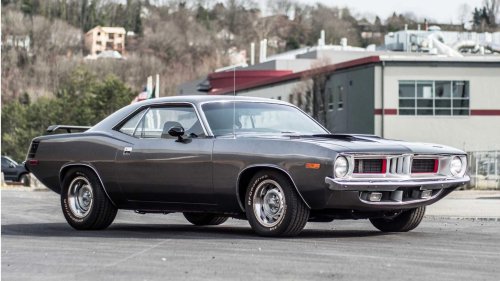
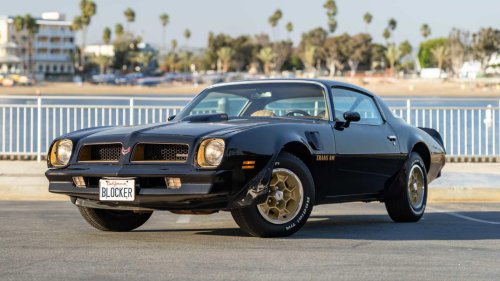
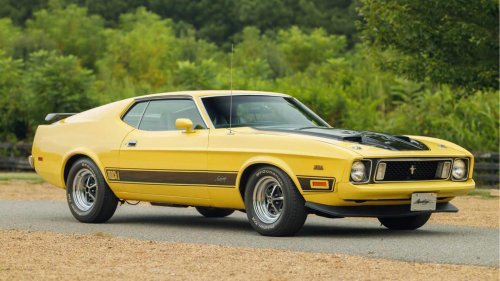
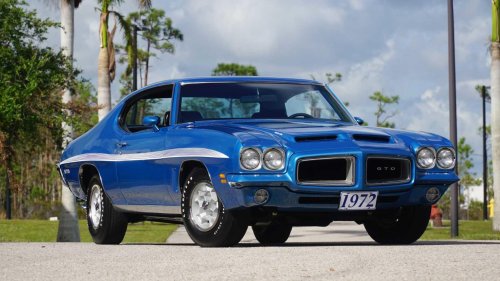
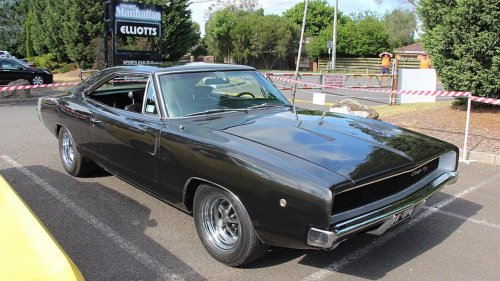
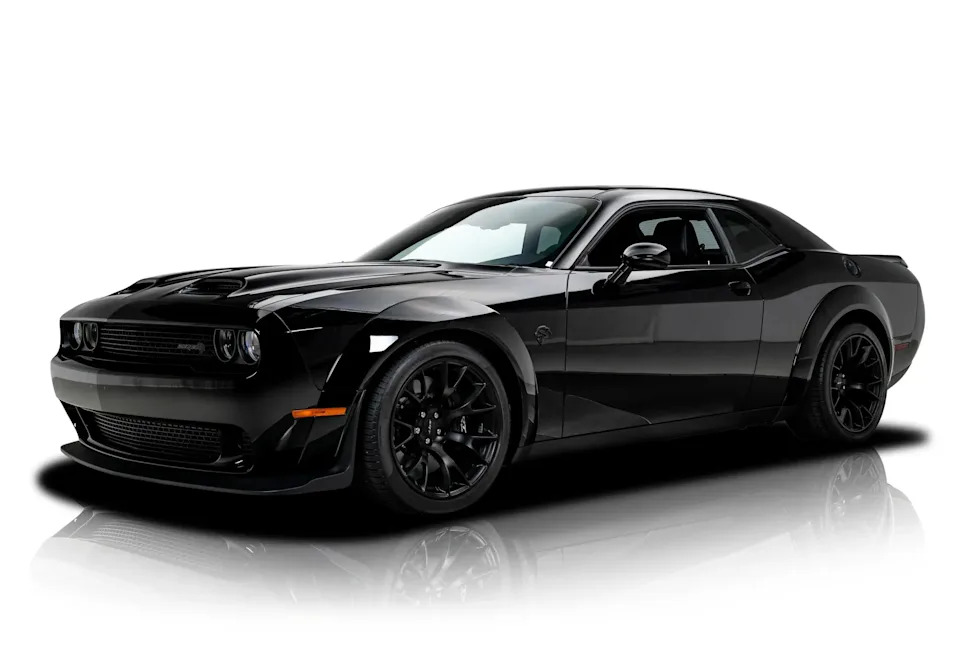
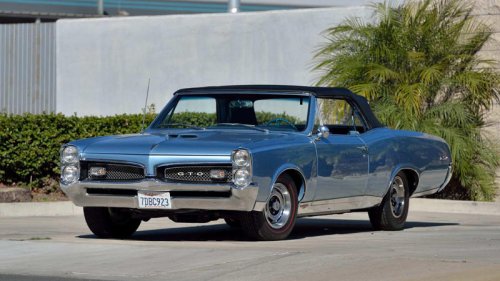
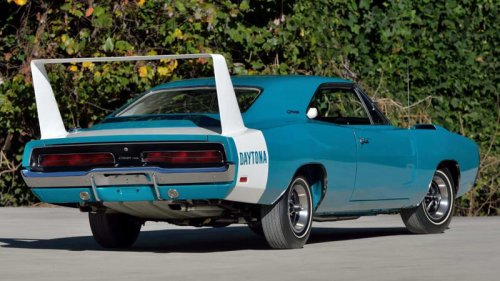
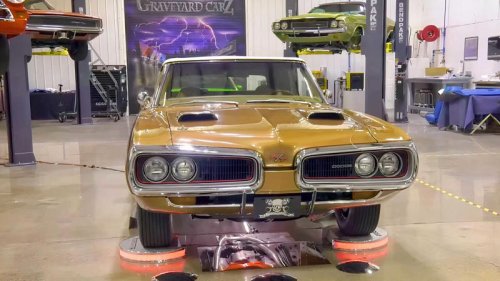
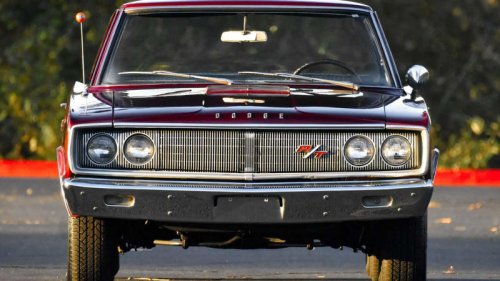
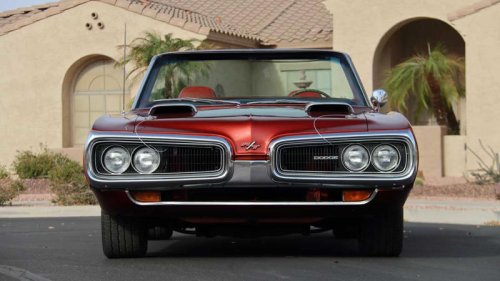
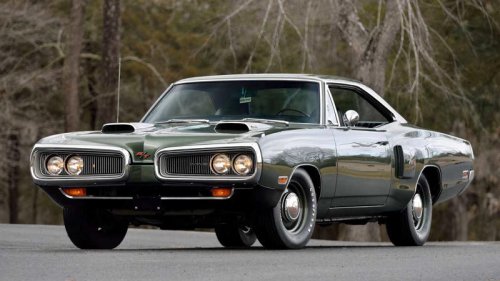
UPDATE: 2026/03/17 07:14 EST BY JARED SOLOMON This article has been updated to include additional context on the rarity and historical significance of the Dodge Coronet R/T Hemi, along with expanded insights into why its limited production has made it one of the most valuable muscle cars today.Rare muscle cars may have started from fairly humble roots, but many command six- or even seven-figure prices today. Specialty models cause more auction frenzy than a shredded Banksy, sailing past a million dollars with the ease of an Italian exotic. So while you can still pick up a '60s muscle car for a few thousand bucks, generally models that were a dime a dozen, the big money naturally goes on the variants that were made in tiny numbers. But there is one muscle car that makes even the most limited production models look plentiful. This ultra-rare Dodge, with a surprise-surprise, Hemi dropped under the hood, is the kind of car that makes unicorns jealous. Muscle Cars Were Never Meant To Be Rare Mecum Rarity is everything when it comes to muscle cars. The genre itself is defined by the very opposite, with muscle cars originally designed to be affordable performance machines that sold inmasses, to the masses. The car credited with kicking off the muscle car genre is the Pontiac GTO, a side project of Pontiac’s chief engineer, John DeLorean, which featured a 389 V8 as an affordable option for the Pontiac Tempest. The thinking was to provide a fast coupe for a newly affluent American youth which, at $3,377, undercut slower European models such as the Porsche 356 by several hundred bucks.The Ford Mustang was essentially a reimagining of the compact Ford Falcon aimed at the same demographic, keeping a lot of everyday parts but sexing up the look. It worked. The Blue Oval sold 418,812 units in the first 12 months. Ultimately, the formula was simple: use off-the-shelf parts, find the biggest V8s in the warehouse, and give young people the street racer that they needed. Some Muscle Cars Were Destined To Be Unicorns MecumRoyalty of the muscle car scene tends to be outrageously fast with looks to match, and an ultra-limited run thrown in for good measure. Cars like the 1969 Dodge Charger Daytona were built for NASCAR homologation purposes and confined to just 503 units built over a single year.The 1970 Chevrolet Chevelle 454 SS LS6 was the crown jewel of the model line-up, with an RPO Z15 performance package for the 7.4-liter beast helping it to belt out 450 horsepower. Of the 4,475 examples built, it's estimated that between just 20 and 80 convertibles were produced.Then there is the 1971 Pontiac GTO Judge Convertible, with estimates suggesting that just 17 units were built in convertible form in 1971. The combination of looks and scarcity makes all of these cars incredibly sought-after. Still, they have nothing on the rarest Hemi-powered muscle car that Dodge ever built. The Dodge Coronet R/T Hemi Makes Even Low Production Muscle Cars Seem Common Gravyard Carz, YouTube Dodge Coronet R/T Hemi Specs Launched in 1949, the Coronet was always one of the most upmarket offerings from a Dodge dealership, with swanky trim levels and plenty of chrome. But what started as a well-heeled American automobile found a rebellious side in the '60s when it evolved into a full-blown muscle car. Late in the decade, this genre was in full-swing, and Dodge, possibly sensing it could do no wrong, decided to spice up the Coronet with a wild facelift that might have made Liberace do a double take.Dodge scrapped the fairly conservative full-face grille of the 1968 and 1969 Coronet, replacing it with what looked like a pair of glasses that you would see in The Far Side comic book series, joined by standard faux quarter scoops. The lowliest Coronet had six-cylinder power. At the top of the tree was the R/T, with a 440 Magnum standard and the 426 cubic-inch Hemi V8 with dual quad carburetors and 425 horsepower as an option. Very few buyers ticked that box. Just 16 were sold with the Hemi, 14 of which were Coronet hardtops, says Hagerty. Why The Hemi Coronet Is So Rare That means just two 1970 Coronet R/T Hemi cars were ordered as convertibles. In other words, only the one-of-one 1967 Ford Shelby Mustang GT500 Super Snake can claim to be any rarer. Of the two Hemi Coronet drops, one was made with a four-speed and the other with the Torqueflite automatic, the former being automatically paired with a 9¾-inch Dana rear axle. That's not to say that the standard Coronets were flying off the shelves. Just 2,319 hardtops and 296 convertibles were built for 1970, says Hemmings, meaning that interest was waning for the once high-flying Dodge. When Rarity Becomes Legend, Not Just Numbers Bring A Trailer It’s easy to throw around production numbers and auction prices, but cars like the Coronet R/T Hemi exist in a different realm altogether. This isn’t just about scarcity—it’s about timing, perception, and a perfect storm of market forces. In 1970, buyers simply didn’t see the Hemi as a must-have. It was expensive, thirsty, and arguably overkill for street use. Muscle car buyers wanted performance, sure—but they also wanted value. The Hemi didn’t deliver that balance at the time, which is exactly why so few were built.Fast-forward a few decades, and that same “mistake” has become the car’s greatest strength. Collectors today aren’t just buying a car with a good spec sheet, they want a car that tells a unique story, because those are the best investments. The idea that only two convertible Hemi Coronet R/Ts exist transforms the car from a machine into mythology. It’s no longer about how fast it is or how it drives, but about what it represents. In this case, it's a fleeting moment when automakers pushed boundaries just before tightening regulations and shifting buyer priorities changed everything.That’s the real magic here. The Coronet R/T Hemi isn’t just rare—it’s a snapshot of an era that will never be repeated. How The Coronet R/T Hemi Became A Million Bucks There are a lot of ideas surrounding the fall in sales for the Coronet in 1970. Many point to the introduction of the Dame Edna Everage specs front end. But that wasn't the only issue for the R/T Hemi. Buyers needed to fork out an extra $718 for the 425-horsepower Hemi, which is the equivalent of more than $6,000 today — a lot of cash when you consider the post-war boom was turning into stagflation. The fact that few people opted for the Hemi is what makes them so valuable now. Prices Of R/T Coronets Are Sky High Mecum A 1970 Coronet R/T convertible with the 440 Six-Pack engine in perfect condition will set you back $129,000, says Hagerty. The 4-speed car was restored on Velocity’s Graveyard Carz TV show, and the automatic went to auction through Mecum in 2008. When one of four 4-speed Hemi R/Ts went up for sale in 2014, it fetched $305,000, leaving us to wonder how much a drop-top version would make. The estimation by experts Hagerty? At least $1,000,000. But that's not all. Having restored one, Graveyard Carz estimates the value at more like $1,500,000. That Doesn't Mean You Can't Get Hold Of A Coronet Mecum Remember when we said rarity is everything for collectors? It also means that anyone with shallower pockets can get 80% of the car (as long as they could live without a 426 Hemi) for a lot less. The R/T option was available as a coupe or convertible, with a 375-horsepower 440 too, and a choice of a four-speed manual or three-speed automatic transmission. Classic.com puts the value of all Coronet R/Ts from 1970 at $56,567 — compared to $162,515 for 1969. If you go for a four-barrel 1970 Dodge Coronet R/T convertible in good condition, it will cost around $27,400. Coping with a 230-horsepower 318-powered sedan means you'll only need $7,300. So, the question is, what price do you put on rarity?



















 +33 others