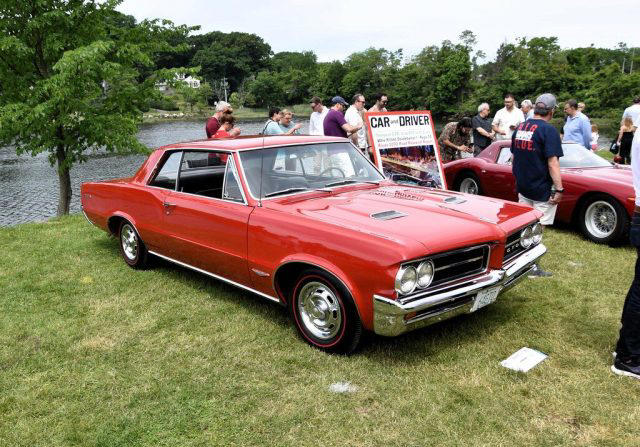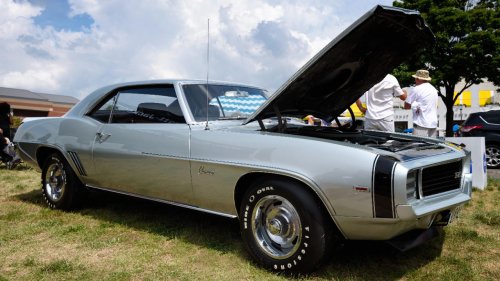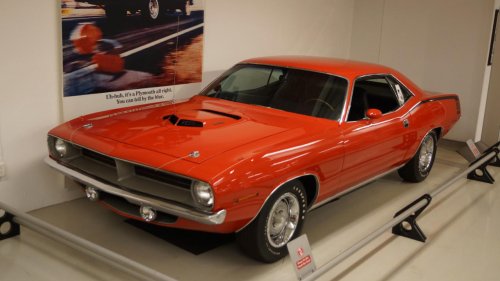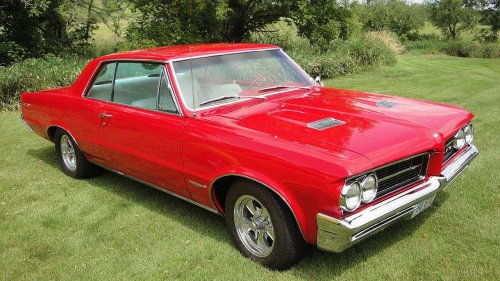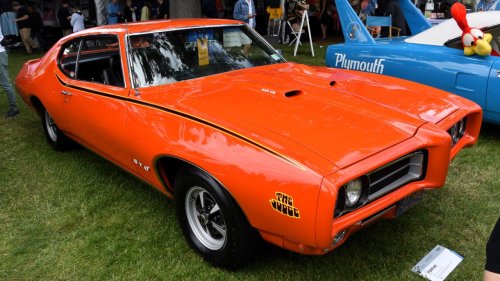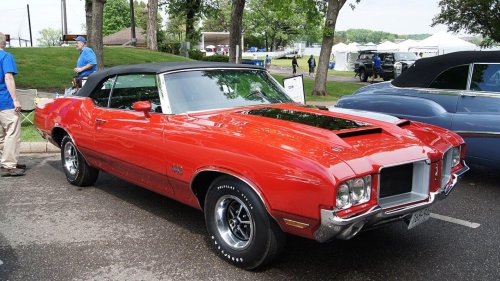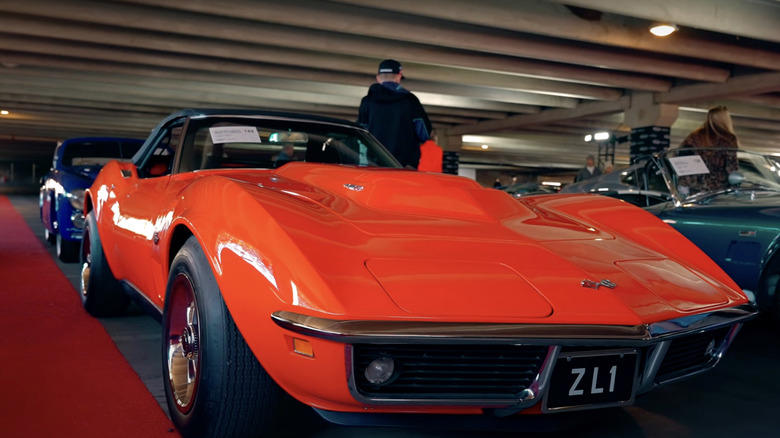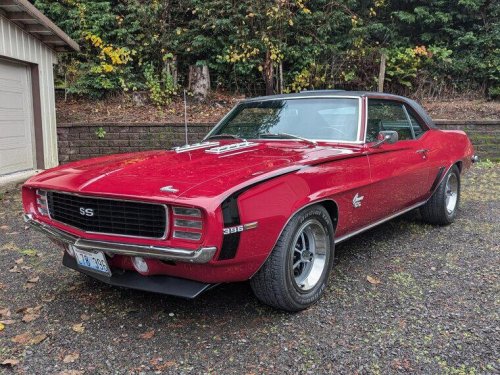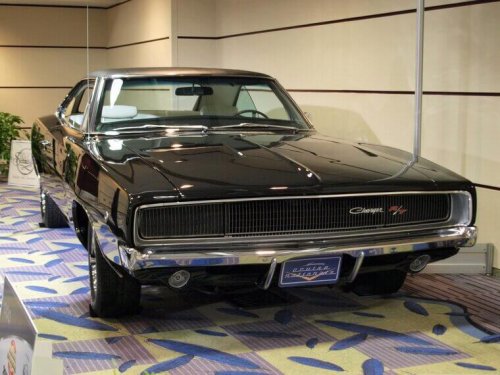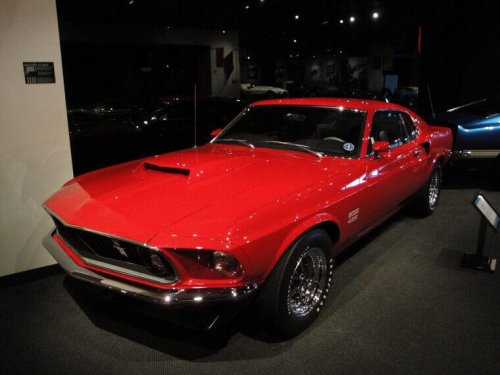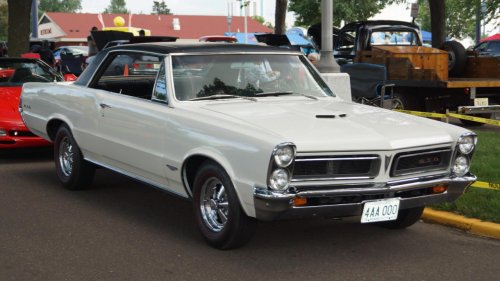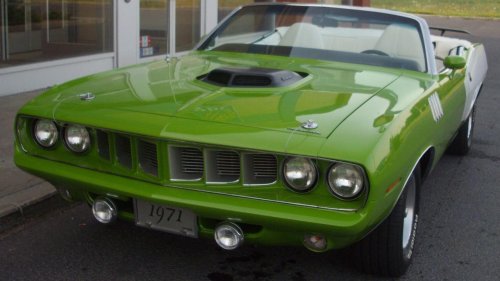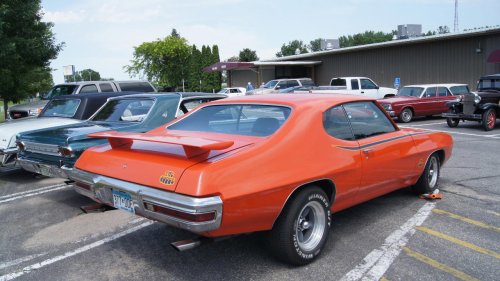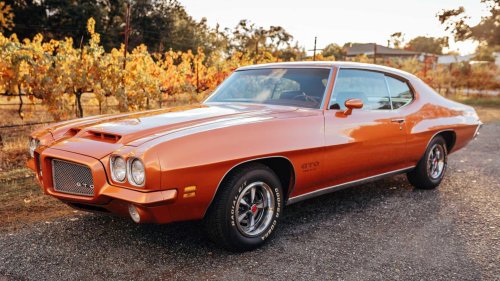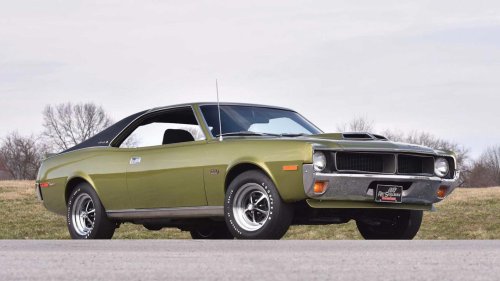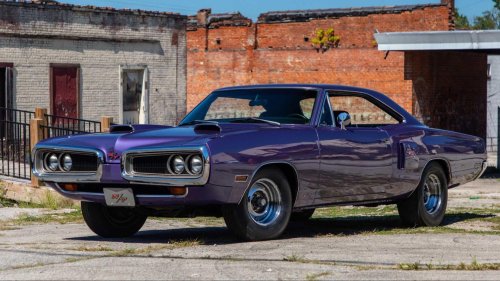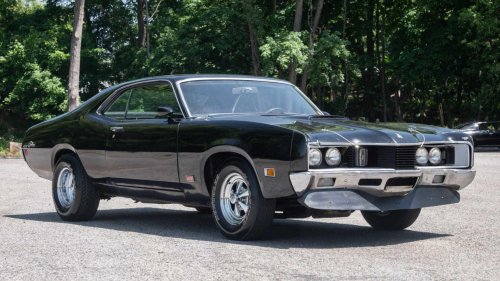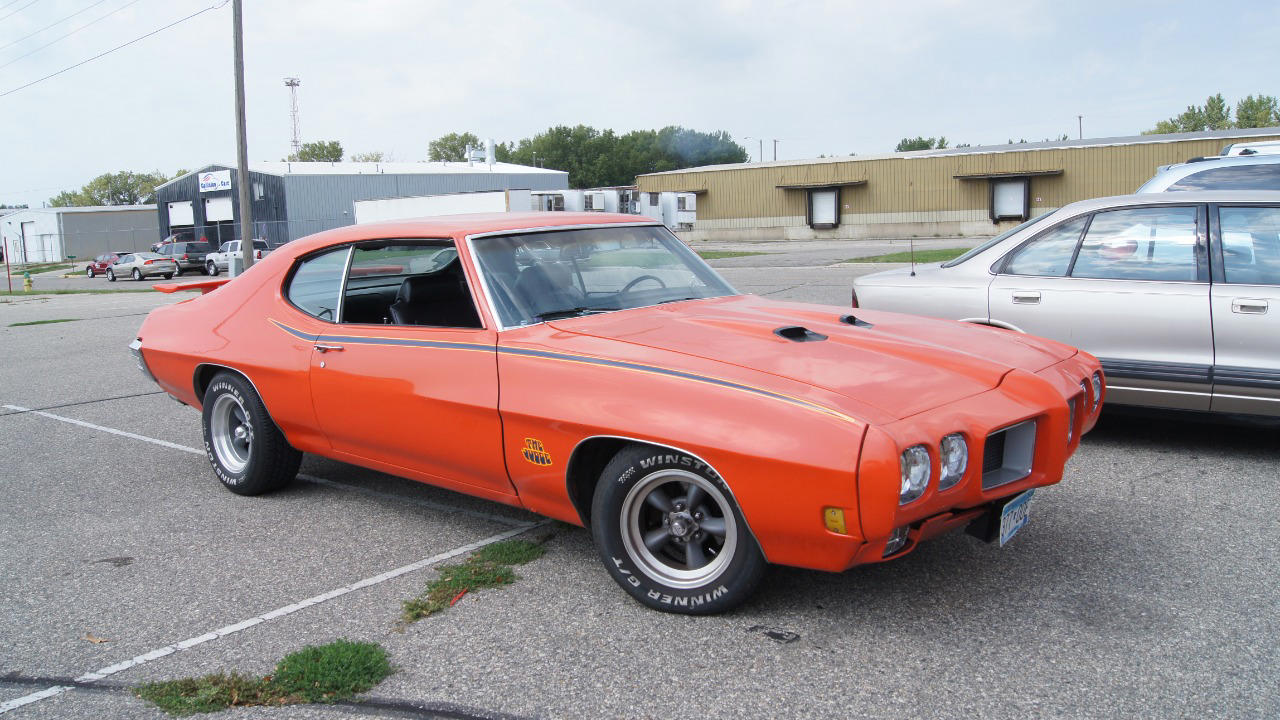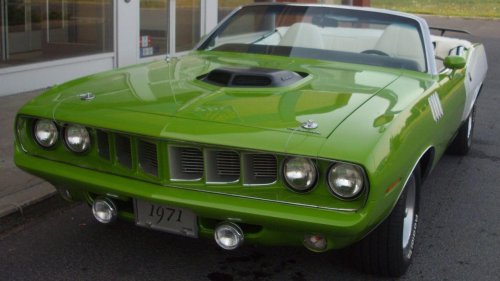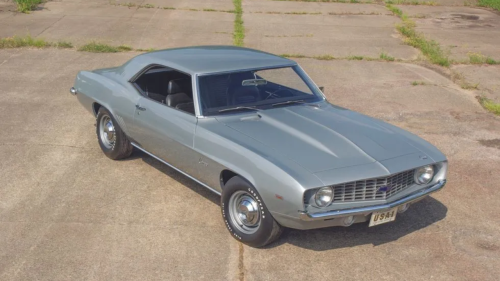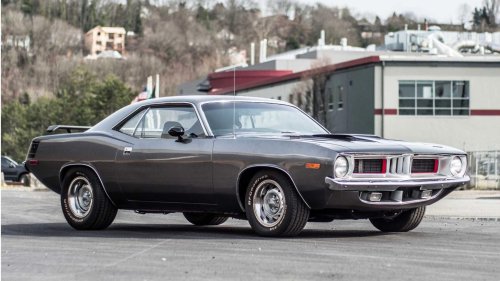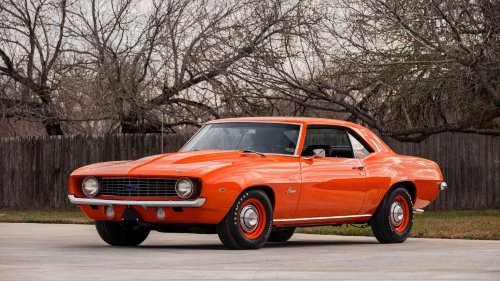
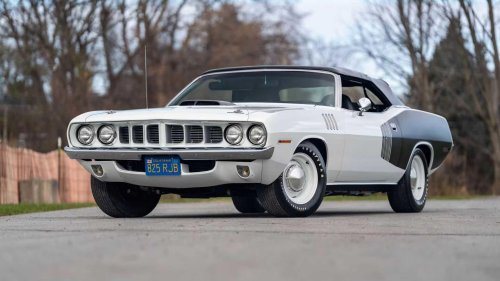
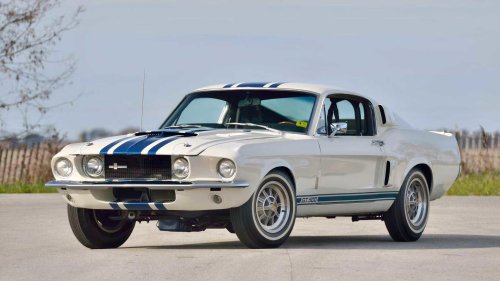
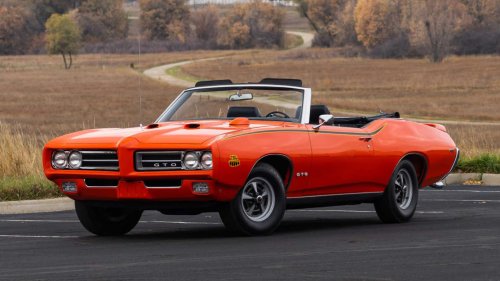
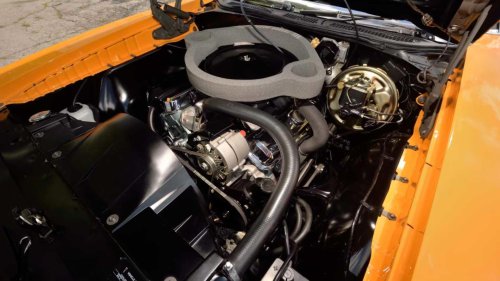
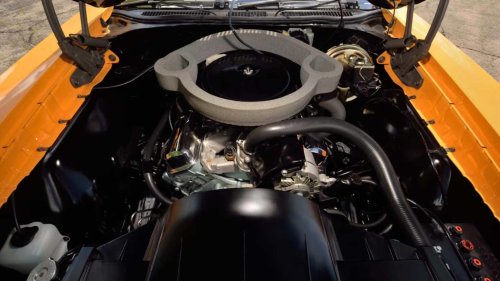
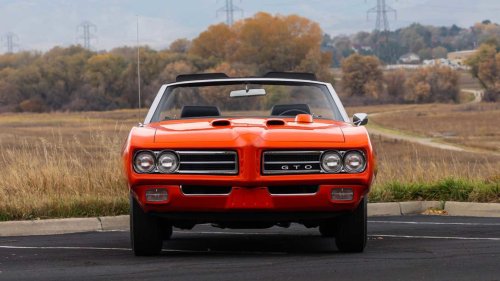
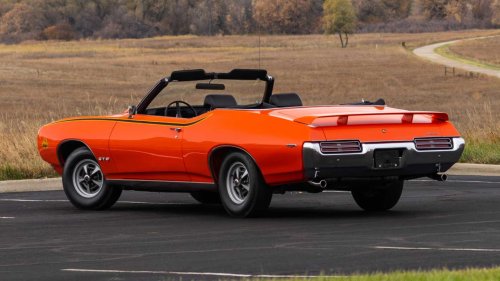
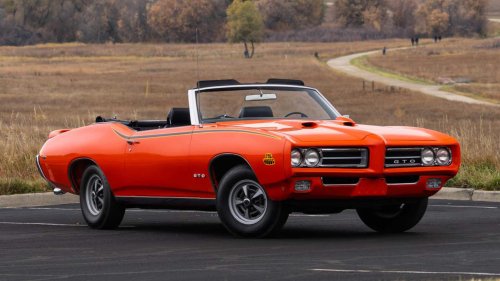
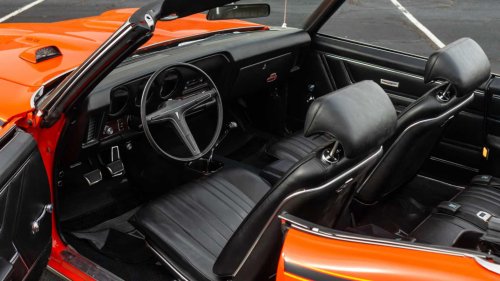
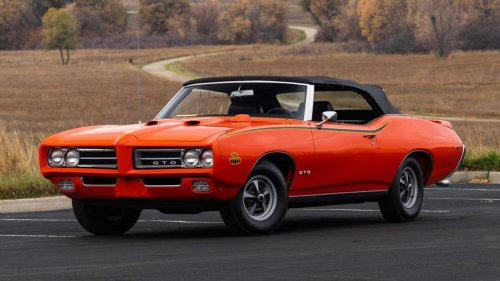



















Car manufacturers typically build vehicles by the thousands. But every so often, a unique set of circumstances limits production of high-performance muscle cars to just a handful of units. High insurance premiums, expensive engine upgrades, or late releases often meant these models barely reached double digits. While they were not necessarily unpopular, they were simply too specialized for the average buyer during the late sixties.Today, in the collector market, this extreme rarity acts as the ultimate currency. Once a production run drops below 100 units, a vehicle transforms from a machine of transport into a financial asset. These are the unicorns and factory freaks that define the absolute peak of the muscle car era, with one Pontiac standing proud among them. The Elite 100: Legends Of Rarity From The Golden Era Mecum During the late sixties and early seventies, the American automotive landscape was defined by the horsepower wars. Manufacturers were locked in a constant battle to see who could produce the fastest and most powerful machines on the road. This competitive spirit led to the creation of limited-run homologation specials and dealer-ordered monsters that were built specifically for racing or high-performance testing. Because these cars were often expensive to produce and difficult to maintain, they were manufactured in incredibly small batches. Today, these vehicles represent the peak of the golden era, with some production numbers staying well under 100 units.Mecum The 1969 Chevrolet Camaro ZL1 is one of the most famous examples, with only 69 units ever made. It used the Central Office Production Order (COPO) system to swap a standard engine for an all-aluminum 427 racing block, making it a favorite for drag racers. Similarly, the 1971 Plymouth Hemi 'Cuda Convertible is a multi-million dollar icon simply because only 11 were built before the Hemi engine was discontinued. Pontiac also had its own secret legends, such as the 1969 Firebird Trans Am Convertible, which saw a production run of just 8 units making it a true ghost among muscle cars.Mecum Perhaps the most extreme example is the 1967 Shelby GT500 Super Snake, the most powerful muscle car from the 60s. This was a single prototype built for a high-speed tire test and was never intended for public sale. While all these models are legendary icons of the industry, one specific muscle car stands out because it combined a loud, rebellious personality with the most sophisticated engine the brand ever offered in a street-legal car. Five Of A Kind: The Mystery Of The 1969 GTO Judge Ram Air IV Convertible Mecum The Judge is perhaps the most recognizable nameplate from the muscle car era. Interestingly, it was originally planned as a stripped-down, budget-friendly version of the GTO meant to compete with the Plymouth Road Runner. However, the plan shifted, and it instead became a flashy, psychedelic performance flagship. Dressed in its signature Carousel Red paint and covered in bold yellow and blue decals, it was impossible to miss. It represented a rebellious counter-culture movement on wheels, making it a massive success for the brand during a time when style was just as important as speed.When looking at the production numbers for 1969, the standard GTO was quite common, with over 72,000 units leaving the factory. Out of that large group, only 6,833 cars were ordered with the special The Judge package. As you dig deeper into the specifications, the rarity becomes even more shocking. Most buyers opted for the hardtop body style, leaving only 108 people who chose to buy a Judge in a convertible format.Mecum The path to becoming a true unicorn narrowed even further when it came to the drivetrain. Only five of those 108 convertibles were equipped with the high-performance Ram Air IV engine. This rare combination of an open-top body and the most advanced Pontiac engine of the year created the rarest GTO in existence. Seeing one of these five cars today is a significant event for any car enthusiast, as they represent a unique moment where engineering and limited production met to create a legend. Pontiac 400 Ram Air IV Specs: Decoding The Most Powerful GTO Engine MecumWhile the standard 400 cubic-inch V8 was a respectable engine for the era, the Ram Air IV was a high-revving masterpiece that functioned like a race engine for the street. Pontiac engineers went to great lengths to ensure this powerplant outperformed almost everything else in the GM stable.Unlike the more common D-port engines of the time, the Ram Air IV featured sophisticated round-port "722" cylinder heads and a specialized aluminum intake manifold. It also utilized a radical "041" camshaft, which gave the car a distinct, aggressive idle that let everyone nearby know this wasn't a standard GTO. These upgrades allowed the engine to breathe much better at high speeds, making it a favorite for serious enthusiasts who wanted more than just a typical muscle car.Mecum On paper, Pontiac officially advertised the power at 370 horsepower and 445 lb-ft of torque at 3,900 rpm. However, many experts and historians in 2026 believe these numbers were significantly underrated to satisfy strict insurance companies and corporate rules of the sixties. In reality, the actual output was likely closer to 400 hp. This raw power translated to impressive performance on the road, with 0-60 mph times hovering around 6.0 to 6.2 seconds. On a drag strip, the car could finish a quarter-mile in roughly 13.9 to 14.4 seconds at speeds reaching 103 mph.Mecum Interestingly, if you ordered this high-performance engine, Pontiac would not allow you to add air conditioning. The radical nature of the camshaft and the high-revving design were considered incompatible with the mechanical load of an A/C compressor. This essentially forced buyers to choose between modern comfort and raw, unadulterated speed, ensuring the Ram Air IV remained a focused performance machine for the most dedicated drivers of the golden era. Why This GTO Is Outperforming Modern Supercars MecumIn the modern collector market, the value of a 1969 Judge depends almost entirely on its specific engine code and production rarity. A high-quality, well-maintained 1969 Judge Hardtop typically sells for anywhere between $80,000 and $150,000. While these are fantastic cars with great investment potential, they are considered relatively common when compared to the elite versions that collectors hunt for today. If you happen to find a hardtop model specifically equipped with the authentic, numbers-matching Ram Air IV engine, the price jumps significantly. These models are highly sought after by top-tier collectors and can easily crest the $250,000 mark at major automotive auctions across the country.Mecum The five original Ram Air IV Convertibles exist in a different category altogether. These are essentially unicorn cars, and they rarely ever appear for public sale. Because there are only five of them in existence, their pricing is usually handled through private sales or listed simply as price on request at elite auction houses. Based on current 2026 market trends and recent private sales data, a fully documented, numbers-matching example is currently valued between $1.1 million and $1.5 million.Mecum This massive valuation puts the rarest GTO on the exact same level as the legendary Hemi 'Cuda in terms of sheer investment potential and desirability. For a serious collector, owning one of these five cars is like owning a vital piece of American automotive history. It represents the absolute peak of the golden era, where a small production glitch created a million-dollar legend. These cars are no longer just transportation. They are blue-chip assets that continue to appreciate as the world realizes just how special those five original units truly were.Sources: General Motors, Mecum, Hagerty