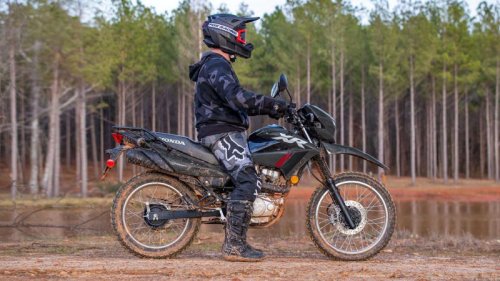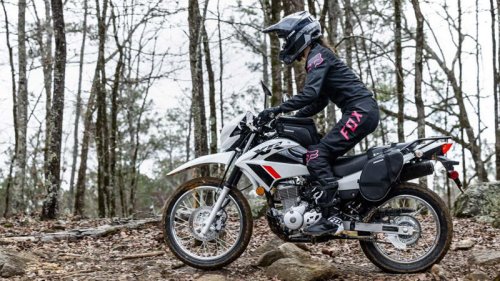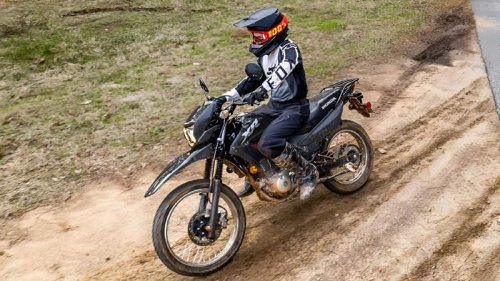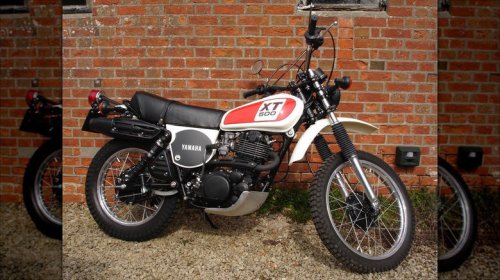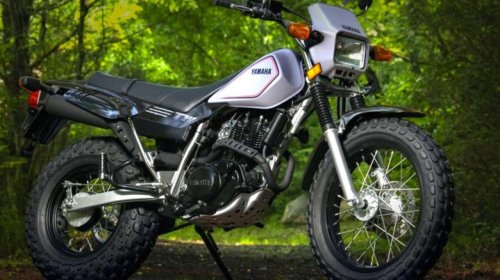
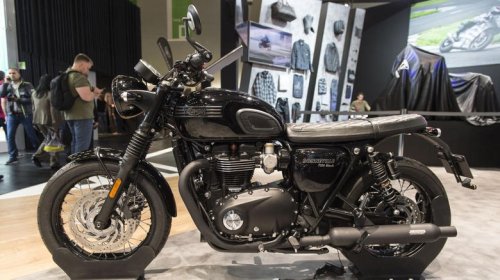
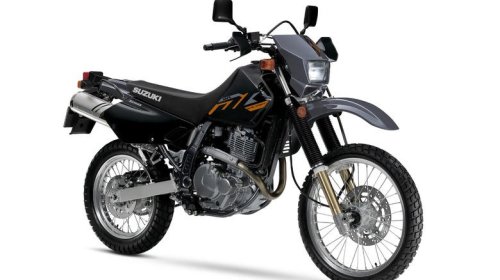
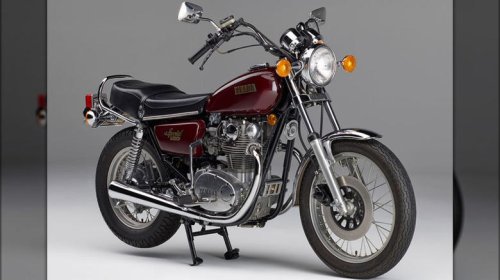
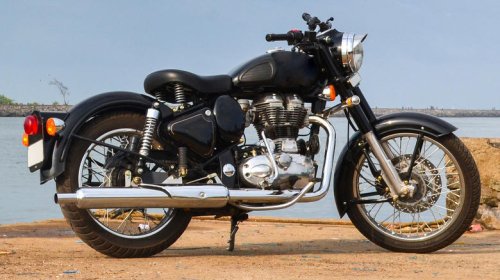



















Yamaha TW200When talking about design and reliability, the maxim, "If it isn't broke, don't fix it" is a central concept, and the Yamaha TW200 takes that to heart. This mindset has made it a dependable choice for both off-road and casual riding. This dual-sport motorcycle is beloved for its off-road capability, user-friendliness, and legendary reliability. Its air-cooled engine and simple design make it easy to maintain, even for beginners.Looking back to its debut in 1987 and comparing it to the 2024 model, you'll find the Yamaha TW200 has largely remained unchanged. The bike has seen only minor updates, such as the introduction of an electronic starter and new color options, but its core design has stayed the same.Designed as a dual sport bike that can thrive on and off the road, the Yamaha TW200 has proven its reliability with its unchanging design. Just like sharks and crocodiles barely evolving over millennia, the Yamaha TW200 has only changed slightly (with modern electronics), with later models simply changing colors.Today's TW200 keeps its 196cc engine, the recognizable square headlight, and large, knobby tires that define its look. It's still seen as a versatile bike, similar to a two-wheeled quad in terms of its all-terrain capability, vindicating the idea that some things are best left as they are.Triumph Bonneville T120Triumph motorcycles have a rich heritage; they have earned their place in automotive history. The Bonneville was originally designed from the T110 Tiger's frame and was a tribute to John Allen, who rode a modified Tiger to beat the speed record with a 214.4 mph run at the Bonneville Flats in Utah. Triumph redesigned the Tiger and named it the Bonneville for the record-breaking achievement. It grew in popularity for its reliability and ride, but there were a few hiccups during its production run.The Bonneville T120 was first released in 1959 and quickly became a favorite among American riders. With the name and record-breaking speed run behind it, riders knew what the bike was capable of and wanted to take it for a spin. It proved to be a fantastic all-around bike, offering great speed with low maintenance. Stock models were set to receive maintenance every 10,000 miles, making it a breeze to ride with few worries about upkeep.As the motorcycle market evolved and Japanese bikes became more popular, the Bonneville's spotlight faded. However, the reliability and reputation of the Bonneville persisted. Even after Triumph Engineering faced challenges, the Triumph brand and the Bonneville name were revived as Triumph Motorcycles.Today, riders can purchase upgraded versions of the T120 Bonneville with modern electronics like ABS systems, cruise control, an advanced 1200cc engine, and state-of-the-art safety features, making it a fantastic bike for beginners and those looking for a reliable ride with a classic look.Suzuki DR650Suzuki first rolled out the DR650 in 1990, presenting it as the next step up from the DR600, with a beefier 644cc engine. It quickly became a hit for its rugged endurance, earning a spot as a fan favorite.The reliability of a motorcycle often hinges on its brand reputation and how well it's received by riders. After all, a popular motorcycle will be easier to find parts for, contributing to its perceived ease of maintenance. Decades after its initial release, the DR650 is still incredibly popular around the world, and consistently tops the sales charts in countries like New Zealand. Its enduring popularity, even after years on the market, speaks volumes about its reliability and the trust riders place in it.Of course, the Suzuki DR650's reputation is also impressive when you look at it from a rider's perspective. Whether it's off-roading, cross-country expeditions, or daily commutes, its 644cc single four-stroke engine provides enough power to adequately handle any task with ease.The DR650 isn't just for the daily grind; it's also built for adventure. One owner's journey across North and South America, followed by a tour of European rallies, demonstrated its exceptional resilience. Despite facing only minor damage throughout these extensive travels, the DR650 proved its mettle, as the rider could easily source and replace parts all along the way.Yamaha XS650The Yamaha XS650 went through a trial by fire to prove its reliability against well-established British and American bikes when it first appeared in Western markets late in 1969. Initially overlooked as just another foreign brand, it didn't take long for riders to notice how the XS650 stood out, particularly when it came to service and maintenance needs.The reputation of the XS650 was built in part due to its unique engineering and its odd history. Originally, the XS650's engine was a smaller 500cc engine designed by German manufacturer, Horex, that built engines and parts after World War II. After a few changes in ownership, the engine design was acquired by the Japanese company Showa, which Yamaha then took over in 1960. This blend of German engineering and Japanese refinement over the years gave the XS650 its reputation for being both reliable and powerful.One of the unique innovations of the engine was its crankcase. Engines at the time all used a vertically split crankcase, which tended to cause inevitable oil leakage and required maintenance to ensure proper use. The XS650 had a horizontally split crankcase, which meant less leakage and easier maintenance.Side by side with its contemporaries, the Yamaha XS650 would be the last bike still running when the others needed a break for maintenance or an oil change. It's this enduring quality that has given the XS650 a special place in the hearts of motorcycle enthusiasts.Royal Enfield Bullet 350Finally, we come to the Royal Enfield Bullet 350, a motorcycle that became commercially available for the first time in 1932. The design was a holdover from its use during World War I, and over the years its reputation for reliability has only grown.For proof of the Royal Enfield 350's reliability, you only need to look at the production numbers and its history. The 350 model has the distinction of being one of the longest continuously produced bikes in the world. Royal Enfield originally produced bikes for the Allied forces, and after the war, their UK manufacturing moved to India. Since then, Royal Enfield has made its mark on the automotive industry with its bikes. It was the first company to introduce a swinging rear suspension to its bikes, and since then, these have essentially become the industry standard.The latest version of the Royal Enfield Classic 350 is a modernized take on the original design that adds comfort and safety features to the classic bike. It still retains its iconic shape and look, but it's now filled with ABS and electronic systems.With innovations that have withstood the test of time and the continuing popularity and production of the Royal Enfield 350 series, the bike's reputation for reliability is well justified.