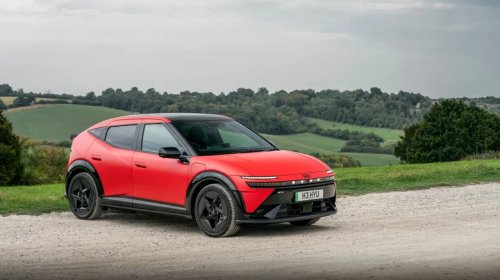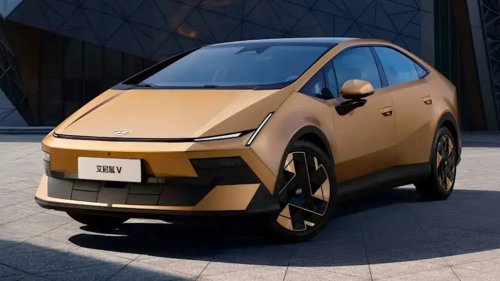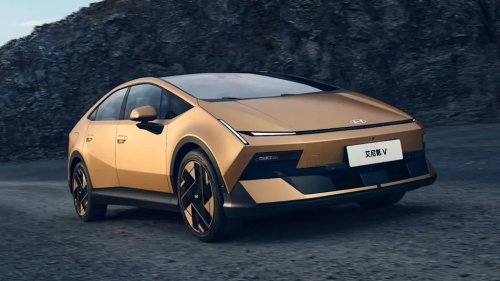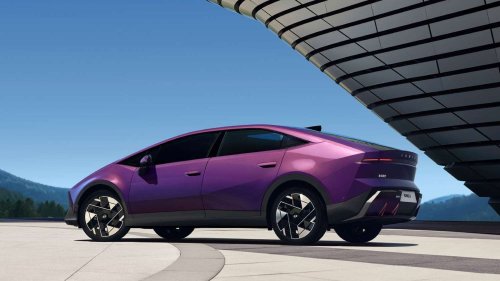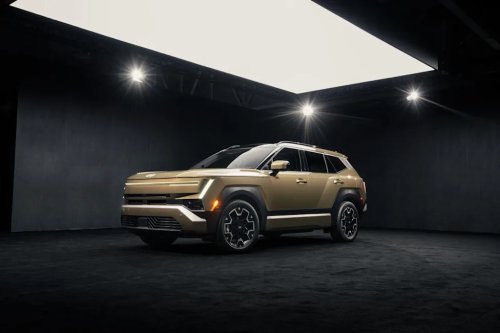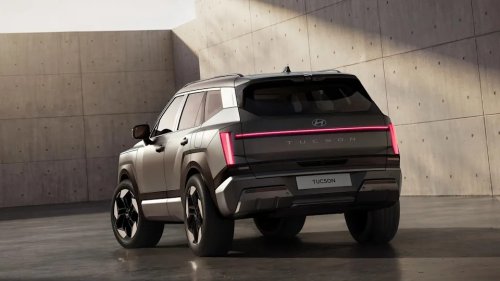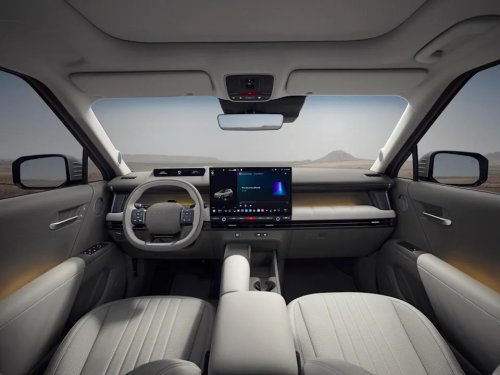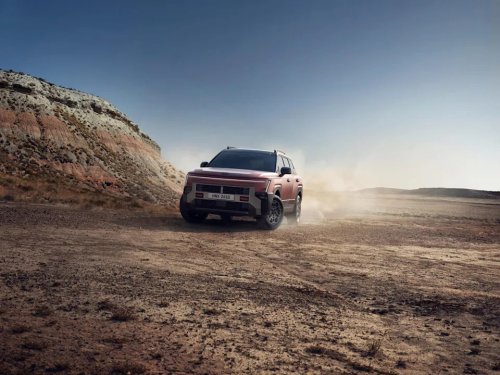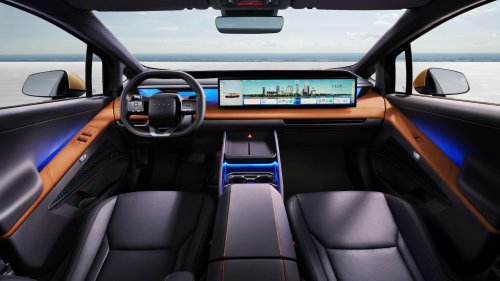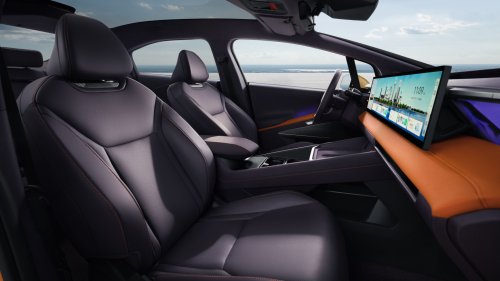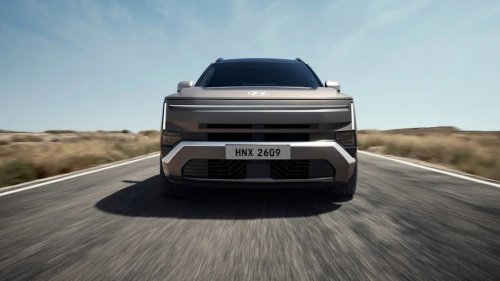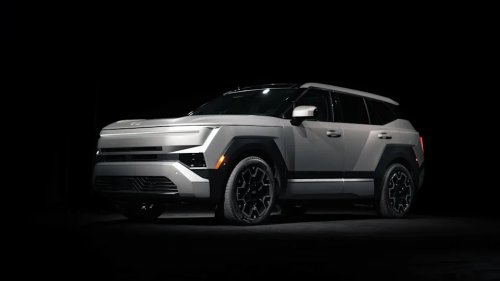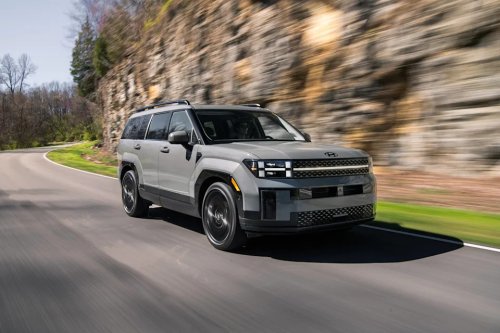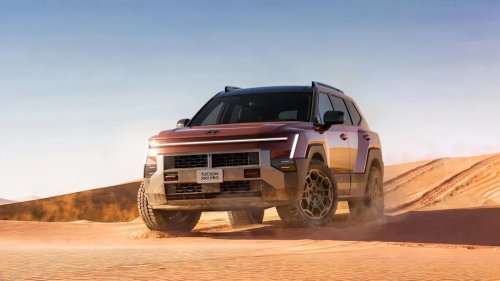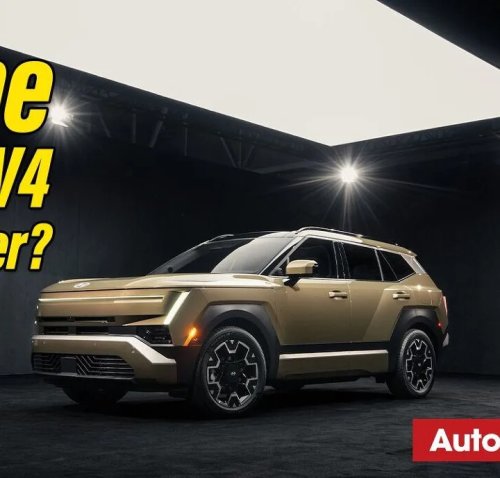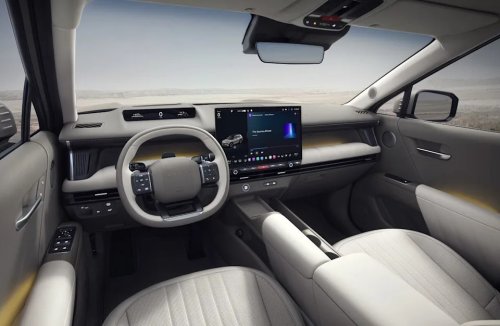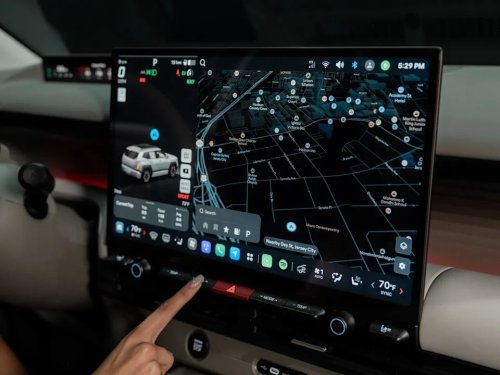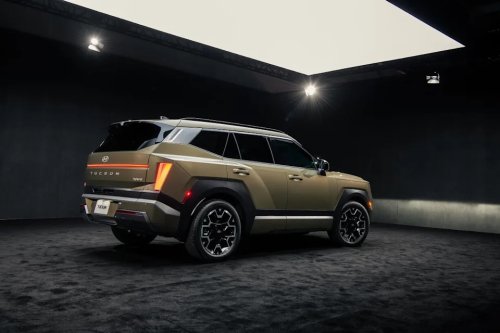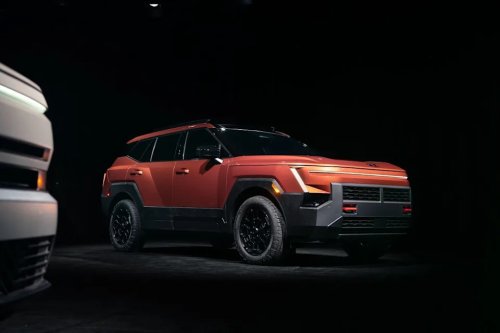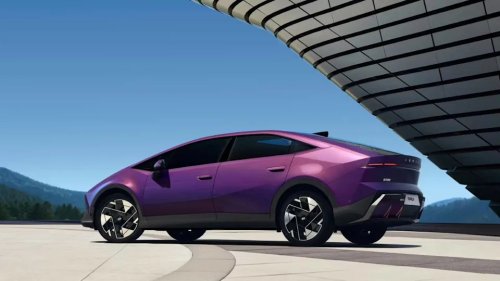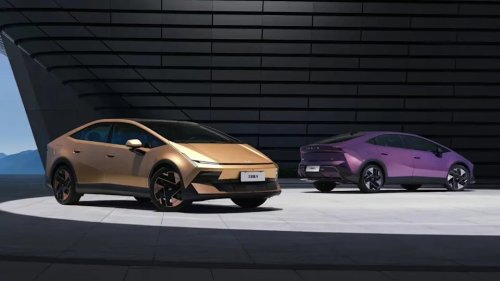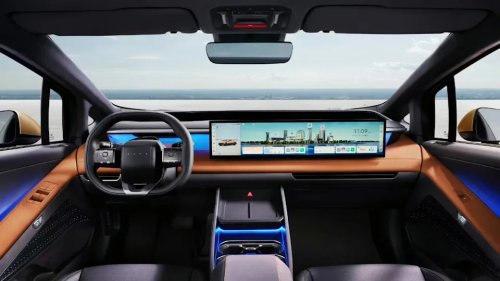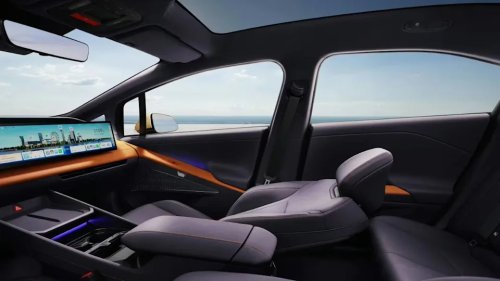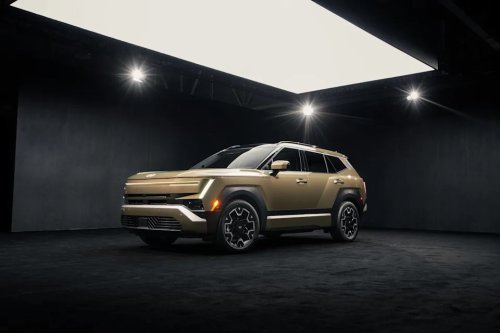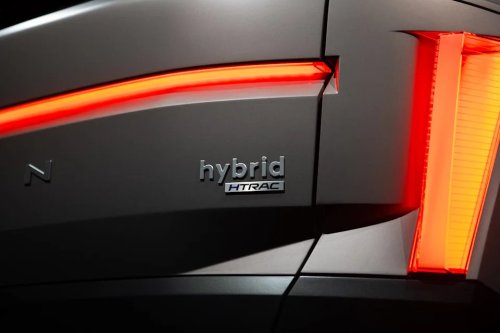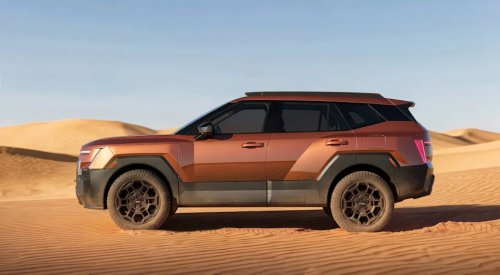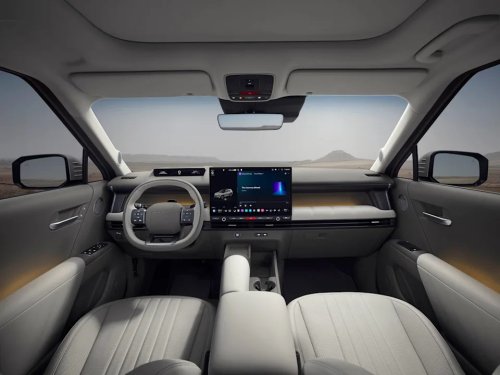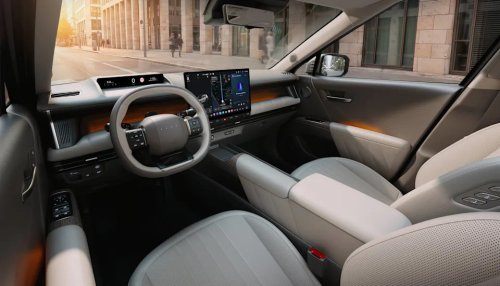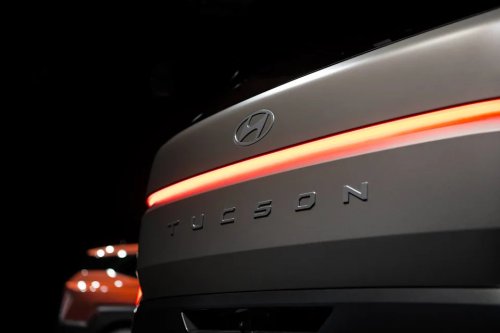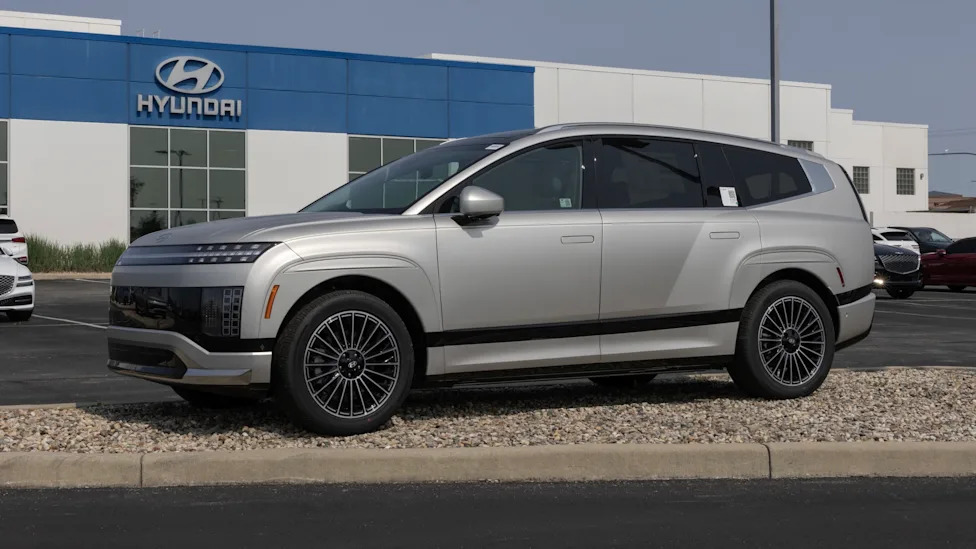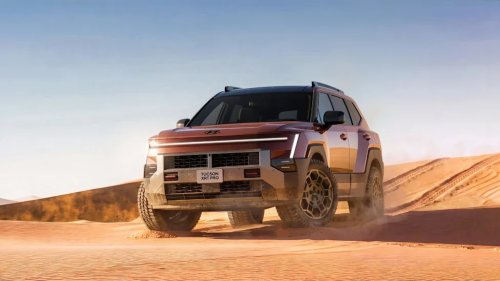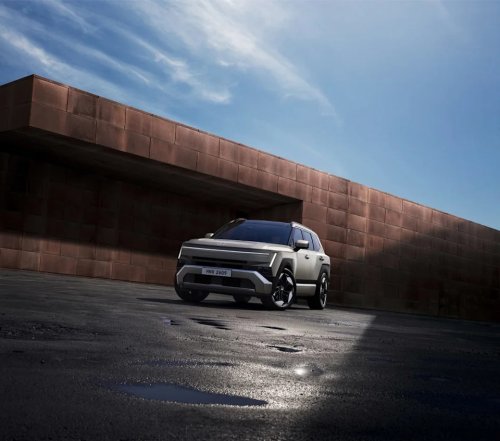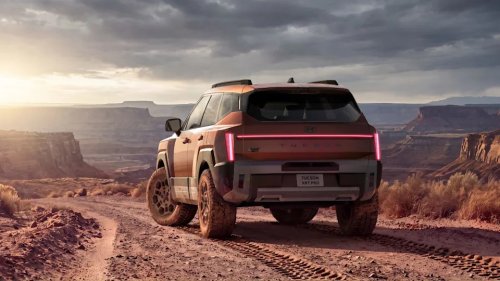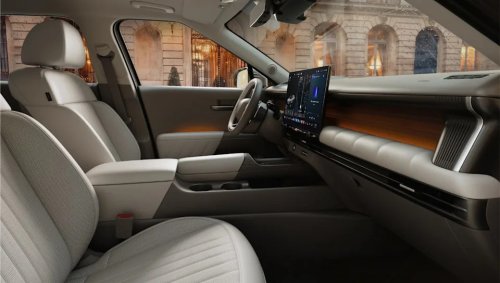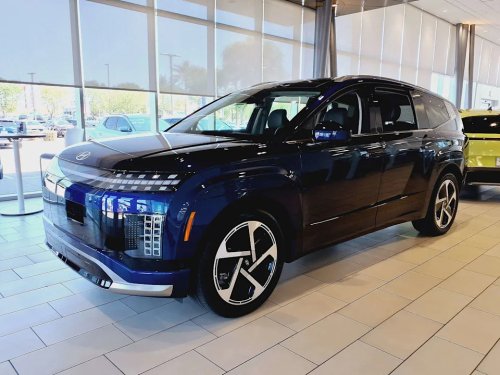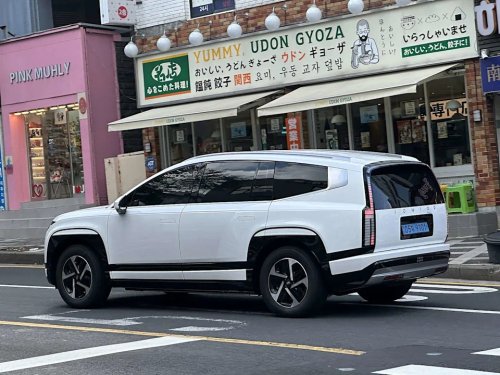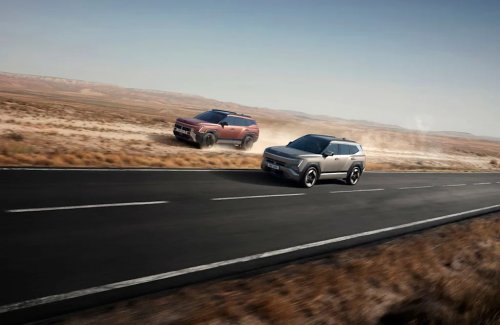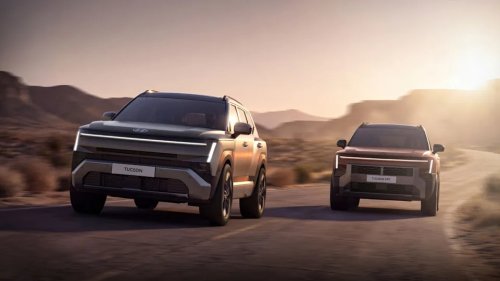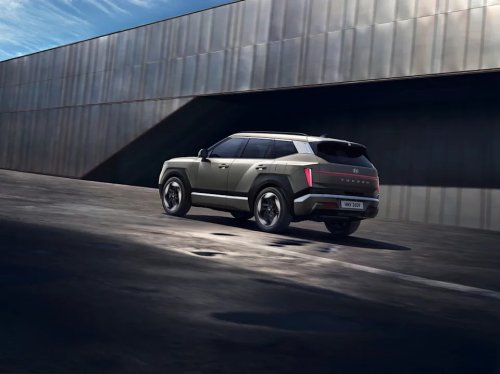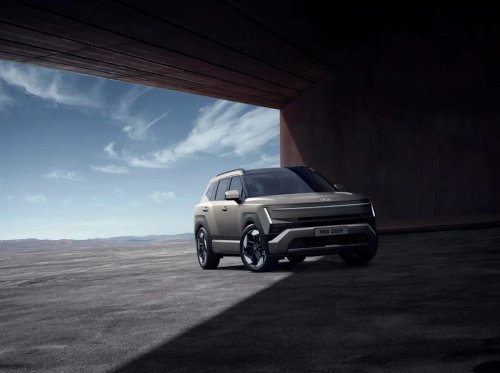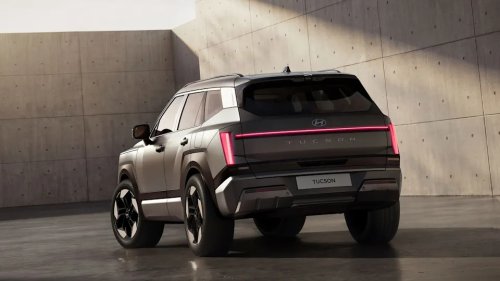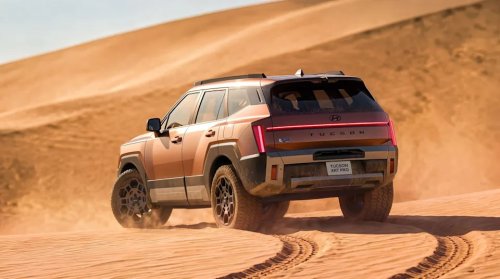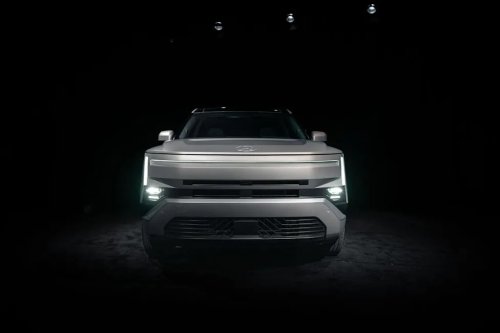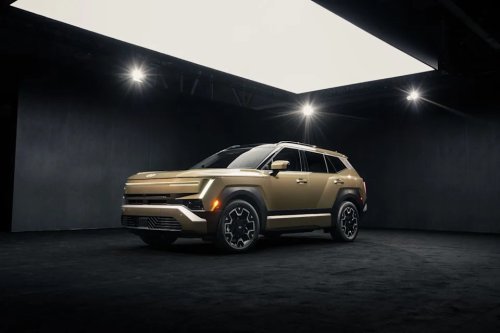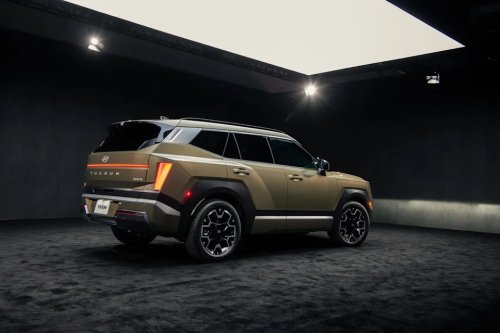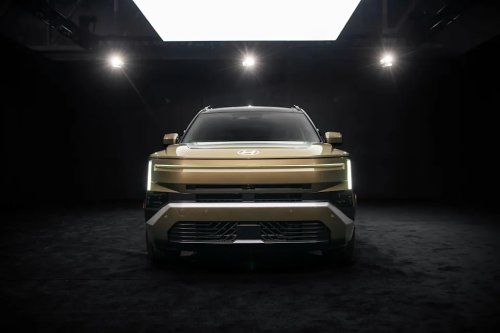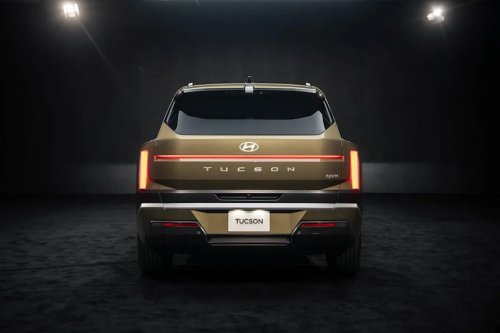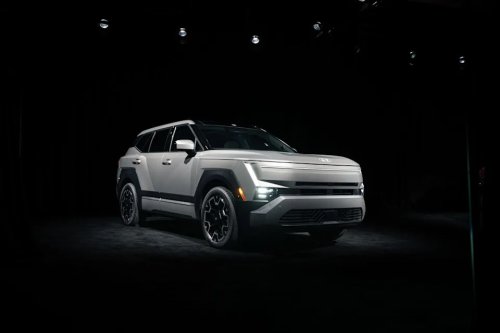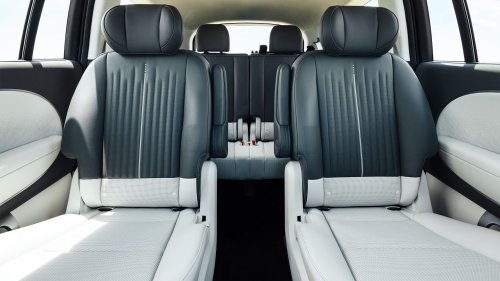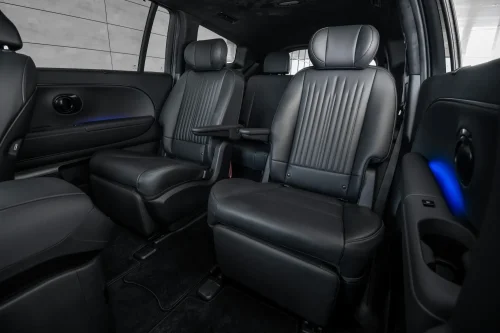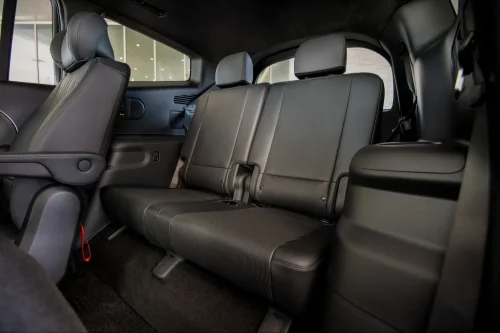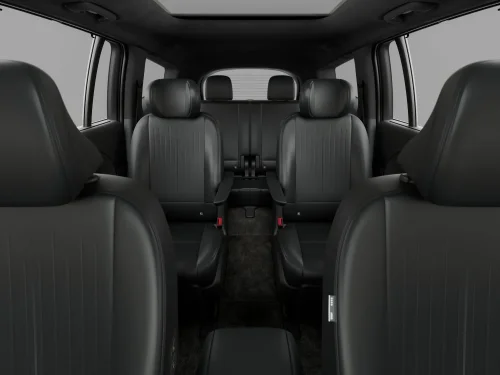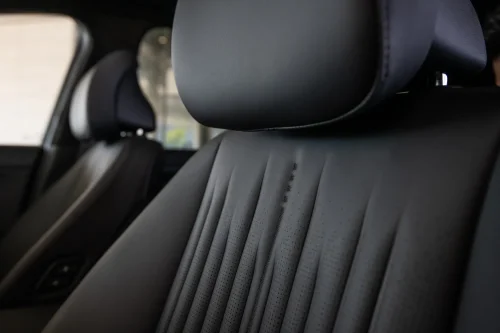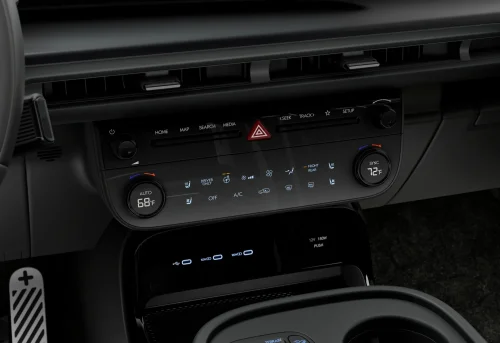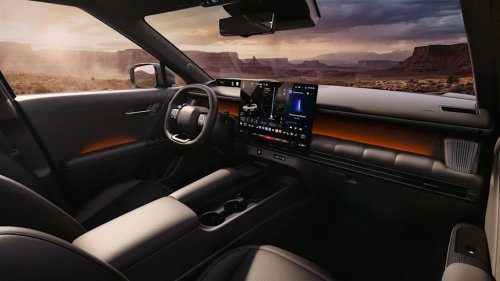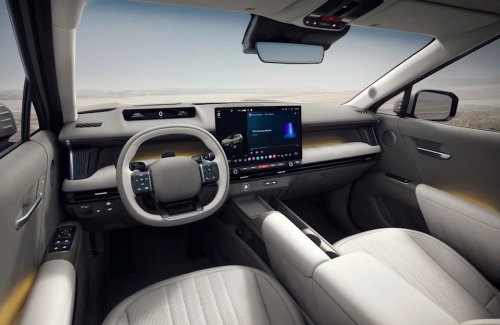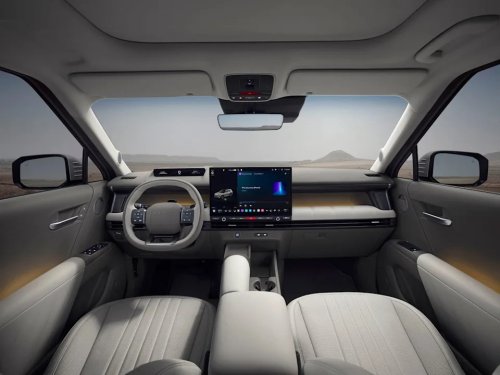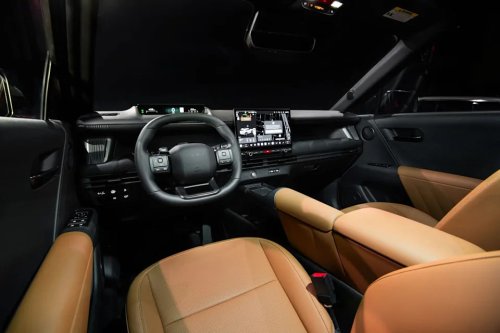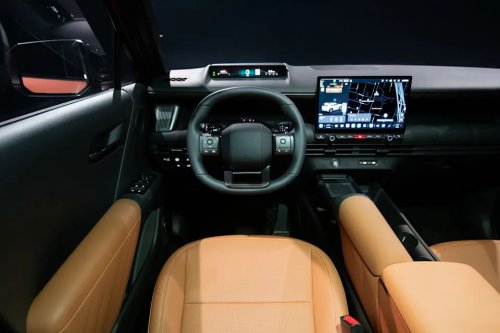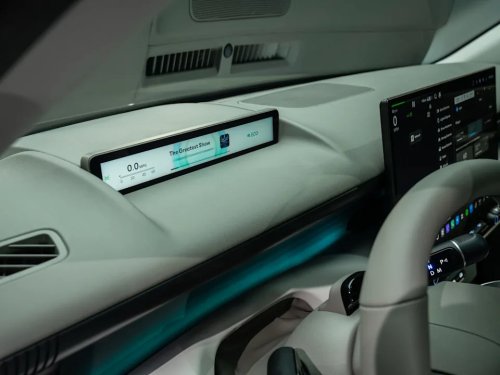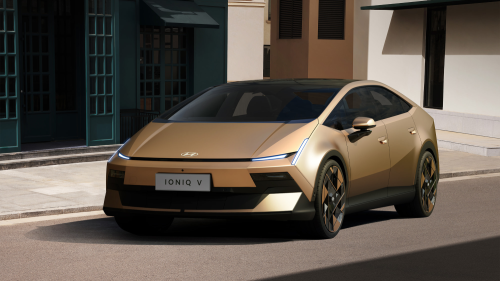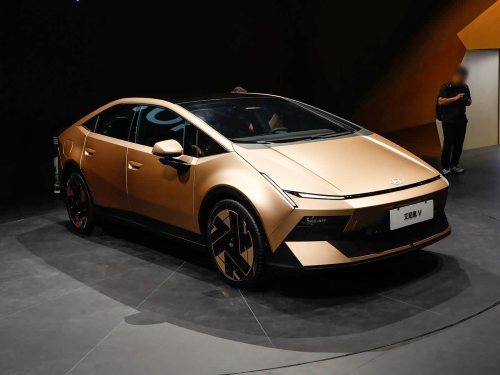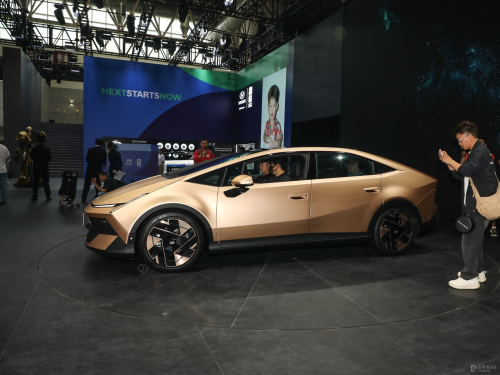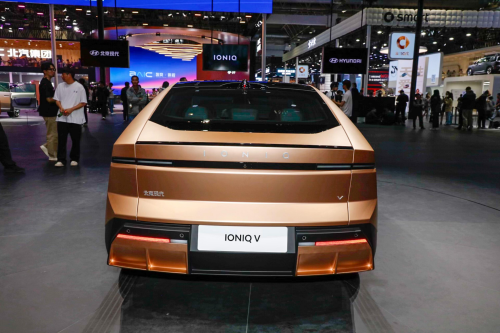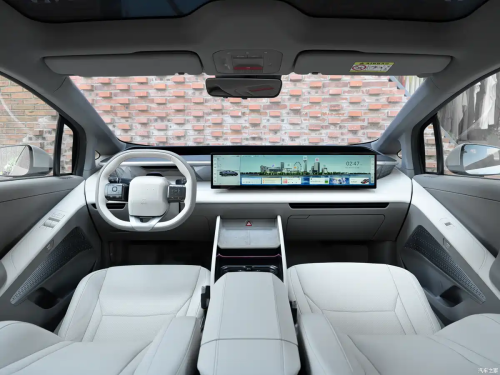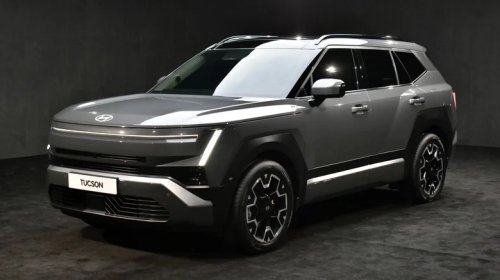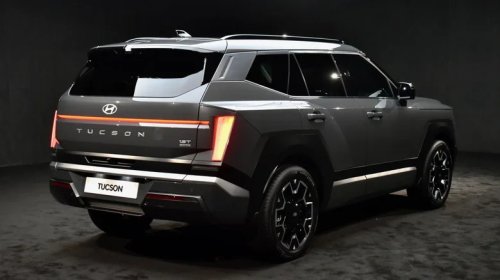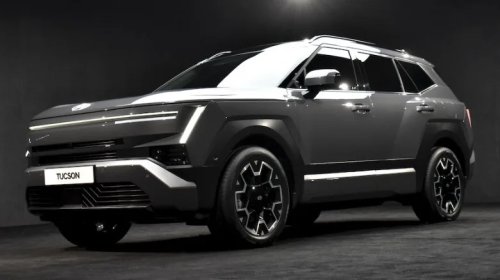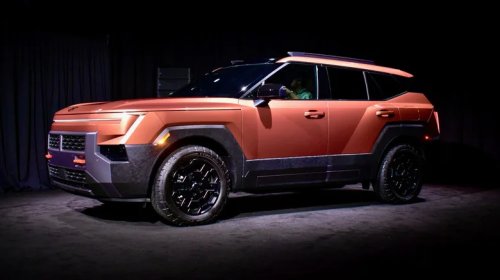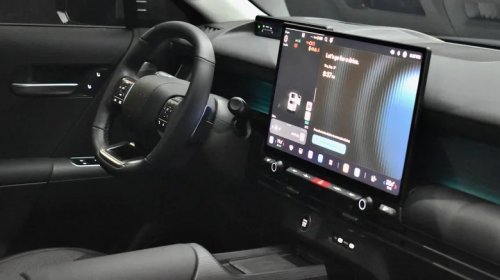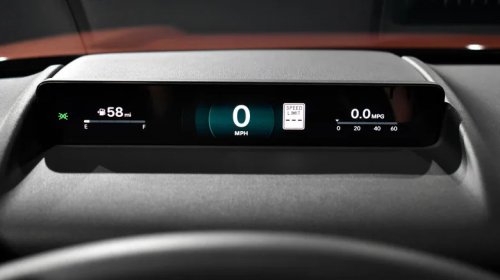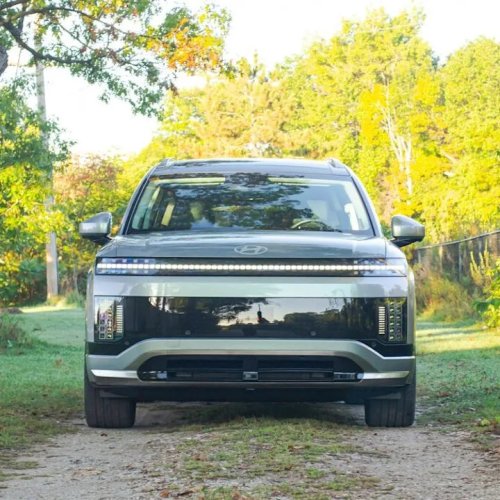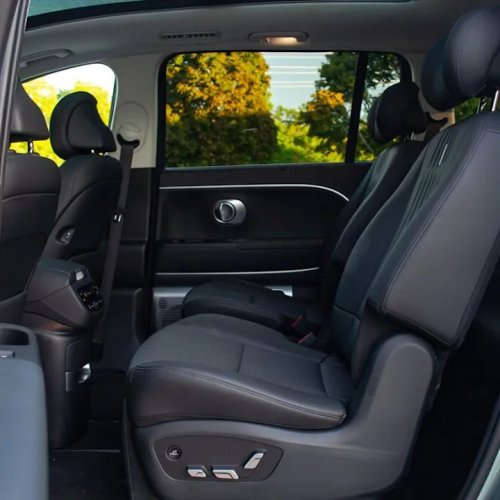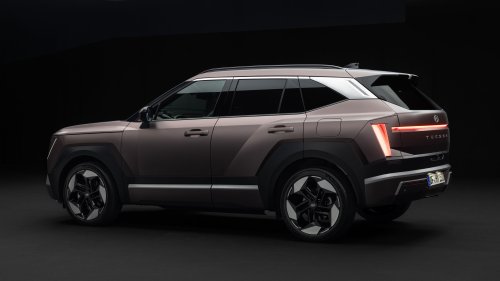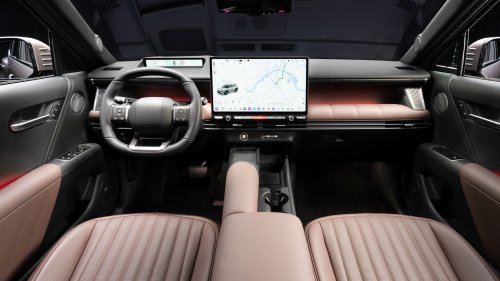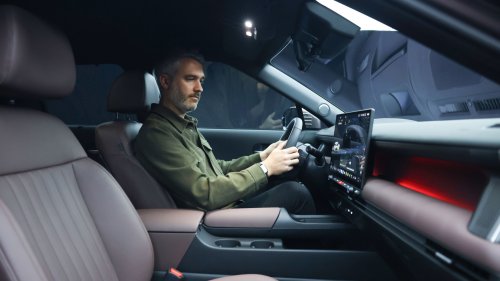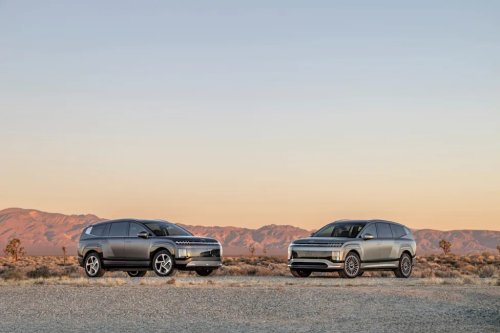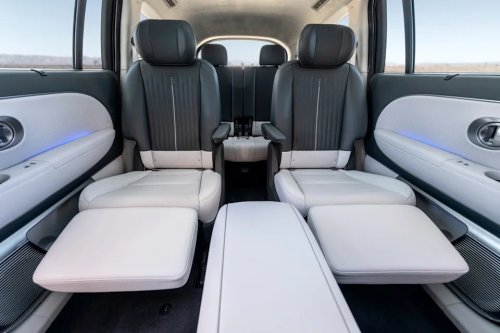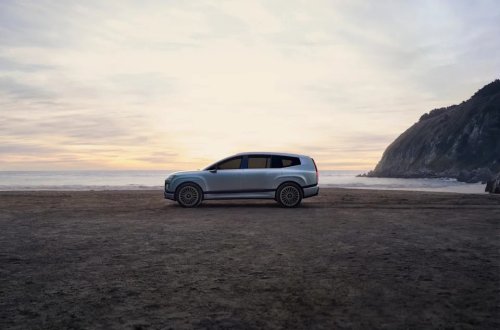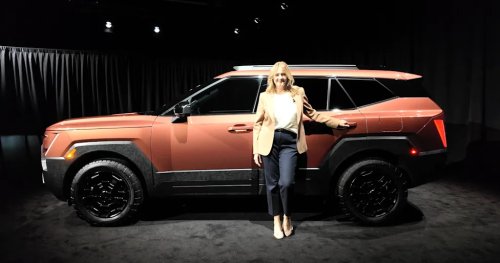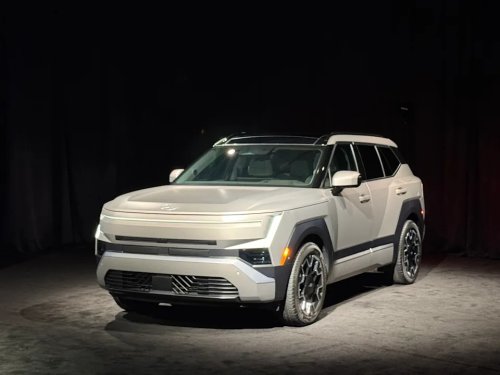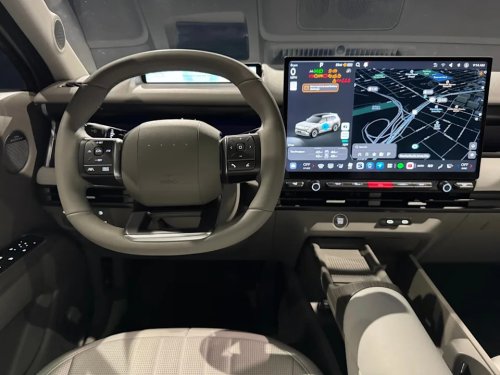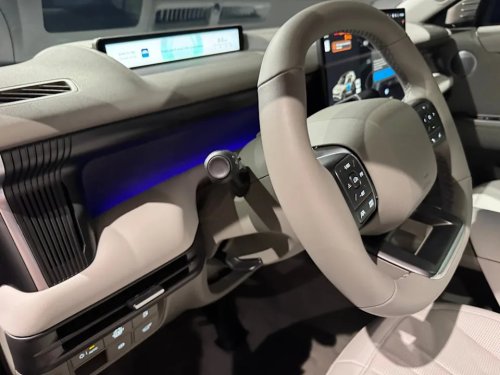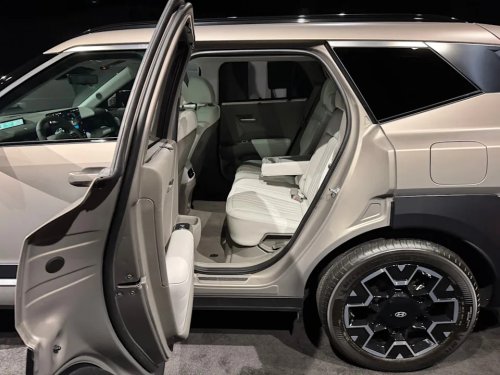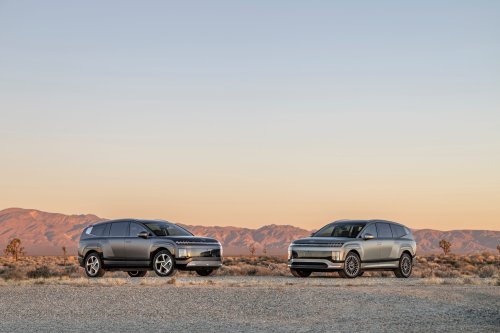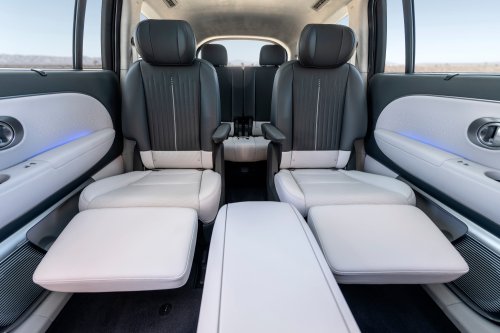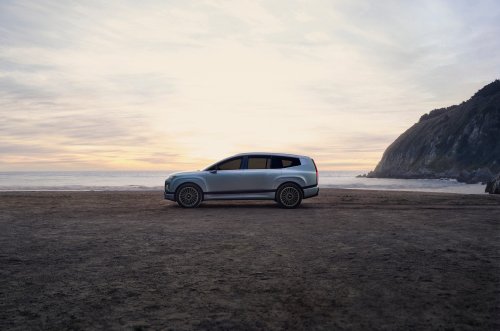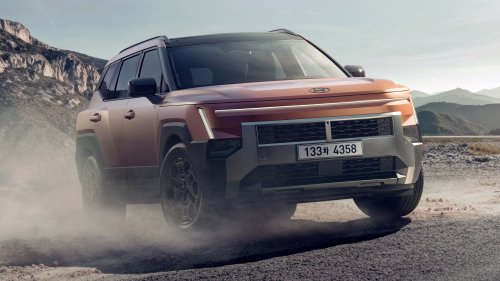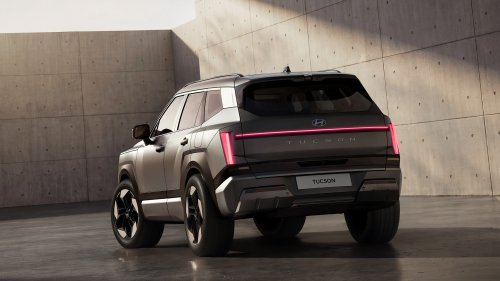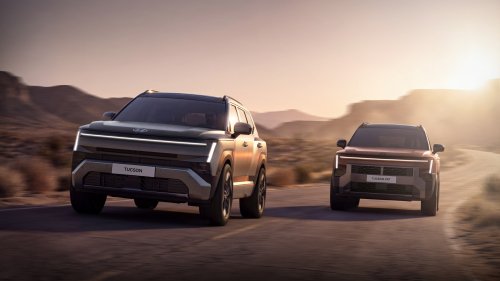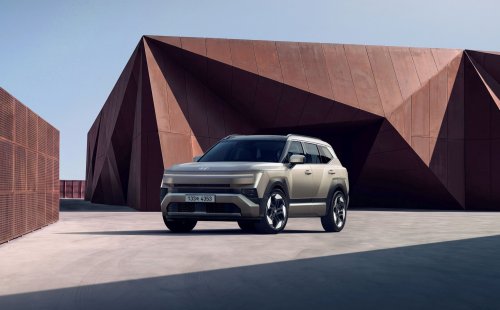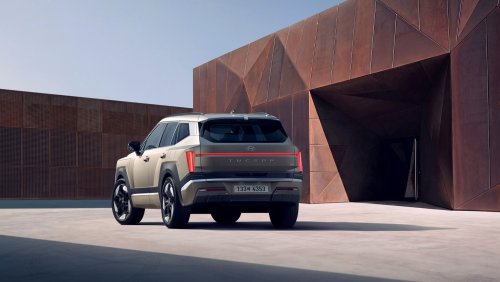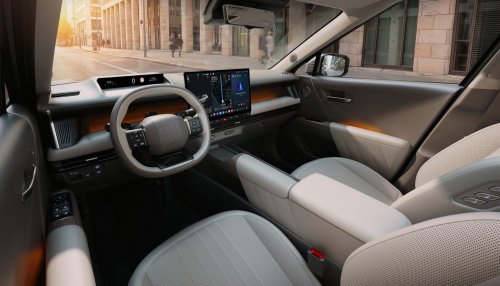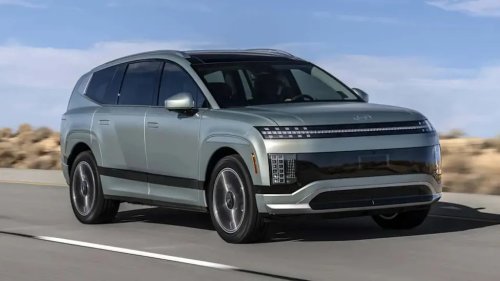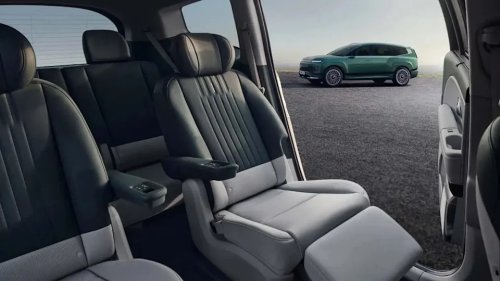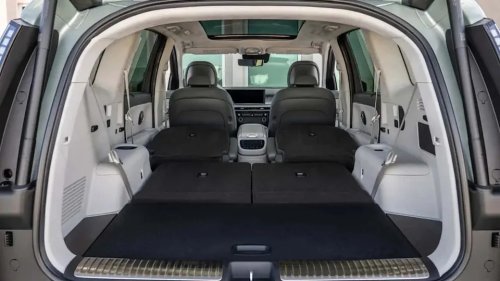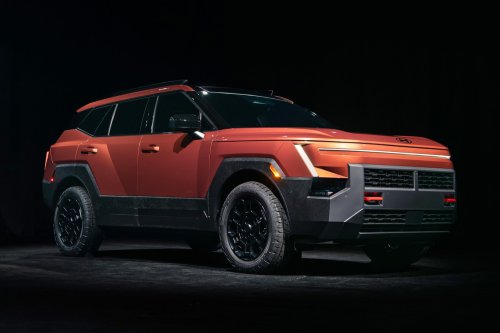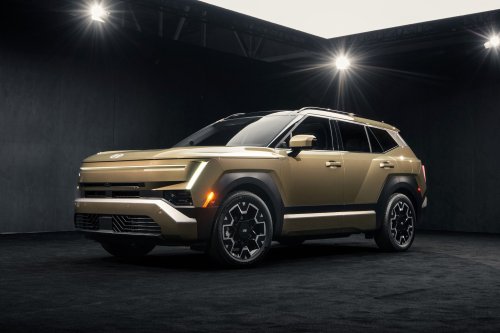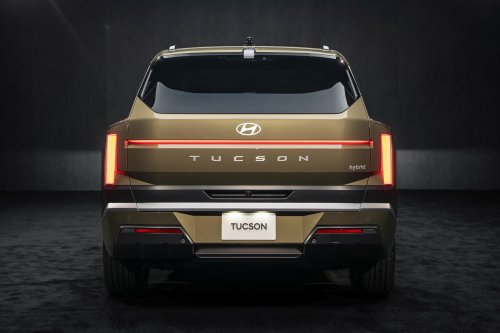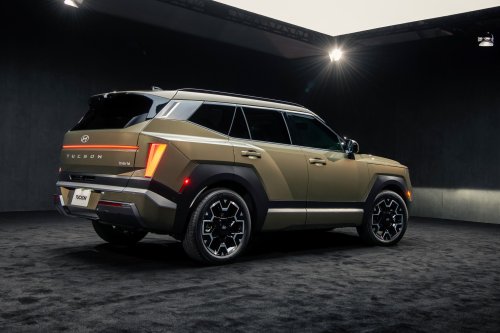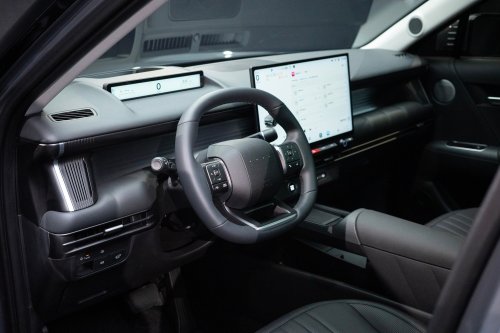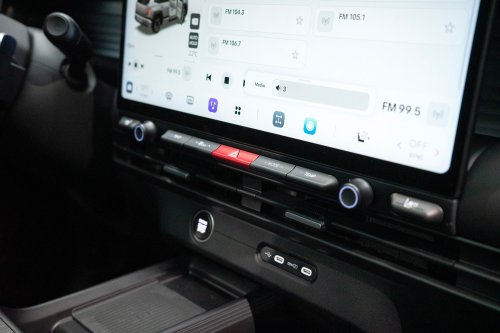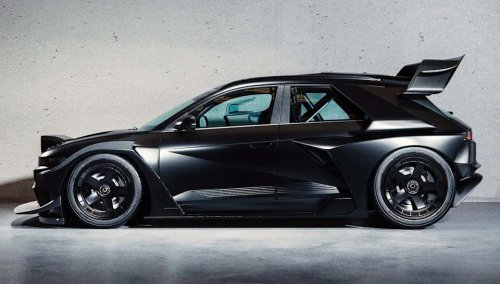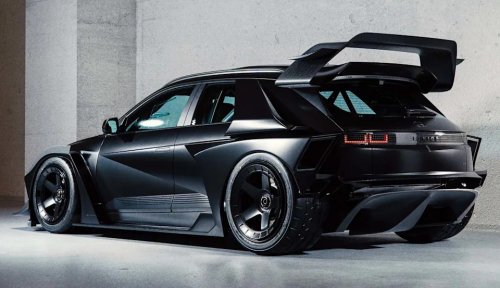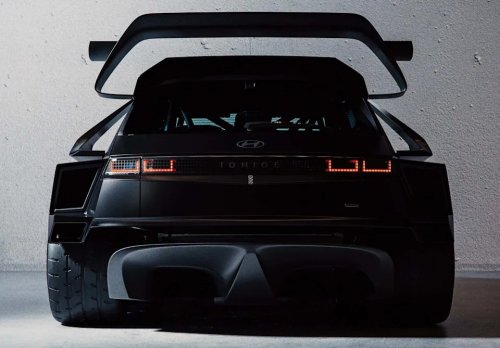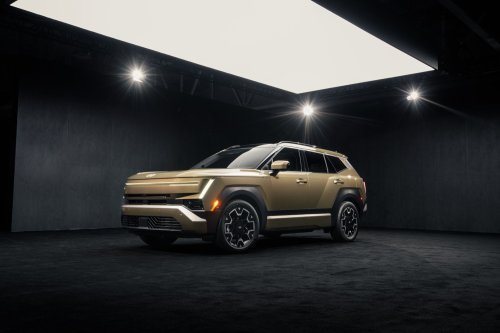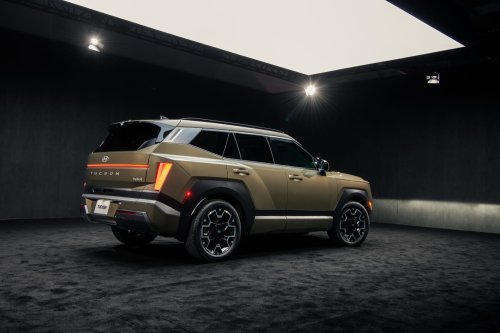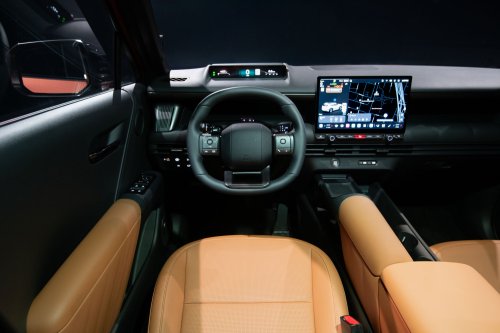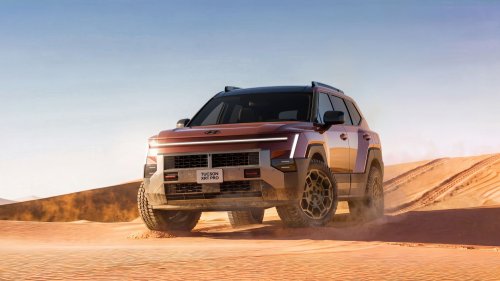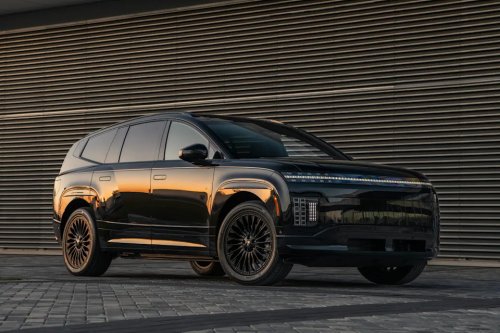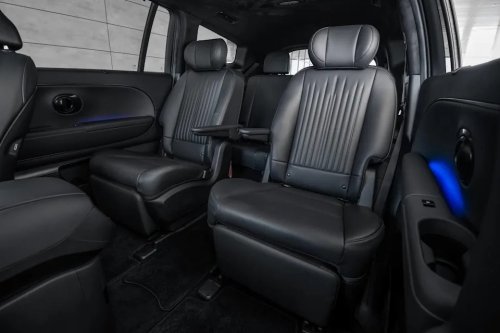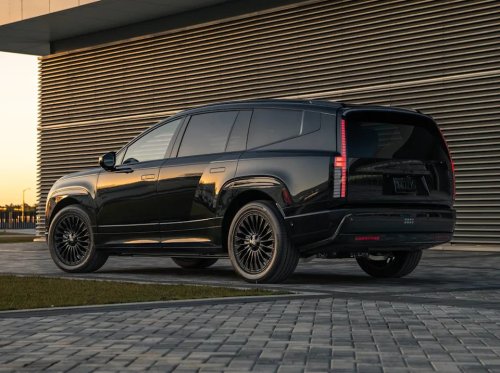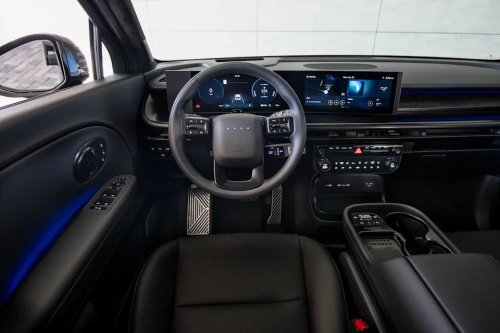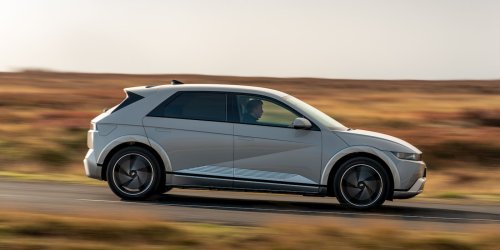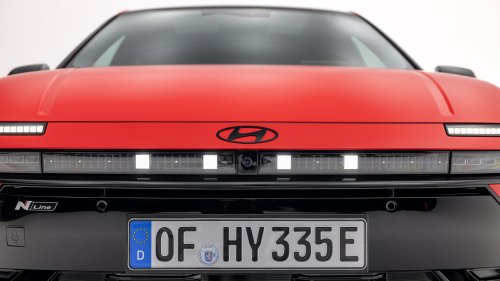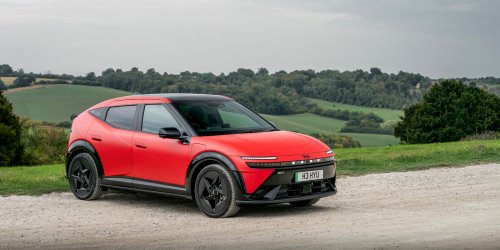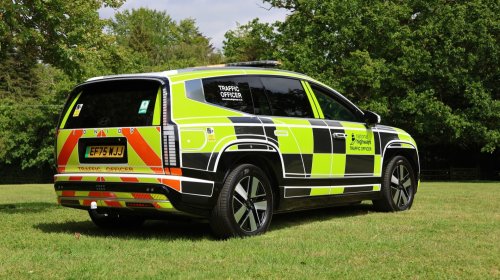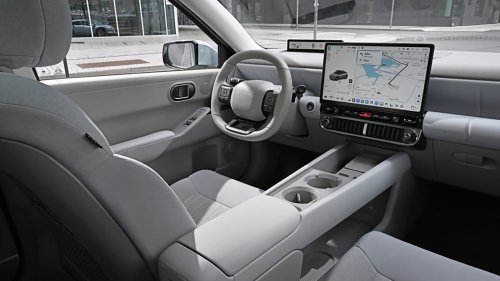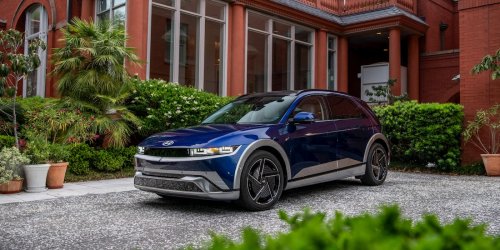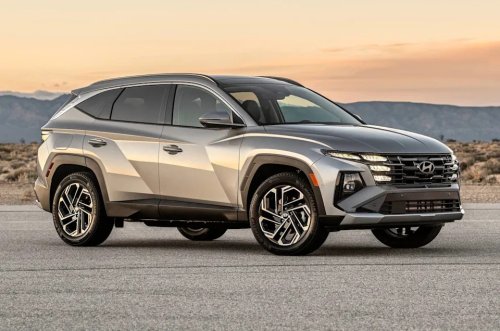



















Hyundai has confirmed that it’s working on two new SUVs that’ll join its electric Ioniq range. The first will be a larger and more family-friendly model that’ll sit above the Ioniq 5, with the other slotting nicely between the Kona EV – which is unlikely to be available in the UK in its next generation – and the supermini-sized Ioniq 3 hatchback. Few technical details have been revealed, but the news comes as part of a wider strategy that’s been announced by the company. The announcements couldn’t have come soon enough, either, given that sister brand Kia is winning the race to electrify more of its models more quickly – with the results of that already being seen on the sales charts. Timing for both of these new models is still yet to be confirmed, but they will be part of a wave of new models due for release in the next 12-18 months. Sitting between the Ioniqs 5 and 9 will be a new family-friendly two-row or occasional three-row SUV. This model will sit closer to the 5 in terms of both price and size, but will have a boxier shape to offer a more versatile interior. While there has been no official information about the newcomer’s name, we suggest Ioniq 7 would best describe what we’re expecting to see. Given its size and eventual price point, this new model will include an 800V architecture that’ll keep it competitive in the fast-moving electric SUV class. It’ll offer single and dual-motor layouts, but it’s still too early to know specifics such as battery sizes and range projections – although it’ll need a range of at least 400 miles to keep up with the existing competition. This will also be one of the new Hyundai models to incorporate the next generation of design and digital interfaces, including the new Pleos infotainment system and a further evolution of the design language featured on the Ioniq 3. In terms of positioning, the Ioniq 7 will be priced just above its Ioniq 5 sibling, leaving some space above for the three-row and more premium-focused Ioniq 9. This would suggest a starting price of between £45,000-£50,000 in the UK, with high-spec dual-motor variants still leaving a gap to the Ioniq 9’s base price of just under £65,000. Joining the recently revealed Ioniq 3 will be a similarly sized B-segment SUV, helping to broaden the company’s electric offerings in this massive European marketplace. Given that the Ioniq 3 will be relatively close in size, this new model – which we’ll refer to as the Ioniq 4 for now – will aim for more of a lifestyle appeal thanks to a boxier and more rugged design rather than sporty driving dynamics. The pair will share a similar interior design, with a relaxed ‘living room’-like cabin and another use of the Pleos infotainment system. Space inside is where the true differences will lie, though, because the Ioniq 4 should have more rear head and legroom, as well as a larger and more versatile boot. The powertrains will also draw from the same toolkit, so expect a similar range of battery options in 42kWh and 61kWh specifications, running a single front-mounted e-motor. Given its placement above the Ioniq 3, and a potential for a hot Ioniq 4 N variant, we’d suggest it’ll also be available at some point with a dual-motor option. While this might sound like it would get in the way of a new Kona Electric, it’s expected that the new generation of Kona will lose its all-electric powertrain option, sticking with a purely hybrid range of engines. Pricing for the Ioniq 4 will also need to remain competitive with a new glut of similarly sized EVs from the VW Group and Renault, suggesting a starting price of around £25,000 – some £2,500 more than the entry-level Ioniq 3. If you’re in the market for a new Hyundai with any powertrain, check out the Auto Express Buy a Car service now for all the latest deals...