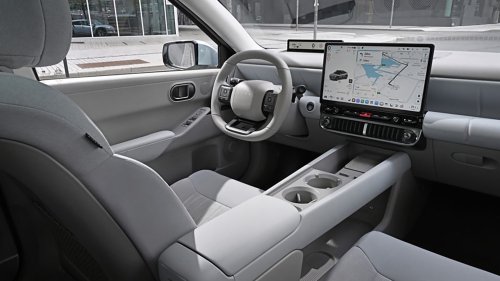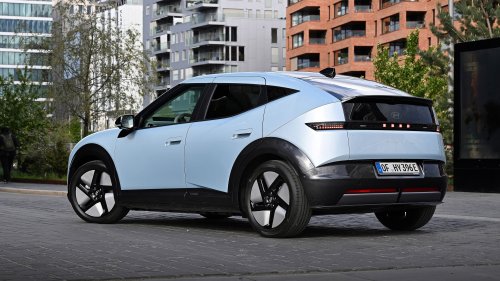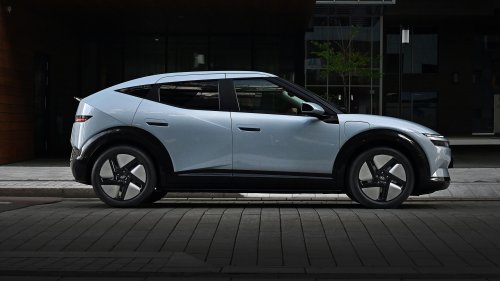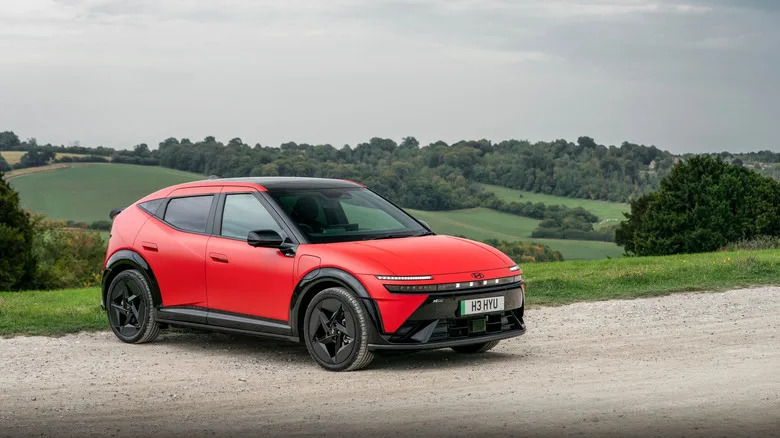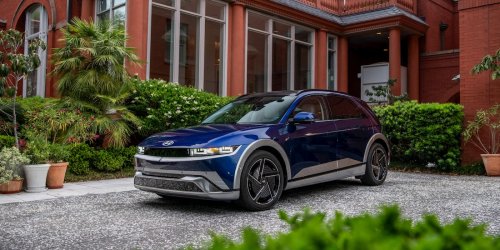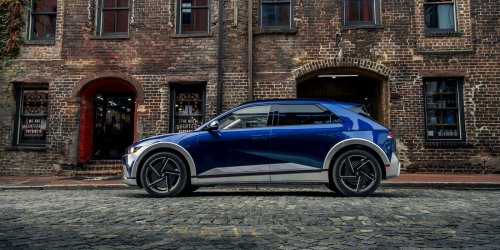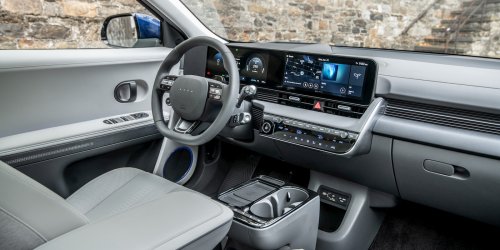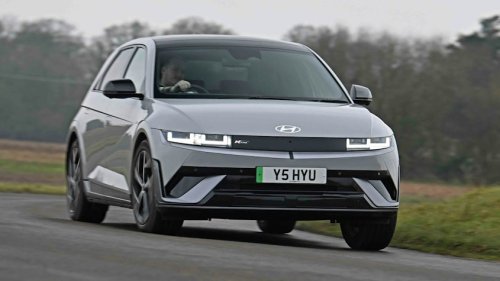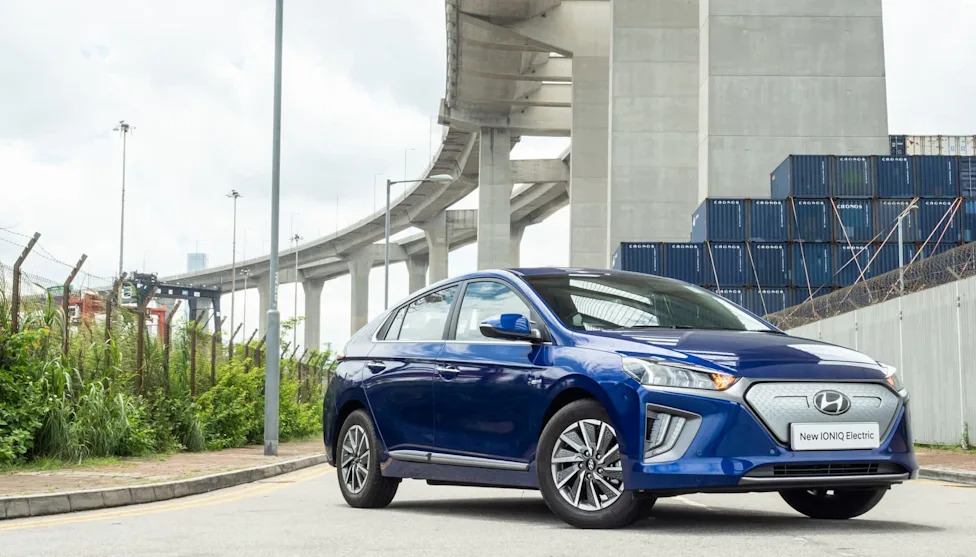



















Photo Credit: iStockMany shoppers looking for used EVs often assume that a bigger battery automatically means a better deal. Hyundai's original Ioniq Electric is a reminder that, in some cases, the opposite may be true.In Norway, where older EVs have become especially accessible, the first Ioniq's modest 28-kilowatt-hour battery is part of what makes it such an intriguing bargain.Here's what to knowAccording to a buyer's guide video from the YouTube channel Out of Spec Roaming (@OutofSpecRoaming), the original Hyundai Ioniq Electric still stands out as a strong budget option on the used EV market. AdvertisementAdvertisement"There is a car on the used market today that will do 10 km per kWh, absolutely incredible efficiency," the creator began, underscoring its efficiency. The Ioniq's run stretched from 2016 to 2022, with U.S. sales beginning in 2017 and a facelift arriving in 2019. Even with that later update, Out of Spec Roaming suggested the earlier 28-kWh version is the one to prioritize over the newer 38-kWh variant.For drivers who care about trip timing, the smaller battery may actually be the better pick. Out of Spec Roaming said the 28-kWh car can hit about 70 kilowatts and go from 10% to 80% in roughly 25 minutes, while the 38-kWh version is typically limited to around 45 to 50 kilowatts and takes nearly twice as long for the same stop.In Norway, the creator said, some used versions of the model can sell for well under 10,000 euros.More backgroundA highly efficient older EV can mean lower fueling costs, less routine maintenance than a gas-powered vehicle, and a practical way to cut pollution without paying new-car prices.AdvertisementAdvertisementThe video also said the 28-kWh battery appears to age exceptionally well when measured with proper degradation testing. At the same time, Hyundai's displayed battery-health reading may not tell the whole story because a built-in buffer can mask some early wear.Anyone considering the 38-kWh car should check the vehicle identification number since the creator said that version is covered by an active recall tied to fire risk. The 28-kWh model avoids that particular problem, but it has its own track record, including a grounding-related recall and a widely discussed undersized 12-volt battery.What can be done?Charging speed, efficiency, and recall history can matter as much as battery size. A lighter EV that uses electricity sparingly can save serious money over time, especially for commuters.Charging an EV at home can be cheaper than relying on public chargers, but basic Level 1 charging tends to be slow. That's where Qmerit can help since it provides free, instant installation estimates for faster Level 2 home charger installations.AdvertisementAdvertisementIf you're trying to identify which Ioniq you're looking at, the video recommended checking several details rather than assuming from model year alone. Out of Spec Roaming said grill design, horsepower, infotainment size, and whether the car falls before or after the late-2019 transition can all help confirm whether it's the 28-kWh or 38-kWh version.For many households, the better fit may be as a home-charged commuter or second vehicle instead of a do-everything car. That's especially true if regular driving stays comfortably inside the model's practical winter range.Get TCD's free newsletters for easy tips, smart advice, and a chance to earn $5,000 toward home upgrades. To see more stories like this one, change your Google preferences here.