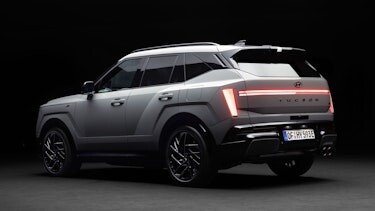
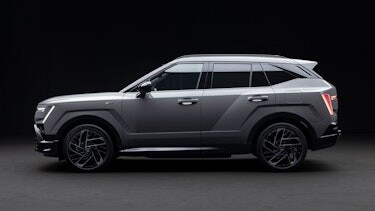
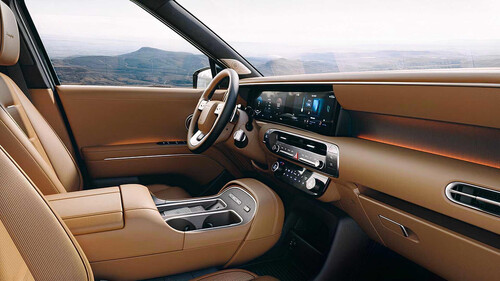
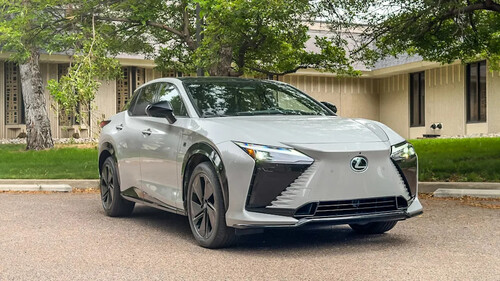
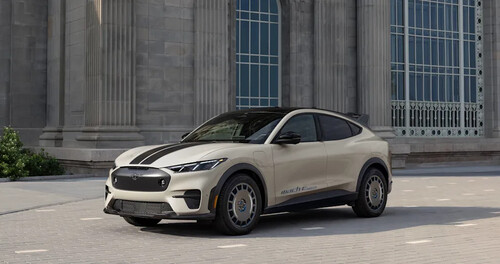
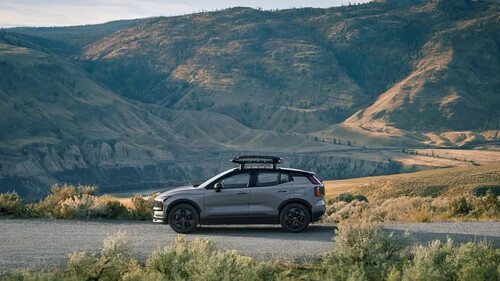
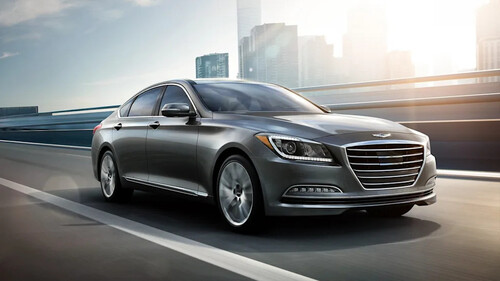
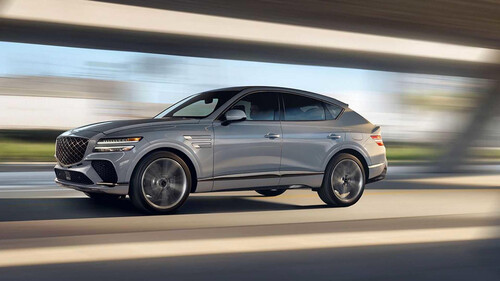
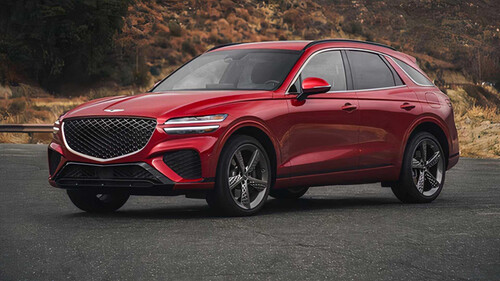
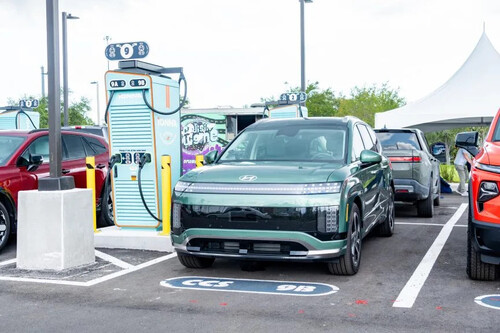
Hyundai Vs. Genesis Reliability: It’s Not Even CloseAutoblogJohn TallodiFri, September 11, 2026 at 5:12 PM UTCAdd us on GoogleAutoblog and Yahoo may earn commission from links in this article.Hyundai's luxury sub-brand Genesis become a standalone offering in 2015, with the first Genesis branded model, the G90 arriving in 2017. Like Lexus, Acura, and Infiniti which all came before it, this method of breaking into the financially lucrative luxury car segment isn't new, but Hyundai has gone to great lengths to build a range of models that deliver a unique and very upmarket driving experience, even if some of their underlying technologies are shared with lesser Hyundai models.Lexus and Acura have both benefitted from platform sharing, both in terms of production efficiency and overall reliability, an area where complex luxury cars tend not to do well in. Genesis models aren't always so closely related to Hyundai vehicles, but there is still a lot of overlap, so we wanted to see how they compare in terms of durability with each other as well as within their own segments. Read on to find out.AdvertisementAdvertisementThe reliability data below was sourced from Consumer Reports (CR), a highly trusted independent testing authority. Consumer Reports is credible because it accepts no paid advertising, purchases all its test vehicles anonymously, and uses real-world survey data from vehicle owners.Hyundai vs Genesis – Brand Reliability OverallChase BierenkovenView the 2 images of this gallery on the original articleHyundai has undergone a massive change over the past decade, rising from its long time positioning as a bland yet competent alternative to other mainstream brands, to a stylish and high-tech auto manufacturer that still has a strong focus on value-for-money. As of 2026 Hyundai is ranked 4th among 17 mainstream brands assessed in the latest Consumer Reports survey, and 12th out of 26 brands in predicted reliability for new models. In terms of maintenance and repair costs, it is one of the cheapest of all brands, coming in at 4th overall, and the impressive new car warranty helps keep unplanned costs to a minimum.Genesis as a brand has also moved upmarket, aided by the technological and drivetrain developments of its parent company. It has a smaller range of offerings, but far more standard tech and while it scores a middle of the pack 7 out of 14 for luxury brands overall, it was well below average for reliability, and its road test and owner satisfaction scores were what pulled it up from the lower ranks.Hyundai vs Genesis – Individual Model ReliabilityCole AttishaView the 2 images of this gallery on the original articleAdvertisementAdvertisementHyundai has a wide range of SUVs, sedans, and trucks on offer, powered by everything from pure gas to pure electric powertrains. In comparison Genesis has just nine models currently on sale, and several of those are variations of the same model. We picked a selection of offerings from both manufacturers that are most closely related to each other under the skin, to see which delivered better reliability.Hyundai Tucson & Genesis GV70Compact SUVsTucson:1GV70:0The Tucson compact SUV scored the highest reliability scores across all Hyundai models for 2026. The Genesis GV70 is also a compact SUV, but competes in the luxury segment using a separate rear-wheel drive platform. The Tucson is available with several powertrains, but the relative simplicity of its high-volume base models gives it the edge in reliability.AdvertisementAdvertisementThe GV70 is offered with two turbocharged engines, which are powerful but more susceptible to issues. Owners of the GV70 have frequently logged complaints regarding rear differential noise or failures, low-pressure fuel pump issues, electronic infotainment crashes, and persistent sensor glitches. While this issue is common to several Genesis models, long dealership wait times for specialized warranty parts turn minor failures into major headaches for owners.Hyundai Ioniq 5 & Genesis GV60Electric SUVsIoniq 5:1GV60:0Both vehicles share Hyundai Motor Group's dedicated E-GMP electric vehicle platform, which explains their similarly low scores, but the Genesis GV60 trails slightly behind due to its added luxury electronics and features. The defining issue bringing down scores for both the Ioniq 5 and the GV60 is the high-voltage Integrated Charging Control Unit (ICCU). A faulty ICCU can cause a sudden loss of power or a refusal to start.AdvertisementAdvertisementAdditionally, owners across both models have reported software glitches affecting the charging port and battery management systems. Unfortunately, this is a case where platform sharing is detrimental to both brands. Both scored highly in road tests, and predicted owner satisfaction is also above average, but long term durability needs to be sorted out for them to challenge the class leaders overall.Hyundai Palisade & Genesis GV80Midsize three-row SUVsPalisade:1GV80:0Larger luxury vehicles tend to perform poorly in reliability surveys, and this has proven to be the case with the 3-row midsize Genesis GV80. It fell well behind its luxury rivals and trails the Hyundai Palisade by some margin as well. These two models don't share many components, and the GV80's added complexity has once again hampered its overall durability.AdvertisementAdvertisementOwners reported issues from sudden power loss under acceleration, to digital gauge cluster blank-outs, failed headlamp and horn modules, and transmission shift hesitation. The Palisade, meanwhile, scored in the middle of its category, as well as being way more reliable than the GV80. Its standard fitment naturally aspirated V6 and torque-converter automatic transmission are proven units, and most problems reported were far more minor, such as minor exterior trim fading, cabin squeaks, or adaptive cruise sensor issues.Hyundai vs Genesis – Which One Is More Reliable?GenesisView the 3 images of this gallery on the original articleIn general, sister brands like Toyota/Lexus and Honda/Acura tend to have broadly similar reliability levels. This is thanks to the shared components that are often developed for use in several different vehicle platforms. Hyundai also employs this strategy, but it has had more mixed results, with Genesis vehicles being far less reliable overall.While the impressive 10-year/100,000-mile powertrain warranty is common to both brands, the added complexity and high-tech nature of Genesis vehicles has resulted in more problems and places it at the low end of the luxury vehicle segment. Hyundai is ranked about average among mainstream manufacturers, but it also has room for improvement, especially with regard to its EV offerings.AdvertisementAdvertisementResearch Note:Consumer Reports is widely regarded as one of the most trusted sources in automotive evaluation because it operates as an independent, non-profit organization that accepts no corporate sponsorship or advertising.Its predicted reliability and owner satisfaction scores are calculated using data gathered from annual surveys filled out by hundreds of thousands of vehicle owners detailing real-world mechanical repairs and electrical faults.For exact results on the models mentioned please visit consumerreports.org.This story was originally published by Autoblog on Sep 11, 2026, where it first appeared in the Features section. Add Autoblog as a Preferred Source by clicking here.