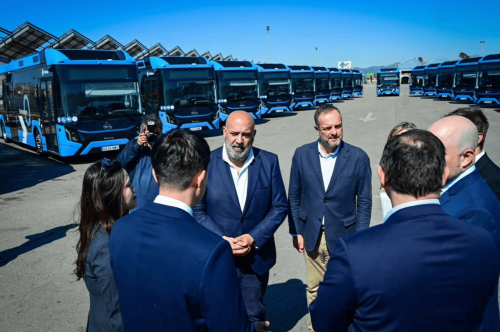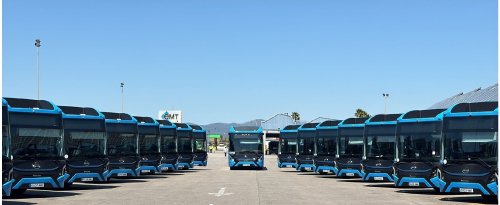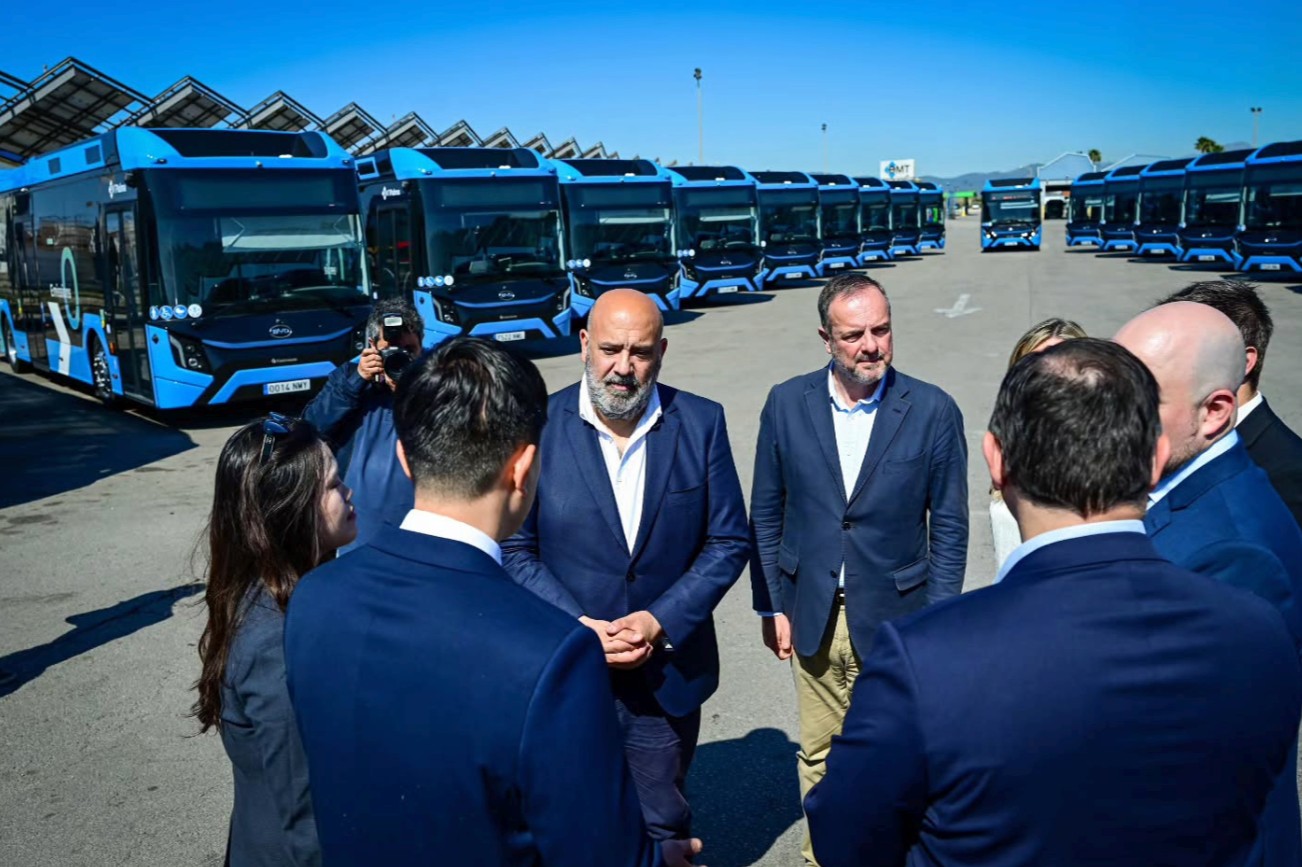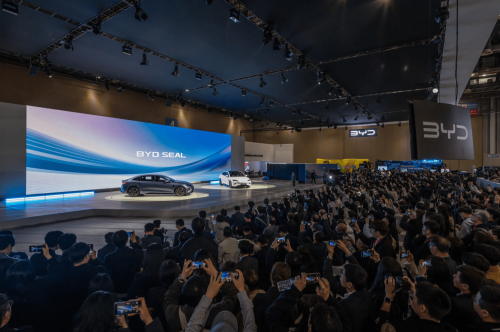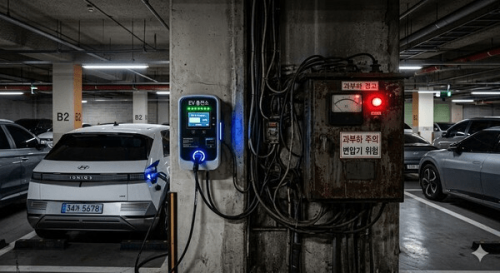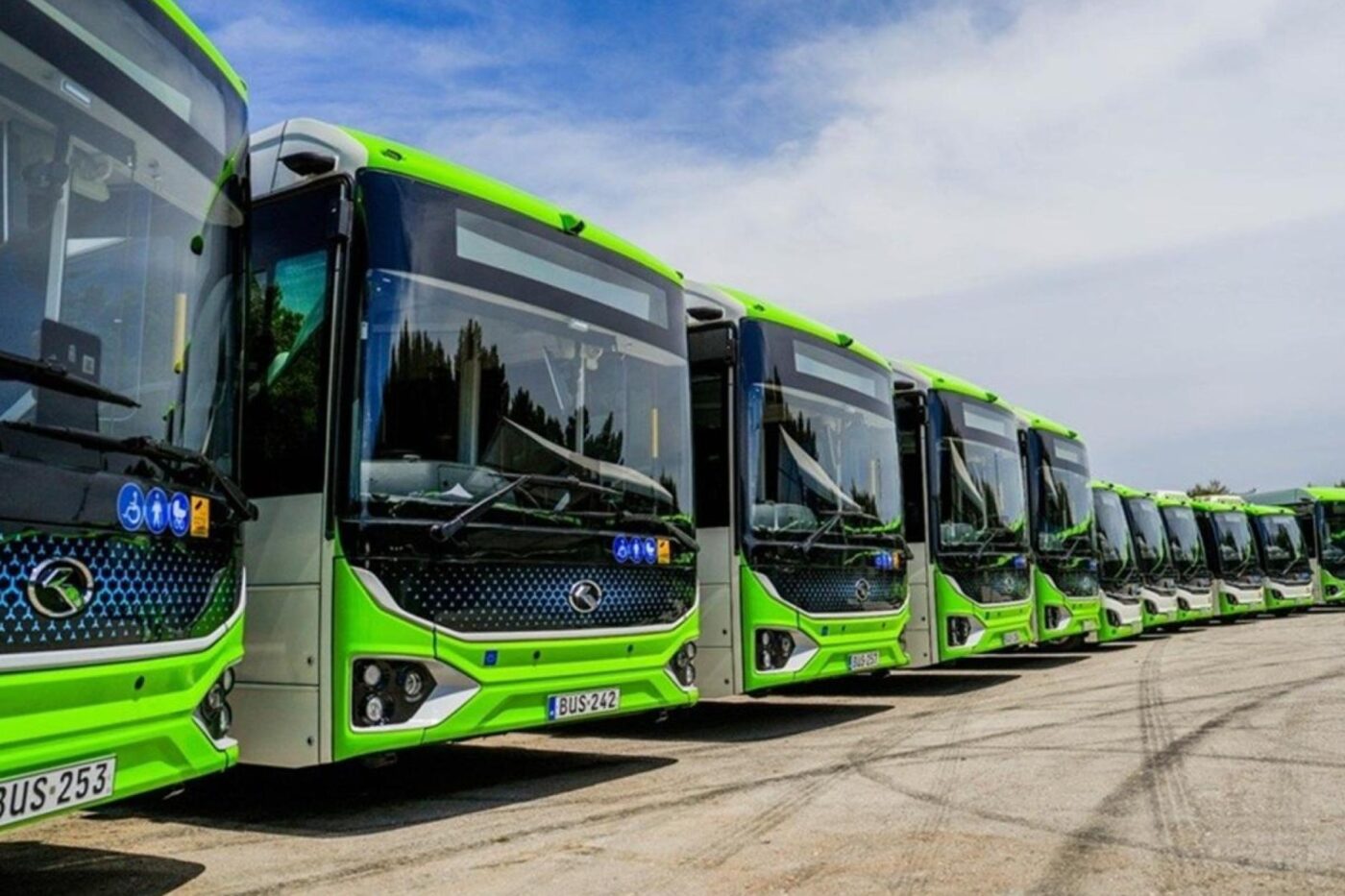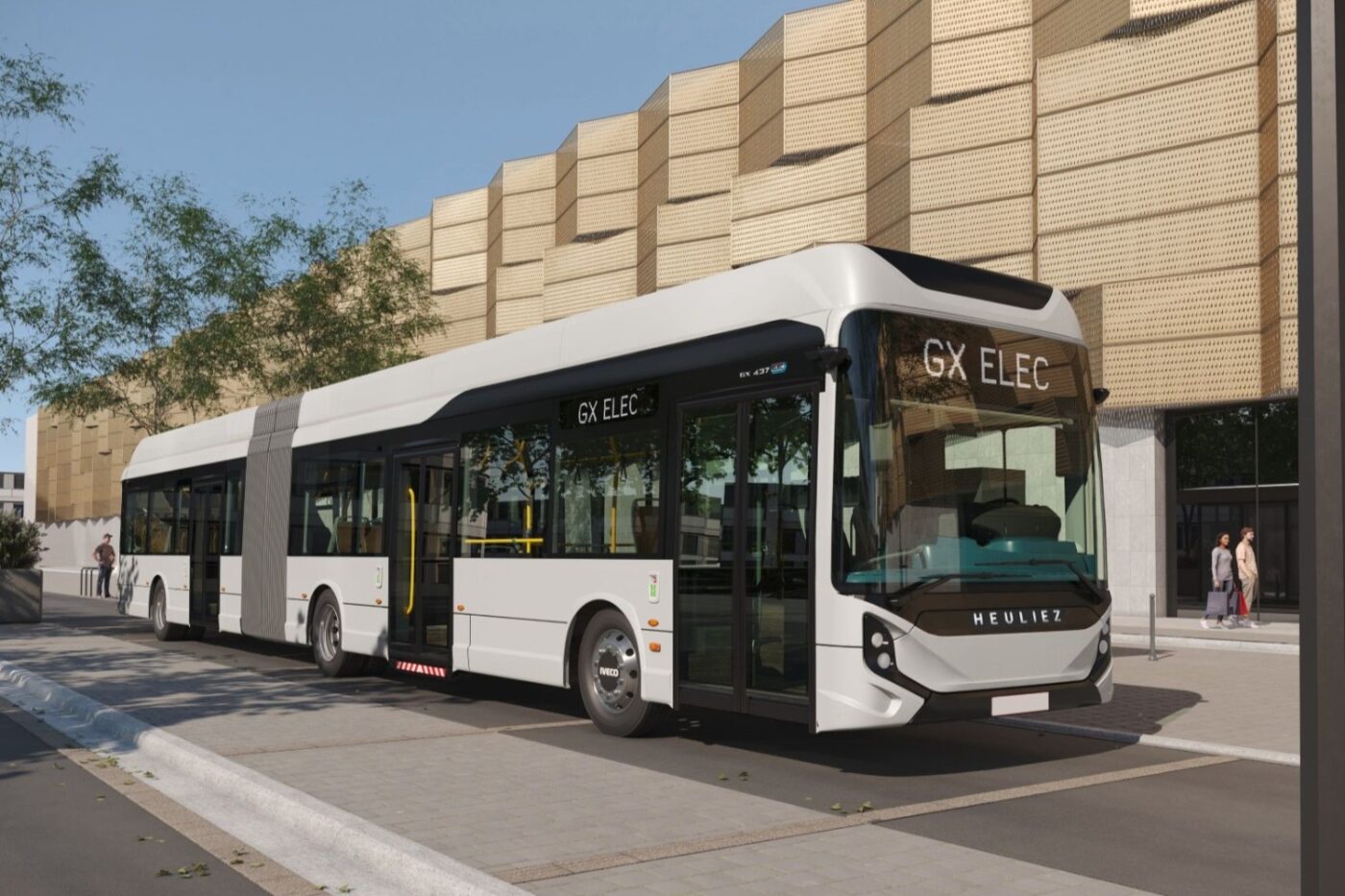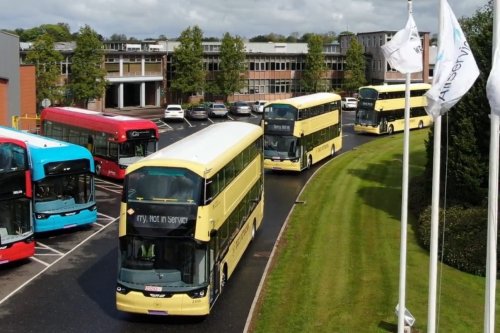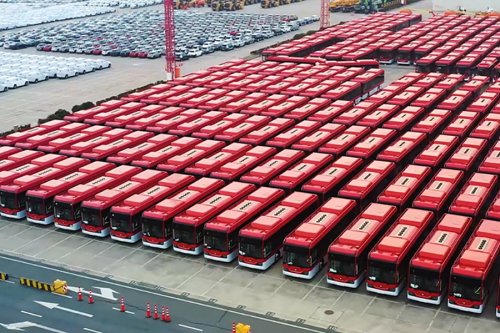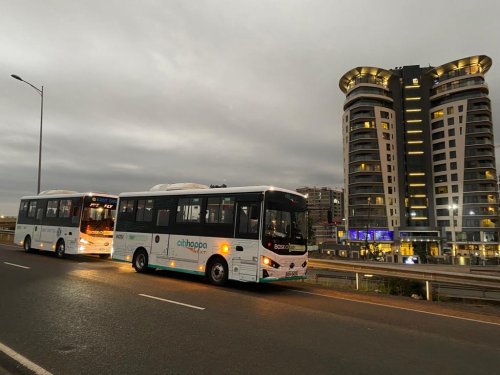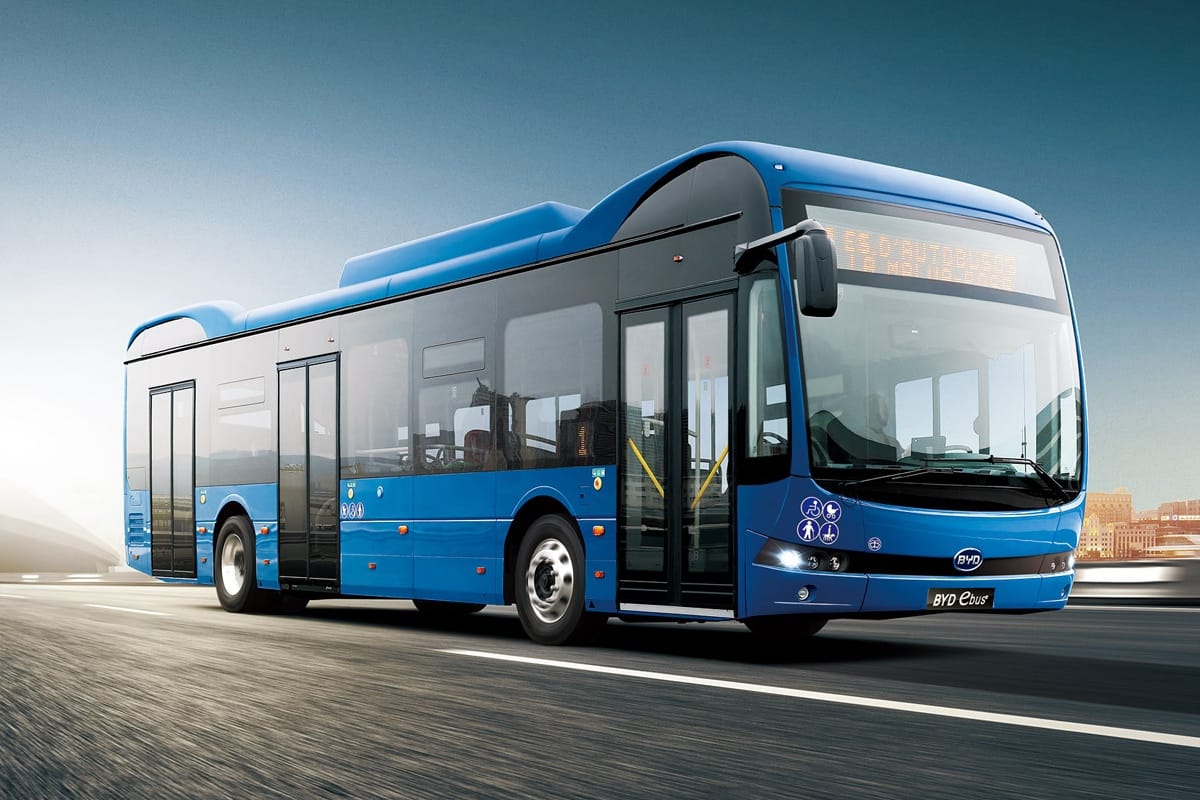


















E-bus by BYD (archive image)Image: BYDThe Ministry of Land, Infrastructure and Transport (MOLIT) has amended the subsidy conditions for the purchase of battery-electric buses by public transport operators, with a particular focus on the batteries used. This measure is designed to make it harder for Chinese manufacturers such as BYD, Higer, or Zhongtong to qualify for South Korea’s subsidy programme in the future.Previously, a flat subsidy of 87 million Won (approximately €50,000 euros) was granted per low-floor bus. From now on, up to 90 million Won (approximately €52,000 euros) per bus will be available. However, vehicles with low battery energy density will no longer be eligible for funding.This change is intended to make the purchase of Chinese electric buses less attractive for public transport operators. The key adjustment targets battery energy density, introducing a differentiation coefficient that disadvantages lithium iron phosphate (LFP) batteries – commonly used by Chinese manufacturers. To qualify for full subsidies, batteries must now achieve an energy density exceeding 500 Wh/L, a standard met by nickel-cobalt-manganese (NCM) batteries produced by domestic manufacturers such as LG Energy Solution, SK On, and Samsung SDI.In contrast, batteries with an energy density of 365 Wh/L or less will see their subsidies significantly reduced, with only a factor of 0.4 applied. As most Chinese electric buses rely on LFP cells – which often fall into this lower range due to their design – their subsidies in South Korea will effectively be more than halved overnight.This move could bolster domestic bus manufacturers such as KGM Commercial and Hyundai, after Chinese electric buses had already secured a 34 per cent market share in South Korea. At the same time, the country is grappling with a form of ‘battery trauma’: following a fire involving a Mercedes EQE with batteries from the Chinese manufacturer Farasis Energy in the underground car park of a residential building in Incheon in 2024, the South Korean government called on car manufacturers to disclose their battery suppliers. Since the incident, some Koreans have avoided vehicles with Chinese batteries. This sentiment is likely one reason why Porsche recently announced that it will only sell electric vehicles with South Korean battery cells in South Korea, as they are perceived as safer by parts of the population.chosun.com