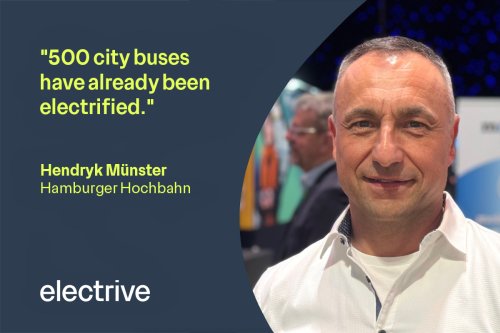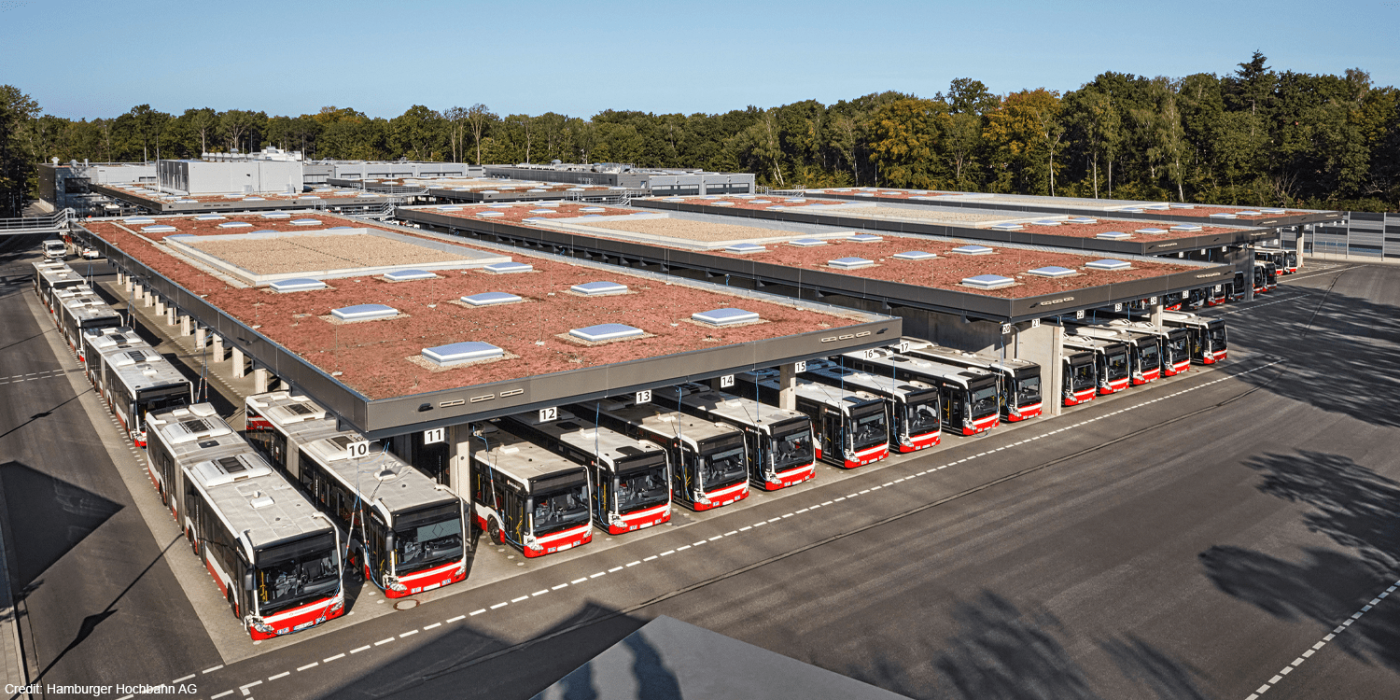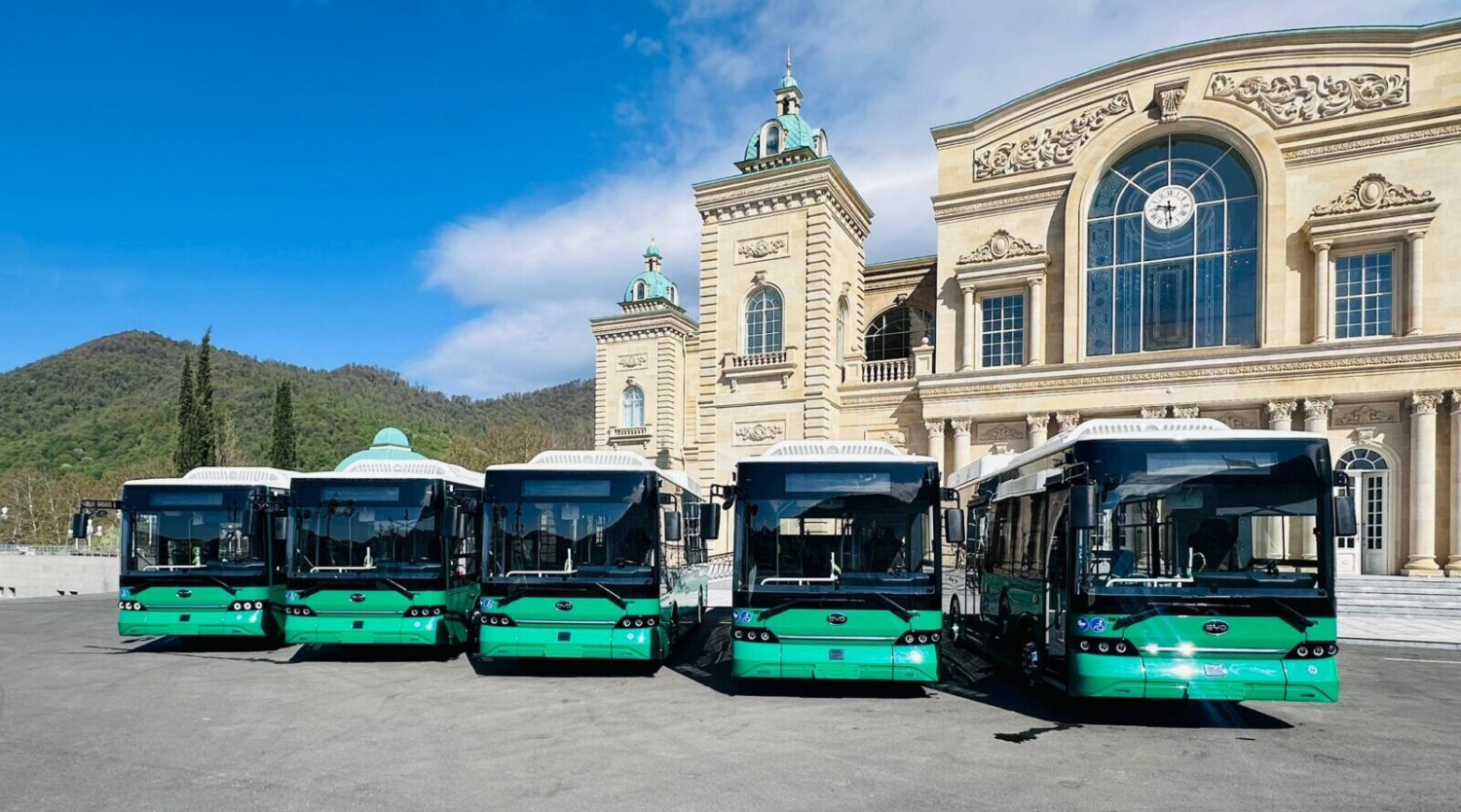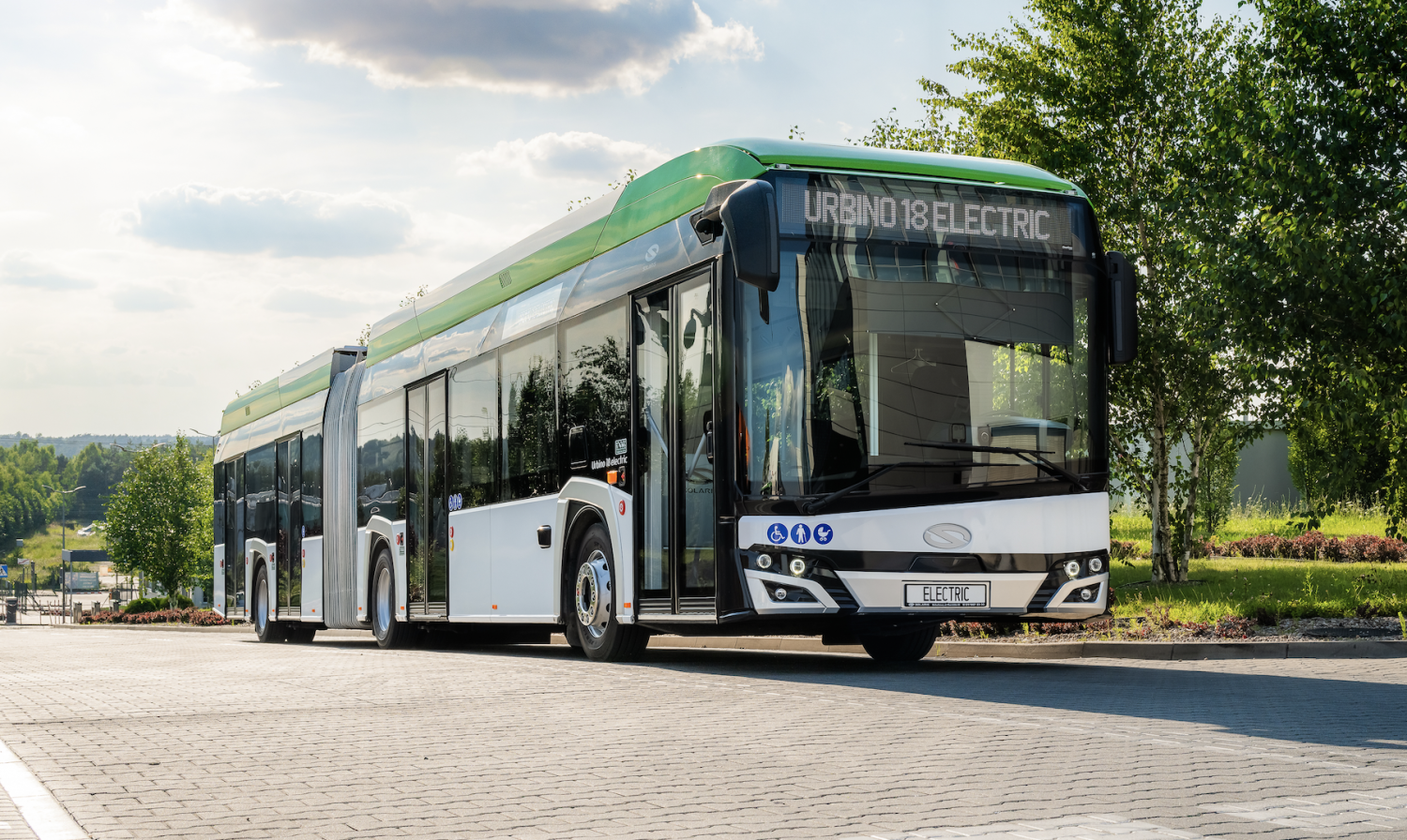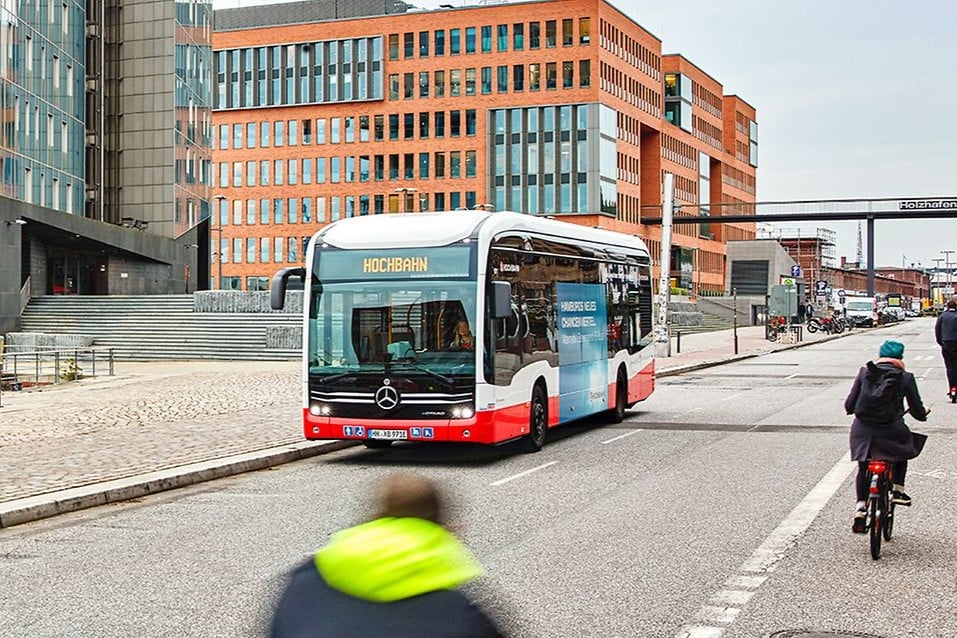


















Image: HochbahnHamburger Hochbahn is regarded as one of Germany’s pioneers in the electrification of public transport. Like Verkehrsbetriebe Hamburg-Holstein (VHH), Hochbahn had originally aimed to phase out diesel buses by 2030. However, both Hamburg transport organisations backtracked nearly two years ago and shifted their target to ‘the early 2030s’.’ At the time, 2032 was cited as the new goal.Yet even this target now seems unlikely to be met under the current plans. As is well known, Hochbahn has been procuring exclusively zero-emission buses since 2020. Currently, 432 buses operate as fully battery-electric, accounting for around 39 per cent of the total fleet. A small number of hybrid buses are also in service. In total, nearly 500 of approximately 1,200 city buses are now electrified, as Hendryk Münster, Head of Department at Hamburger Hochbahn, recently stated in an interview with electrive.With the planned procurement of up to 240 additional electric buses, the share of fully electric vehicles could rise to 60 per cent by 2031. The additional electric buses will likely come from the framework agreement concluded at the end of 2024 with Daimler Buses. At the time, Daimler Buses was named as the sole supplier for up to 350 electric buses of the types Mercedes-Benz eCitaro and eCitaro G. However, one year before the previously stated target year of 2032, around 40 per cent of the fleet would still not be fully electric.At the same time, Hochbahn has announced plans to expand its fleet by up to 150 additional vehicles, ‘which can be deployed flexibly and independently of the company’s own charging infrastructure.’ Since January 2026, existing conventionally powered vehicles have been gradually transitioned to HVO fuels to ‘significantly reduce the calculated CO₂ emissions for the part of the bus fleet not yet converted to battery-electric drive.’ However, this will only involve a ‘limited number of HVO-fuelled buses.’ Hochbahn has not provided further details.Hochbahn justifies the broader range of drive types in its fleet as a means to enhance the resilience of bus operations. Potential scenarios include large-scale disruptions to energy supply, sudden spikes in transport demand—such as during evacuations—and international developments that could impact energy and fuel availability. The additional vehicles are intended to ensure the operational capability of bus services even if the company’s own charging infrastructure is only partially available.“Our direction remains clear: we are consistently advancing the electrification of our bus fleet. At the same time, we bear the responsibility of ensuring that public transport remains stable, flexible, and reliable even in exceptional situations,” said Robert Henrich, CEO of Hochbahn.Saskia Heidenberger, Board Member for Bus Operations, added: “A high-performance public transport system must achieve two things today: become more sustainable while also being resilient to crises and disruptions. These two goals are not contradictory but must be considered together.”The procurement of the new vehicles is part of a comprehensive contingency strategy to prepare for potential challenges. “It is a necessary complement to Hochbahn’s ongoing electrification efforts,” the public transport company states.hochbahn.de, ndr.de, zeit.de (all in German)