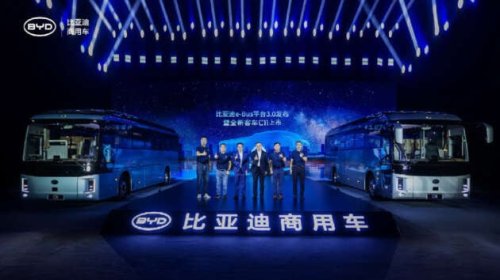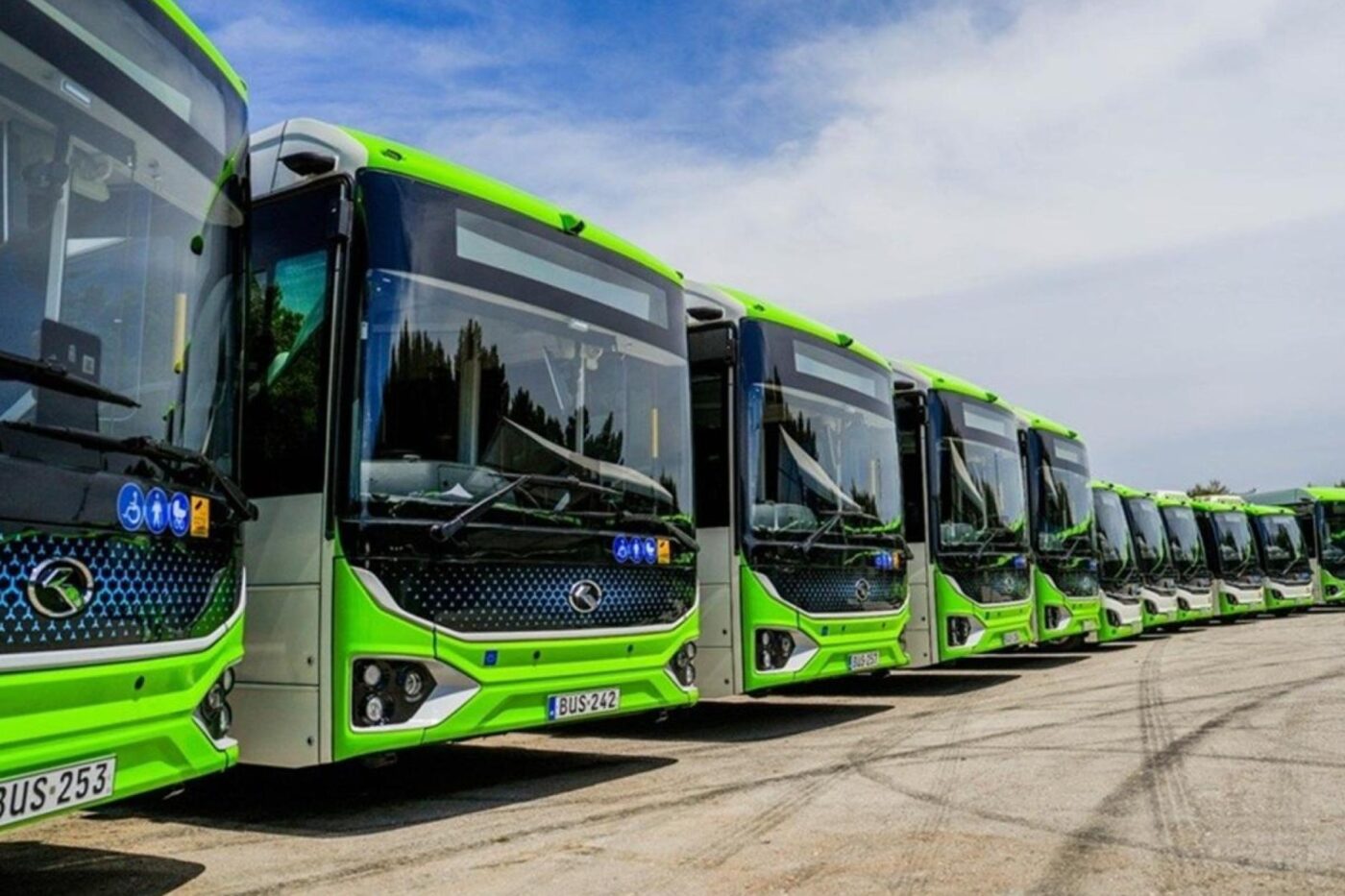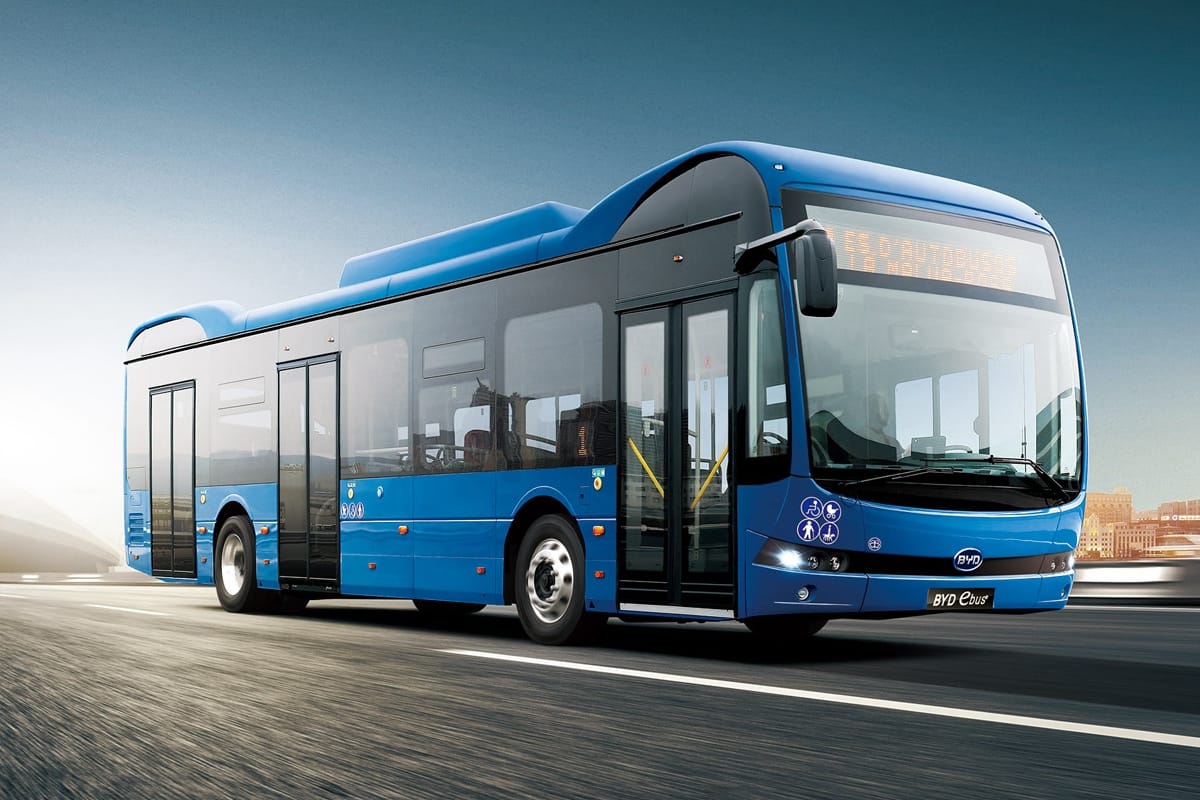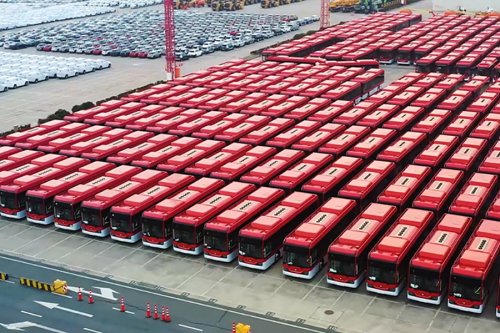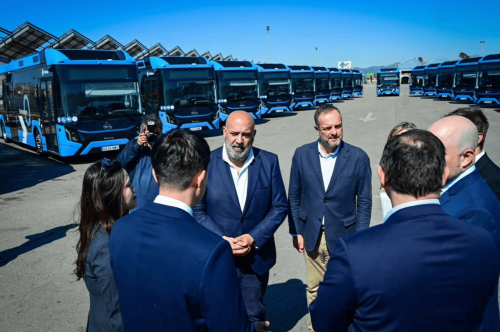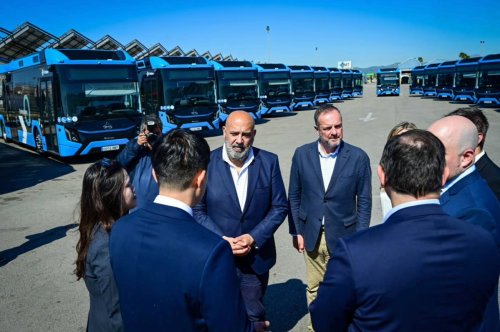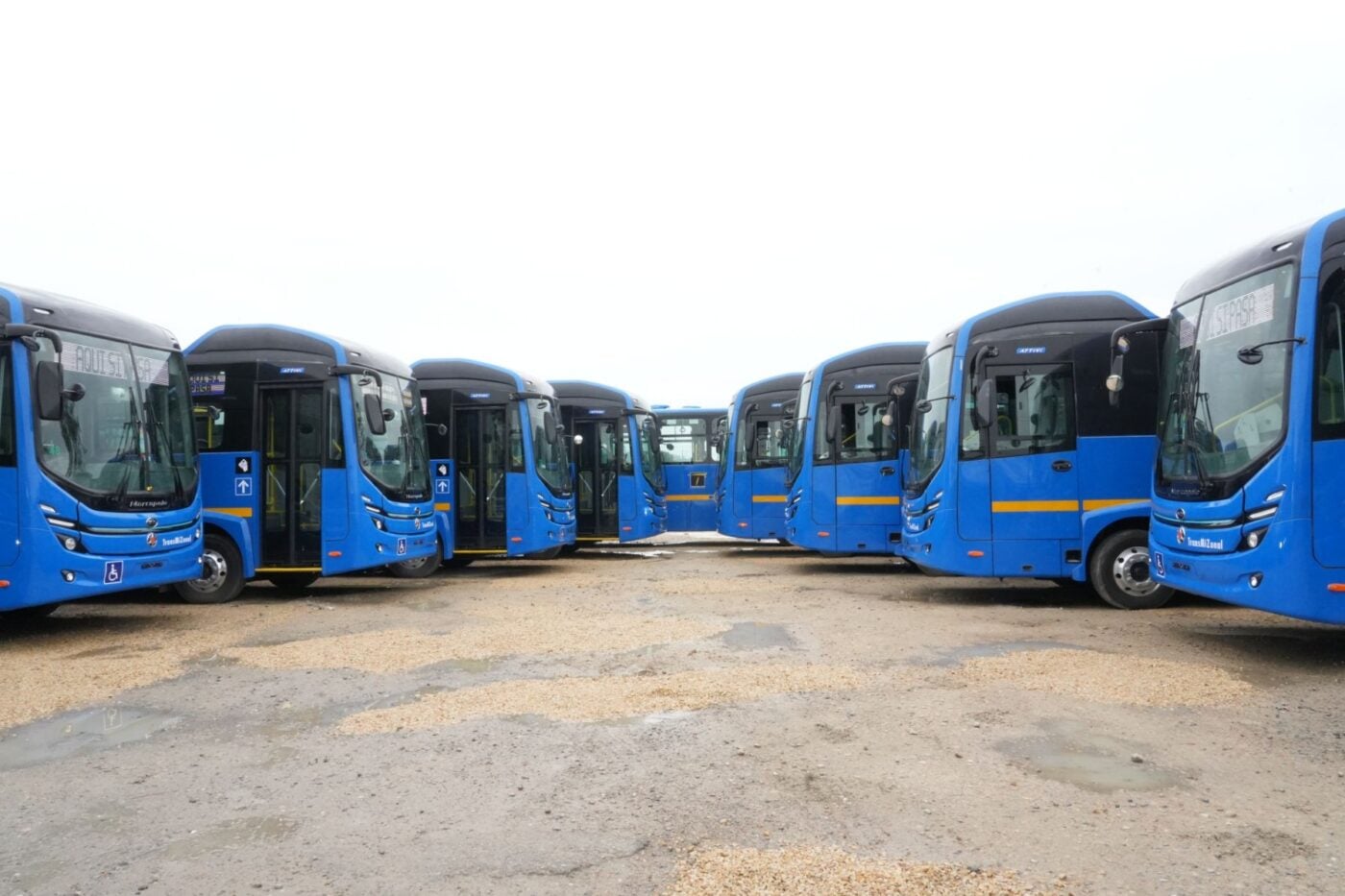



















Image: BYDThe delivery of 68 electric buses to TransMilenio marks the first batch of a much larger order totalling 711 vehicles. Their delivery is expected to be completed next year. These battery-electric buses will replace conventionally powered buses that have been in service for over 15 years, offering cleaner, safer, and more comfortable transport for passengers.“Bogota is not stopping in the modernisation of its transportation system. This is a very important leap in mobility, sustainability, and quality of life for the citizens,” said Mayor Carlos Fernando Galan. “The buses that are leaving are from another era. Today, safer, more comfortable, and environmentally friendly vehicles are entering the fleet, reflecting Bogotá’s progress towards clean transportation.”A central element of the project is the local production of the buses in Colombia by Marcopolo Superpolo. According to TransMilenio, the initiative supports 1,330 direct jobs and strengthens a network of around 180 domestic suppliers.However, the electric buses are not fully manufactured by Marcopolo Superpolo. Bodywork production, interior fittings and final assembly take place at the company’s plant in Cota, near Bogotá, while the chassis is supplied by BYD, including the batteries, electric motors and control electronics. As a result, the buses carry the branding of both companies.This is not the first time the two companies have collaborated. In 2018, Marcopolo, the Brazilian parent company of Marcopolo Superpolo, unveiled a 13.2-metre-long battery-electric bus called the D9W together with BYD. In 2021, they followed this up with an electric articulated bus.columbiaone.com, mobilityportal.eu, bogota.gov.co (in Spanish)