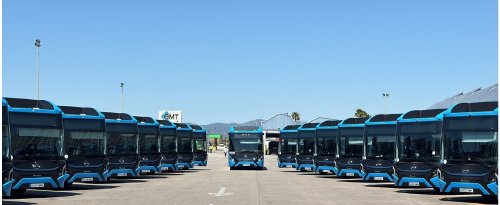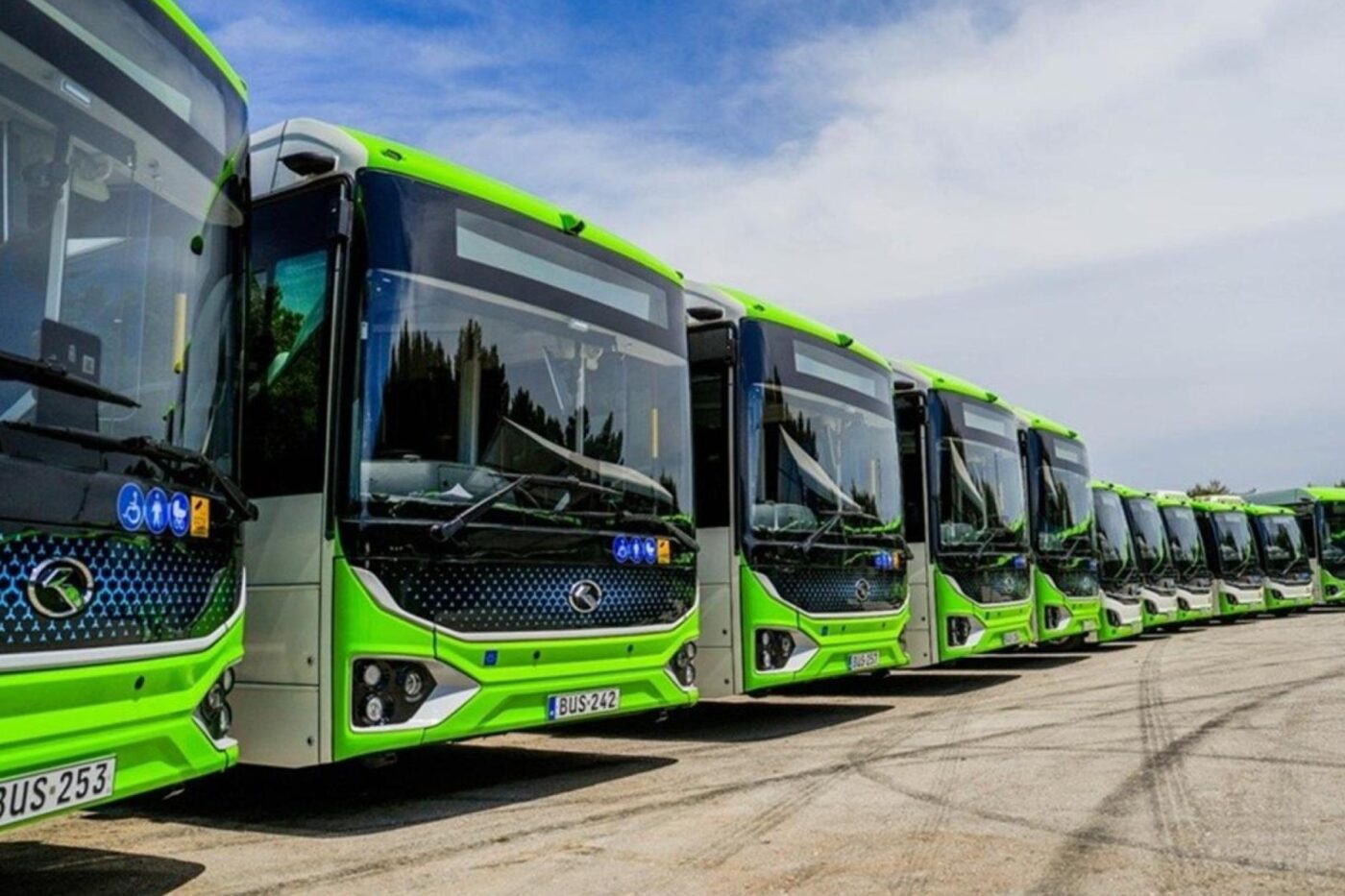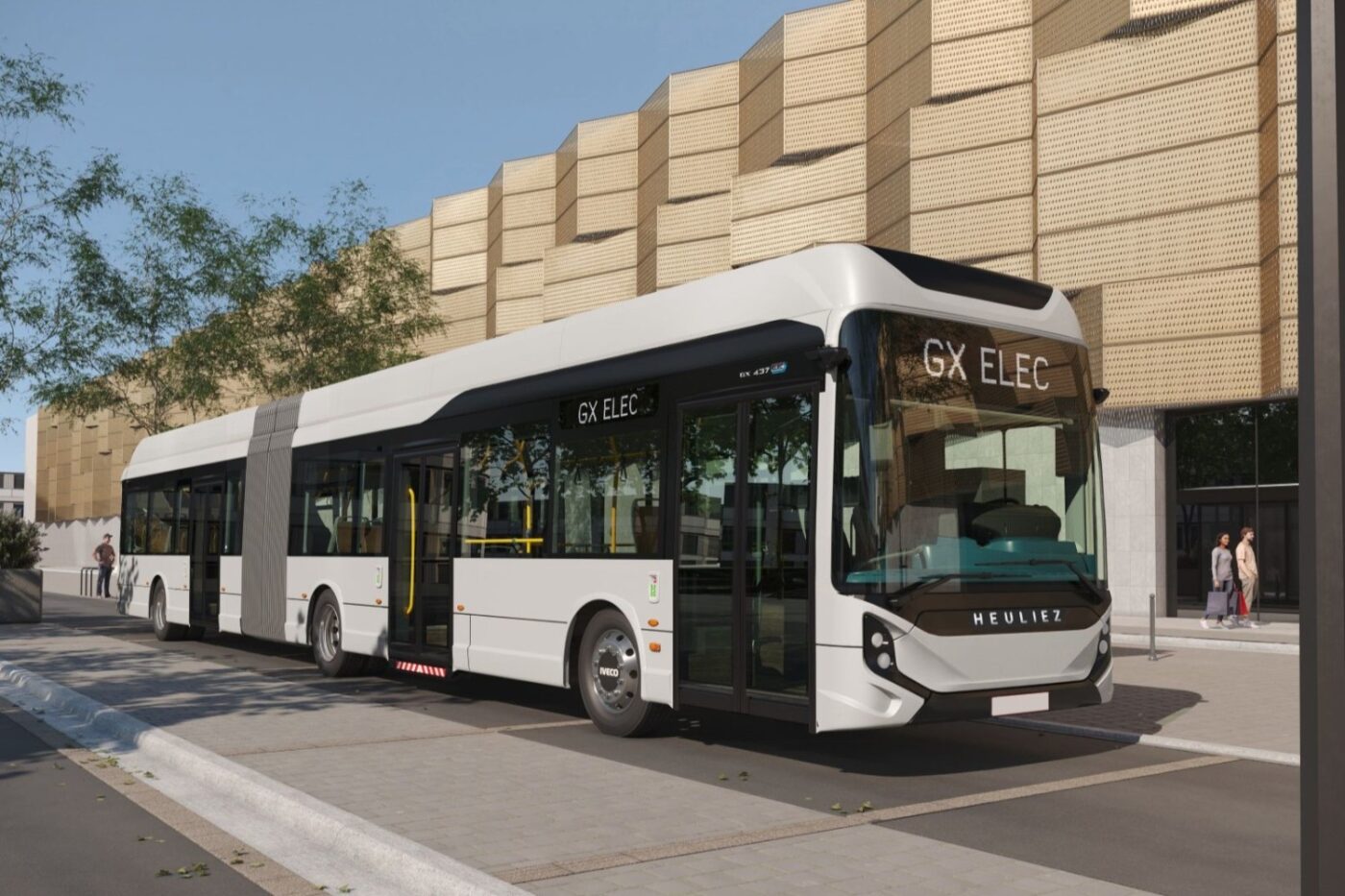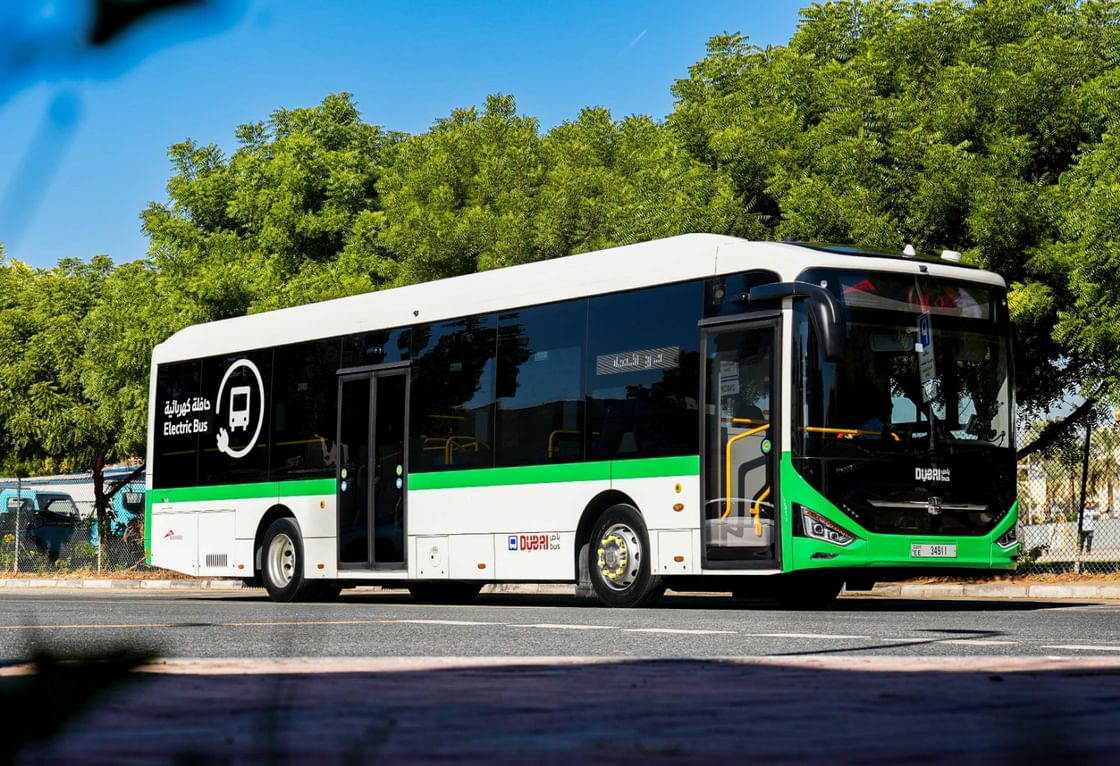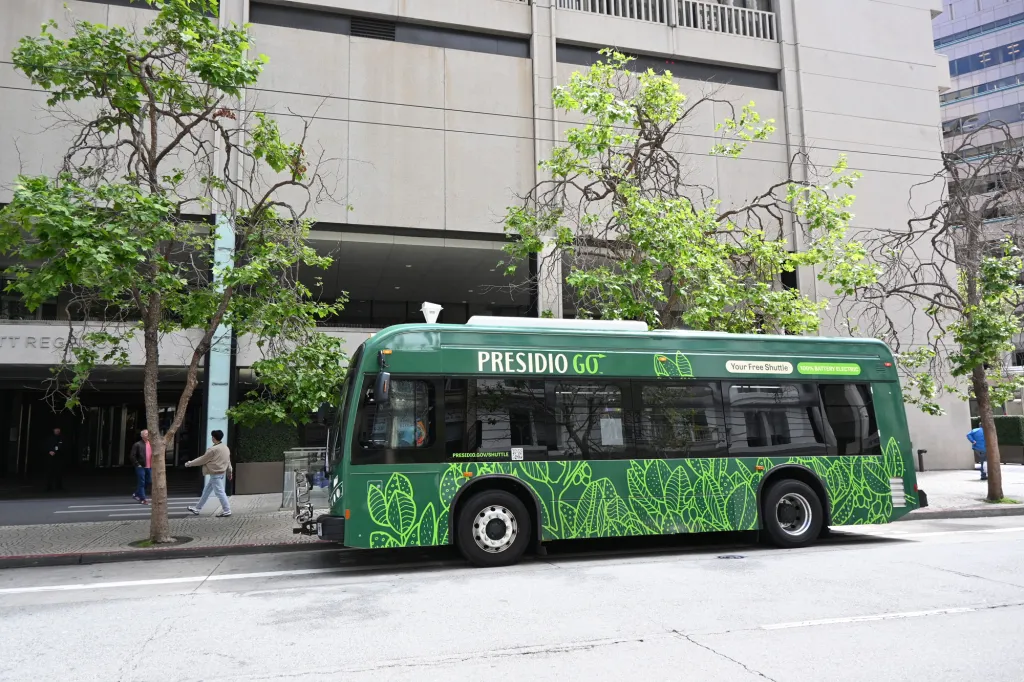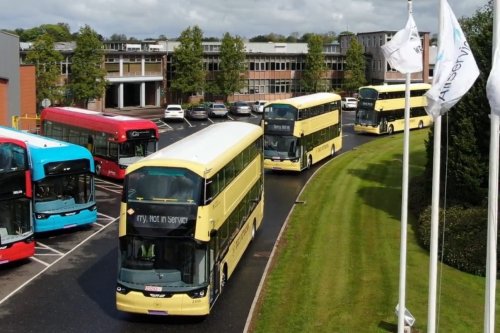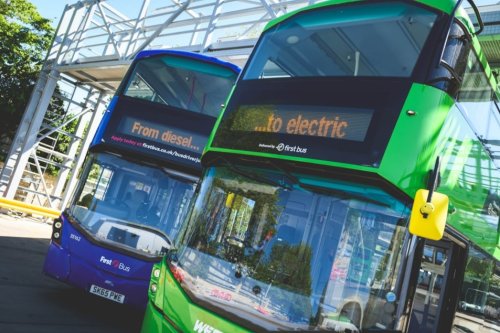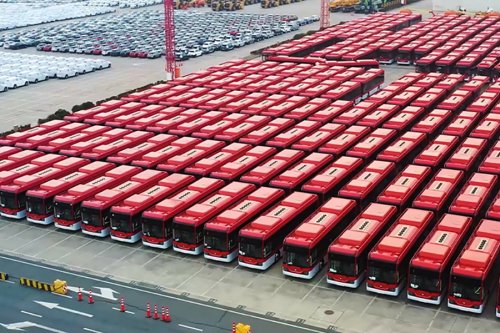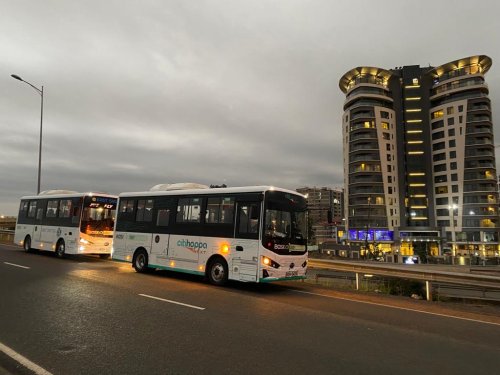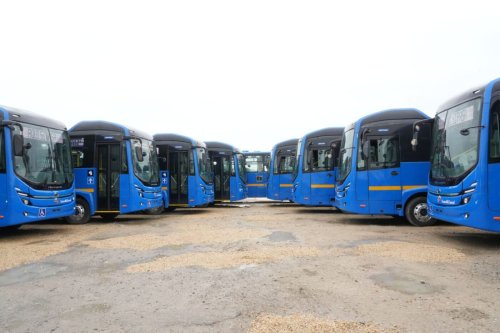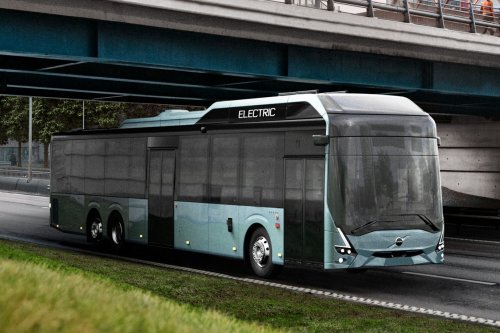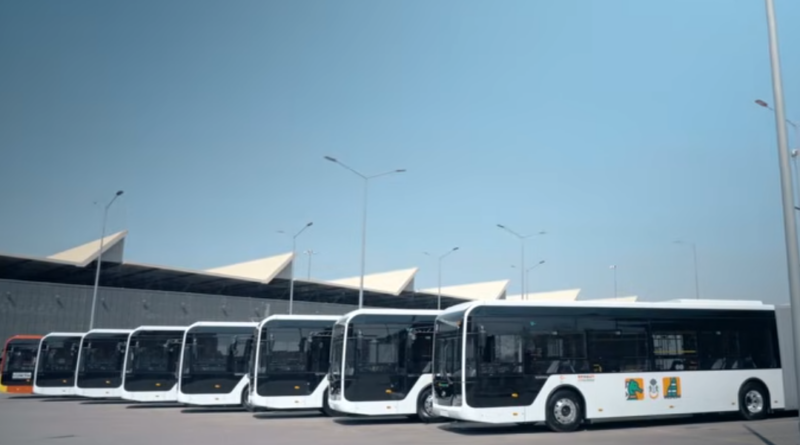



















Puerto Vallarta is getting electric buses now. The first seven of the new fully electric buses were recently delivered in Puerto Vallarta, Mexico, but many more are to come. “The 38 new buses will primarily operate along the city’s main thoroughfare, Avenida Francisco Medina Ascencio, connecting popular destinations such as Ixtapa, the University Center of the Coast, the airport, and the Marina. The buses will be equipped with air conditioning, video surveillance, and real-time tracking systems to ensure passenger safety and comfort.” Electric buses do not emit toxic air pollution like gas and diesel buses do. Therefore, electric bus drivers and passengers are not exposed to such toxic air pollution. The new electric buses will be used by workers, families, and tourists. Puerto Vallarta’s resident population is well over 500,000 and it receives over six million tourists per year. There are many buses in the area and region providing affordable mass transportation. Over time, using electric buses in urban areas can save money because electricity costs less than diesel fuel and maintenance/repairs can also cost much less. For these two reasons as well as the public health and social benefits, electric buses are replacing fossil fuel buses. “It is estimated that there are currently about 386,000 electric buses deployed around the world, with 99 percent of them in China, and less than 0.1 percent (only 350 buses) in the United States. However, a recent report by Bloomberg New Energy Finance estimated that by 2025, half of the world’s municipal bus fleet will be electric, and by 2030, 84 percent of new municipal buses sold will be electric. By 2040, 80 percent of the world’s city bus fleet will be electric, along with 33 percent of the world’s cars. City buses (vs. inter-city or charter buses) are especially well-suited to electric power because they are regularly returned to a central depot where they can be recharged, and they don’t operate over long ranges.” While some people might be more aware of the connection between carbon emissions and climate change, they don’t seem to be aware of how harmful diesel exhaust is to human health too. “Diesel, which is a known carcinogen, can also cause respiratory diseases such as asthma. Those who use public transit most often, including children, the elderly, and those without access to a car, are at particular risk.” Another benefit is that electric buses can be run on clean, renewable electricity sources such as solar power, wind power, and geothermal. Gasoline and diesel buses can only run on dirty fuels; they can never be run on clean ones. Fossil fuels are also regularly involved in disastrous or harmful oil spills. There was one in Mexico recently.