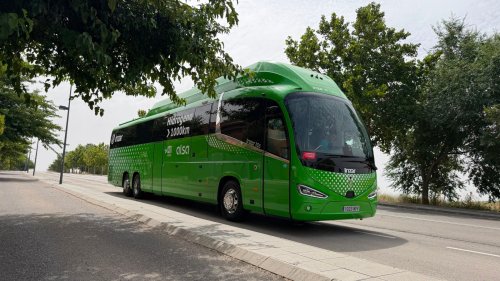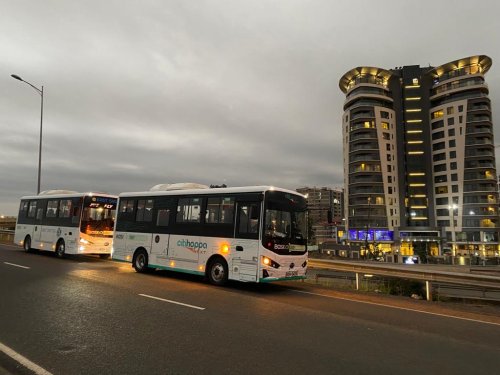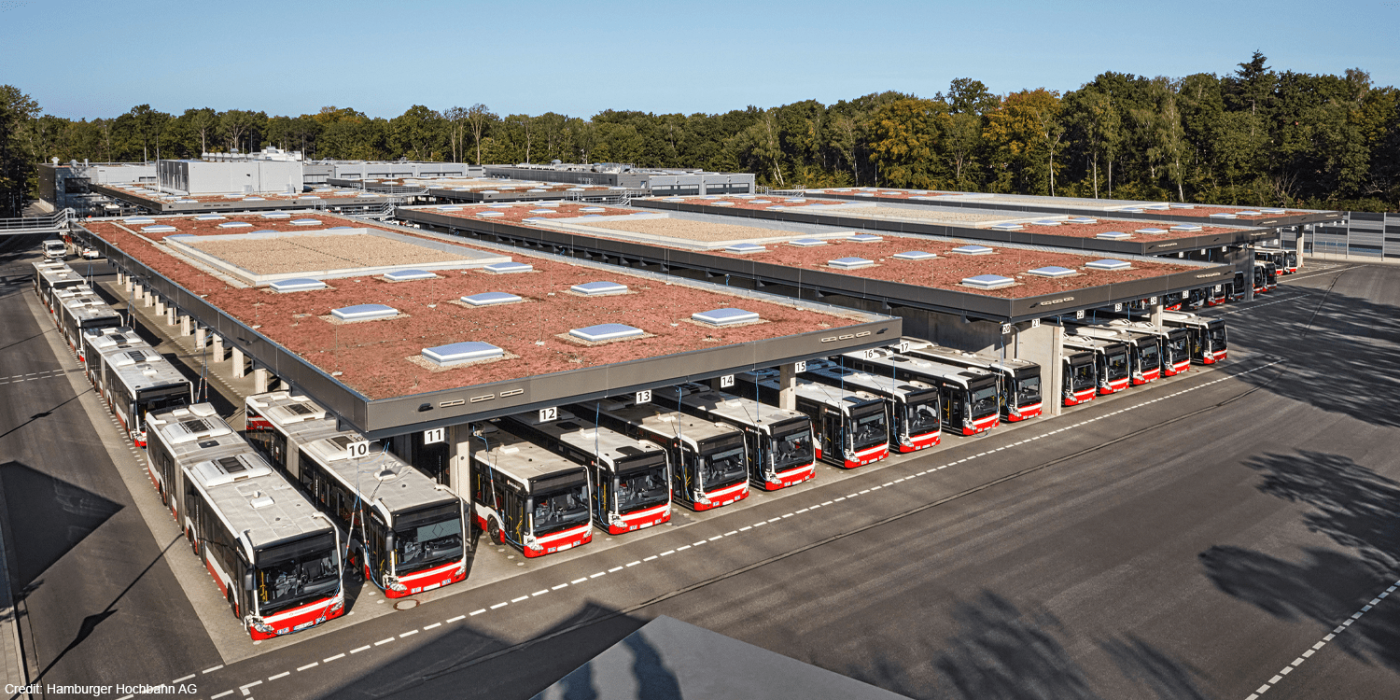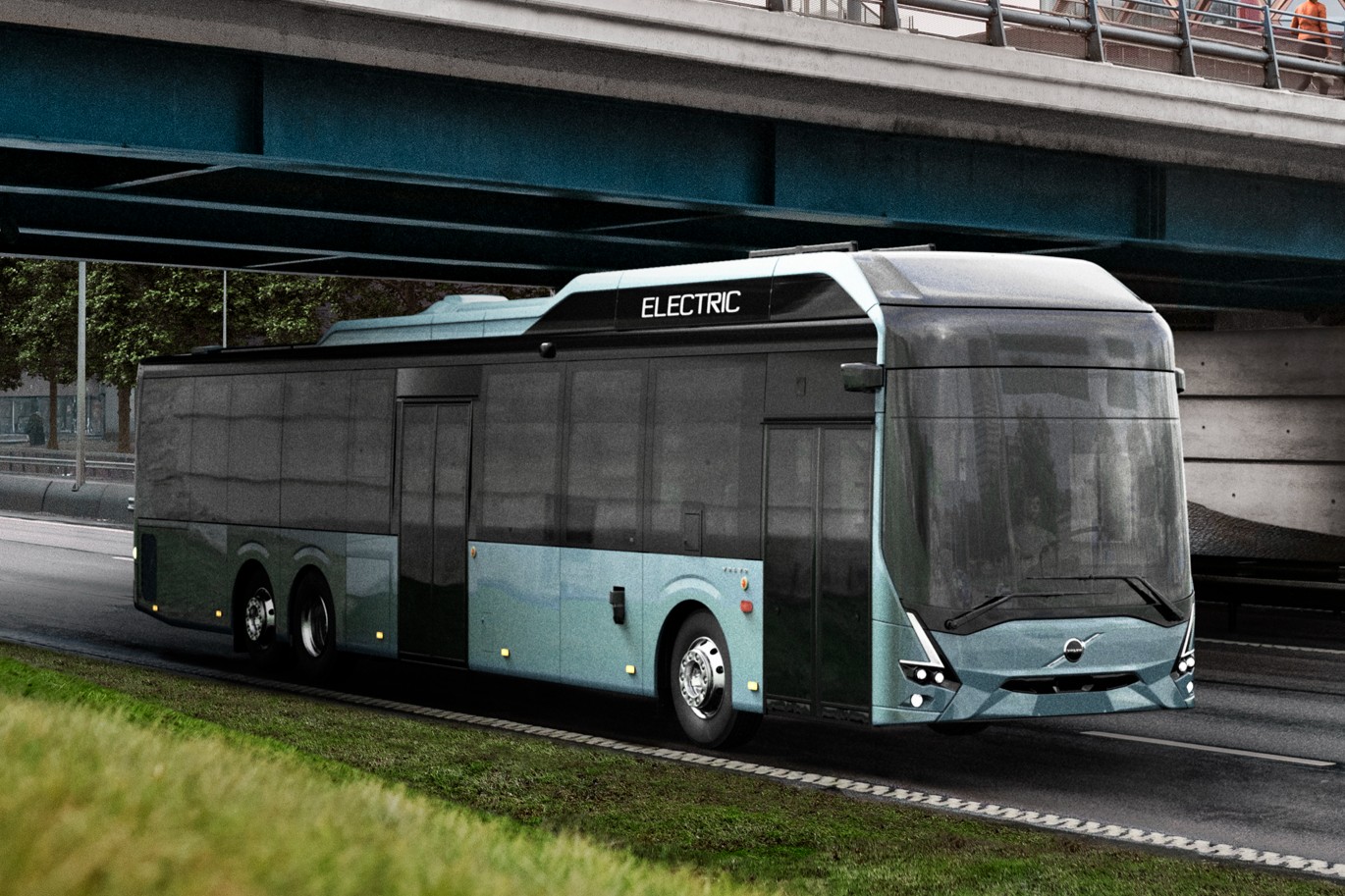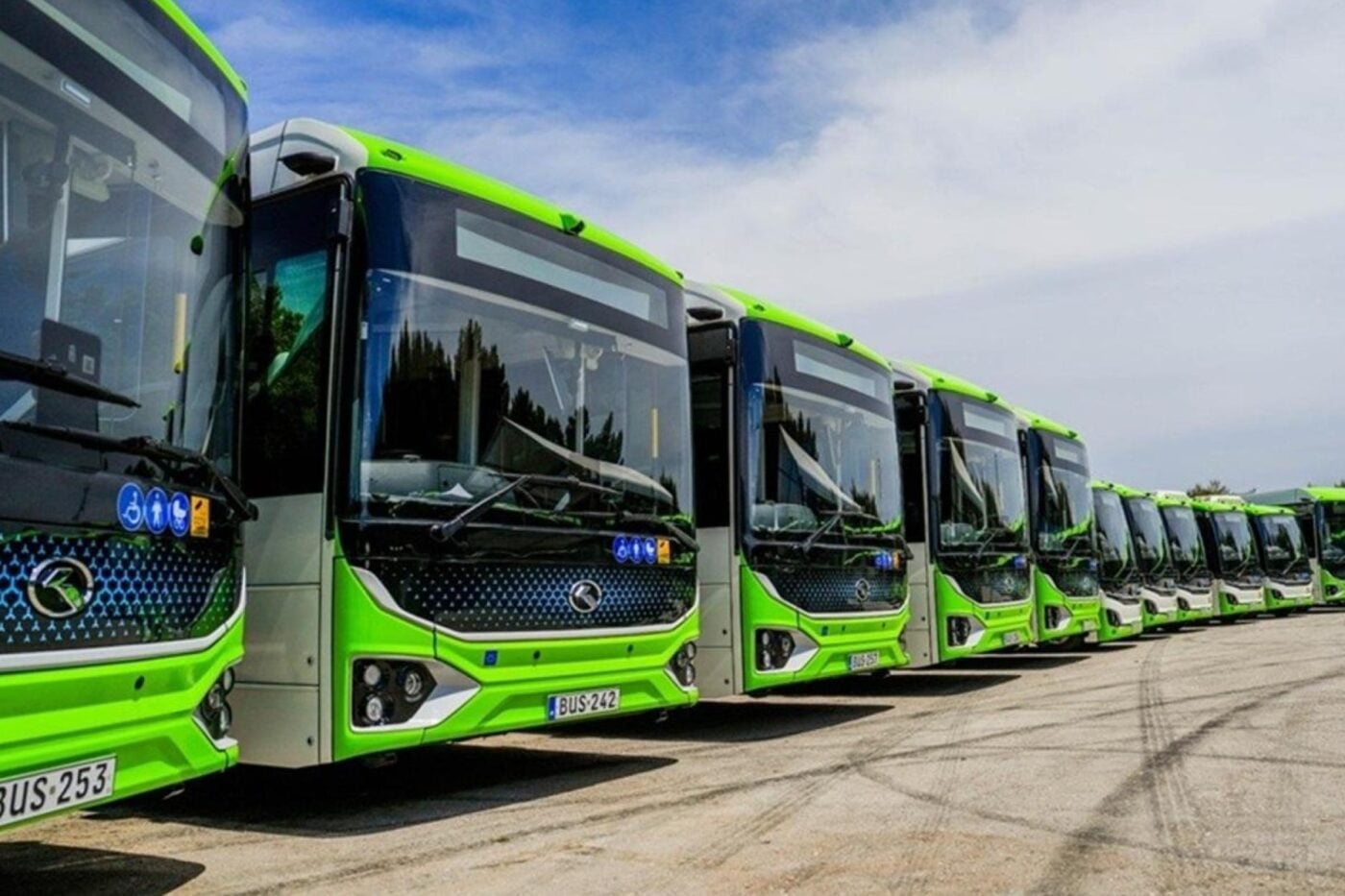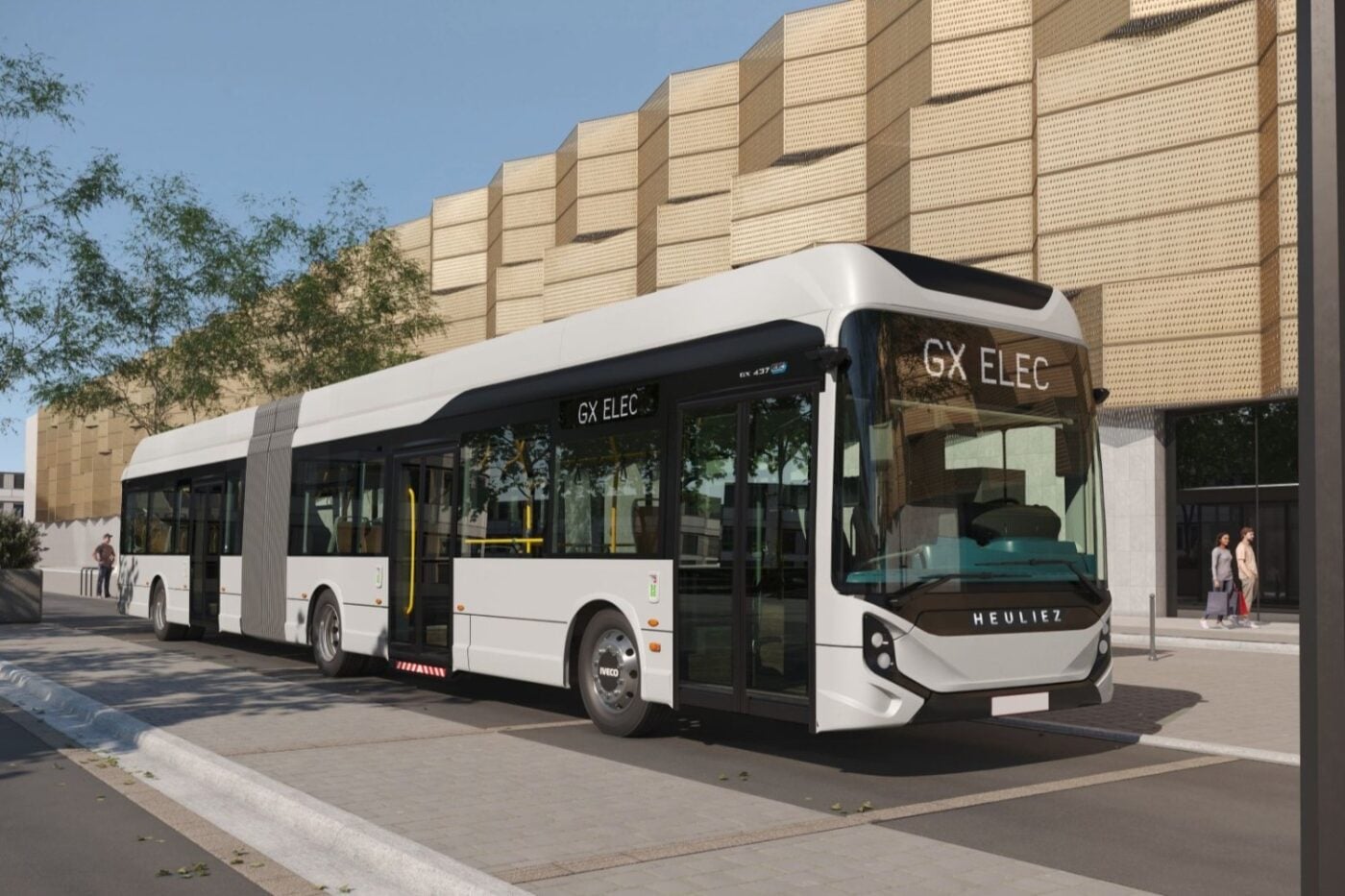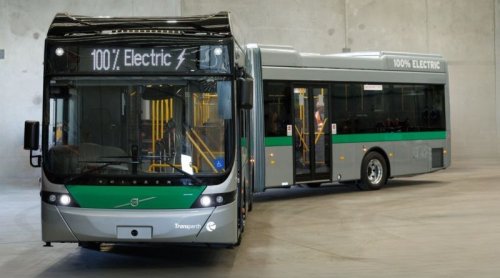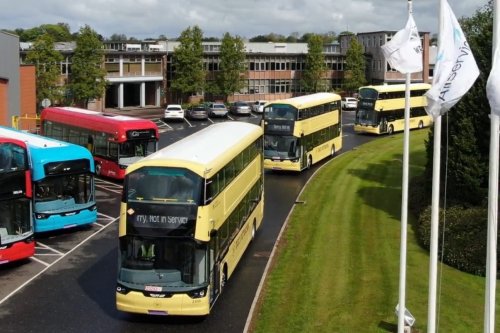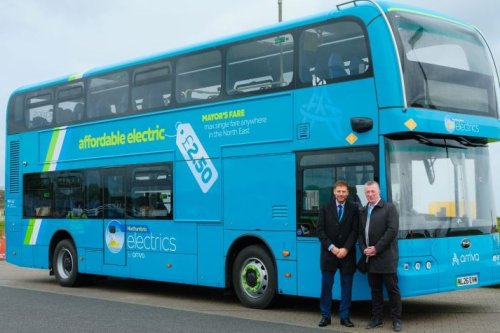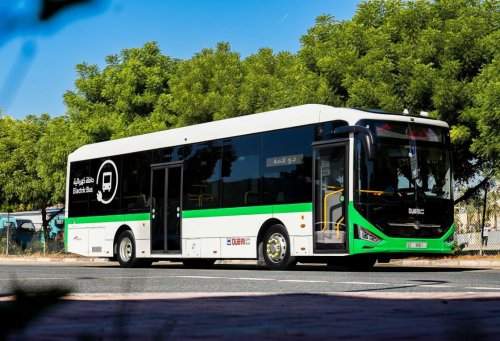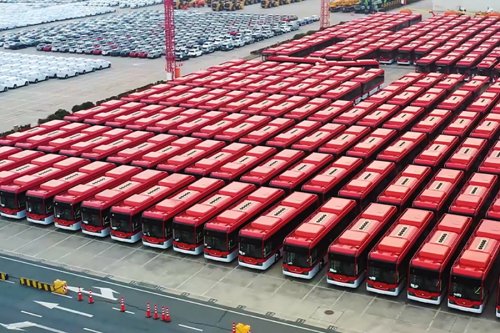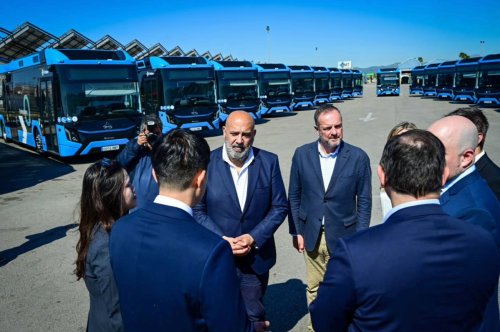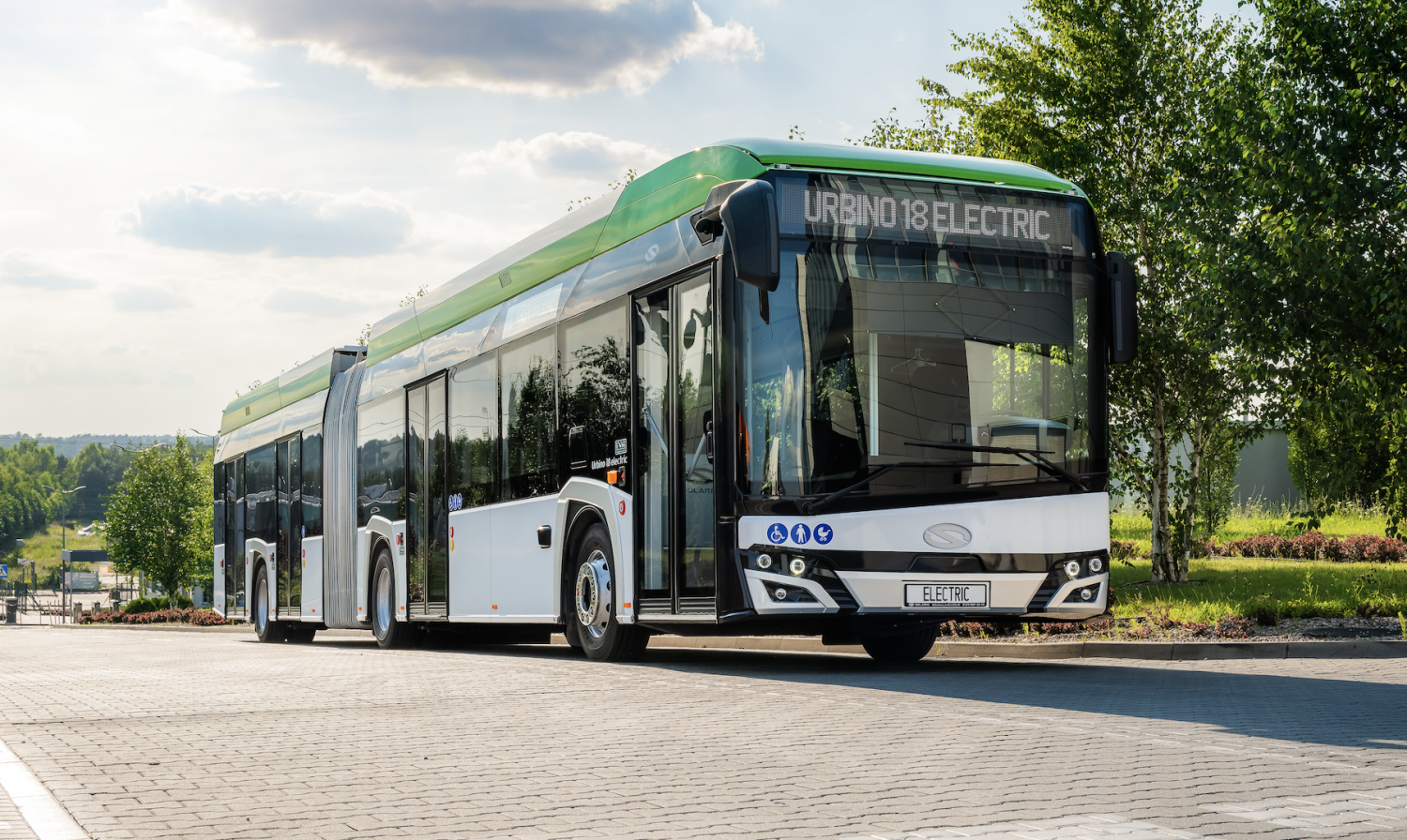



















The electrification of fleet vehicles, including large public transit buses, isn’t a “sexy” or glamourous subject matter for most readers. It does, however, indicate how much progress there has been and continues to be for the switch from gas and diesel vehicles to all electrics. Over 100 new electric buses have been ordered for delivery in 2027 for service in Stockholm, Skane, and Gotenborg. While 103 electric buses might not seem that much, each one can transport about 50–100 passengers which could mean moving thousands of passengers each day the buses are out running. There are actually many more new electric buses coming to Sweden soon. “Looking ahead, total deliveries from the manufacturer to Nobina are expected to exceed 320 electric vehicles across 2026 and 2027. The latest agreement further cements the partnership and highlights Nobina’s continued investment in sustainable public transport solutions.” There is already a vision in place for electric buses replacing gas and diesel buses. In Copenhagen, Denmark public transit buses are electric now. For other EU cities, they may not be that far behind Copenhagen. “Another success story is how fast electric buses have appeared in EU cities, and that growth may mean no more diesel buses at all fairly soon, says Transport & Environment. How soon will the remaining 40% go zero-emission? If the growth rate observed in 2023–25 persists, we could reach 100% ZE city buses by 2028, seven years ahead of the 2035 target.” Sweden’s largest city, Stockholm, might have only electric buses by 2035. “Sweden has spent decades greening its public transport, and Stockholm has been a big part of this shift. The region reached a fully renewable-fuelled bus fleet in 2017 and is now taking the next step by planning a transition to electric buses by 2035. With around 2,000 buses serving 500 lines across 10,000 kilometres, the transition builds on long-standing experience with biofuels and biogas. Today, only about 20% of the buses are electric, but by the end of this year, we expect to reach around 30%. We are in the early days of this transition,” explains Karolina Wennerblom, from the Stockholm Region Public Transport Authority. The entire Stockholm metro area has a population of about 2.4 million people. Soon enough, 2,000 electric buses may be transporting a huge number of people there every day. Of course, eventually, every major EU city should have all electric buses. At some point, there might be hundreds of megawatt-hours or more of bus batteries available to be used in virtual power plants to back up grids. Later, some of the batteries might be used for stationary energy storage when they are no longer suitable for electric bus use.