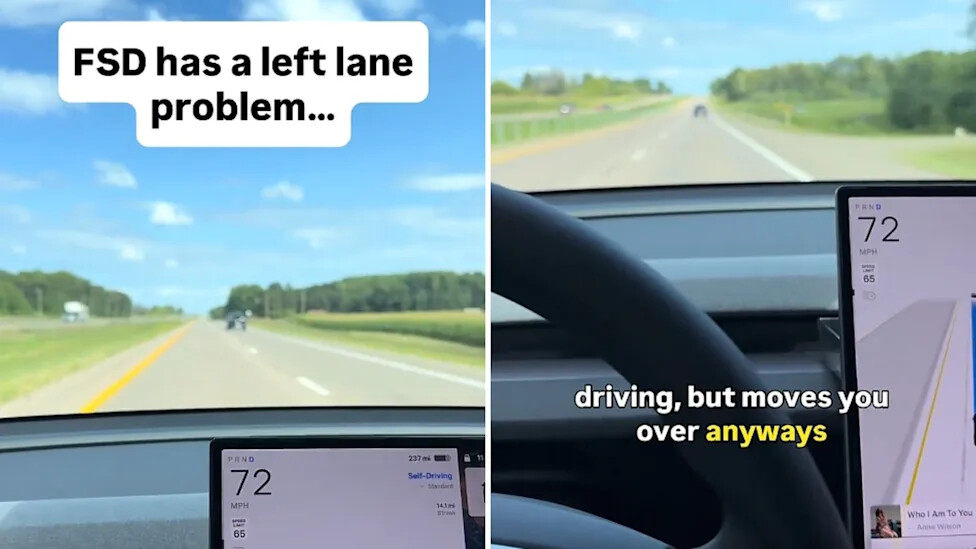
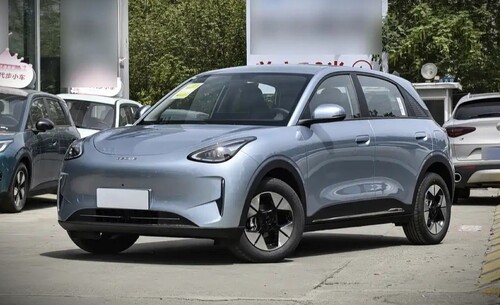
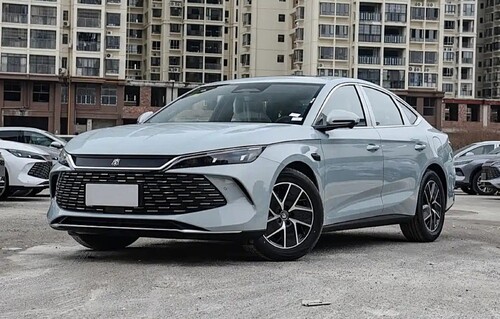
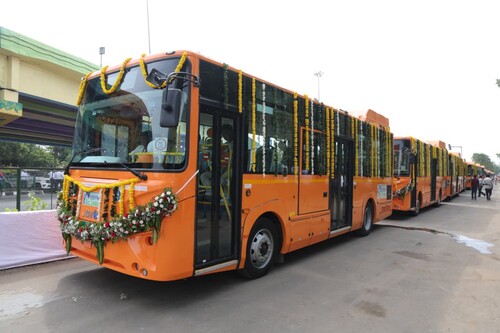
Daniel Rogers · 6 months ago@danielrogers219India: Delhi Transport Corporation flags off 200 electric buses Liked by+3 othersPost commentRelated PostsFernando Alonso Casually Flexes Porsche 918 Spyder in Monaco Because Corporate Rules Don’t Apply to Him 60 · Parker Lewis · 4 months agoCalifornia’s Next Governor Will Be A Climate Champion Or A Corporate Crony 98 · Lily Bouchard · 5 months agoHonda Racing Corporation's David Salters on Why Hybrid Race Cars are Something to Be Championed 23 · Annabelle Clark · 5 months agoHonda Racing Corporation's David Salters on Benefits of Hybrids 93 · Liam Clark · 5 months ago8 tuner favorites that built the reputation of Nissan Motor Corporation worldwide 10 · Charlotte Roy · 8 months agoCorporate, Suburban Life Got You Down? Be a Vanlifer! 69 · Amélie Pelletier · 1 years ago9 affordable performance cars Saturn Corporation could sell instantly today 94 · Sophie Macdonald · 7 months ago'Corporate Greed:' Nissan Dealer Calls Out Company in Angry Letter 59 · Olivia Morgan · 11 months ago5 Red Flags Mechanics Can Spot In Seconds When Inspecting Your CarParker Lavoie · 13 days agoSix Flags has installed one of the largest solar carports in the USConnor Fortin · 19 days agoI'm a Mechanic: Most People Miss These Red Flags When Buying a Used Car 91 · William Moreau · 1 months agoTesla Full Self-Driving bug falsely flags dirty cameras, demands service 85 · Morgan Tremblay · 1 months agoWhat's The Maximum Overhang Limit On A Truck And When Do You Need A Red Flag? 37 · Zoë Walker · 1 months agoCharles Leclerc Out of the Italian Grand Prix After Red Flag Crash 77 · Jackson Roy · 1 months agoTesla owner flags FSD's left-lane habit, say right signal can nudge the system to switch lanes 24 · Henry Mitchell · 1 months agoSlow-Running Houston Cops Flag Down Uber To Help Chase Suspect They Lost, And He Still Got Away 53 · Charlotte Mitchell · 1 months agoChinese regulator flags Geely EX2, BYD Qin L over wheelbase and fuel economy discrepancies 63 · Mia Leblanc · 1 months agoHyundai’s N Performance Division Gets the Green Flag for Expansion with Mid-Tier “N Lite” Models 17 · Jackson Turner · 1 months agoHyundai’s N Performance Division Gets the Green Flag for Expansion 47 · Alexander Tremblay · 1 months agoDutch Grand Prix Red Flagged as Verstappen Crashes Out of Final F1 Home GP 63 · Charlotte Hall · 2 months ago


 +3 others+3 others
 +3 others