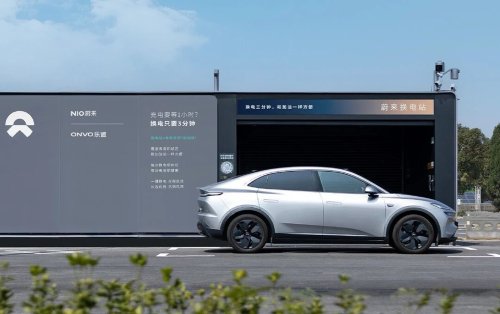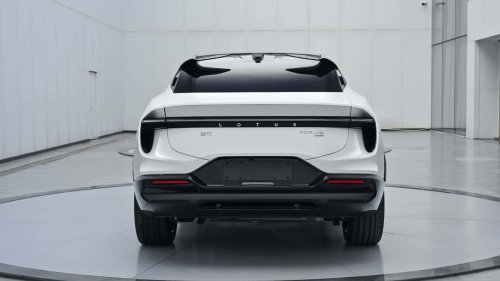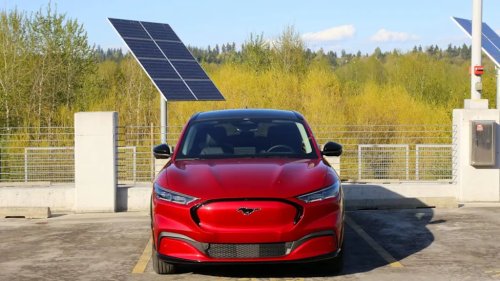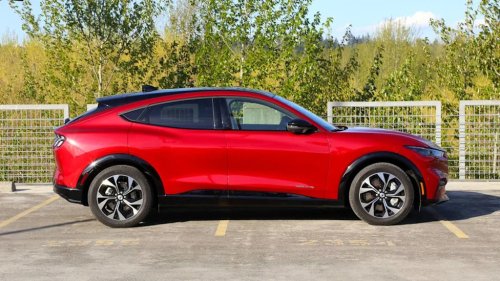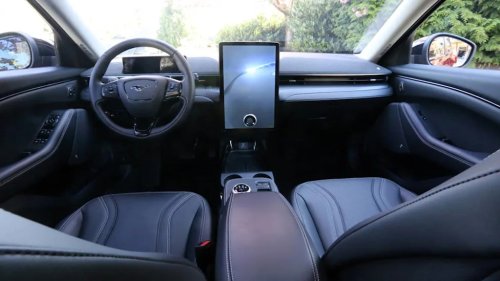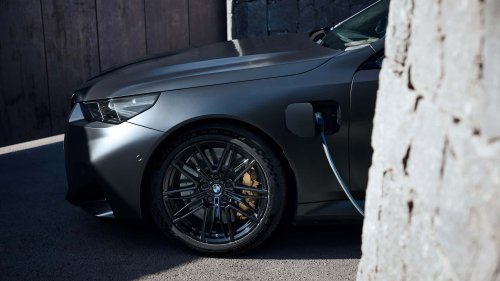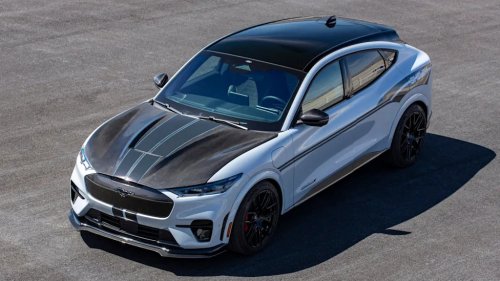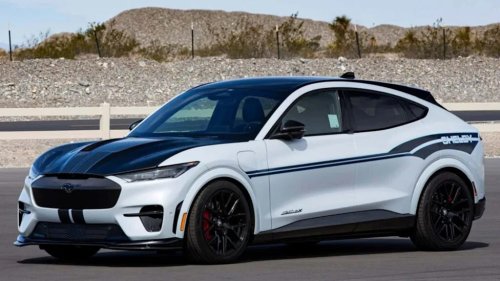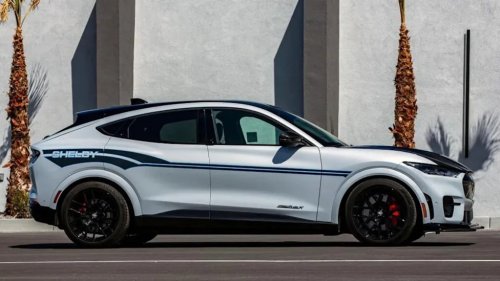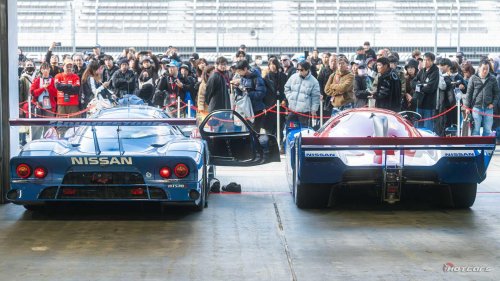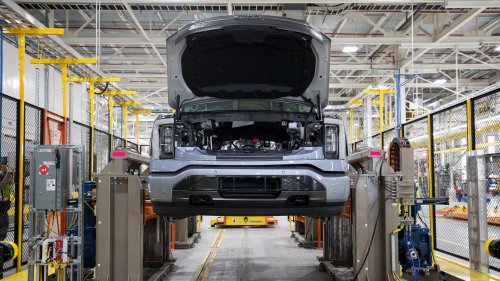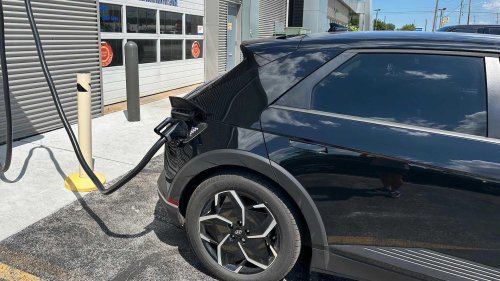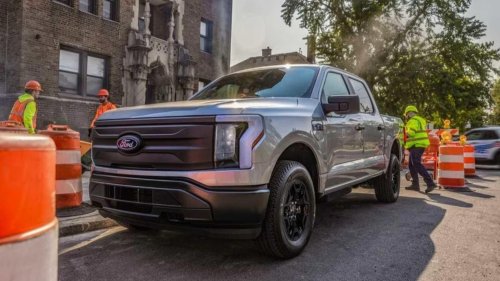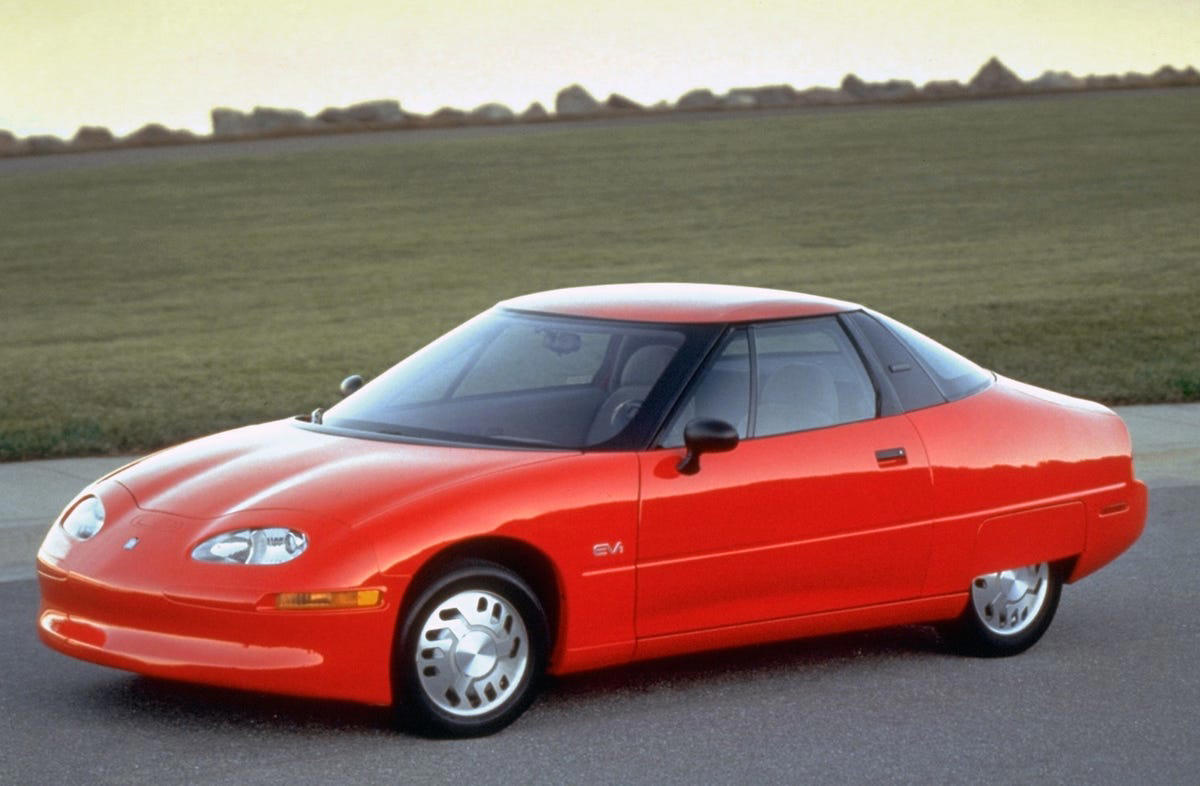




















Since the first mass-market electric vehicles went on sale about 15 years ago, they have been on the rise in the US. But according to new data from S&P Global, EV registrations in 2025 fell for the first time in recent years, by a modest 0.4% compared to a year earlier, as reported in Automotive News.EV registrations last year still amounted to 1.3 million, or 7.8% of the total light-vehicle market, but that percentage was a drop of 0.2% from a year earlier, the data showed. That was in a market where all vehicles, regardless of fuel type, saw 2025 registrations rise 2.2% to 16.25 million vehicles.While the GM EV1 debuted in 1996, and the Tesla Roadster came on the market in 2008, you can trace the “modern age” of the mass-market electric car to the Nissan Leaf’s debut in December 2010, followed by the mighty Mitsubishi iMiEV the following year. GM only leased about 800 EV1sThose cars were available in large numbers to as many buyers as wanted them. Numbers of EVs on US roads rose steadily from then on. The Tesla Model S in 2012 was a big step forward, when EVs were “just as good as” any car on the road. Eventually, most carmakers started offering some kind of battery-electric vehicle: the Ford F-150 Lightning (which was recently discontinued), the GMC Sierra and Chevy Silverado EV, the VW ID.4 and ID.Buzz, the Honda Prologue, the Hyundai Ioniq 5, the Ford Mustang Mach-E, the Chevy Equinox, and the Tesla Model 3 and Model Y, to name a few.But carmakers had assumed a more upward spike in EV demand, which seemed instead to plateau a couple of years ago and now, with the release of this latest data, to decline, if only a bit.What will be the future of EVs? Let us know in the comments below, if you know.Autoweek SOC EV Newsletter sign up