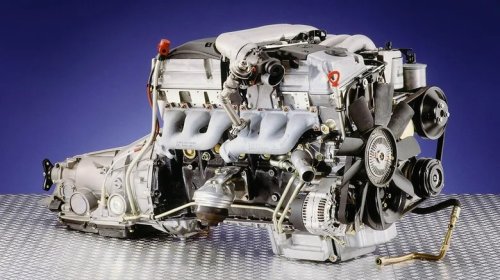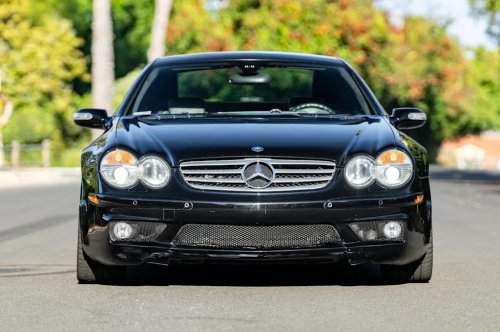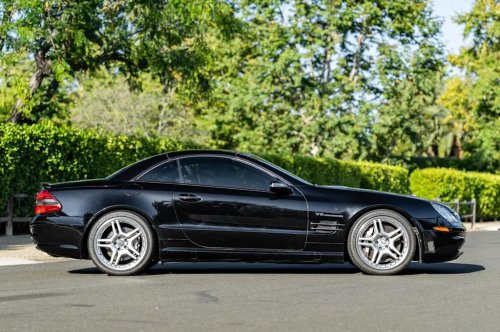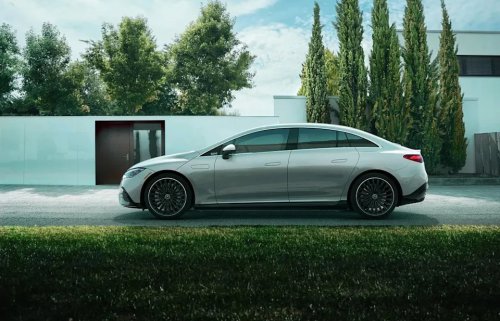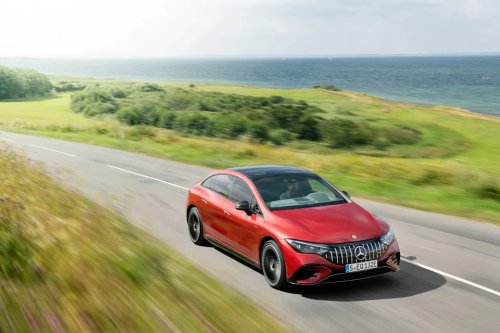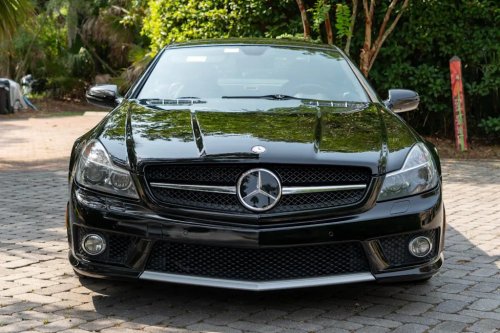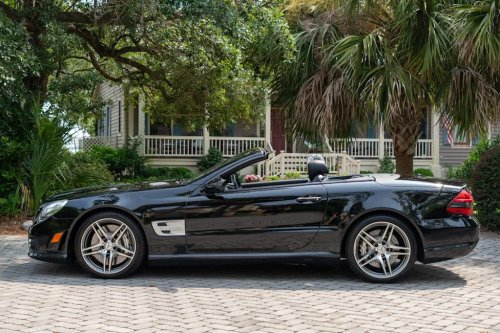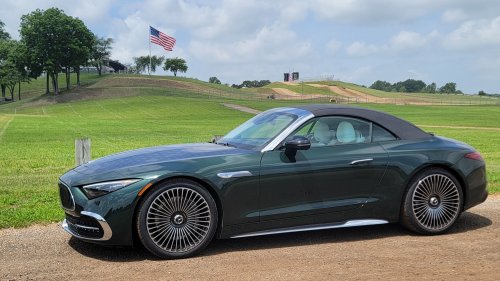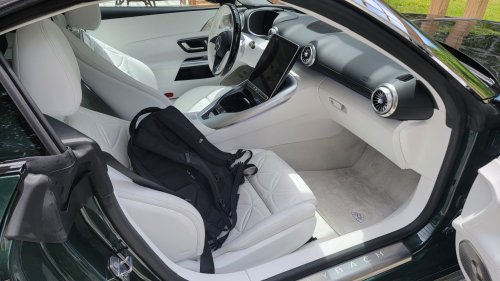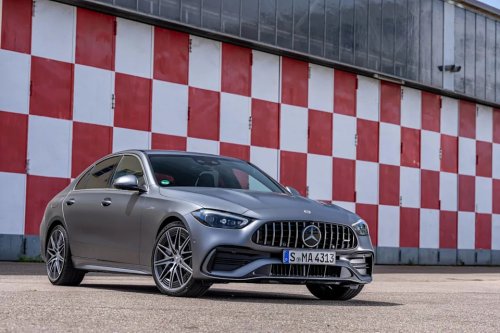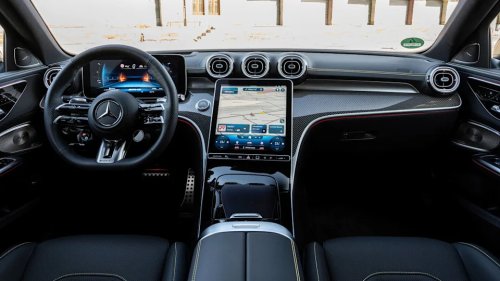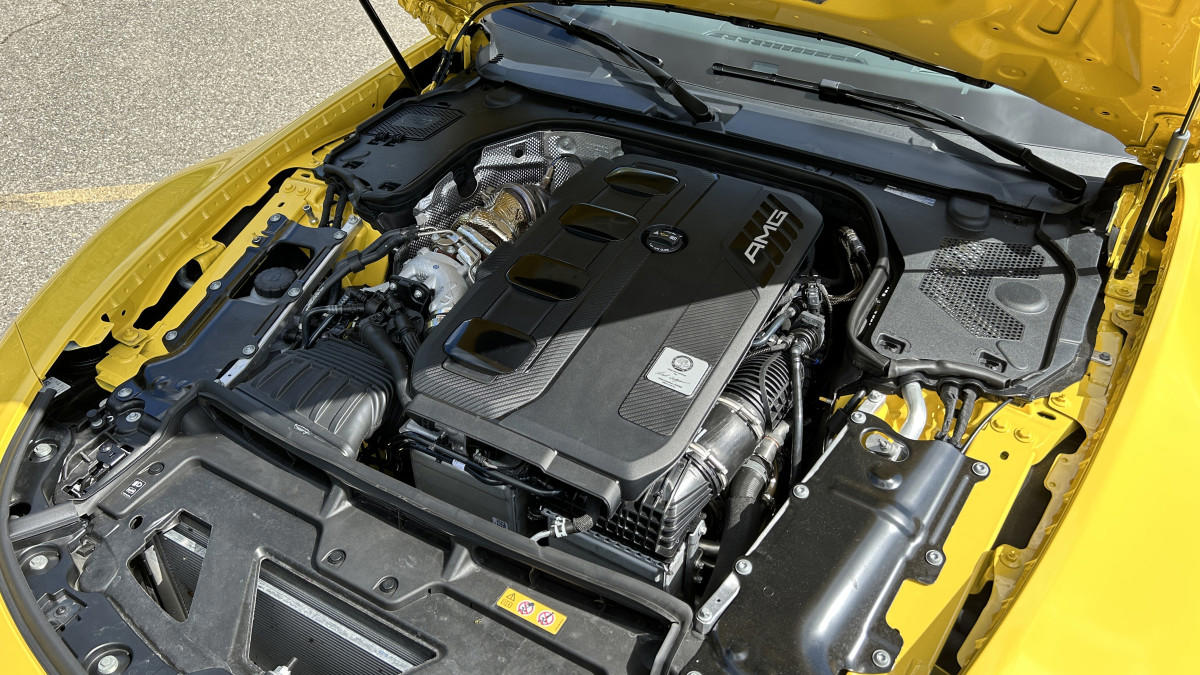
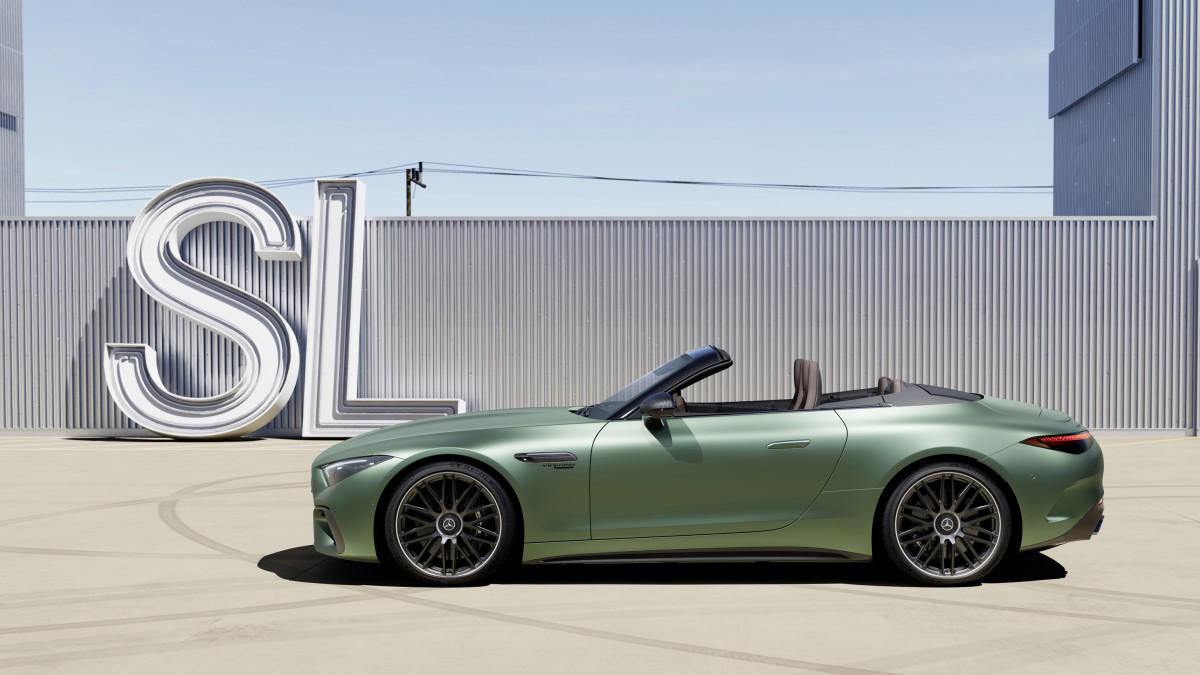



















The combination of an AMG badge and a small four-cylinder engine with a massive turbo and electric assistance hasn't been particularly well received by Mercedes fans, and according to a new report, the German automaker will be replacing the SL 43 with a new, straight-six-powered SL 53. Auto Motor und Sport reports that the M139 four-pot will be replaced by the M256 Evo mild-hybrid powertrain, with the entry-level AMG SL gaining a new name to signify its upgrade, but this change isn't purely because of customer feedback, rather taking place because the four-cylinder engine does not meet Euro 7 emissions regulations. Whatever the reason, expect the change to apply to the American market, too.More Power for Base SL, V8s Getting Tweaked Too The current 2026 Mercedes-AMG SL 43 produces up to 416 horsepower from its 2.0-liter powertrain, and the report claims that the 3.0-liter setup will improve on that figure, churning out a respectable 449 hp. For the record, the current V8-powered SL 55 is not far ahead, producing 469 hp. Furthermore, while today's base AMG SL powers the rear wheels exclusively, the report says the SL 53 will send grunt to both axles, so the SL 53 will get quicker and move deeper into V8 performance territory. To keep the range balanced (and meet emissions), both the SL 55 and SL 63 will reportedly be tweaked, too.Both the SL 55 and SL 63 will continue to use a 4.0-liter twin-turbocharged V8, but it'll be Mercedes' new flat-plane crank engine, and the former trim will reportedly produce 537 hp, while the latter will jump from 577 hp to 650 hp. The German publication offered no details on the range-topping SL 63 S E Performance, whose plug-in hybrid V8 currently makes a monstrous 805 hp, but we suspect this will see power gains, too.New Mercedes SL Models to Debut By Next Year The report adds that these new SLs will arrive for the 2027 model year facelift, which means we should see them unveiled before the end of this year, and the bigger engine should please both enthusiasts and regulators. Even if the M139 four-cylinder could meet carbon emissions requirements, and even if customers approved of the setup, the engine is reportedly also too loud for Euro 7 noise limits, so sending it on its way is an easy decision. Still, this was a legendary motor, producing beyond 200 hp per liter in some applications and using a closed-deck design for greater strength, and while lovers of larger engines may be happy to see it go, Mercedes will no doubt use learnings from its time on the market to make future engines even more advanced.