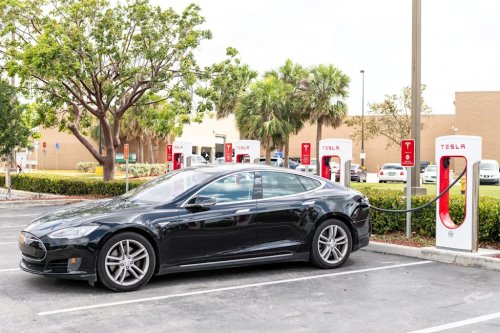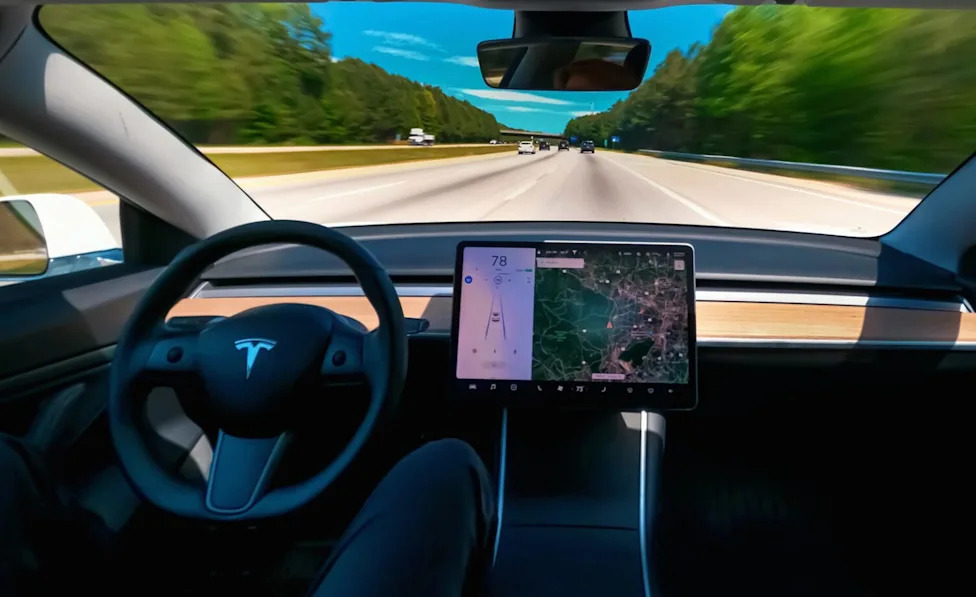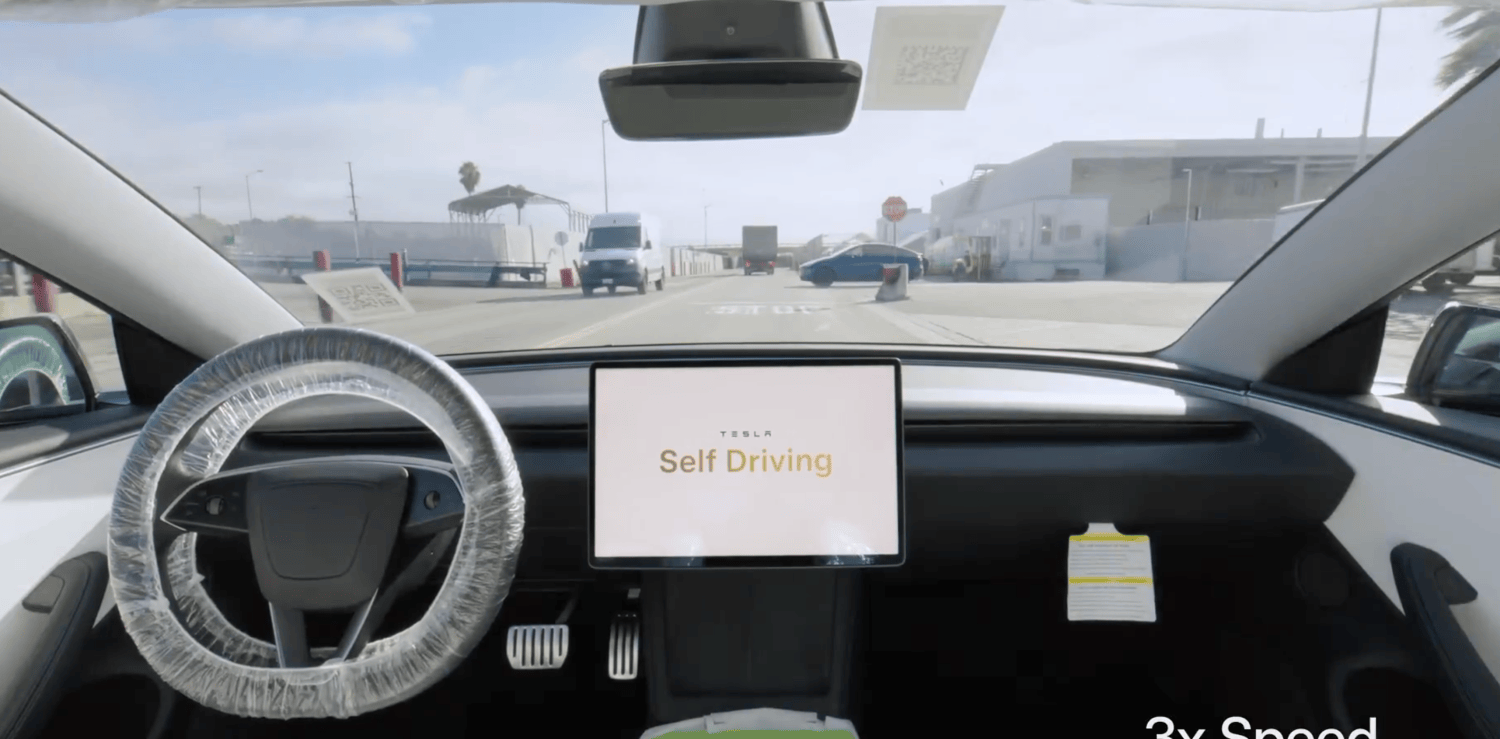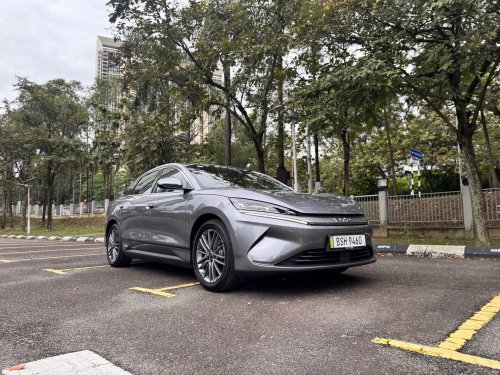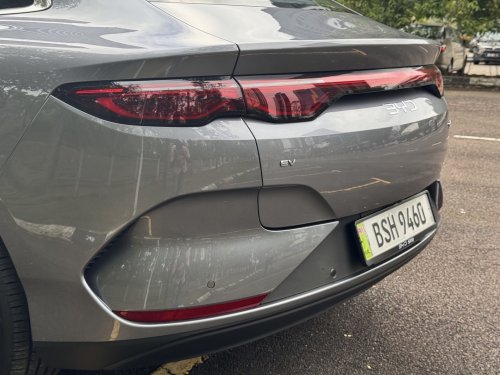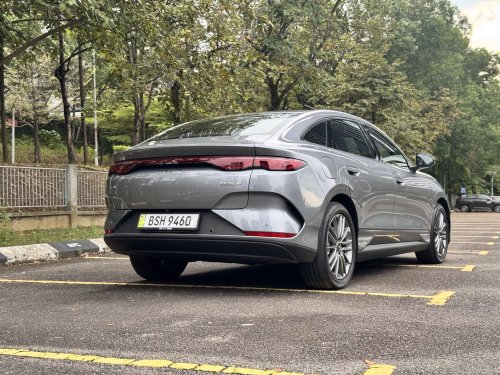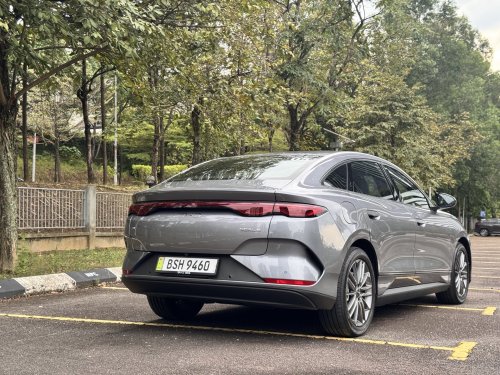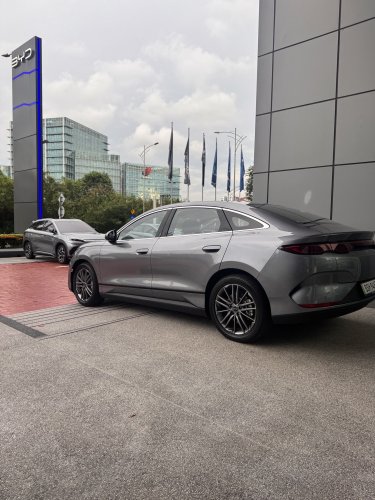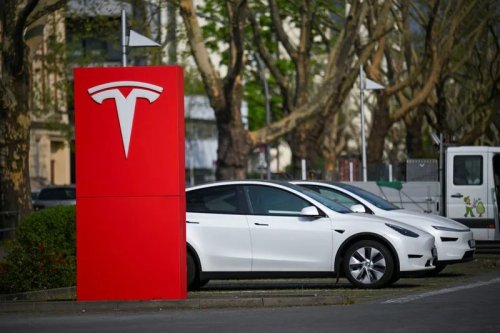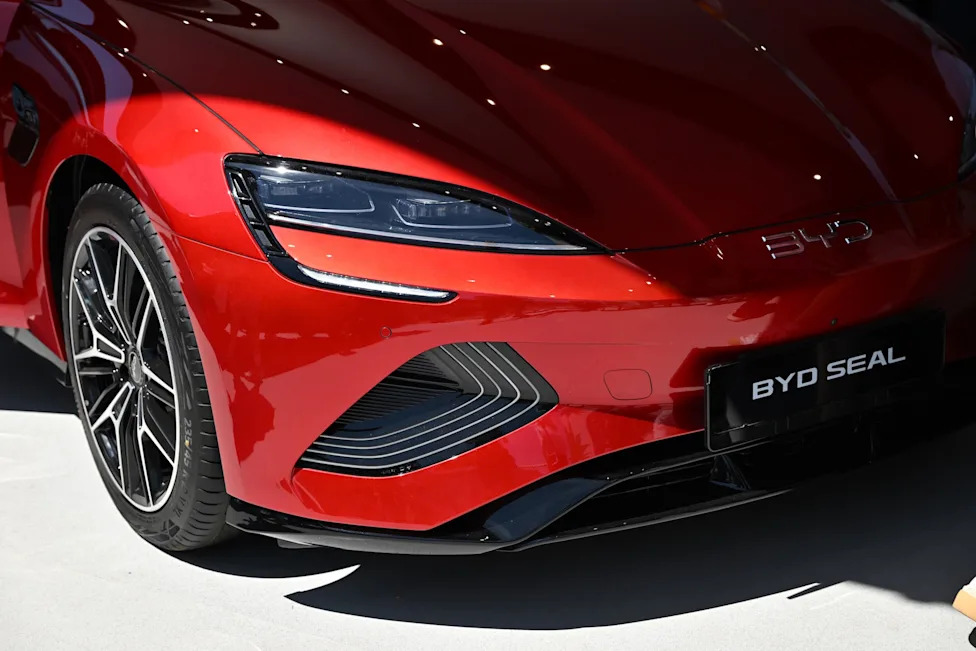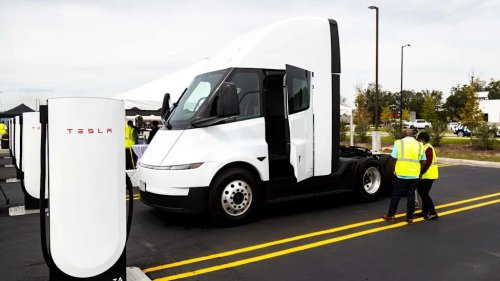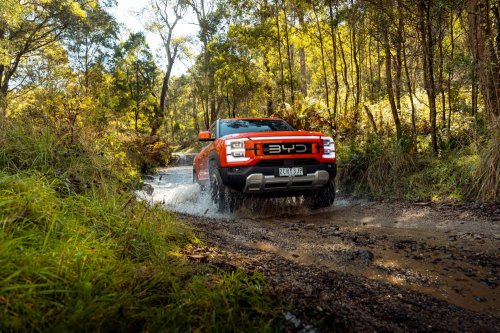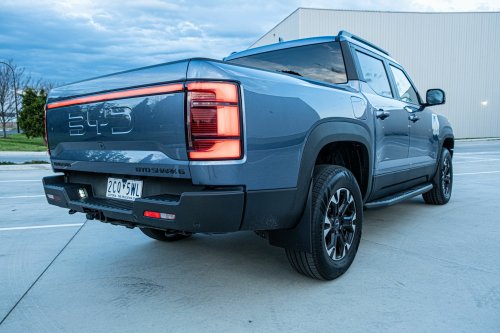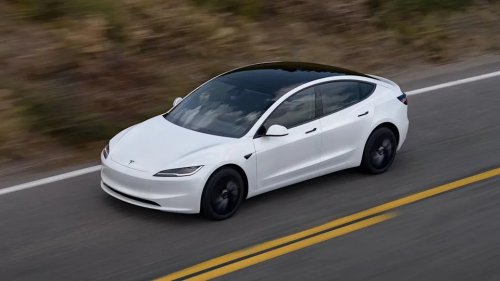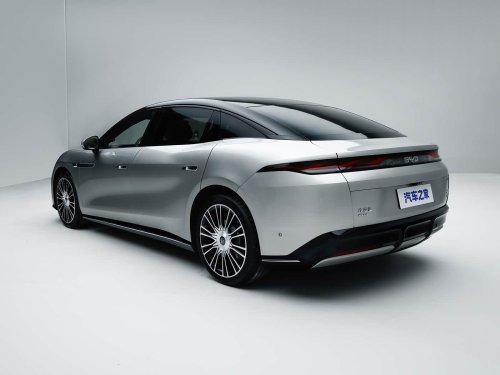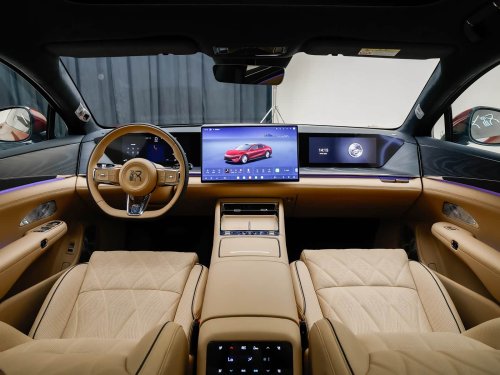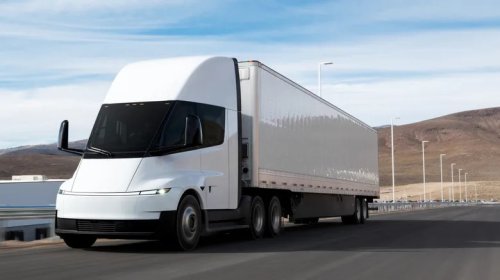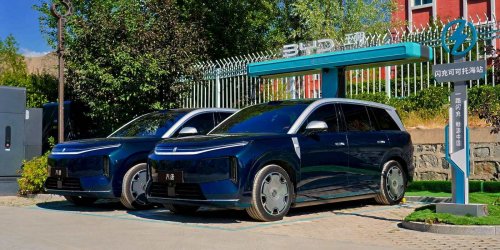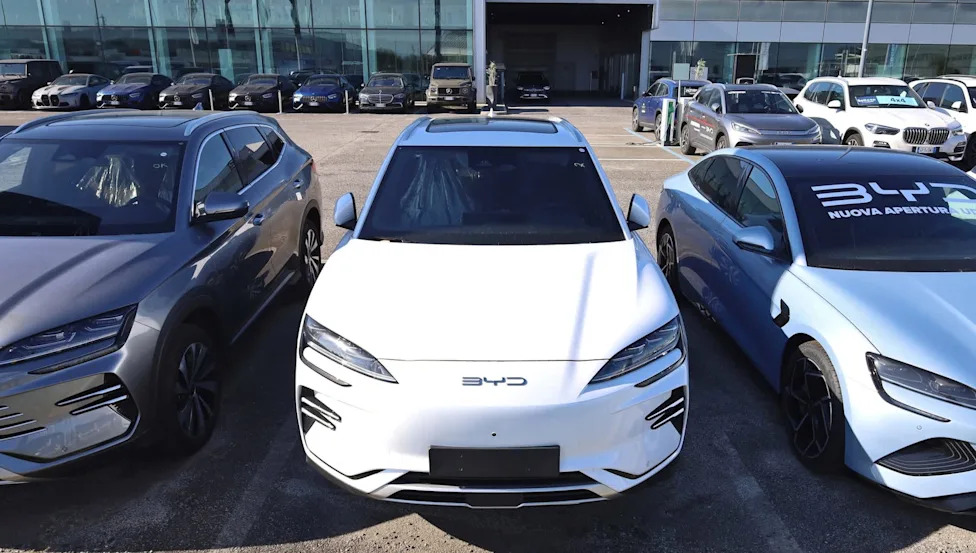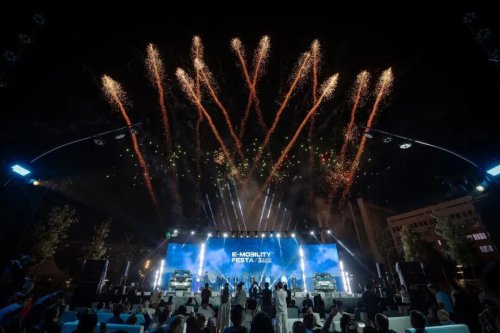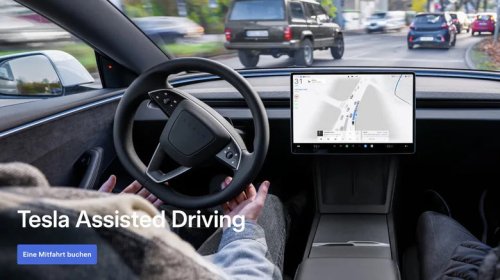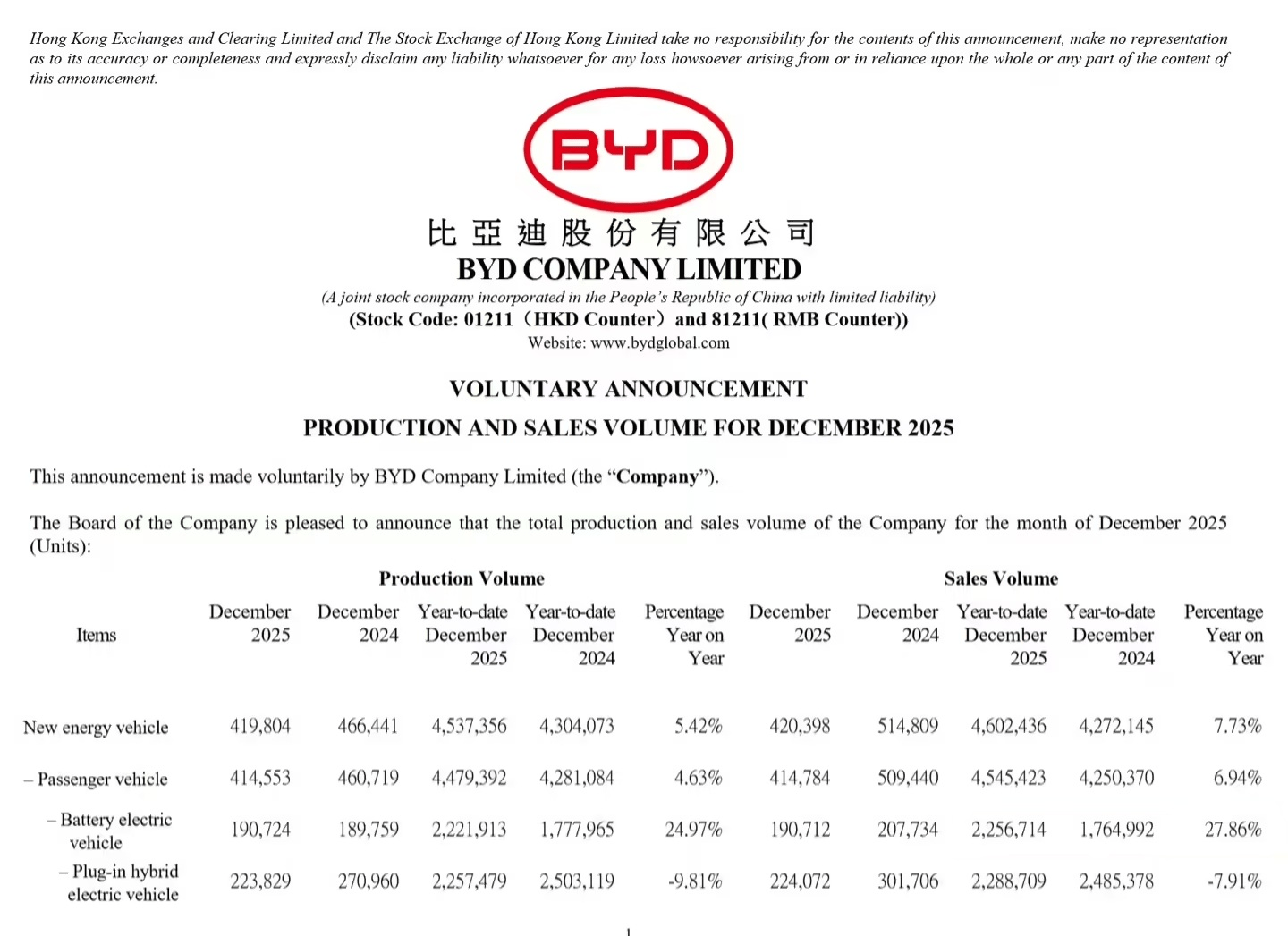
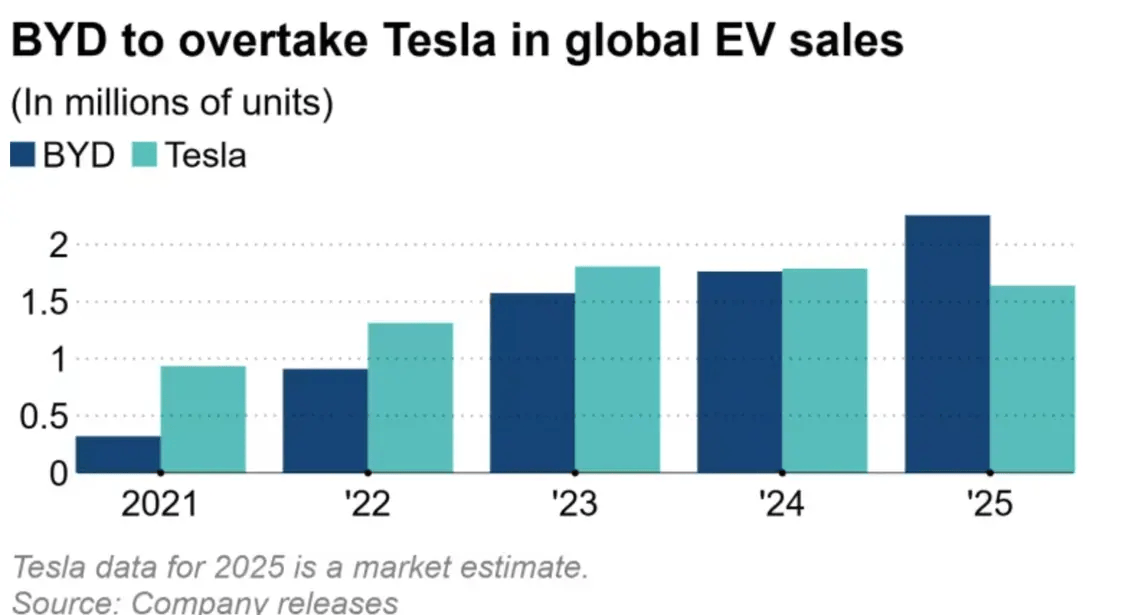
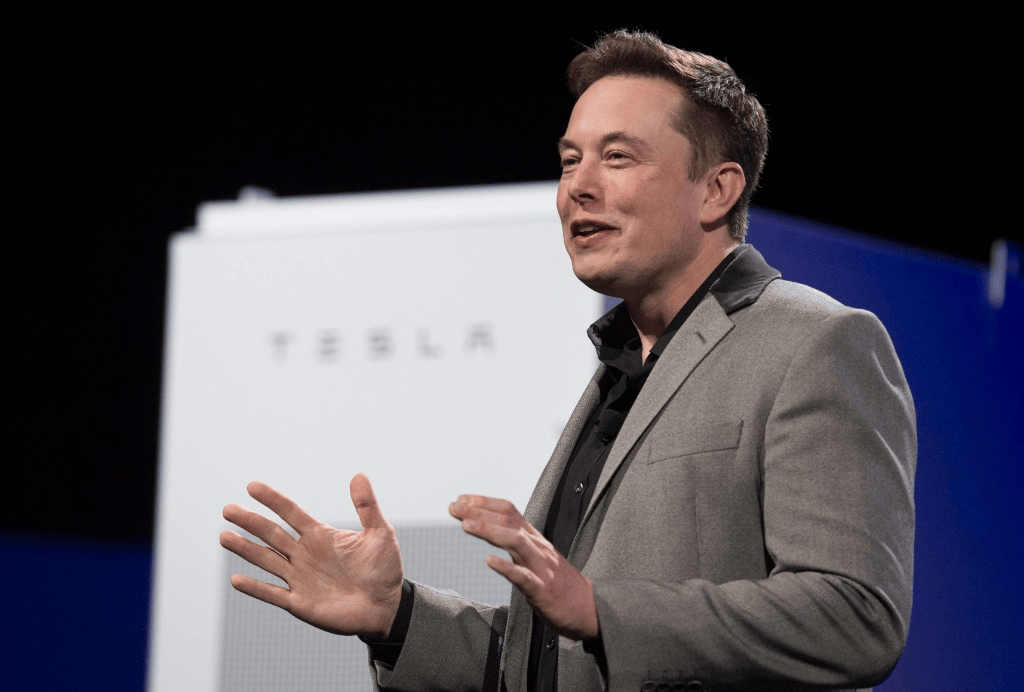



















This marks the first time Tesla has been surpassed by a Chinese automaker in full-year electric vehicle sales. Recently, China’s BYD and U.S. automaker Tesla have successively disclosed their 2025 sales results. BYD’s full-year battery-electric vehicle sales exceeded Tesla’s for the first time, officially making it the world’s top EV seller. Tesla said on January 2 that its global vehicle deliveries in 2025 totaled 1.636 million units, down about 8.6% year-on-year, marking the second consecutive annual decline in deliveries. One day earlier, BYD released its latest production and sales report, showing total new energy vehicle sales of 4.6024 million units in 2025, up 7.73% from a year earlier. BYD’s production and sales volume for December 2025 Of that total, battery-electric vehicle sales reached 2.2567 million units, surging 27.86% year-on-year. In 2024, Tesla narrowly retained the global EV sales lead by a margin of just over 20,000 vehicles. In 2025, BYD completed a decisive reversal, widening the gap significantly. BYD and Tesla’s global electric vehicle sales from 2021 to 2025 BYD’s growth has been driven both by continued volume expansion in the domestic Chinese market and by rapid overseas growth. In 2025, BYD’s overseas sales exceeded 1.04 million vehicles, including passenger cars and pickup trucks, with major contributions from Europe, Latin America, and Southeast Asia. The company’s products have now entered more than 110 countries and regions, making it one of the fastest-growing Chinese automakers by exports. At the same time, BYD has accelerated localized manufacturing. Passenger vehicle plants in Thailand, Uzbekistan, and Brazil have already been completed and put into operation, while the company’s first European factory in Hungary is set to begin production soon. Tesla, meanwhile, is facing mounting pressure on deliveries, primarily due to changes in U.S. federal tax incentives and intensifying global competition. Although Tesla launched lower-priced standard versions of the Model 3 and Model Y priced below $40,000 in October, the move has delivered limited results. Tesla CEO Elon Musk Tesla is also contending with challenges related to brand perception, product rollout timing, and an increasingly competitive market landscape. Public controversy surrounding Elon Musk’s involvement in the U.S. “Department of Government Efficiency” has also dampened consumer sentiment in some markets. At the same time, Chinese brands with greater pricing flexibility are rapidly penetrating multiple market segments, further squeezing Tesla’s growth potential.