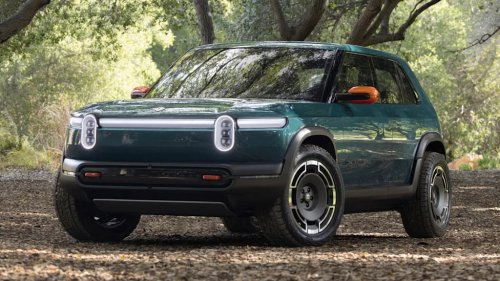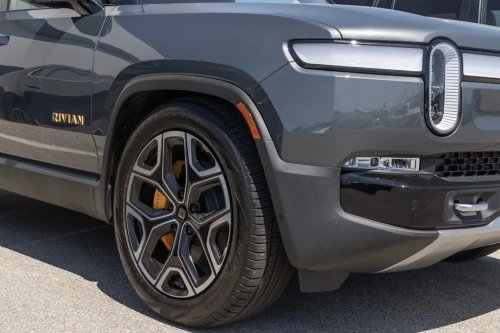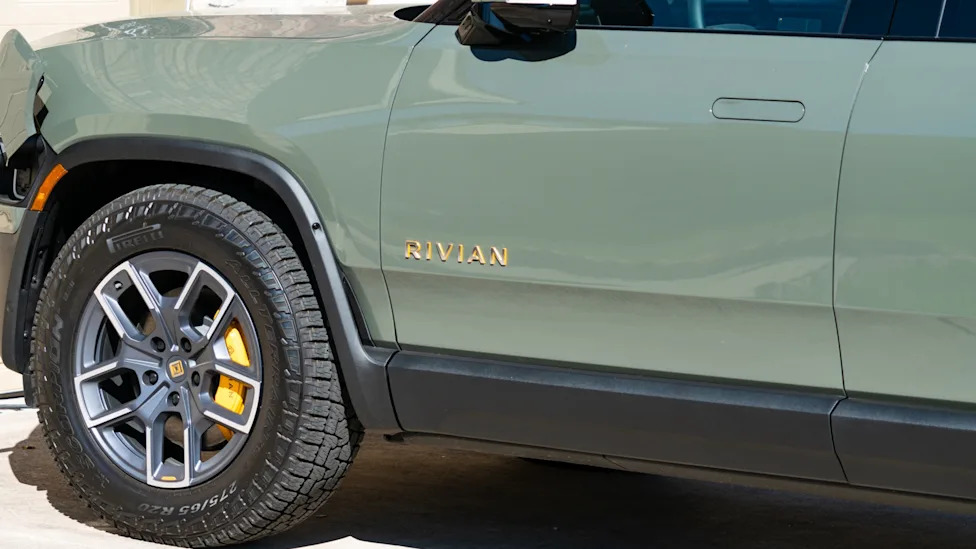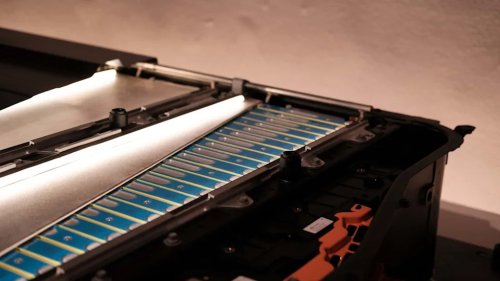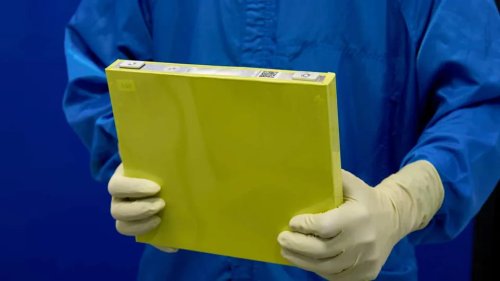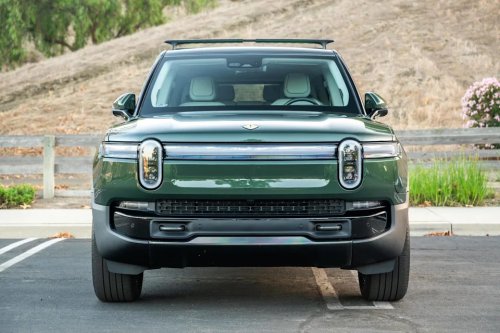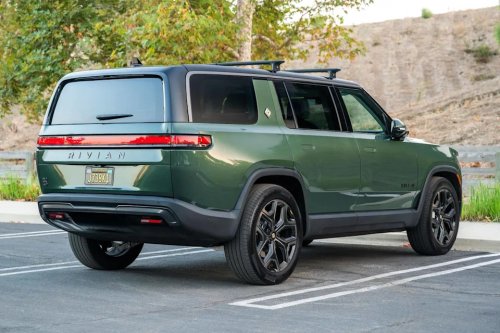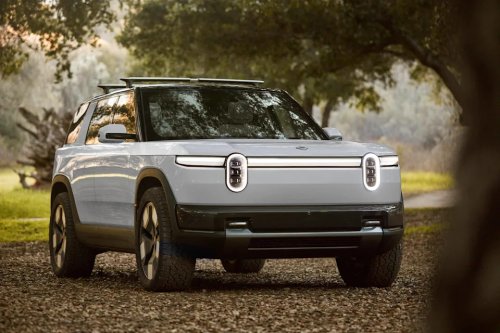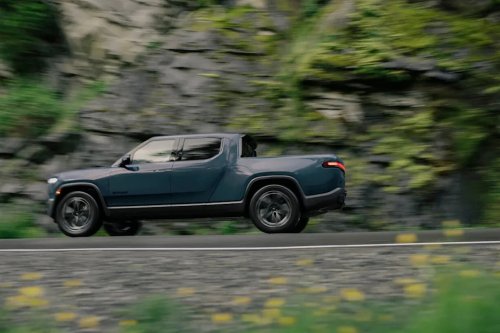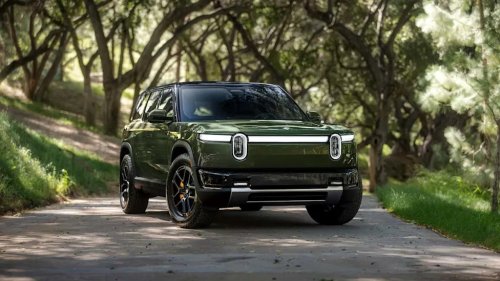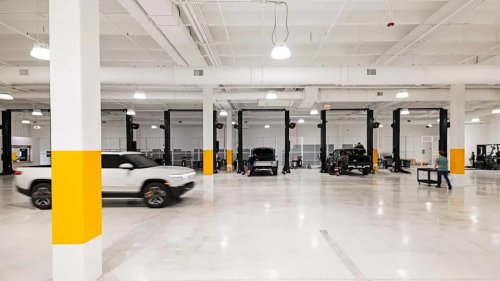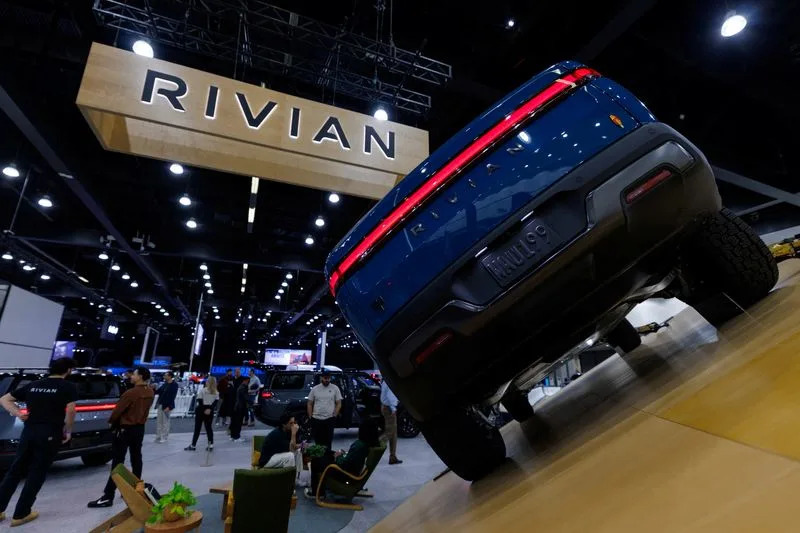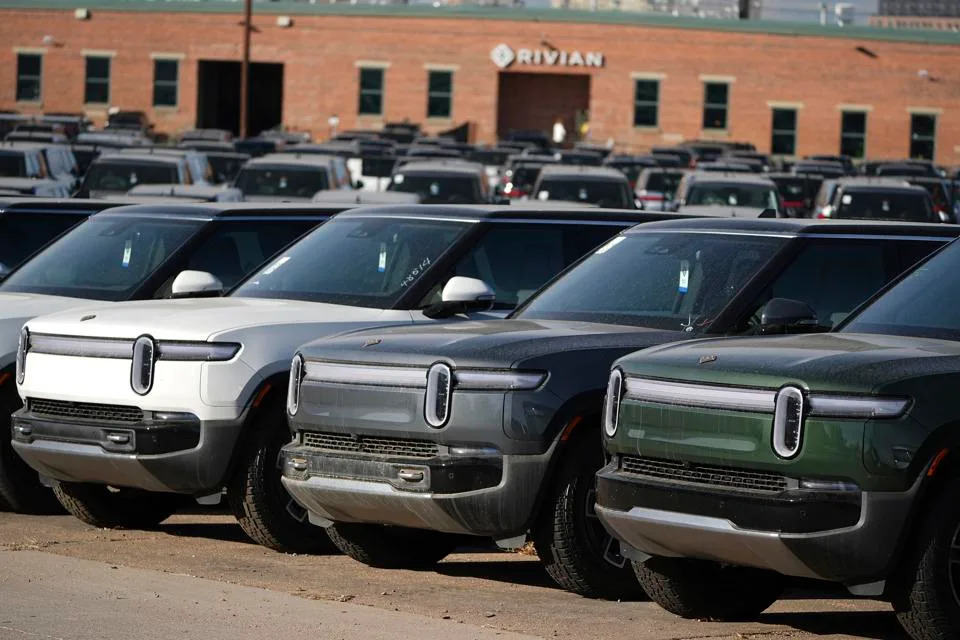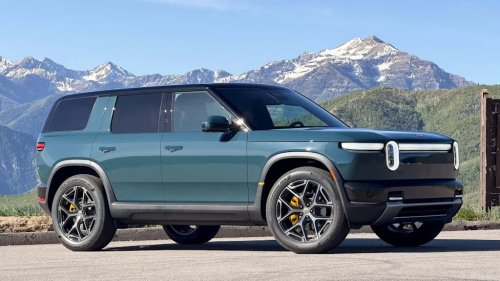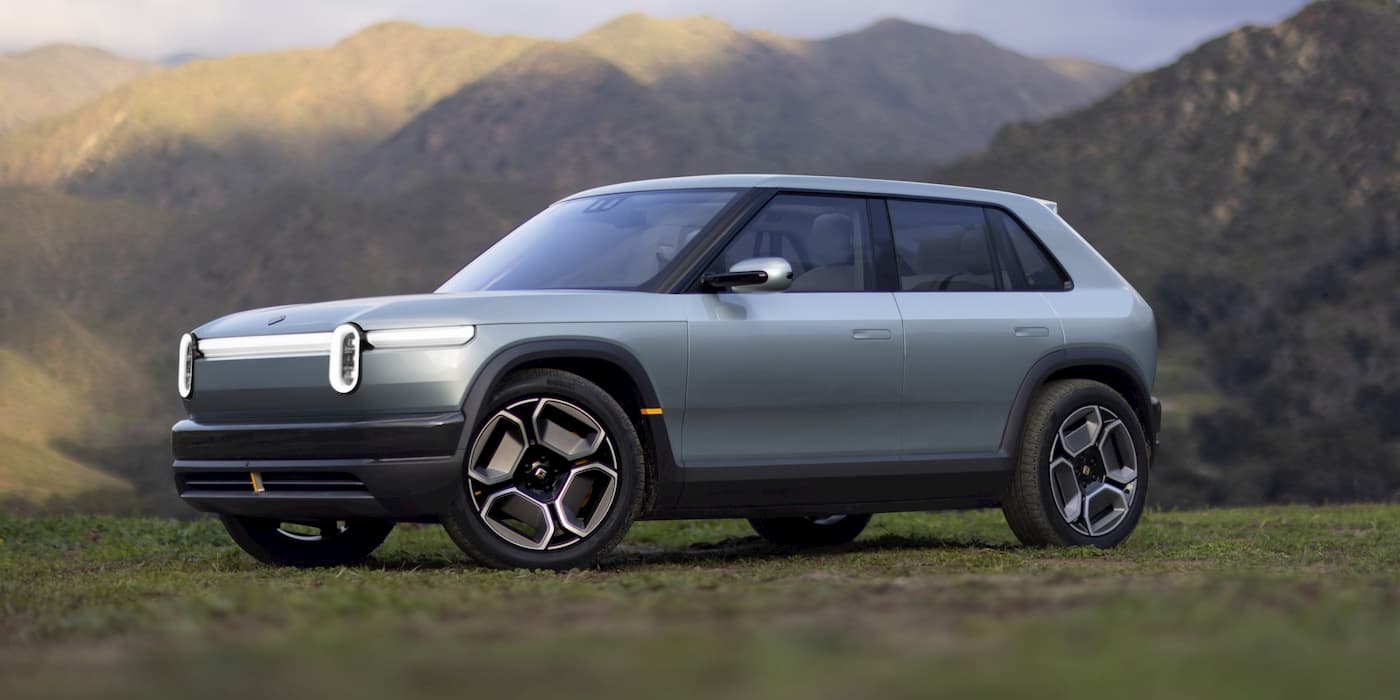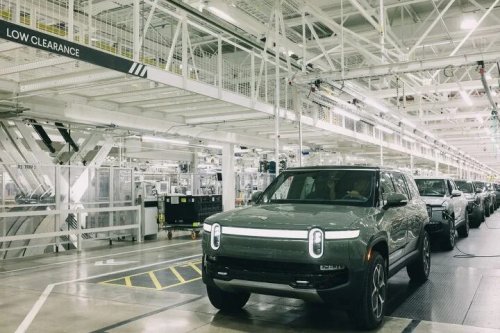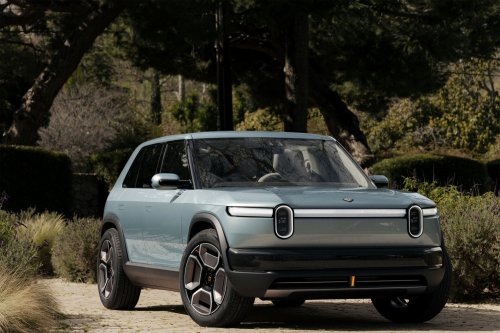



















Image: Redwood MaterialsThe agreement between Rivian and Redwood Materials currently applies only to this specific project at the Rivian plant in Illinois. As such, it is far less extensive than Redwood’s partnership with General Motors, under which Redwood uses both new, US-manufactured batteries from GM and end-of-life battery packs from GM’s electric vehicles for stationary energy storage. Just last year, Redwood—originally positioned as a battery recycler focused on recovering critical raw materials such as cobalt, nickel, copper, lithium, and cathode materials—shifted its focus towards battery energy storage systems.The new battery energy storage solution at the Rivian plant will use over 100 used Rivian battery packs from the manufacturer’s vehicles, giving them a “second life.” When interconnected, these battery packs provide a total capacity of 10 MWh. The stationary energy storage system will reduce grid power consumption during periods of particularly high energy demand, a process known as peak shaving. This is expected to deliver cost savings for Rivian while simultaneously improving grid stability.The system is designed to be rapidly scalable and offers significant cost advantages for the initial investment by using “safe and proven electric vehicle batteries,” as the partners describe them. This approach results in a considerably lower upfront cost compared to purchasing entirely new batteries. It enables faster and more flexible deployment of energy capacity directly at sites with high demand, such as manufacturing facilities.“Electric vehicles represent a massive, decentralised, and highly competitive energy resource,” says RJ Scaringe, Founder and CEO of Rivian. “As energy demand grows, our power grid must become more flexible, secure, and affordable. Our partnership with Redwood allows us to extend the life of our vehicle batteries beyond their initial use, contributing to grid stability and the competitiveness of the USA.”“Electricity demand is accelerating faster than the grid can expand, posing a constraint on industrial growth,” said JB Straubel, Redwood Materials Founder and CEO. “At the same time, the massive amount of domestic battery assets already in the U.S. market represents a strategic energy resource. Our partnership with Rivian shows how EV battery packs can be turned into dispatchable energy resources, bringing new capacity online quickly, supporting critical manufacturing, and reducing strain on the grid without waiting years for new infrastructure. This is a scalable model for how we add meaningful energy capacity in the near term.”Sports car manufacturer Porsche has already implemented a similar project to power its plant in Leipzig, where it has installed a stationary energy storage system roughly the size of two basketball courts. The storage system uses secondhand batteries from the Taycan electric sports car.redwoodmaterials.com