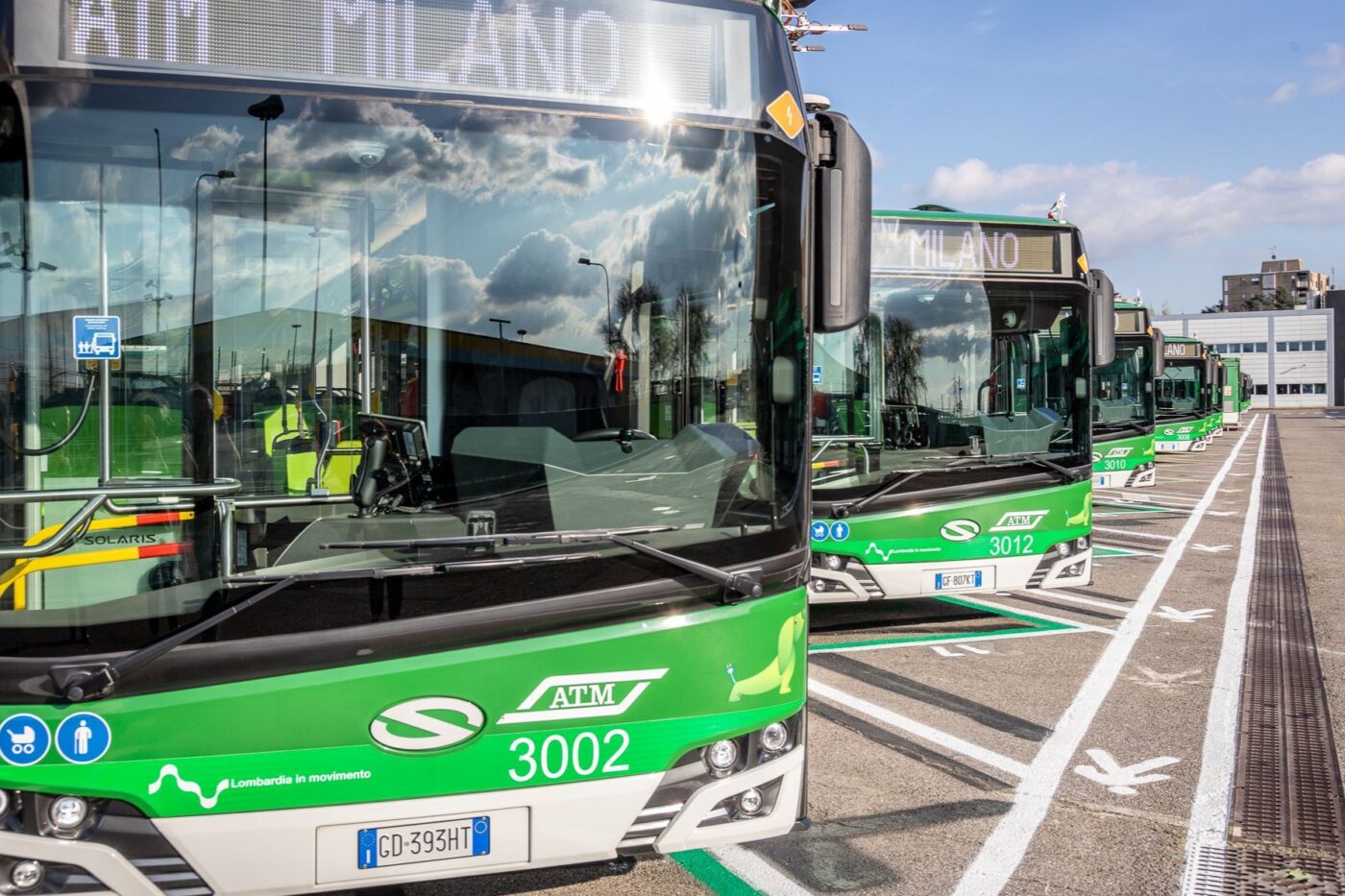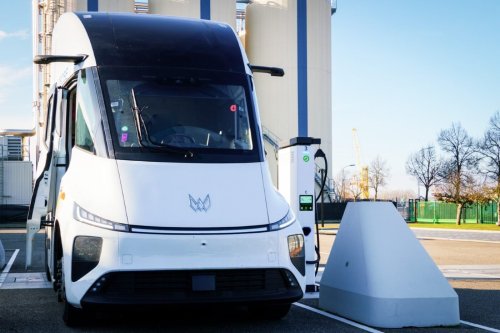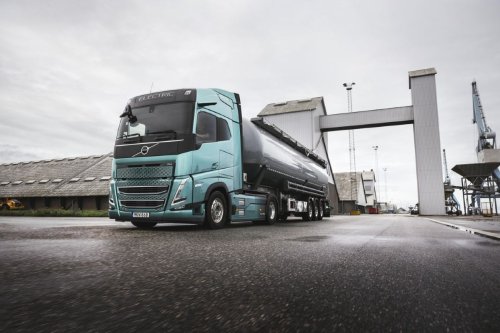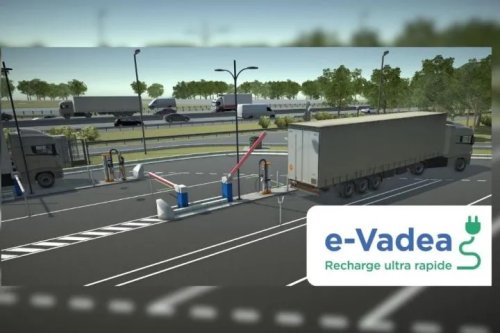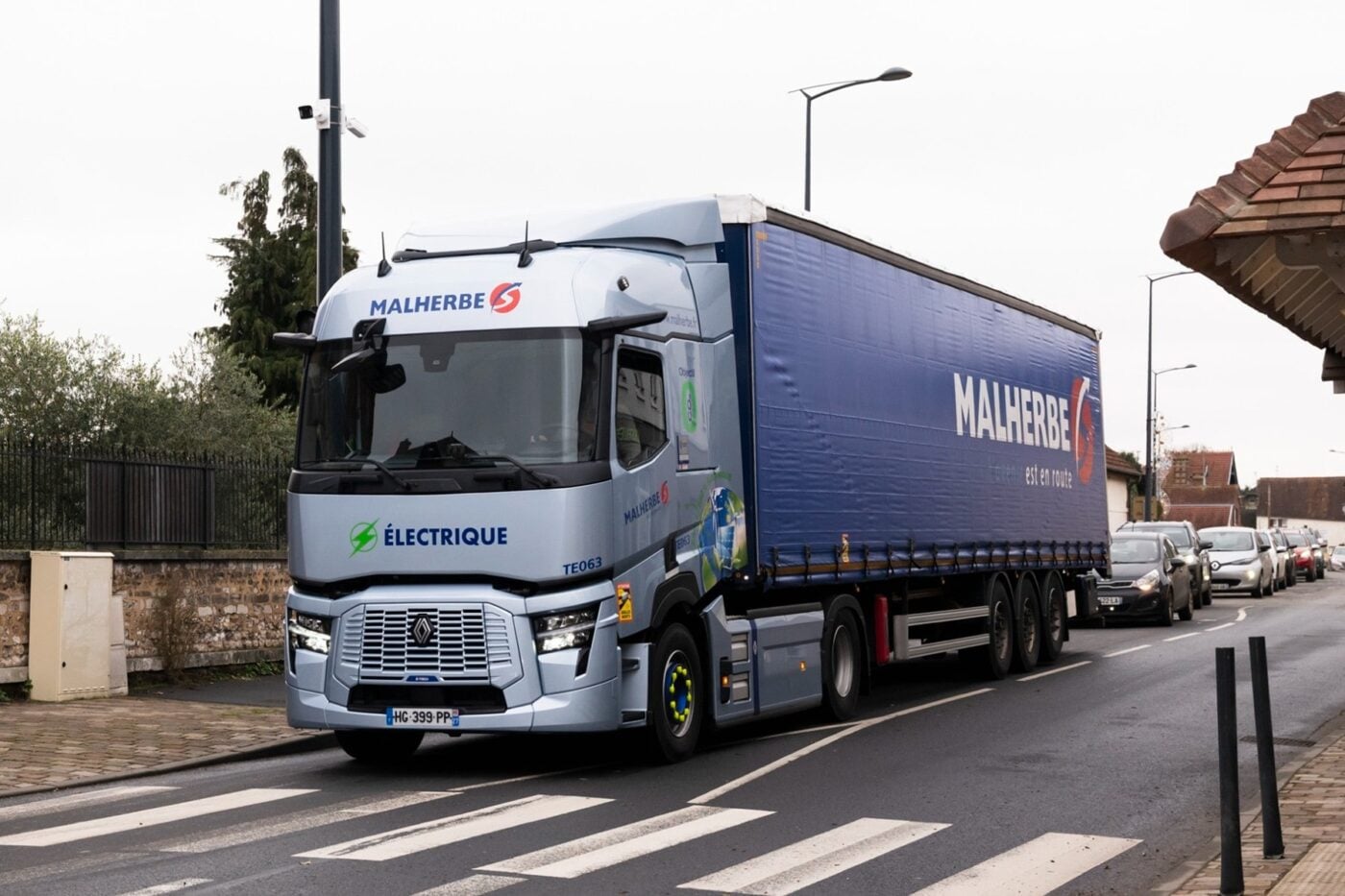



















Symbolic imageImage: Renault TrucksThe grant targets businesses seeking to replace diesel HGVs with fully battery-electric HGVs. Instead of specifying a maximum funding amount, EDF offers an average subsidy of €15,000 euros per electric HGV. This subsidy can be combined with other French funding programmes such as CEE and Advenir. With €30 million euros allocated, the initiative aims to put 2,000 new electric HGVs on France’s roads.However, there are restrictions: while the subsidy applies to both the purchase and leasing of vehicles, it is only available to small and medium-sized enterprises. Each business may claim the grant for a maximum of two vehicles. Additionally, the company must already have a charging station in place or commit to installing one. Retrofitting HGVs with combustion engines will not be eligible for funding.In parallel, EDF plans to install 180 charging stations for electric heavy-duty transport at 73 locations across France over the next three years. These publicly accessible sites will enable drivers to recharge along their routes, primarily supporting long-haul transport. Further details, however, have not yet been disclosed. The French energy group has allocated a budget of €50 million euros for this initiative.These investments are part of a €240 million euro programme launched by EDF to mark its 80th anniversary. “With this €240 million financial commitment, EDF is taking concrete action to support households, transport operators and industrial players in electrifying their uses, and to encourage the establishment of new activities in France,” the company stated.However, only part of the €240 million euros will be allocated to the electrification of road freight transport and the charging infrastructure for long-haul HGVs. An additional €80 million euros will provide 80,000 low-income households with a flat-rate grant of €1,000 euros, which can be combined with existing programmes like ‘MaPrimeRénov’, to support the installation of heat pumps.edf.fr, jepassealelectrique.fr (in French)