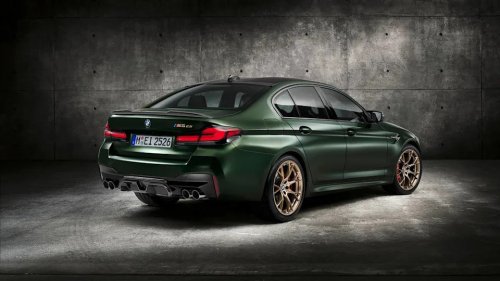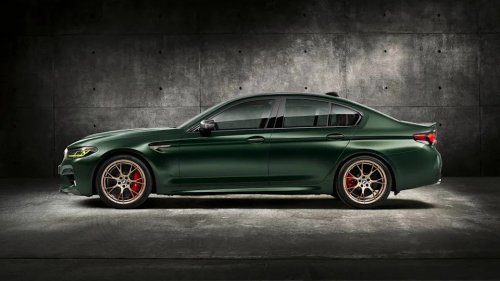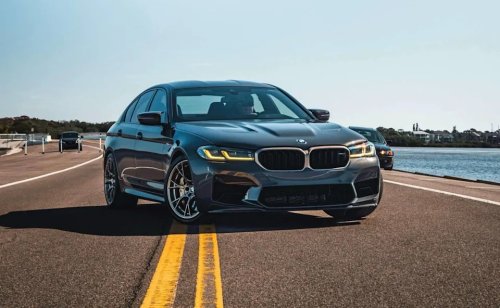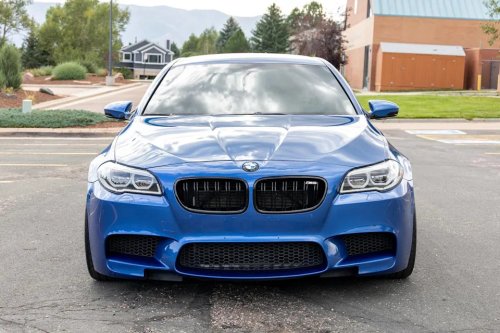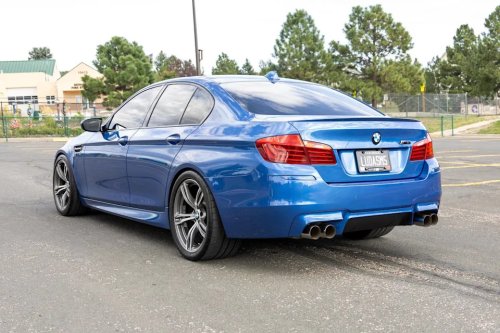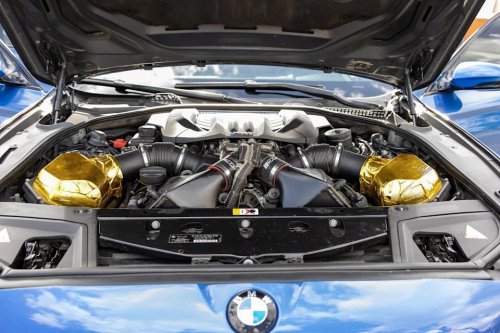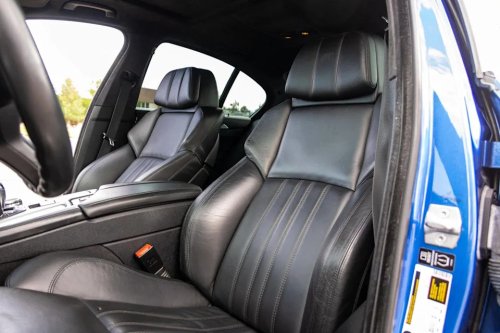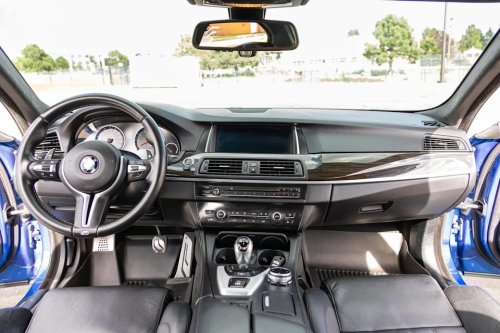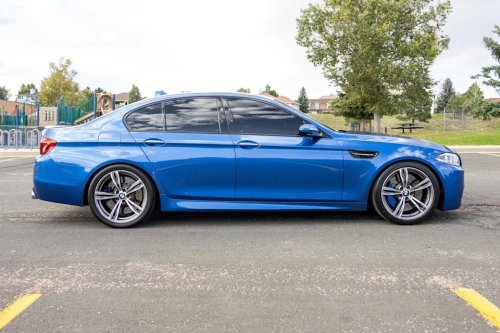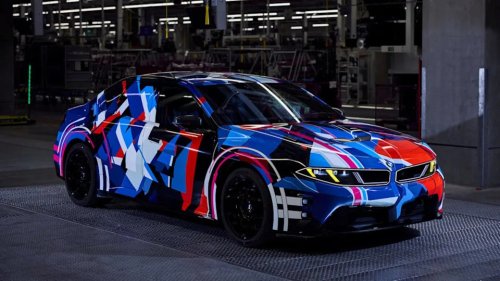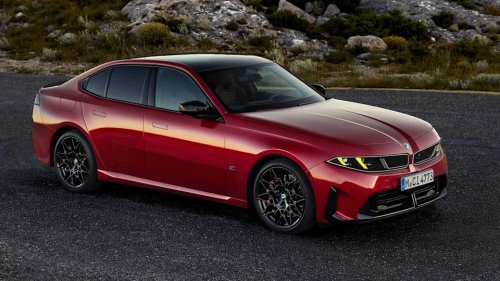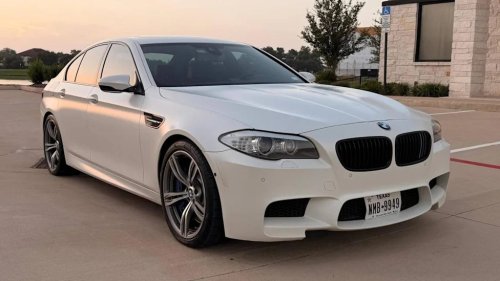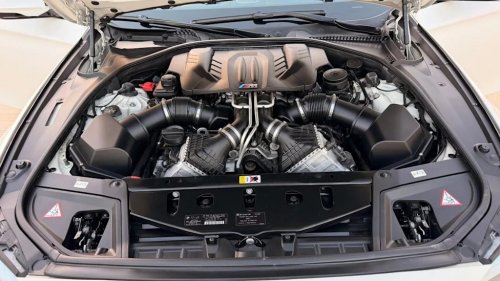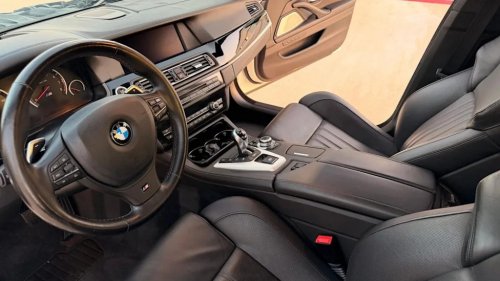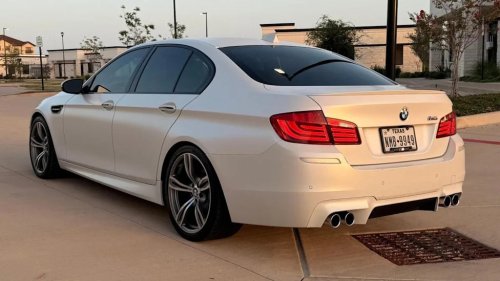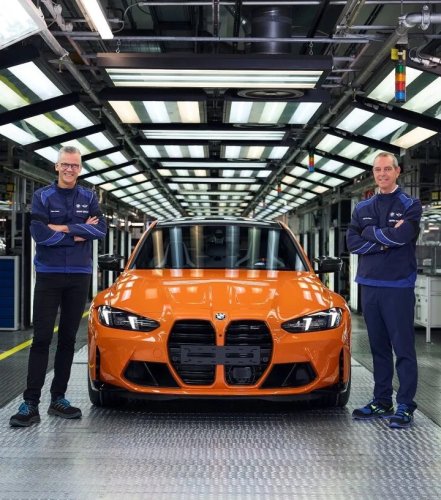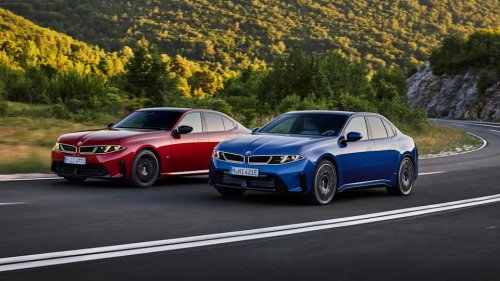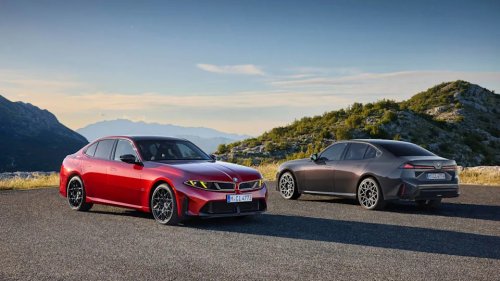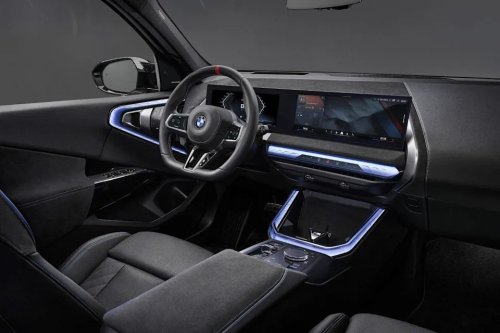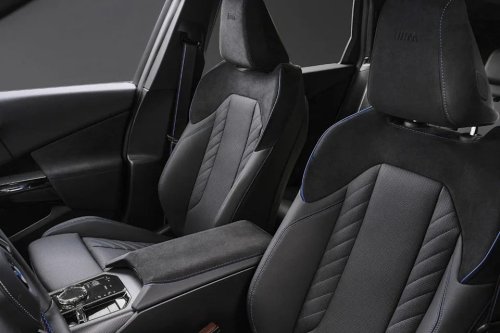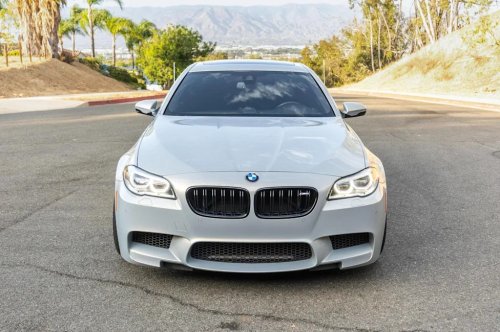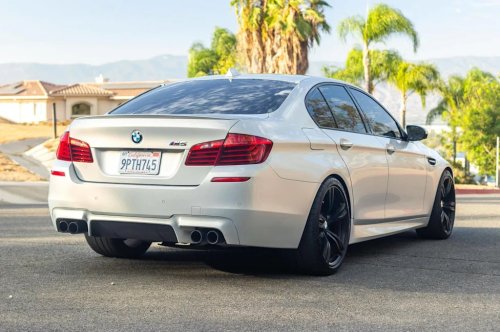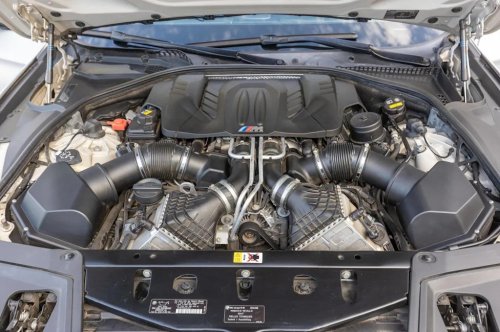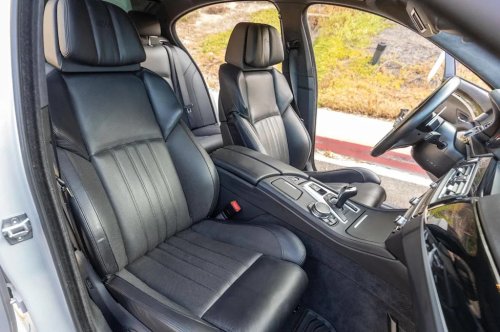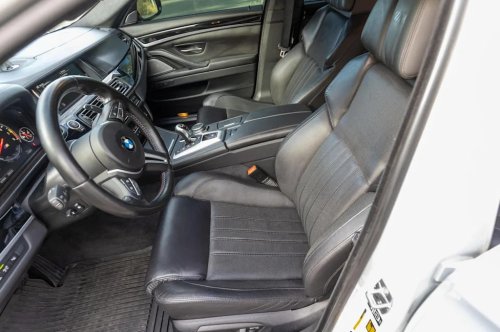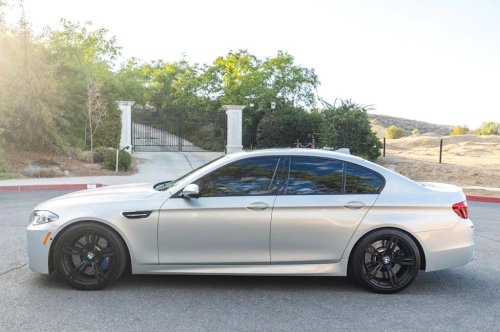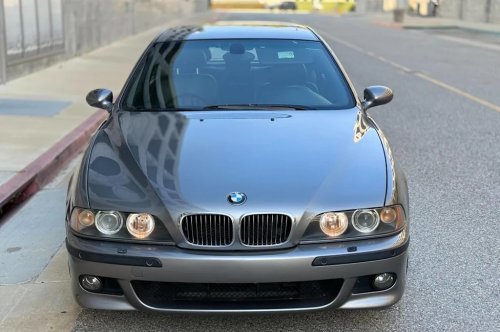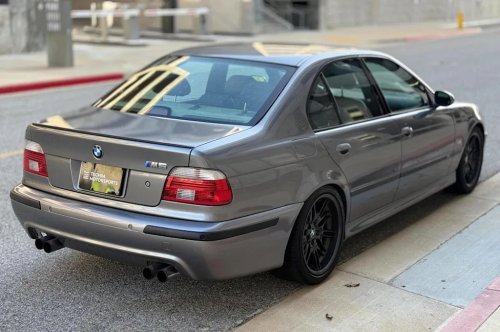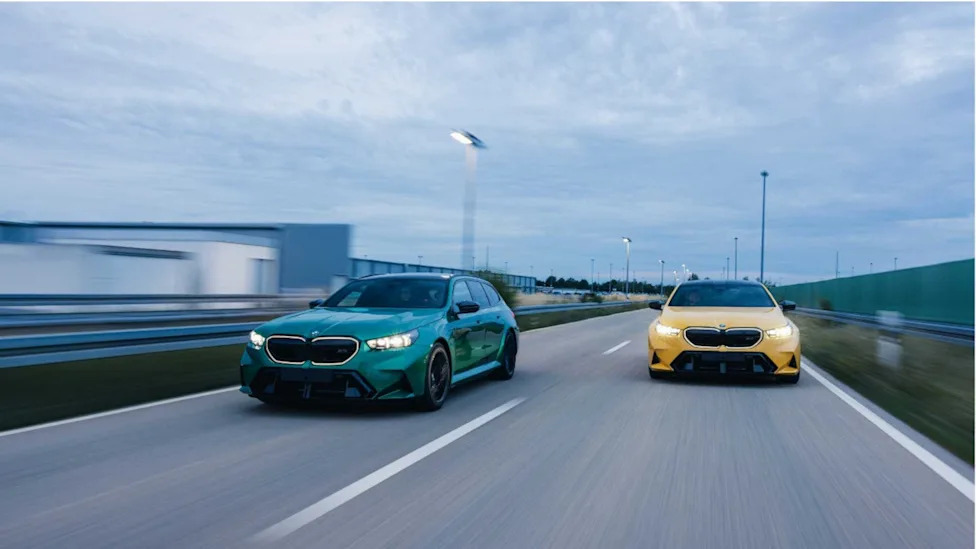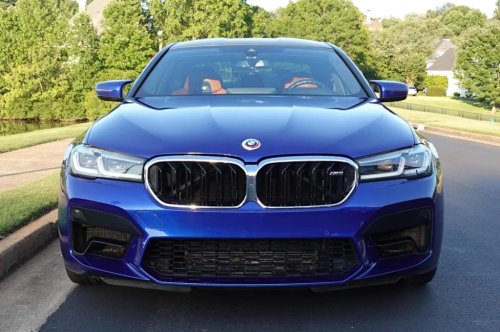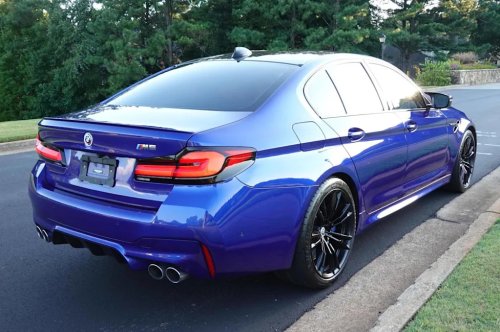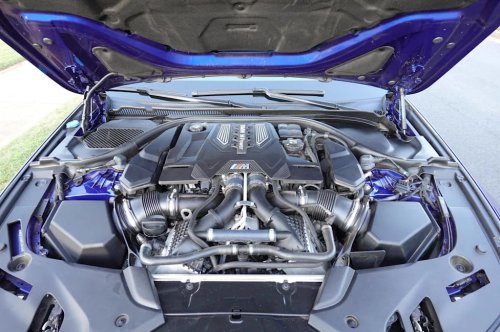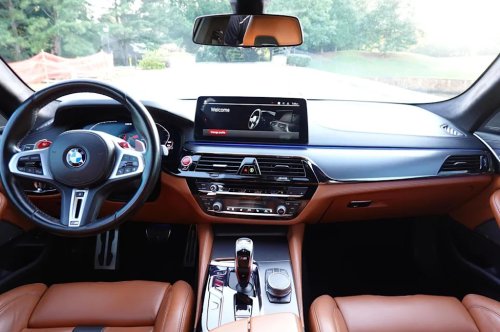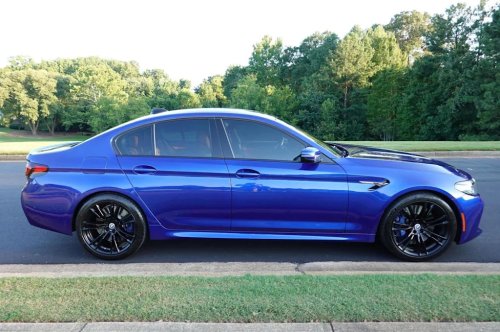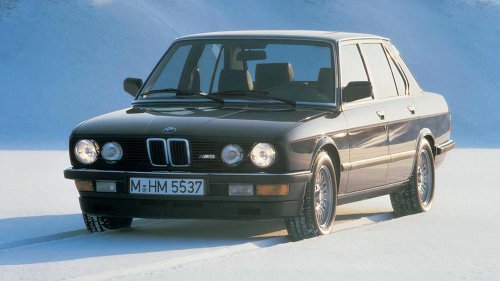
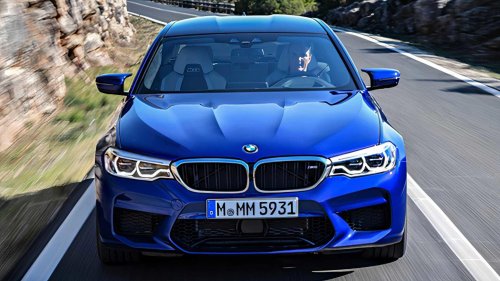
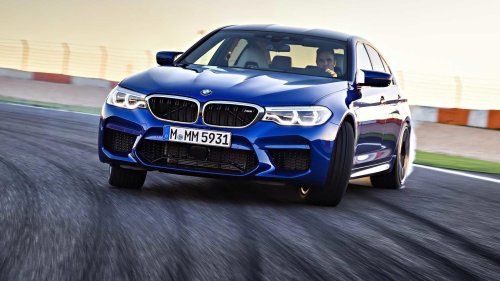
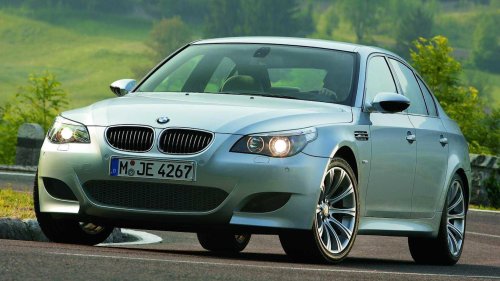


















The BMW M5 is one of the most commanding sports sedans on the planet, as it did kickstart this particular segment of the market after all. As a result, it's easy to see why so many gearheads would relish the chance to have one of their own. The trouble is, a brand-new 2026 BMW M5 will set you back over $120,300, putting it out of reach of most drivers.Luckily, there's no such thing as a bad M5. This means that older models – which have been subjected to depreciation over the last several years – provide excellent value, and offer most of the thrills for a fraction of the price. Earlier specimens of the F90 illustrate this perfectly.This piece explores the used values of early examples of the BMW F90 M5, and how they compare to the value of a brand-new 2026/2027 M5 models. Data has been sourced from the manufacturer and is correct at the time of writing. The M5 Is One Of BMW's Longest-Standing Models Black 1985 BMW M5The M5 is unmistakable to most gearheads alive today, with the first model being introduced in 1985. BMW spotted the opportunity to capitalize on the booming hot hatch market which saw normal grocery-getters have a Carolina Reaper shoved up their exhausts, and they applied the same treatment to a mid-size sedan. The 5-Series was selected for the experiment, and a 3.5-liter straight-six from an M1 supercar was slotted under its long hood.Making 286 hp, the newly created M5 could hit 60 mph in just 6.5 seconds and carry most of this pace through the bends thanks to its M-tweaked chassis and suspension. The E28 proved a huge hit, and so began one of the best-loved dynasties in the automotive world. The Original M5 Spawned A Long Line Of Successors A second-gen M5 based on the E34 5-Series arrived in 1988, and a further five versions of the model have been unleashed in the three decades since. The F90 appeared for the 2018 model year, and it immediately grabbed headlines due to it being the first M5 to feature all-wheel drive, with all its forerunners sending their grunt solely to the rear wheels. It wasn't all shiny and new though, as the F90 once again utilized the effective S63 4.4-liter twin-turbo V8 as used in the previous F10 model, albeit with some refining.The F90 M5 is an effective weapon, as used versions can now be had for well less than what a current-day G90 will set you back. Depreciation Has Once Again Proved To Be The Used Buyer's Friend Blue 2018 BMW F90 M5While there's nothing like buying a new car, the sheer cost of doing so is enough to put many off. The 2027 G90 M5 is on sale already, with a starting MSRP of $123,300 even before you've specced any options - which is similar enough to the circa $110,000 that an F90 would have cost when it was shiny and new in 2018. A solid used example with higher mileage will set you back anywhere from $35,000 - $55,000 - less than half its new price eight years after it left the factory.F90 M5s with lower mileages can be had for around $60,000, some sources reporting that the average auction sale price currently sits at a little over $61,000. A good example is a 2019 Matt Grey number that was offered by Exotic Motorsports of Oklahoma, which has covered just 44,000 miles in its life. The vehicle is pristine inside and out, and comes with a clean CARFAX, for $59,947. At half the cost of a brand-new M5, the F90 represents amazing value. Is The New M5 Worth The Extra Outlay? The new M5 is the most powerful ever built, with its 717-hp peak output blowing away the F90, which can only muster up 600 hp in base trim. This extra power partly comes from the upgraded S68 twin-turbo V8, though most of it is due to the hybrid unit, which brings electrical assistance to the party. Due to the added weight of the system though, the G90's 3.5-second 0-60 mph sprint time is slightly slower than that of its predecessors.The hybrid system comes into its own from an efficiency standpoint, as it can manage an average MPG of between 47 MPGe when working in unison with the V8 - and offering a 29-mile all-electric range - but just 14 mpg without any electrical assistance. The F90 can be quite frugal, but it would take you a long time to make up the $60,000 difference in purchase costs by saving money on gas. The G90, of course, has some more up-to-date interior tech, and oodles more power - but the 0-60 times are exactly the same. So what is there realistically worth sacrificing $60,000 for? The F90 M5 Is Still A Highly Effective Tool 2018 BMW M5 Blue Front View Track DriftingAt the end of the day, the G90 M5's extra grunt and torque matter little in terms of pure performance, as evidenced by the identical 0-60 mph times, though it must be pointed out that the enhanced torque figure of the G90 will prove handy when overtaking unsuspecting victims in the real world. The two cars also have similar xDrive AWD setups, which work with an M Active Differential to ensure each wheel gets the exact amount of power it needs at any given moment. To ensure the M5's revered balance remains, all the power is sent to the rear wheels normally, with the fronts brought into play only when absolutely necessary.It also has a highly effective adaptive suspension setup, which can quickly acclimate to whatever sort of road the M5 is tackling. Crucially, the F90 also weighs around 1,000 lbs less than the G90, making it feel drastically more agile when pushing it in braking zones and through the bends. As a result, it's unlikely you'll be left disappointed with the driving experience offered by the F90, likely quite the contrary. That said, the $60,000 you'll save over the G90 will boost its weight by a fair chunk. Fancy Saving Even More Cash? Then A V10-Powered Weapon Wants A Word 2005 BMW M5 E60 Silver Front Angled ViewWhile the F90 M5 represents great value when compared to a new G90, $50,000 or so is still a fair chunk of change to find. We scoured the used car market and realized we could source a 2010 E60 M5 for around $16,000 - which is well under half what a good F90 will cost you. The E60 is notable for coming with a screaming naturally aspirated 5.0-liter V10 engine, which delivers 507 hp to the rear wheels via either a six-speed manual (if you're in America) or a seven-speed SMG transmission.Its 4.5-second 0-60 mph time may not be as impressive as its more modern rivals, but the breathless engine note of the V10 more than makes up for that. Should the E60 tempt you and your wallet, make sure to bear in mind the running costs associated with the V10 before you pull the trigger. The rod bearings of the S85 V10 are prone to fail over time, especially if the engine hasn't been looked after properly. The throttle actuators can also be a weak point, as is the VANOS system.Curing these ailments can quickly run into the thousands of dollars, so it's best to leave a bit of budget spare if you elect to take the plunge. Given just how cheap they can be though, it takes a strong-minded gearhead to turn down the legendary V10 if the money is there to make the magic happen.Sources: BMW.