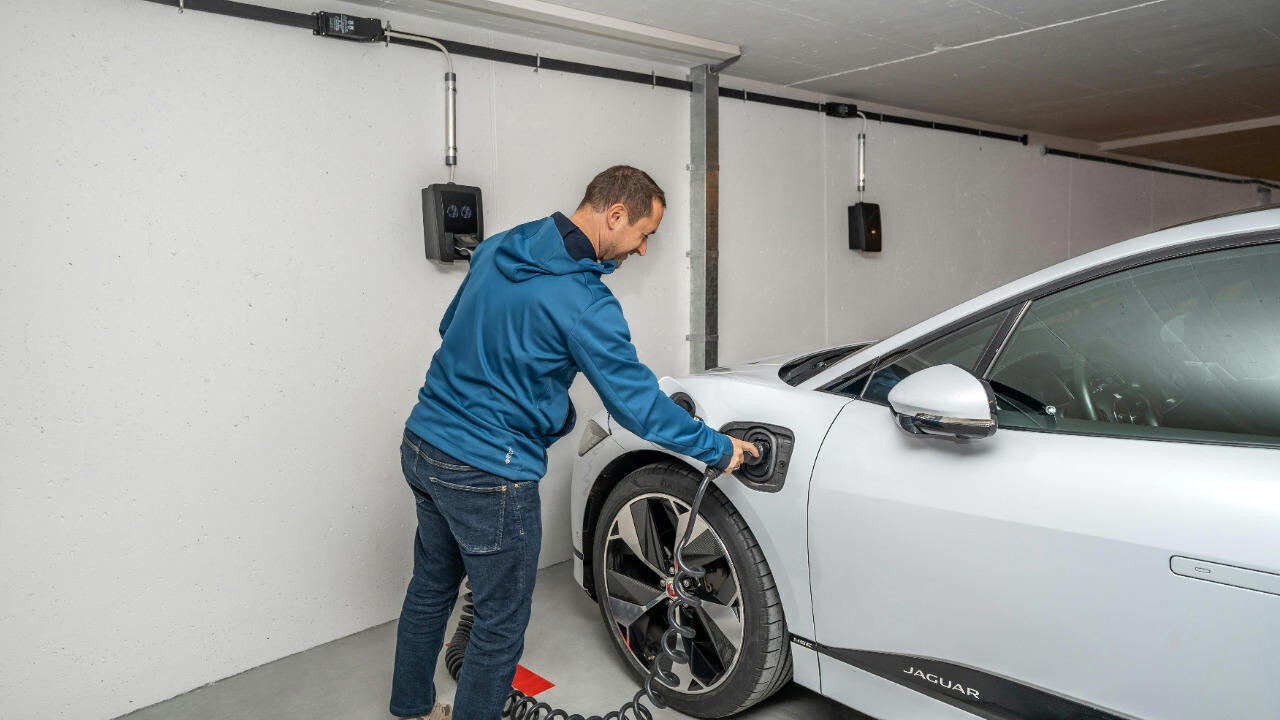
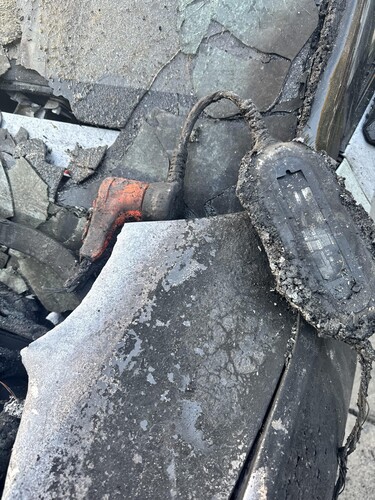
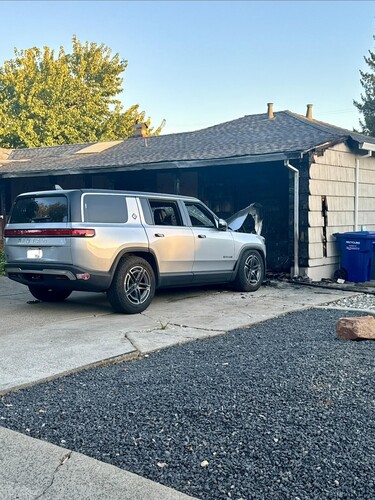
My HOA banned EV charging in the garage and said it’s a fire riskIt started like a lot of modern neighborhood drama: a resident plugs in an electric vehicle at home, and suddenly the HOA is emailing like it’s a five-alarm emergency. The message was blunt—no EV charging in the garage, effective immediately—because it’s “a fire risk.” For the owner, it felt less like a safety policy and more like a return to the era when “new thing” automatically meant “dangerous thing.” But the bigger story isn’t just one person losing a convenient outlet. It’s the growing clash between communities built around shared rules and a transportation shift that’s happening whether HOAs feel ready or not. And the truth, as usual, is more complicated than the subject line of an HOA blast email. What the HOA actually banned (and why that detail matters) In many HOA notices, “EV charging” gets lumped into a single scary category. But there’s a huge difference between plugging into a standard 120-volt outlet with a manufacturer-provided cord, installing a properly permitted 240-volt Level 2 charger, or running an extension cord under a garage door like you’re setting up a backyard movie night. Those are not the same risk profile, and they shouldn’t be regulated like they are. Residents say the ban was framed broadly: no charging at all in attached garages or shared parking structures. Sometimes it’s tied to a new rule, other times it’s a sudden “clarification” of an old one. The wording matters because a blanket prohibition can sweep up safe, code-compliant setups along with the genuinely sketchy stuff. Is EV charging in a garage actually a fire risk? EVs and charging equipment can be involved in fires, just like anything electrical. But the common causes tend to be boring, familiar problems: damaged wiring, improper installations, overloaded circuits, cheap or counterfeit components, and poor maintenance. In other words, the same reasons space heaters, dryers, or that ancient garage fridge can cause trouble. When charging is done with listed equipment (think UL or equivalent safety certification), on a correctly sized circuit, installed to code, the risk is generally manageable. EV supply equipment is designed with built-in safety features like ground-fault protection and monitoring that stops charging if something’s off. The “fire risk” label isn’t totally imaginary, but it’s also not a free pass to ban the whole category without nuance. The real anxiety: shared buildings, shared liability HOAs aren’t just being stubborn for sport—though, sure, some boards have a hobby-level devotion to “no.” In condos and townhome communities, especially with attached garages or shared parking structures, a fire affects everyone. Insurance premiums are already a sore topic, and a board’s worst nightmare is being accused of ignoring a known risk. That anxiety can turn into overcorrection: ban first, ask questions later. It’s simpler to say “no EV charging” than to evaluate electrical capacity, set installation standards, verify permits, and enforce rules evenly. And if the board members aren’t familiar with EV technology, “unknown” can feel like “unsafe,” even if the data doesn’t back up the panic. Sometimes the issue isn’t the car—it’s the wiring Older buildings can have limited electrical headroom, and garages weren’t always designed for high-draw appliances. A Level 2 charger can add meaningful load, and if multiple residents install chargers without coordination, you can create real capacity problems. That’s not an EV problem so much as a planning problem. This is where a responsible approach looks less like a ban and more like infrastructure management. Load studies, panel upgrades, and smart chargers that can throttle or schedule charging are common tools. They’re not always cheap, but they’re often more realistic than pretending EVs aren’t showing up in the parking lot. What residents can do right now (without starting a neighborhood civil war) If you’re the person who got that email, the first move is to ask for specifics. What exactly is prohibited: Level 1, Level 2, all charging, or only hardwired installs? Is the concern about extension cords, unpermitted electrical work, or a particular incident that spooked the board? Next, request the documentation behind the decision. That could be an insurance carrier letter, a fire marshal recommendation, an electrical engineer’s assessment, or a policy memo from the HOA’s attorney. If the answer is basically “we heard it’s dangerous,” you’ve learned something important: the ban might be more vibes than verification. It also helps to propose a middle-ground policy, because “I want my charger back” rarely wins hearts. Suggest requirements like using UL-listed chargers, installing on a dedicated circuit, pulling permits, using licensed electricians, and providing proof of inspection. You can even offer a charging schedule or a smart charger setting if the building’s capacity is a concern. How HOAs are trying to split the difference Across the country, more associations are moving toward managed EV charging rather than bans. That often looks like designated charging spots, standardized installation specs, and a formal approval process that prevents random DIY wiring. Some communities install shared chargers and bill residents for usage, which is surprisingly popular once the logistics are solved. There’s also a growing market of “EV-ready” upgrades: conduit runs, reserved panel capacity, and networked systems that can allocate power intelligently. Translation: the building can support multiple cars charging without everyone charging at max power at the same time. It’s the difference between a free-for-all and an actual plan. The legal angle: “Right to charge” laws and HOA limits Depending on where you live, the HOA may not have unlimited authority to block charging outright. Several states and local jurisdictions have laws that restrict how far associations can go in prohibiting EV chargers, especially for deeded parking spaces. These rules vary a lot, but they often allow HOAs to set reasonable installation and safety standards rather than blanket bans. That doesn’t mean you should open with “I’m calling my lawyer,” unless you enjoy long meetings and passive-aggressive newsletters. But it’s worth checking your state and city rules, your governing documents, and any recent policy updates. If the HOA is overstepping, a calm, well-sourced note can be more effective than a showdown. What fire departments and insurers usually want to see Safety stakeholders tend to focus on practical controls: proper installation, certified equipment, clear access, and no improvisational wiring. Extension cords and adapters are common red flags, as are damaged outlets or chargers that show heat discoloration. If your charging setup looks like something you’d proudly show an electrician, you’re on the right track. Insurers often care about consistency and documentation. A written policy, permits, inspections, and a method to ensure installations are done properly can reduce the “unknown risk” feeling that drives premiums. It’s not glamorous, but it’s how shared buildings keep everyone covered without banning half of modern life. Where this leaves the neighbor who just wanted to charge at home For residents, the frustration is real: charging at home is one of the biggest perks of owning an EV. Taking it away can feel like the HOA is effectively telling you what kind of car you’re allowed to own. And yes, it’s hard not to notice that gas cars in garages bring their own exciting collection of flammable liquids. Still, the path forward usually isn’t a dramatic fight—it’s boring, persistent problem-solving. Ask for the evidence, offer a safer policy, and push for a plan that treats EV charging like what it is: an electrical load that can be managed. If the neighborhood can create rules for paint colors and patio furniture, it can definitely handle a charger that’s been properly installed. More from Fast Lane Only Unboxing the WWII Jeep in a Crate 15 rare Chevys collectors are quietly buying 10 underrated V8s still worth hunting down Police notice this before you even roll window down The post My HOA banned EV charging in the garage and said it’s a fire risk appeared first on FAST LANE ONLY.