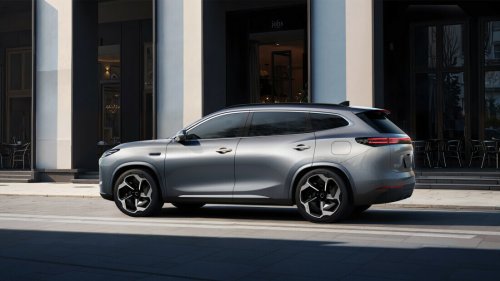
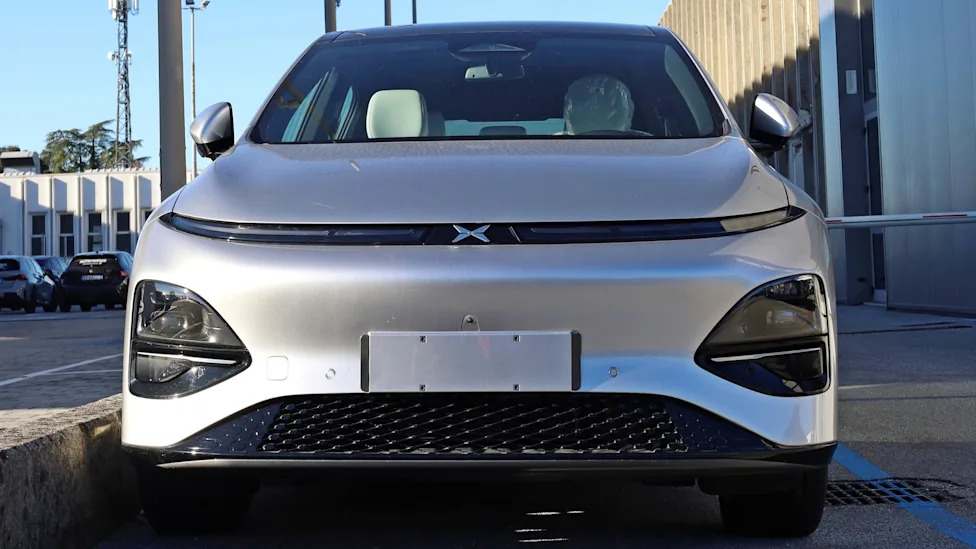
Photo Credit: iStockA Chinese auto brand just accomplished an impressive feat that could shake up the electric vehicle world. In a report from WhichEV, Chinese EV and artificial intelligence company Xpeng said its updated G6 electric SUV became the first production EV to travel 1,000 kilometers — about 621 miles — in under 10 hours, including charging stops.During a verified test at the race track, UTAC Millbrook Proving Ground, a UK-stock XPENG G6 Long Range rear-wheel-drive model finished the distance in 8 hours, 25 minutes, and 10 seconds.The vehicle completed 312 laps around Millbrook's 3.2-kilometer high-speed track (nearly two miles), using high-speed chargers similar to those found at public charging stations between driving sessions.AdvertisementAdvertisementThe unmodified production SUV used a 66-kilowatt-hour battery pack and 800-volt electrical architecture to keep charging times down. Across the run, the G6 spent a total of 94 minutes and 58 seconds charging over seven stops, with sessions averaging 13 minutes and 20 seconds. WhichEV noted a rotating team of UTAC drivers held an average speed of 119 kilometers per hour, or 74 mph. Independent measurements came from Racelogic VBox equipment, and the test was carried out using principles from United Nations Regulation ECE R39."Setting this new benchmark is an exciting endorsement of the Xpeng G6's capabilities as a sophisticated electric vehicle, designed for real-world drivers who want luxury and performance," Xpeng UK Sales Director Jonny Miller said. These results show that modern EVs have impressive range figures and quick recharge times. AdvertisementAdvertisementFor years, electric vehicle benchmarks have centered on how far a car can go on one charge. But charging downtime remains one of the biggest sticking points for people considering the switch. If production models can add meaningful range in minutes instead of requiring extended breaks, road trips become more practical.That could help more drivers move away from gas-powered vehicles, cutting tailpipe pollution while reducing fuel costs.There are financial benefits too. EVs generally cost less to fuel than gas cars and often need less routine maintenance because they have fewer moving parts and no oil changes. Xpeng's record attempt also reflects a broader shift in the EV market — especially among Chinese automakers — toward high-voltage platforms and ultra-fast charging instead of simply adding bigger batteries.AdvertisementAdvertisementThe company said the G6 can recharge from 10% to 80% in as little as 12 minutes on an ultra-high-speed charger.Meanwhile, charging infrastructure is continuing to improve across the U.S. and Europe, with more high-powered chargers appearing along major travel routes. For drivers, that means EV charging is now more convenient than ever before. Plus, charging at home can also be significantly cheaper than relying on public stations. If you're curious about how much an at-home Level 2 charger can save you, connect with the experts at Qmerit. Installing solar panels can increase those savings even more, since charging with your own electricity is often cheaper than using public chargers or drawing power from the grid.Get TCD's free newsletters for easy tips, smart advice, and a chance to earn $5,000 toward home upgrades. To see more stories like this one, change your Google preferences here.



















 +66 others