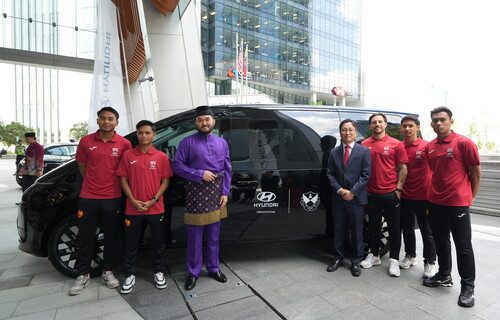
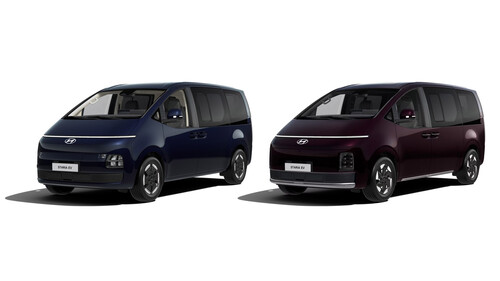
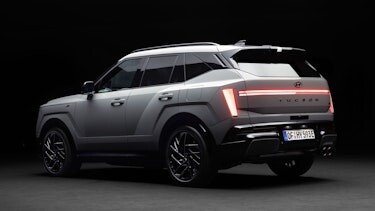
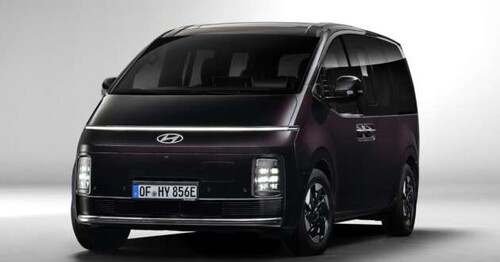
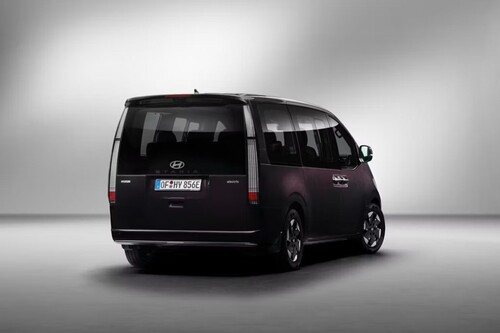
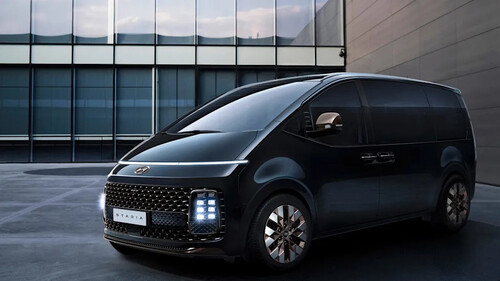
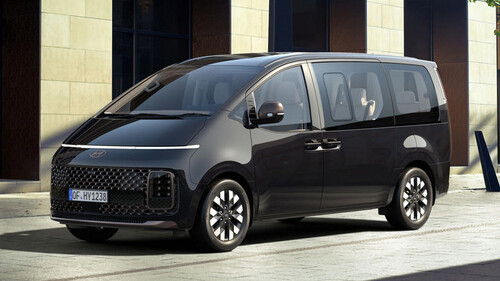
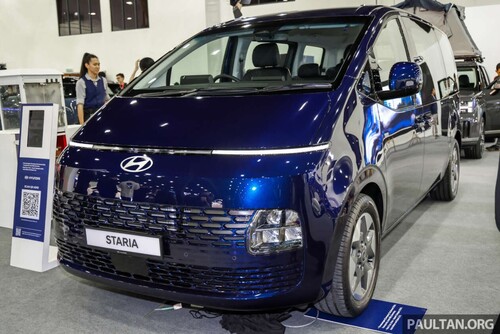
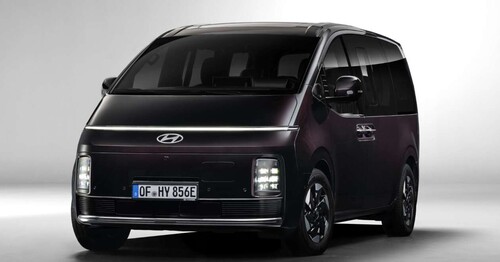
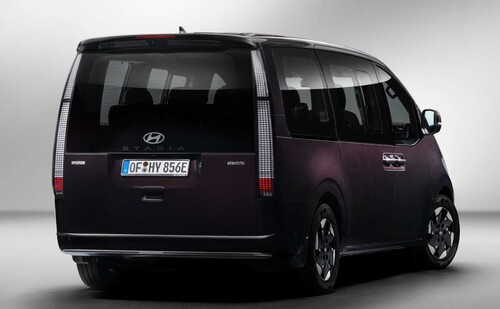
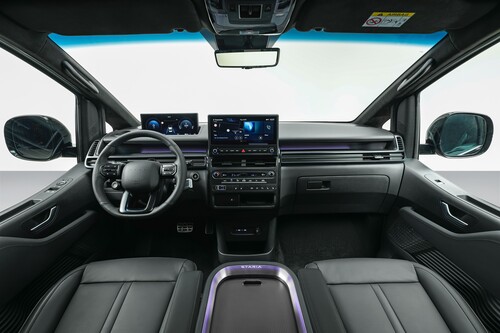
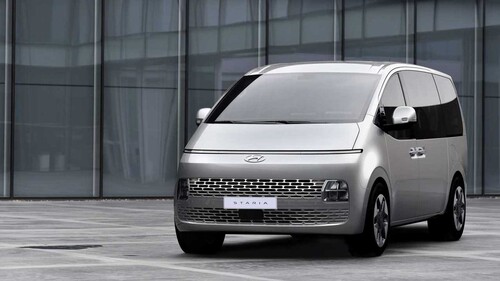
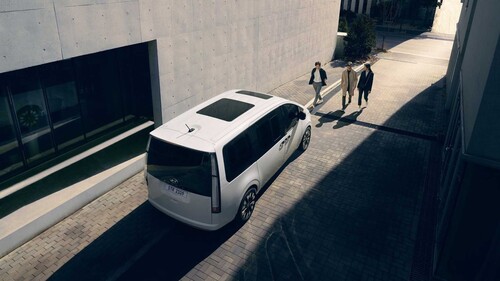
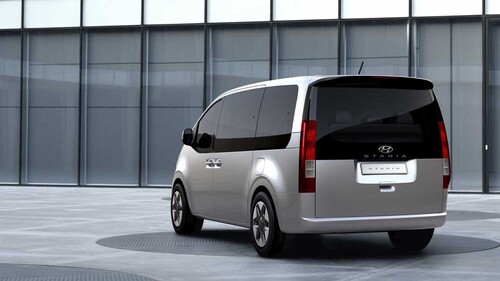
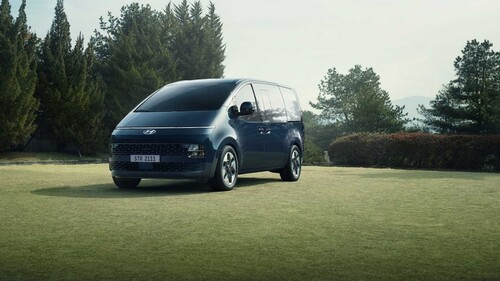
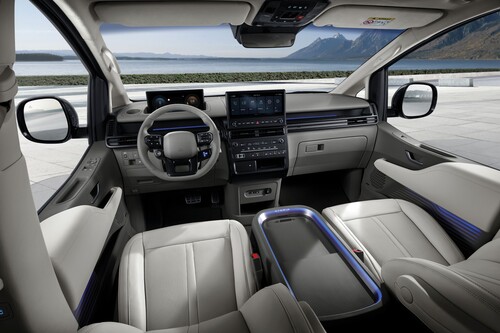
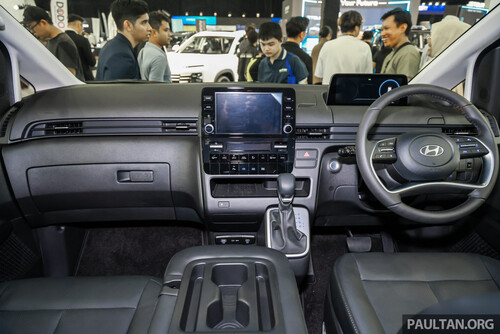
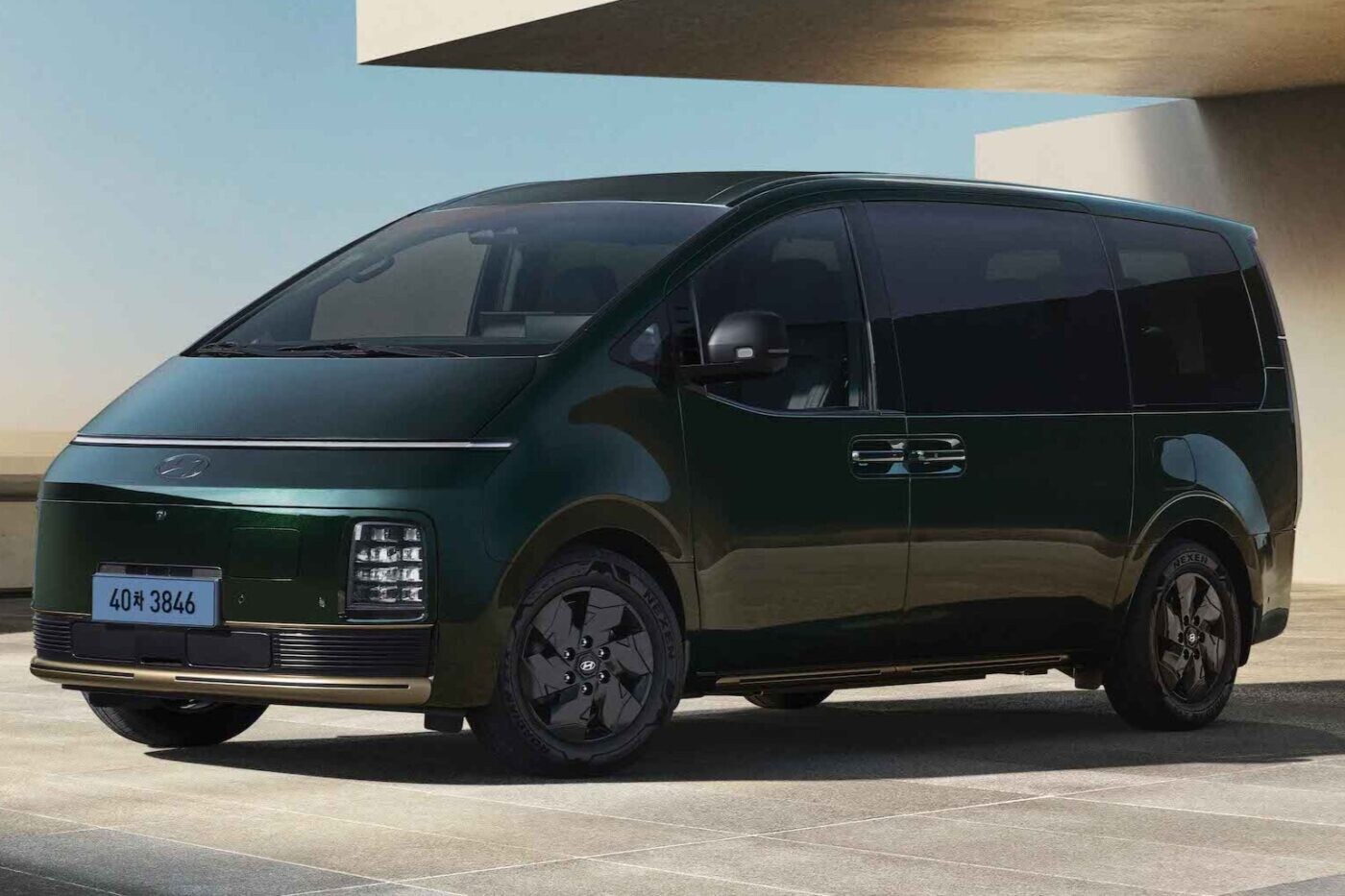
Hannah Rogers · 5 months ago@hannahrogers47South Korea: National Police Agency to deploy 500 electric vans Liked by+31 othersHyundaistariaPost commentRelated PostsGet a Hyundai and enjoy instant savings, low interest rates; up to 20% off engine oils and free inspections 45 · Carter Bouchard · 10 months agoHyundai Tucson Resale Value: How Much Has The Compact SUV Depreciated?Zoë Hall · 13 days agoExplore the Hyundai Santa Fe and Tucson facelift at ACE 2025 – enjoy cash rebates and more on the Staria 47 · Caleb Nelson · 11 months ago7 Cars With Lease Deals That Cost Less Than $300 Per MonthGabriel Côté · 13 days agoHyundai Staria CKD in new Stormy Sea colour on show at ACE 2025 – RM180k-268k, same as CBU prices 41 · Ethan Nelson · 11 months agoThe GAC Aion V Looks Odd But Is Incredible Value | ReviewAudrey Nelson · 13 days agoHyundai Staria CKD local assembly starts at Inokom Kulim – Tucson NX4 and Santa Fe SUVs next in line 79 · Logan Scott · 1 years agoCar Thefts Are Down in All 50 States This Year. Chicago Apparently Didn’t Get the Memo.Morgan Rogers · 14 days agoHyundai Staria CKD open for booking in Malaysia, RM180k-RM268k, same price as CBU, 4 new colours 88 · Leo Hall · 1 years agoThe Jaguar Type 01 is an Insane Gamble. Here are 4 Modern EVs That Risked and Failed MiserablyHenry Martin · 14 days agoHyundai Motor Malaysia sponsors Selangor FC – club’s Official Mobility Partner hands over Staria MPV 39 · Emily Lavoie · 1 years agoCheapest Electric Cars For 2026Ryan King · 14 days agoPACE 2025: Check out the new Hyundai Malaysia range – all-new Santa Fe, Tucson facelift and Staria 26 · Gabriel Moreau · 1 years agoHyundai offers a 10% discount on the IONIQ 5 and IONIQ 9 EVsMadeleine Lavoie · 14 days agoCheck out the all-new Hyundai Santa Fe, new Tucson and Staria at Sime Darby Auto Hyundai, July 11-13! 37 · Adam Côté · 1 years agoHyundai's Crater Concept Is Real - Inside a Video GameParker Côté · 14 days agoVFACTS: Australia’s best-selling brands and models in the first half of 2025 24 · Amélie Brown · 1 years agoYour Skis and Snowboards Deserve Better—We Found the Racks That Treat Them RightHannah Moreau · 15 days agoHyundai Motor Malaysia starts afresh with new Santa Fe, Tucson, Staria – no legacy models, incl Ioniq EVs 75 · Audrey Girard · 1 years agoHyundai Gives the Sonata New Life With a 2027 RefreshGabriel Lavoie · 15 days ago

 +31 others+31 others
 +31 others