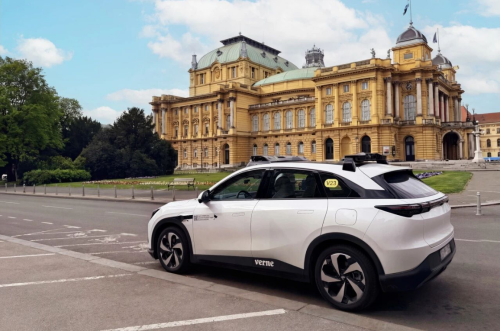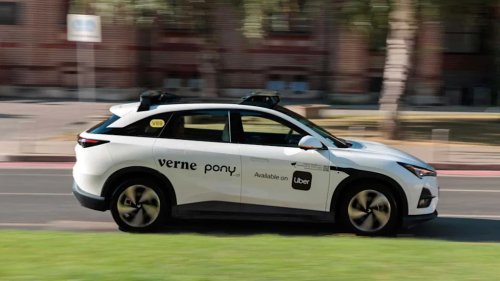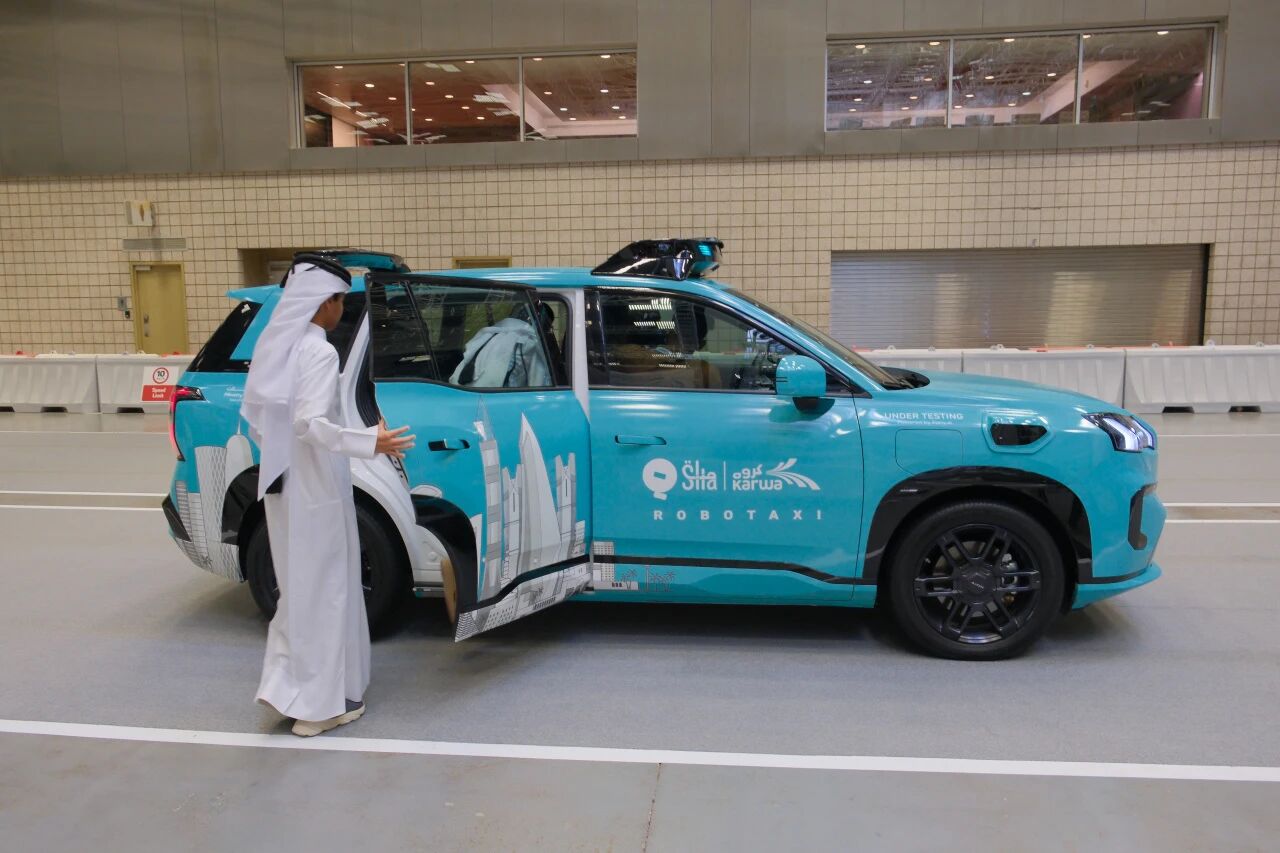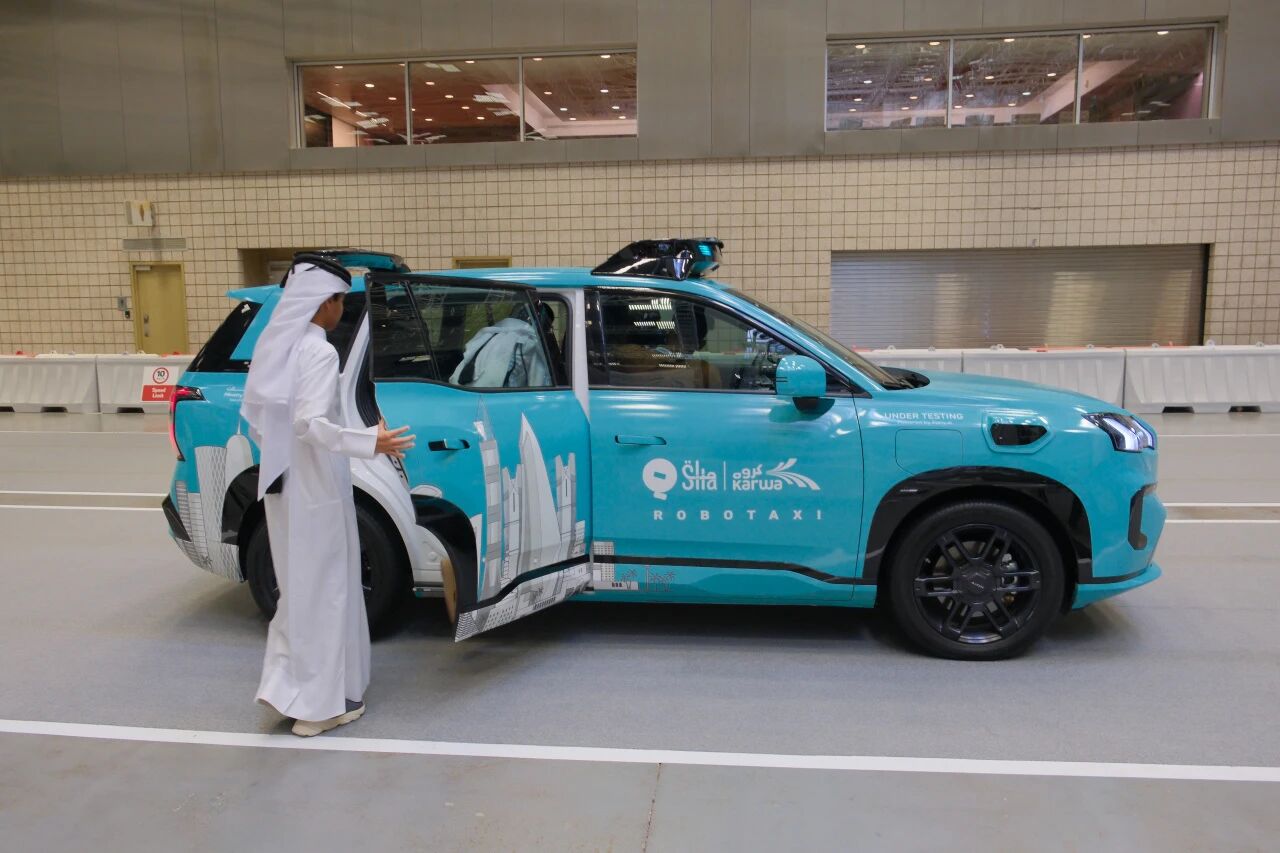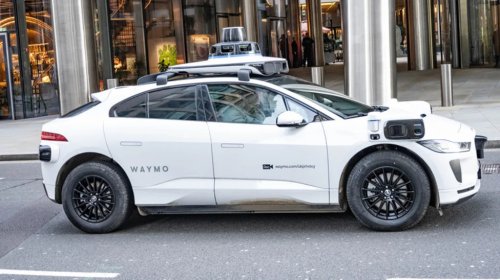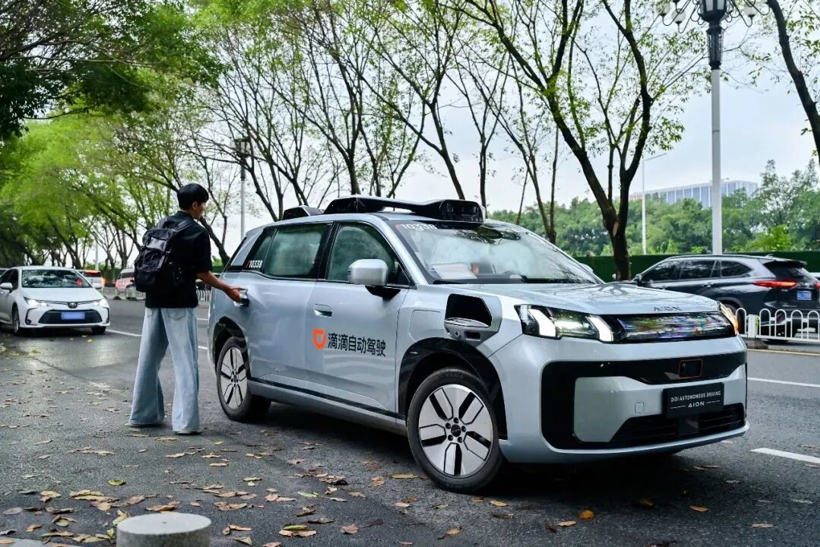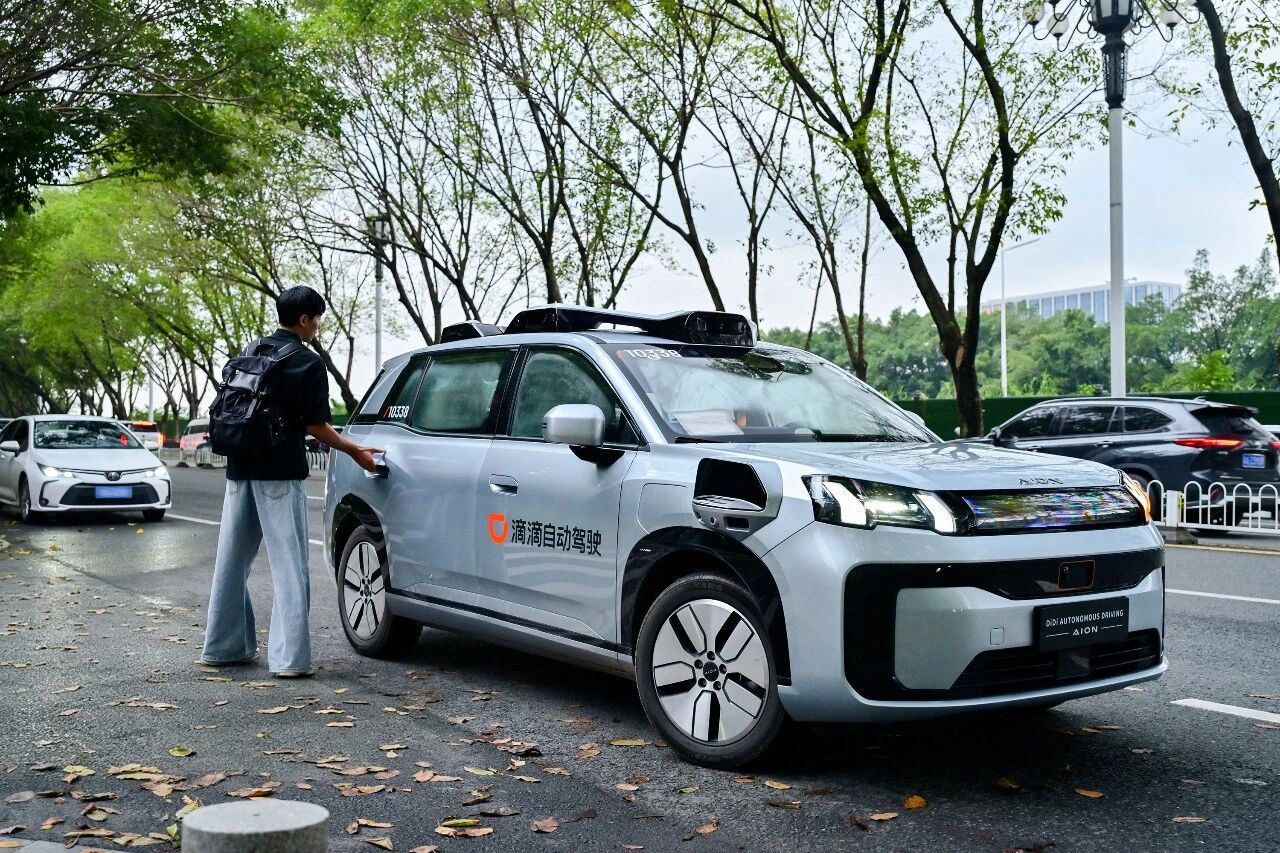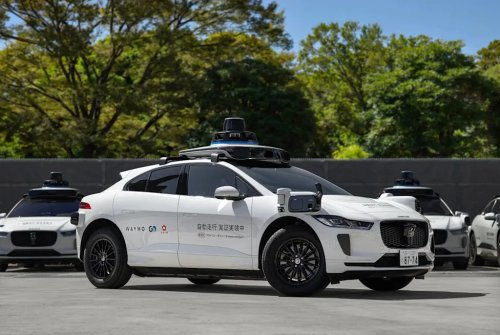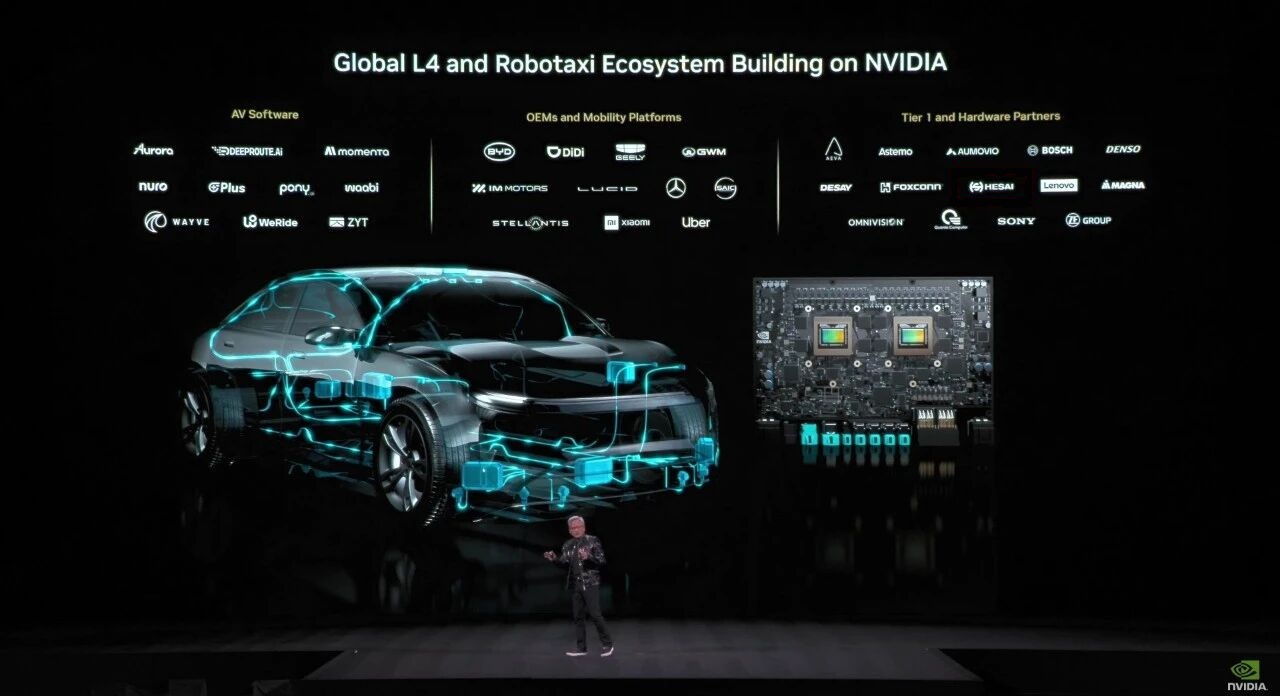
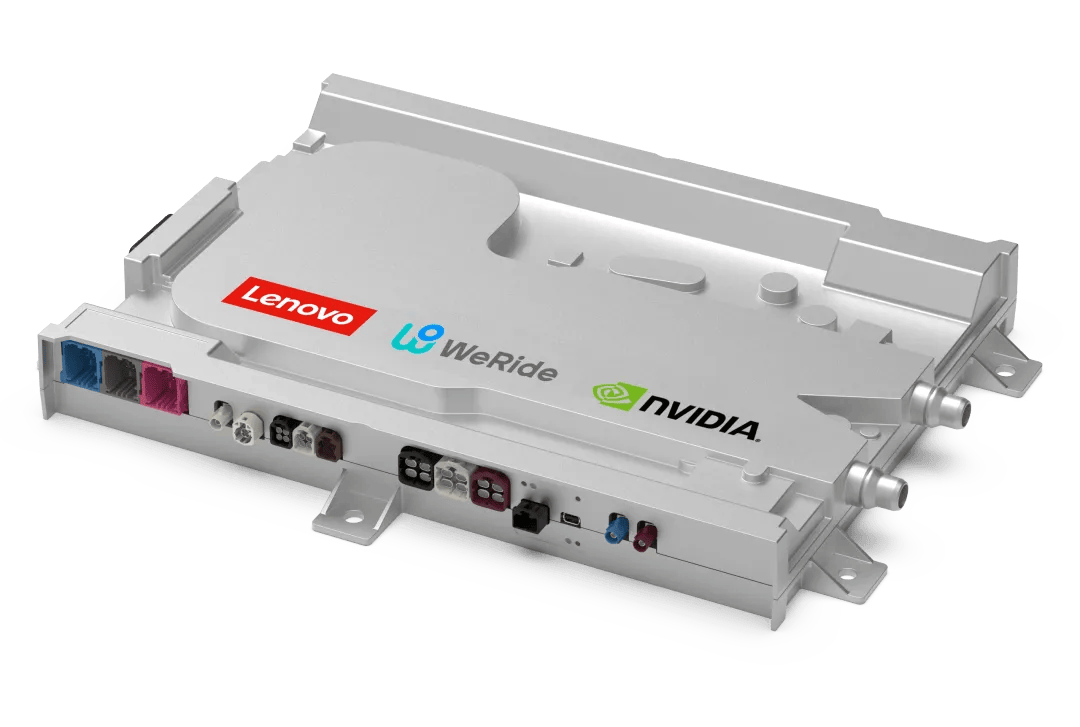
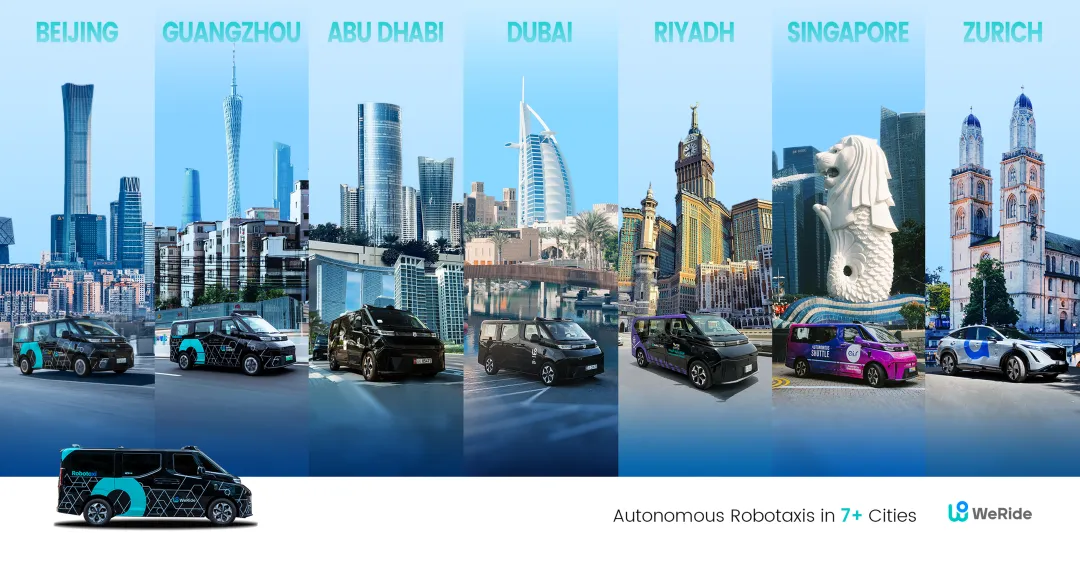



















WeRide expects to deploy hundreds of thousands of Robotaxis globally by 2030. On January 6, WeRide announced that its Robotaxi model GXR has become the world’s first Robotaxi equipped with the NVIDIA DRIVE Thor X chip and has already entered fully driverless commercial operations in China and the United Arab Emirates. At CES 2026, Nvidia founder and CEO Jensen Huang said that most vehicles will be capable of autonomous driving over the next decade. In Nvidia’s presentation of a global L4 autonomous driving and Robotaxi ecosystem map, WeRide was included as part of this worldwide autonomous driving landscape. Global L4 and Robotaxi ecosystem built on NVIDIA As a core infrastructure underpinning large-scale Robotaxi deployment, WeRide, in collaboration with Lenovo Vehicle Computing, developed the HPC 3.0 high-performance computing platform. The platform adopts a dual NVIDIA DRIVE AGX Thor configuration, delivering total computing power of 2,000 TOPS and fully meeting the computational and safety requirements of L4 autonomous driving in complex urban environments. HPC 3.0 high-performance computing platform The platform also achieves 100% automotive-grade design. While improving system integration, it reduces mass-production pricing to one-quarter of the previous-generation solution. As a result, the overall cost of the autonomous driving suite has been cut by around 50%, and total lifecycle cost has declined by 84% compared with the prior generation. HPC 3.0 has been first deployed on WeRide’s new-generation Robotaxi GXR. The vehicle is designed around urban mobility use cases, operates on public roads, and emphasizes stability and scalability. The GXR is currently in operation across multiple cities including Beijing, Guangzhou, Singapore, Abu Dhabi, Dubai, and Riyadh. It has become the world’s first Robotaxi model to achieve large-scale fully driverless commercial operations simultaneously in both China and the UAE. WeRide’s Robotaxi deployment across multiple cities The partnership between the two companies dates back to 2017, when Nvidia became a strategic investor in WeRide. Over the years, the two sides have continuously advanced technology iterations and product deployment across multiple generations of computing platforms, providing a stable foundation for WeRide’s global autonomous driving operations. As autonomous driving regulations continue to mature worldwide, core computing platforms advance, and business models evolve, Robotaxis are accelerating toward large-scale deployment. WeRide expects to deploy hundreds of thousands of Robotaxis globally by 2030 and said it will continue working with partners including Nvidia to advance Robotaxi commercialization at scale. According to company disclosures, as of the end of October last year, WeRide’s autonomous vehicle fleet had exceeded 1,600 vehicles, including nearly 750 Robotaxis dedicated to commercial operations.