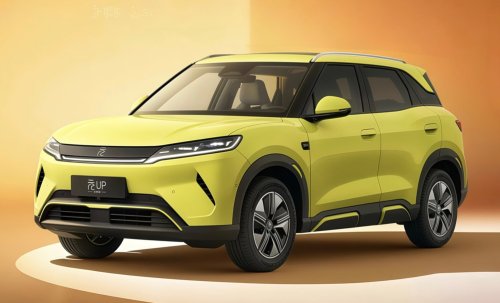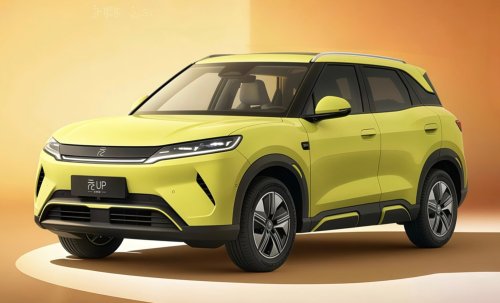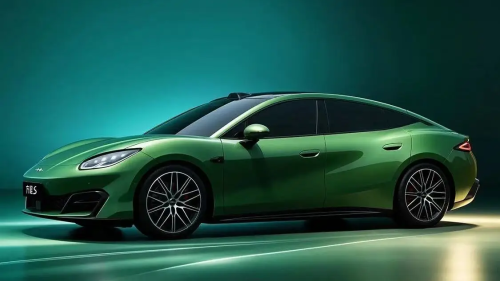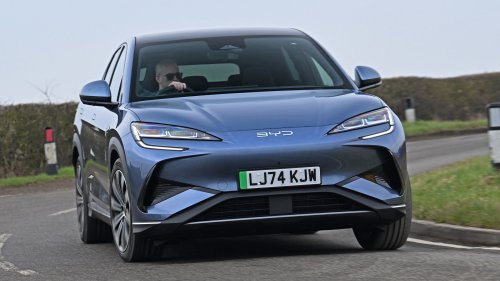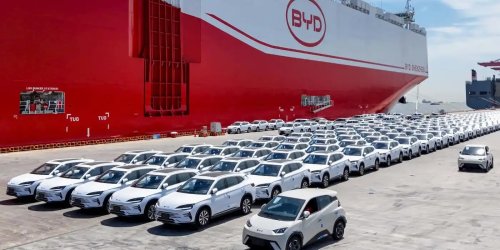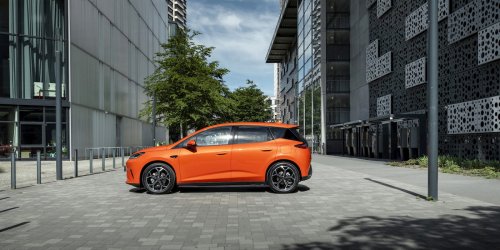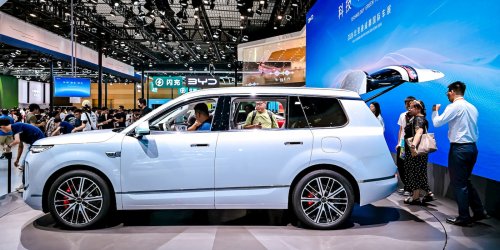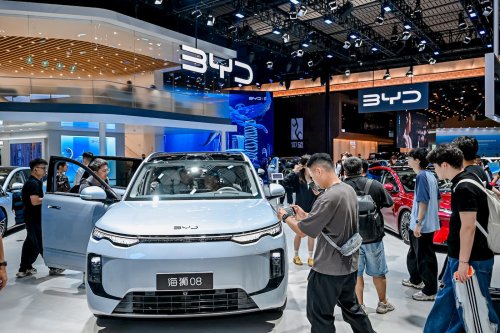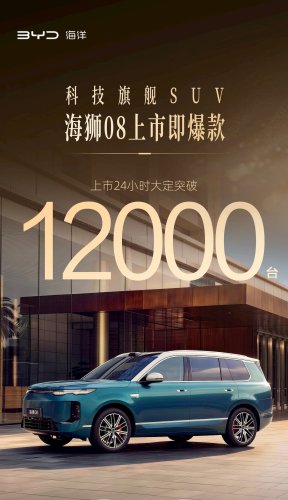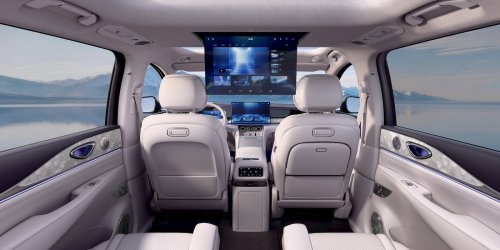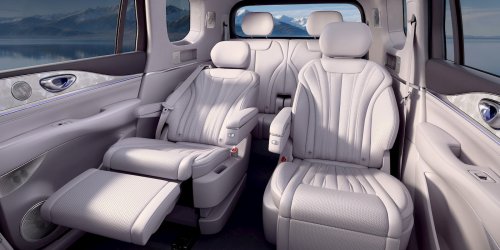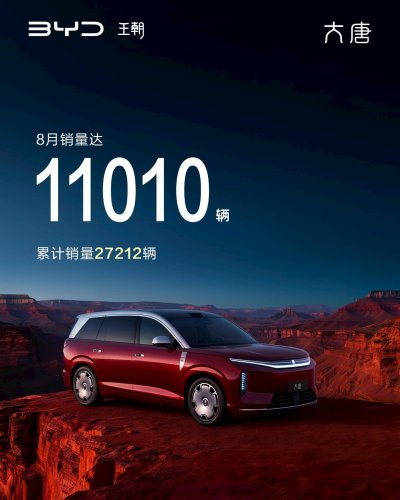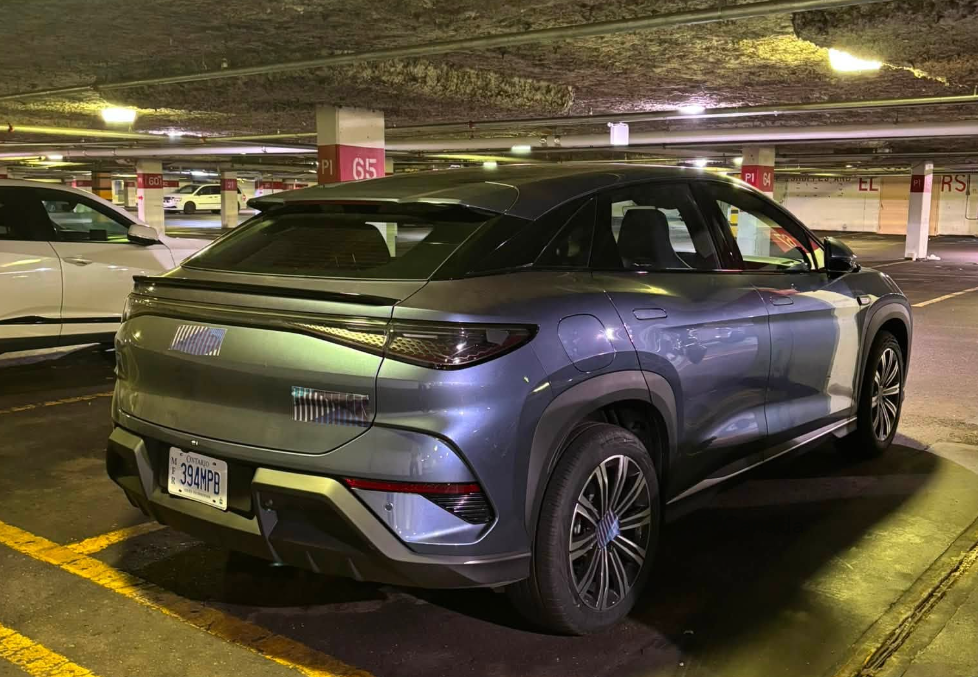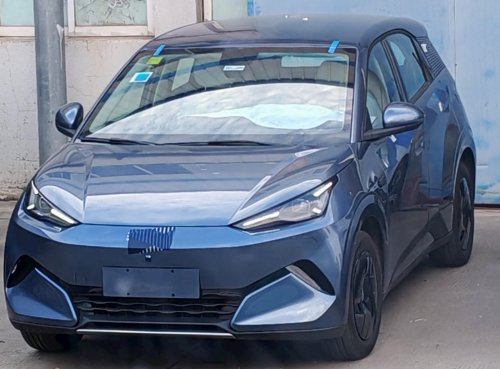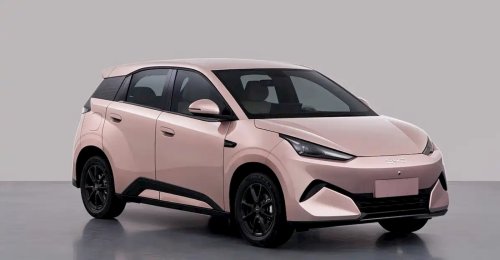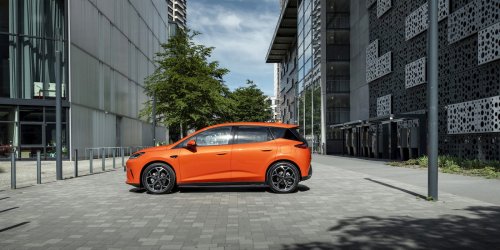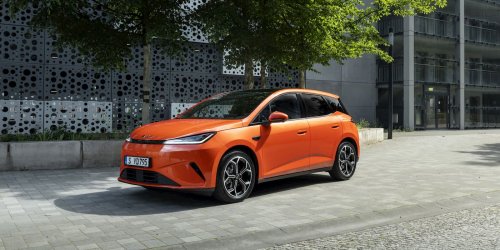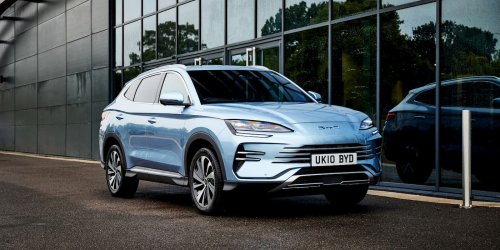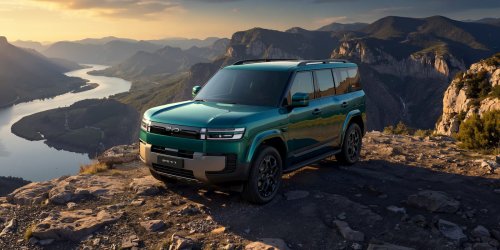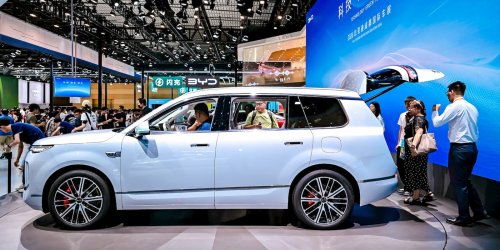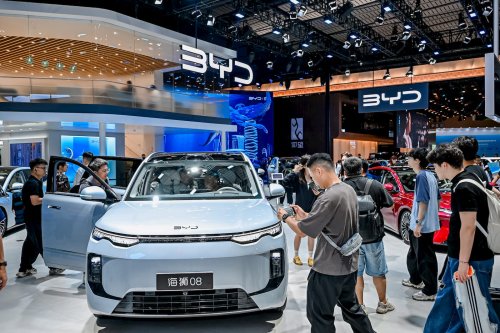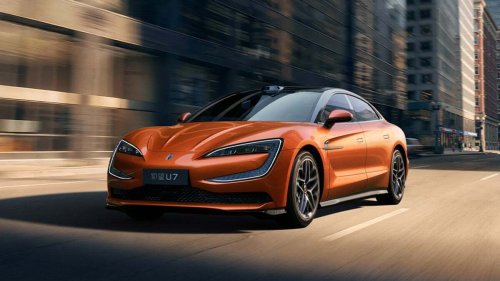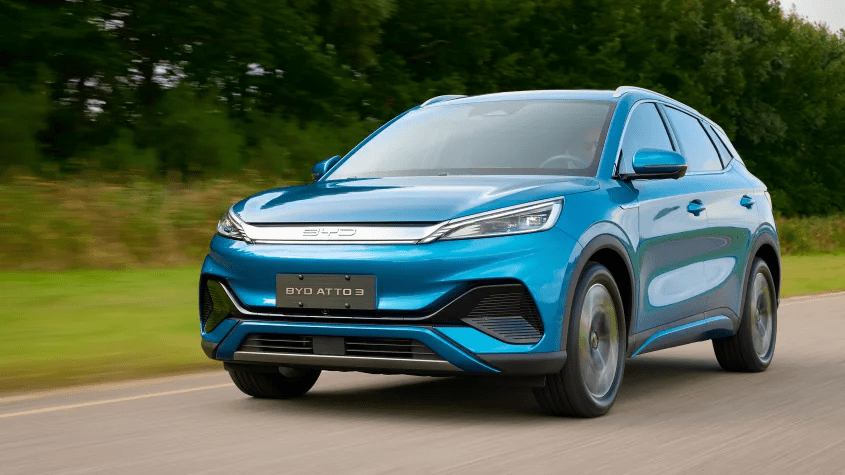
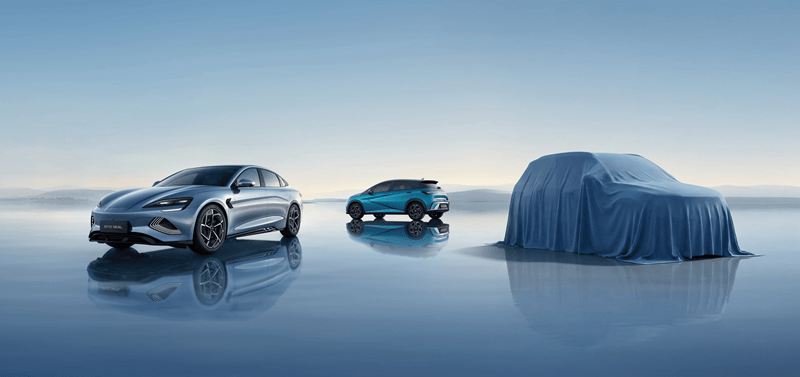
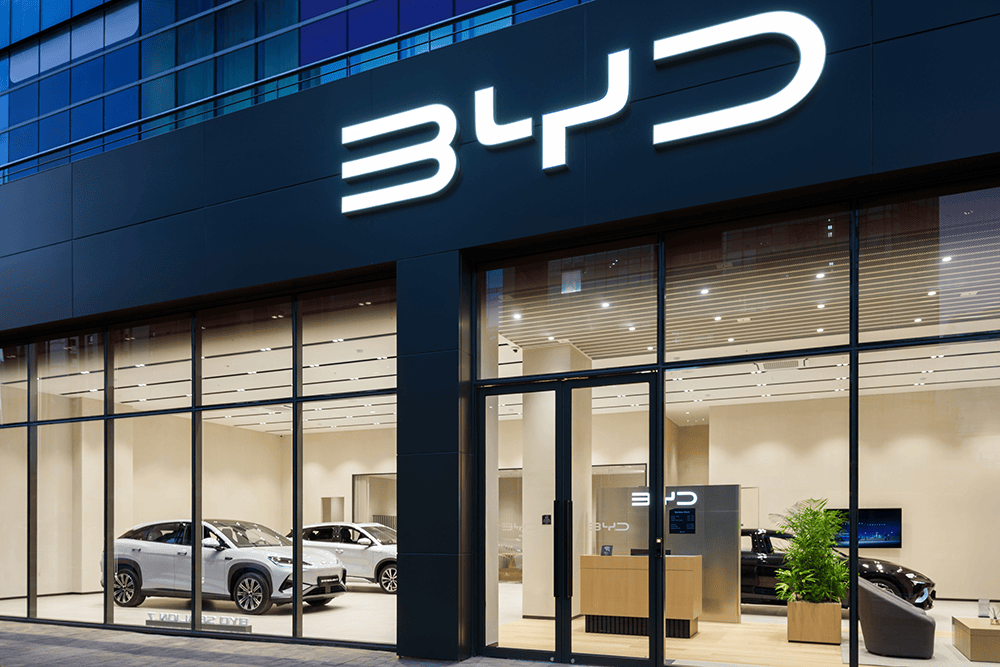



















BYD is also scaling its local footprint in Korea, with showrooms set to grow from 32 to 35 and service centers from 16 to 26. On January 27, BYD Korea said it plans to sell more than 10,000 vehicles in the South Korean market in 2026, implying growth of about 64% compared with its actual sales in 2025. The target coincides with the 10th anniversary of BYD’s global brand development and its second year of operations in South Korea. Data show that 2025 marked BYD Korea’s first full year of operation, with total passenger vehicle sales reaching 6,107 units. According to earlier reporting by ChinaEV Home, BYD entered South Korea’s top five monthly new-vehicle registrations for the first time in November 2025, registering 1,164 vehicles that month. The company ranked fifth, ahead of Lexus, Toyota and Volkswagen. BYD currently offers three models in the Korean market: the compact battery electric SUV Atto 3 (marketed in China as the Yuan Plus), the mid-size battery electric sedan Seal, and the mid-size battery electric SUV Sealion 7. Among them, the Atto 3 was the first to enter the Korean market in January last year, with a pre-subsidy starting price of KRW 31.5 million (about $23,300). Within just over three months of launch, Atto 3’s cumulative sales exceeded 1,500 units, making it a key product for BYD’s market entry. The Seal was launched in July last year, with the top-spec version priced at KRW 46.9 million (about $34,700). In August, the Sealion 7 followed at KRW 44.9 million (about $33,300), further strengthening BYD’s mid- to high-end pure electric lineup. Looking ahead to 2026, BYD Korea plans to further expand its product portfolio, with at least three new models scheduled for launch during the year. BYD’s three new models scheduled for launch in Korea These include a rear-wheel-drive version of the Seal, the compact electric hatchback Dolphin, and dual-mode intelligent (DM-i) models equipped with BYD’s plug-in hybrid electric vehicle technology. Given Korean consumers’ relatively high acceptance of hybrid vehicles, the introduction of DM-i models could become a key driver of incremental growth for BYD in the local market. On the distribution and service front, BYD Korea is also increasing investment. BYD showroom in Korea To date, the company has established 32 showrooms and 16 service centers nationwide, with plans to expand to 35 showrooms and 26 service centers within the year. Notably, BYD officially joined the Korea Automobile Importers & Distributors Association in March last year, marking a significant step toward long-term operations in the Korean market.