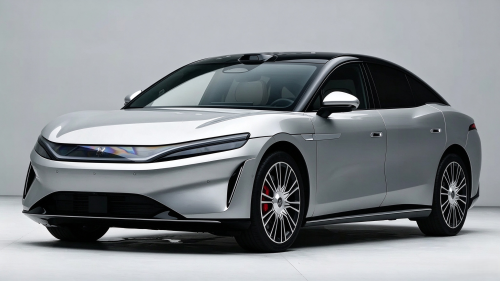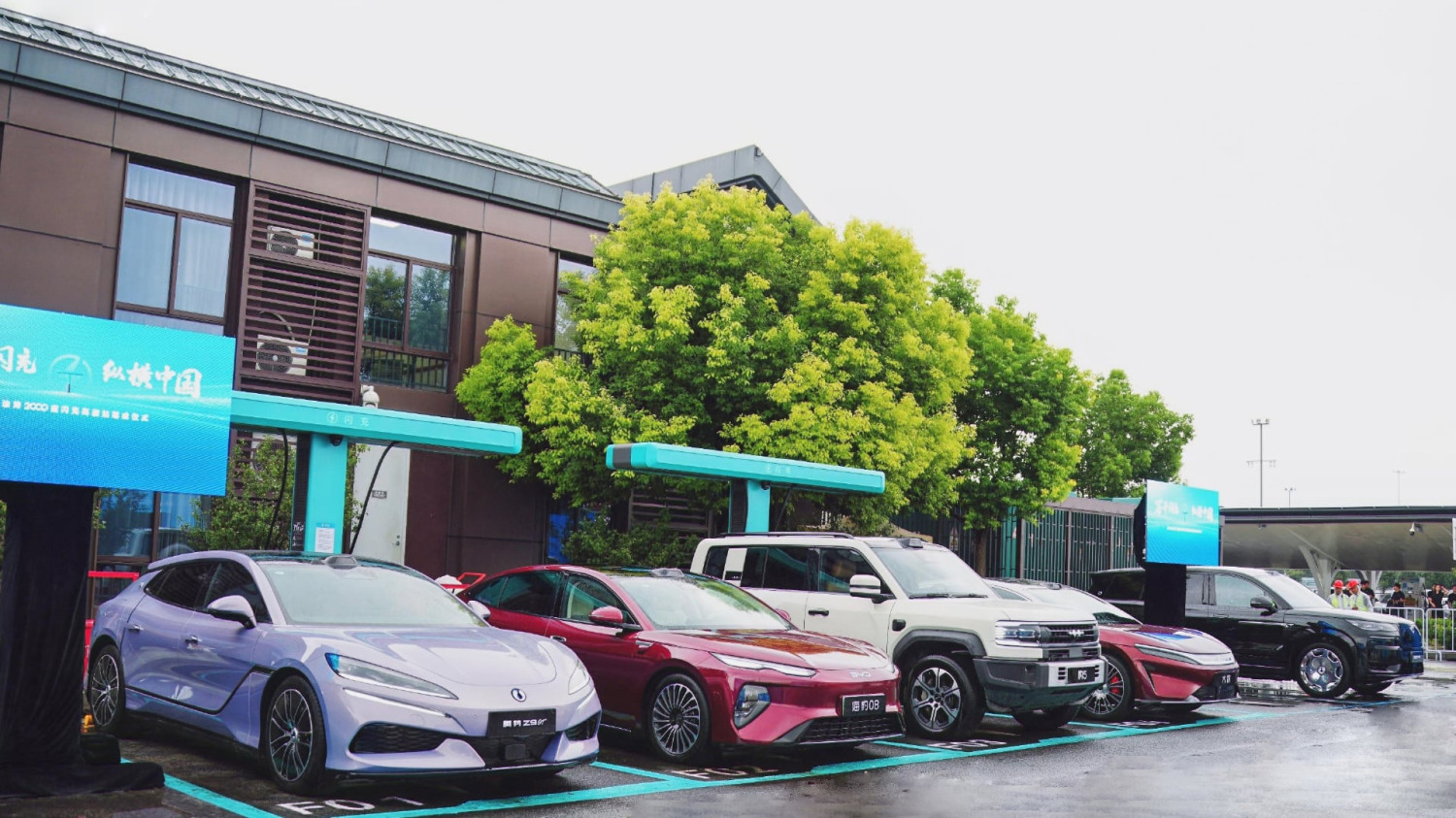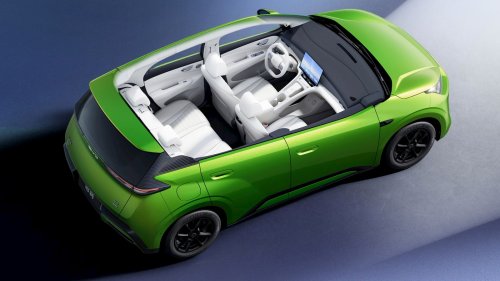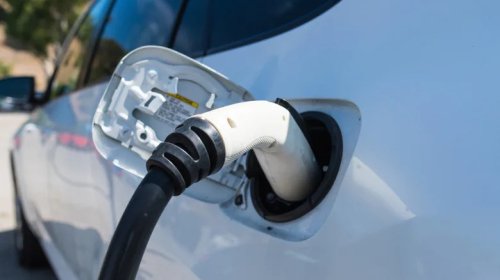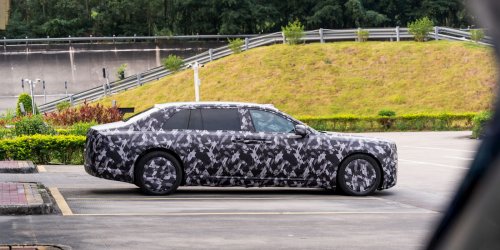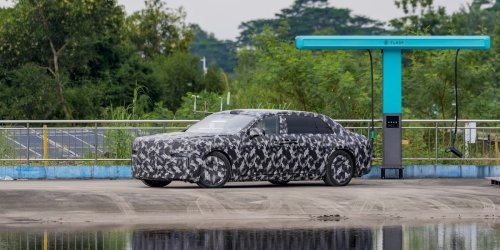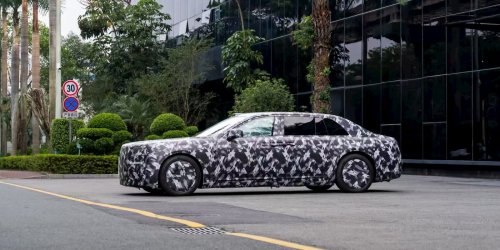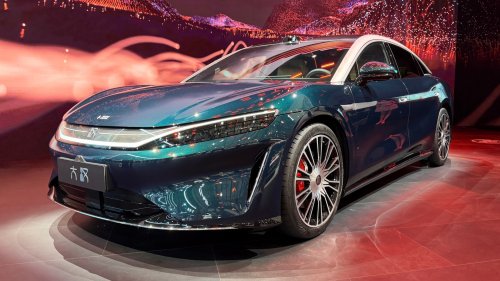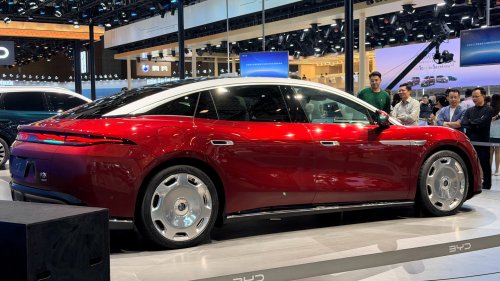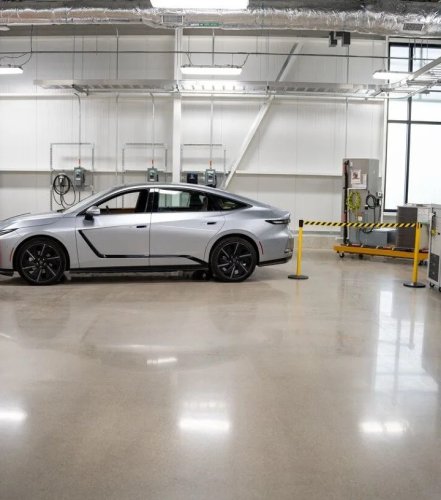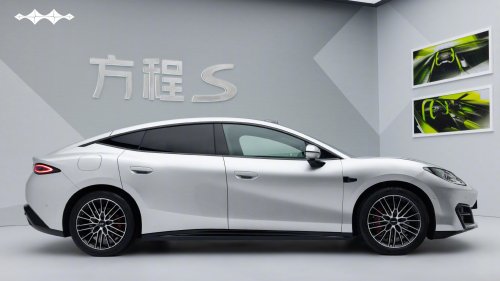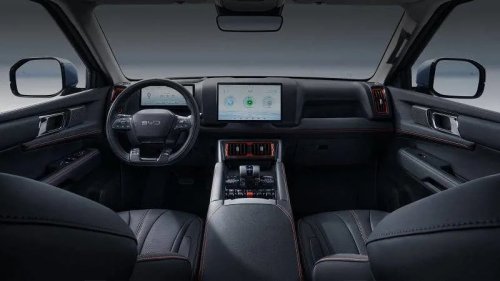
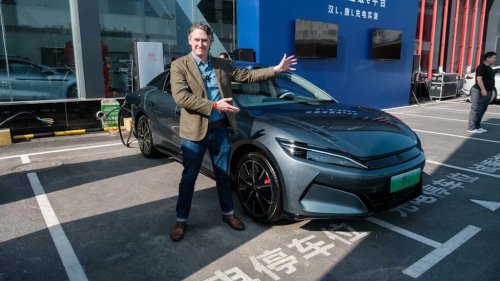
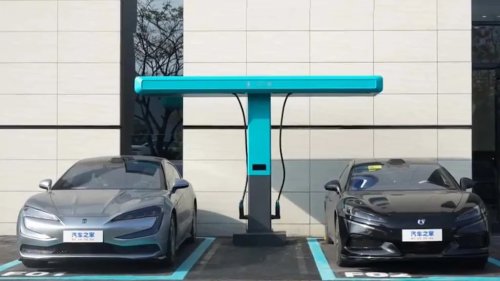

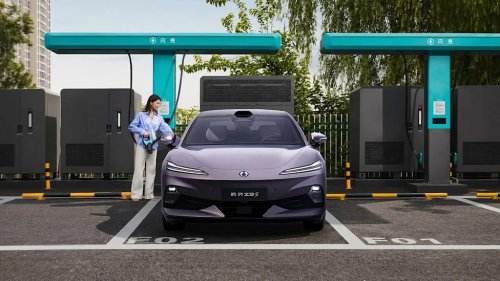
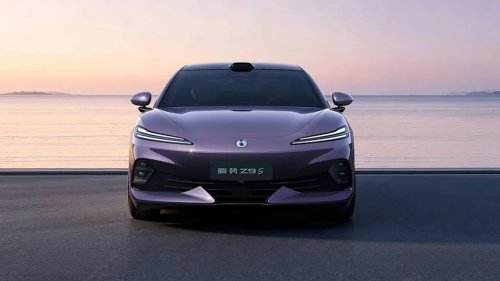

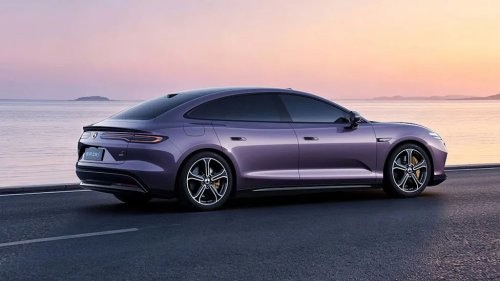
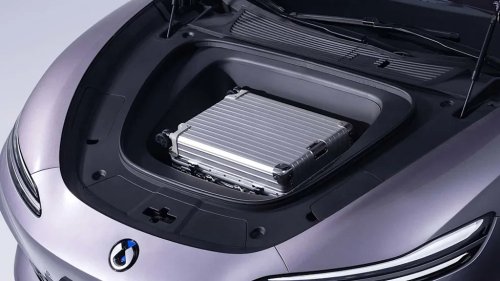




















BYD YangWang U7 front three quarterThe Yangwang U7 charges from 10-97% in just 9 minutes. Here's how that affects battery health.BYD kicked off a megawatt charging war in 2025, then followed it up with even faster second-generation "Flash" charging.The Yangwang U7 can go from 10-97% in 9 minutes on a Flash charger.To prove its durability, company did 18,000 miles at nearly 150 mph over 9 days, with 350 Flash charging stops, followed by a battery health test.BYD kicked off a new phase of the charging war when it introduced "Megawatt Flash Charging" in 2025, offering speeds that could get your car from 10-60% in just 5 minutes. Competitors quickly responded, offering their own 1,000-plus-kilowatt solutions. Never one to sit still, BYD responded with a next-generation battery and charging system for its BYD, Denza, Yangwang, and Fangchengbao brands. Cars equipped with the new tech can charge from 10-97% in as little as 9 minutes, which is stunning performance.But one question has lingered: How do these ultra-quick charging speeds affect battery longevity?AdvertisementAdvertisementThat's still an open question. Earlier this week, though, we got some encouraging evidence. Like with most batteries, it appears degradation isn't as bad as consumers may fear. BYD Han L, Tang L and Megawatt ChargingYangwang recently put its U7 sedan through the absolute ringer to prove it, as CarNewsChina reported. The company says it picked a random U7 off a showroom floor—not a specially prepared factory car—and ran it at 240 kph (149 mph) on a test track in Nanning, China, for nine straight days. The car covered 30,000 km (18,600 miles) during this time and required an absurd 350 Flash charging stops, during which the car could draw up to 640 kW at a time. That is an unbelievable amount of heat and charging for a battery to manage. So at the end of the test, the company ran a degradation test on the U7. The result: The car still had 98.7% of its battery capacity remaining. BYD Yangwang U7 And Denza Z9 GT at Flash ChargerThis is particularly encouraging because we know that battery degradation is steepest during the beginning of a battery's life. It typically starts high before leveling out. So if the first 18,000 miles were this intense, with this little degradation, it certainly bodes well for the car's endurance later in life.AdvertisementAdvertisementThe U7 also did this during a stretch where the average temperature was a toasty 36°C (97ºF). High speeds, high ambient temperatures, and high charging power all stress the thermal management system of a battery, which has to stay within a certain temperature range for safety, longevity, and performance. Clearly the U7's held up, maintaining an absurd speed after days of high speed travel and high temperature charging events. That means you shouldn't get the sort of rapid degradation we've seen in cars that can't adequately control their pack temperature. But we shouldn't draw conclusions that are too rosy here. Temperature and fast-charging both increase degradation, but calendar degradation can be just as important. That means it's hard to know how well a battery will hold up over time until, well, enough time passes. BYD Denza Z9SBYD Denza Z9SBYD Denza Z9SBYD Denza Z9SAdvertisementAdvertisementBYD Denza Z9SBYD Denza Z9SBYD Denza Z9SThat's an inherent limitation for any new product. You'll never know how reliable a car is until it's already been on sale for years. But tests like these prove the thermal management system is up to the task of managing high-heat charging events. As long as it continues working as designed, it shouldn't see significantly worse degradation than slower-charging cars. At least, in theory. As for reality, only time will tell. Related StoriesBYD's New 'Megawatt' EV Charging Is So Fast It Makes Gas IrrelevantBYD's 5-Minute EV Fast Charging: We Tried It. It's A Game-ChangerBYD Has Already Built 5,000 Of Its New Megawatt 'Flash' Charging StationsBYD Appears To Be Rolling Out A New, Even More Powerful Generation Of Megawatt Chargers