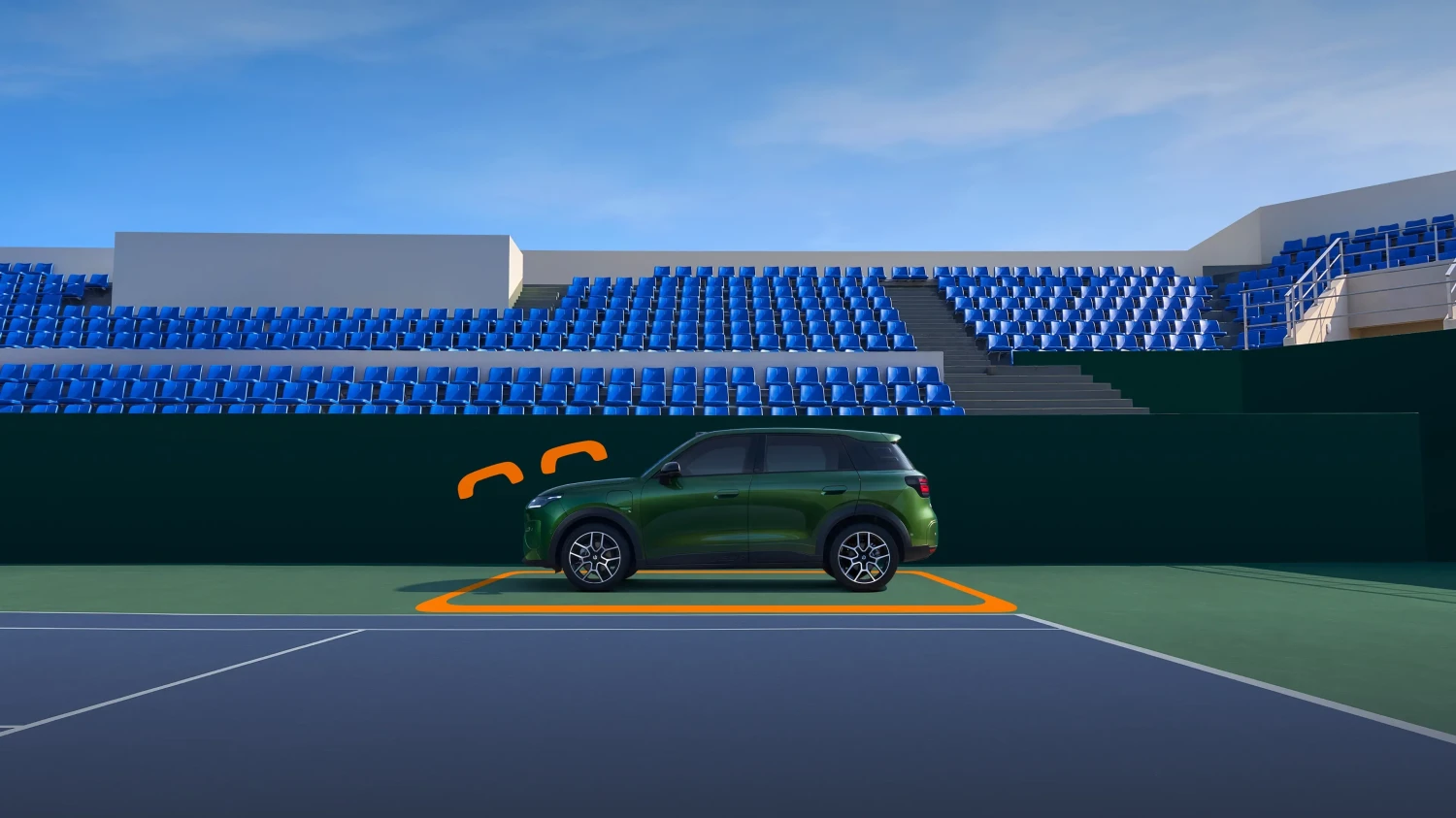
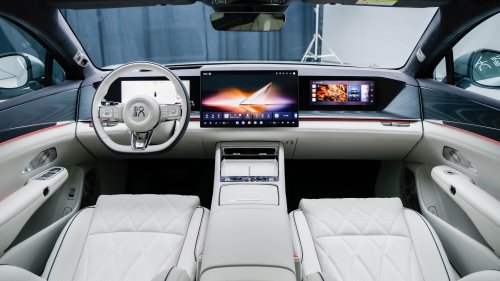
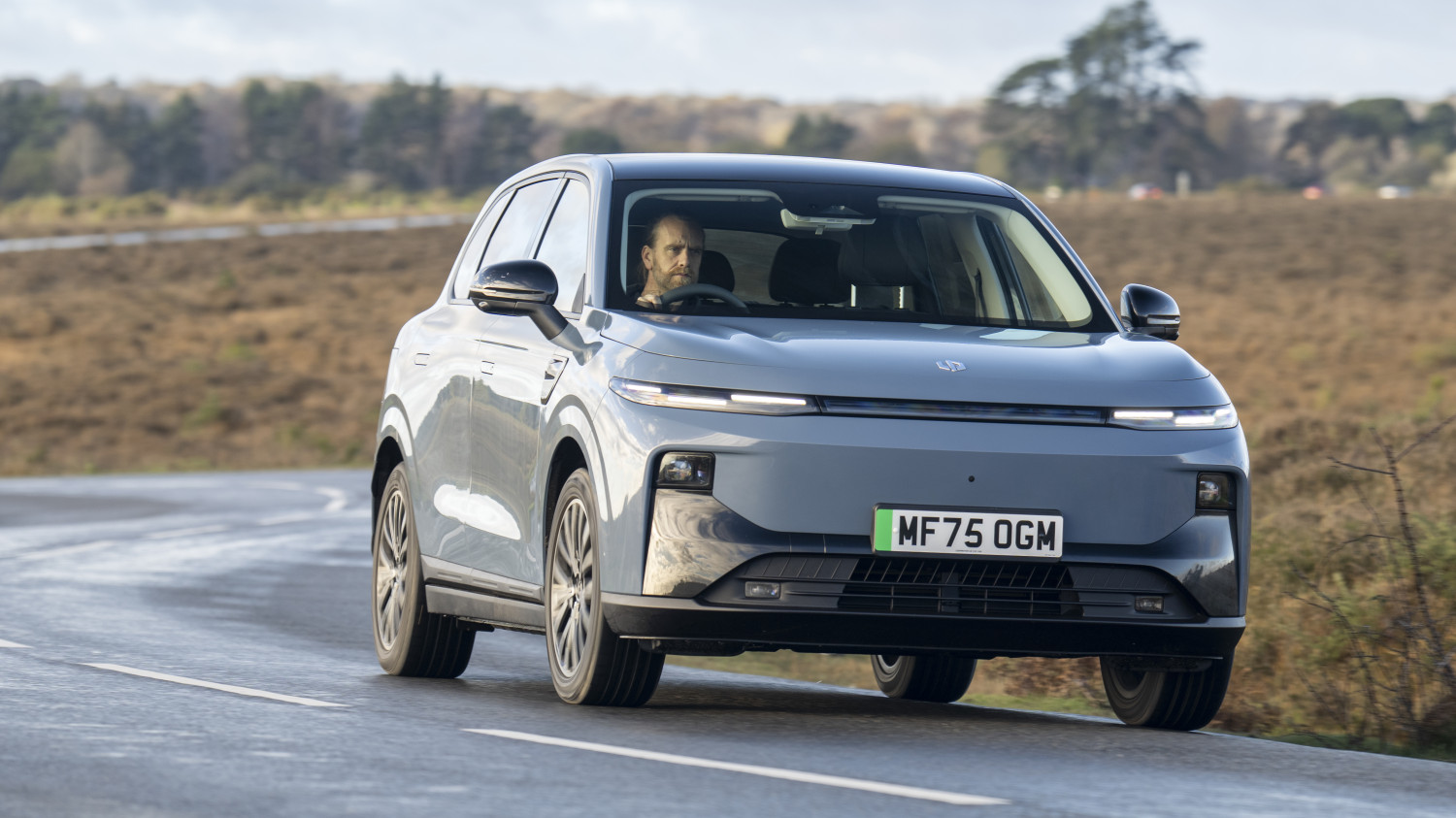
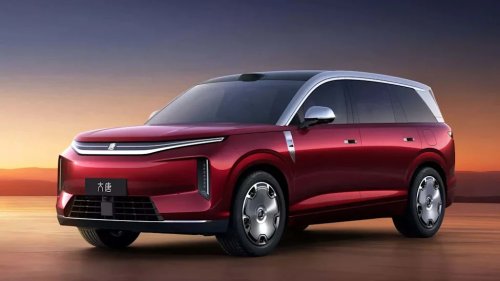
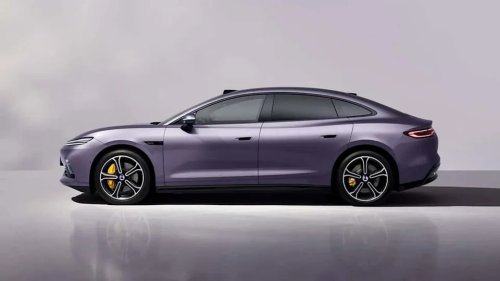
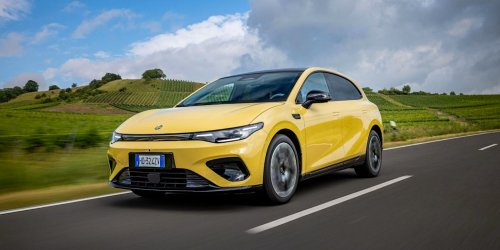
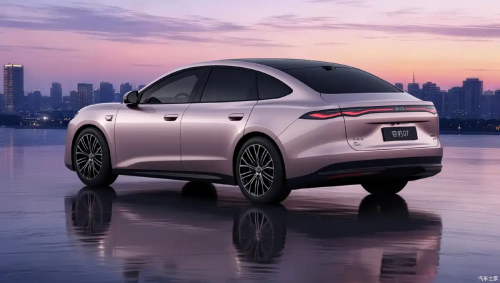
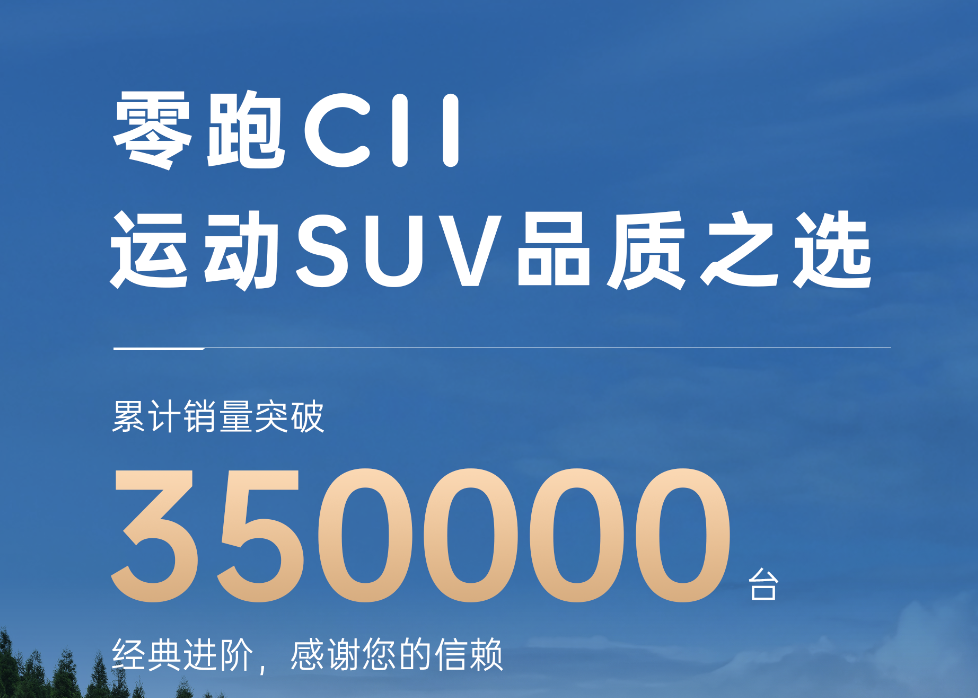
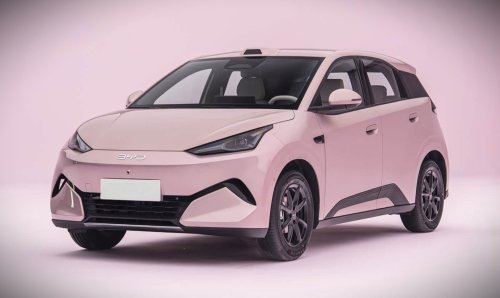
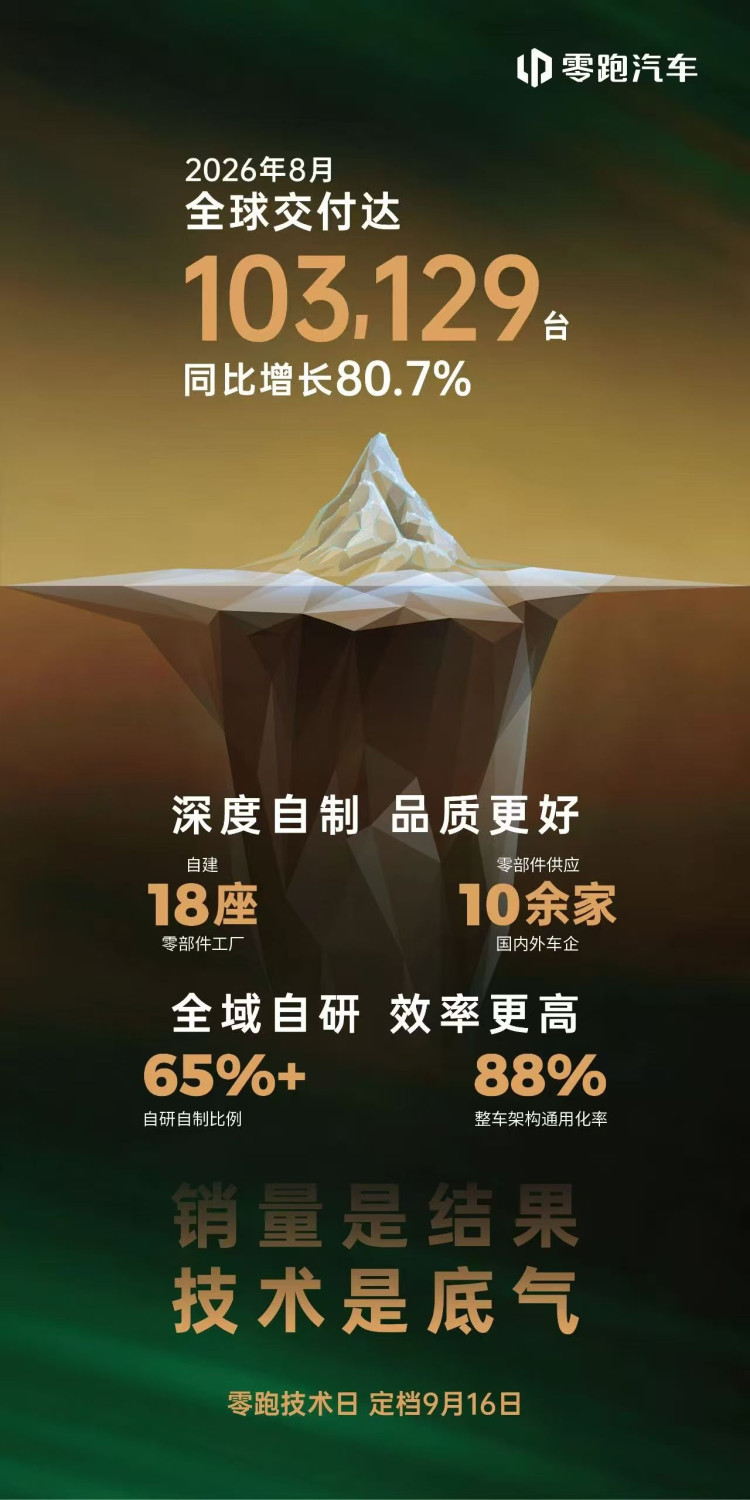
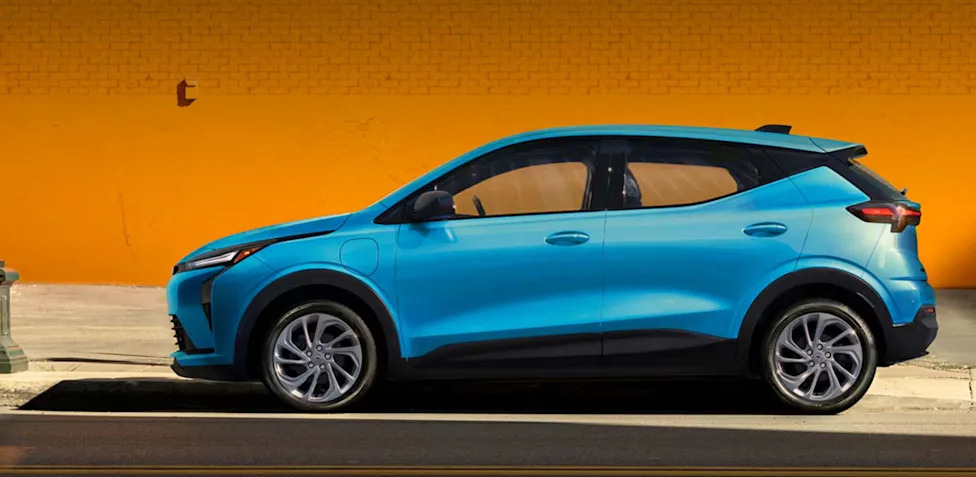
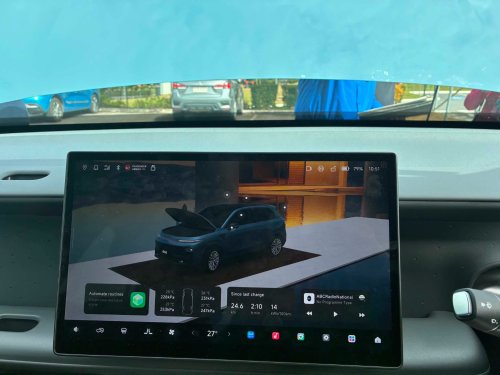
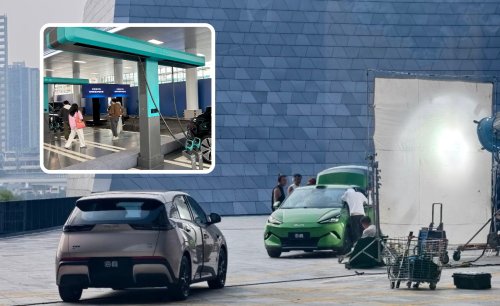
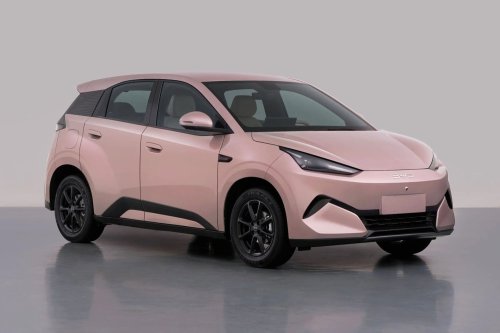
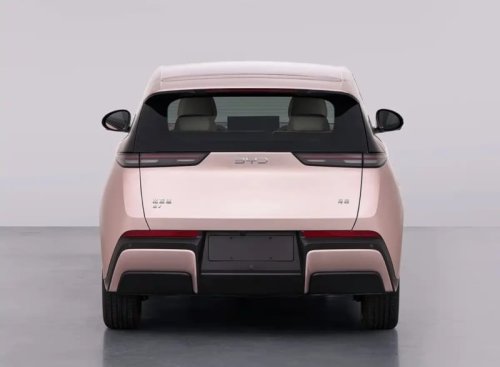
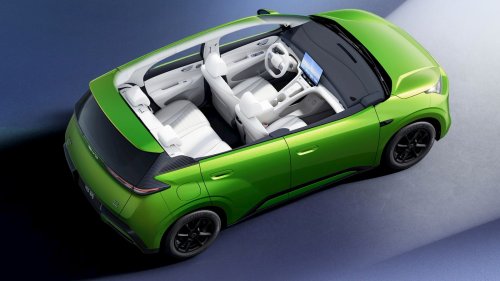
Leapmotor has climbed to second place in China's battery-electric vehicle market for the January-July 2026 period, trailing only BYD (HKG: 1211), according to cumulative insurance-registration data tracked by industry analysts. The Hangzhou-based startup's rise comes as its monthly deliveries crossed 100,000 units for the first time in July, capping a year of rapid share gains against both legacy automakers and fellow EV upstarts.Cumulative BEV insurance registrations in China reached 3.7 million units for the first seven months of 2026, down 5.1% year over year, according to tracking data shared by ThinkerCar. BYD led with 562,300 units, a 15.3% share, though that figure was down 29.2% from the same period a year earlier. Leapmotor jumped to second with 276,700 units and a 7.5% share, up 60.8% year over year, overtaking Geely (HKG: 0175) Galaxy's 270,000 units and Tesla (NASDAQ: TSLA)'s 266,600 units, which fell to third and fourth place, respectively. The milestone lines up with Leapmotor's own delivery figures. The automaker delivered 101,267 vehicles in July 2026, up 102% year over year and enough to make it, by its own account, the first Chinese EV startup to exceed 100,000 monthly deliveries. The A10 crossover, launched earlier this year, accounted for roughly 28,600 of those deliveries, while the B-series contributed more than 20,000 units and the C10 topped 10,000 units globally.The rendering appears to illustrate an A10 remote-parking or smart-key feature, set against a stylized tennis-court backdrop. Source: Leapmotor.That July total also reshuffled China's broader wholesale rankings. Figures published by the China Passenger Car Association's information committee put total industry wholesale volume at 14.7 million units for the month, with BYD topping 410,000, Geely's combined brands at 158,145, and Chery (HKG: 9973) at 122,082. Leapmotor's 101,267 units pushed it past Tesla China, which delivered 93,579 vehicles and slipped to fifth place.Leapmotor's momentum has also narrowed the gap in overall brand market share, a figure that blends BEV, plug-in hybrid and range-extended models rather than isolating pure electrics. Data compiled by CleanTechnica showed Leapmotor's July brand share at 6.1%, up 0.6 percentage points from June and now within roughly one point of Geely's 7.2% share, which slipped from 7.4% the month before. BYD held a commanding 17.1% of the brand-level market. Leapmotor's growth has come largely from a lineup that spans city cars to full-size models without duplicating body styles across sub-brands, in contrast to BYD's wider spread of models within single segments. The A10, priced from roughly 66,000 CNY (c. $9,820), has become the brand's volume driver and finished among the fastest climbers on China's monthly bestseller charts, jumping nine spots to tenth place in July. The larger D19 recorded its first five-digit month with just over 10,000 registrations, while a new A05 hatchback aimed at the subcompact segment is due to launch soon.BYD's own BEV performance stayed strong even as its overall share slipped. The company's battery-electric passenger vehicle sales rose 31% year over year in July, to 233,105 units, marking its second-best BEV month on record. Combined with plug-in hybrid sales of 177,967 units, BYD's total passenger vehicle deliveries reached 411,072 for the month, up 20.5% from July 2025. Across the first seven months of the year, however, BYD's battery-electric sales were still down 8.4% compared with the same period in 2025, a reminder that its full-year comparisons remain uneven even as monthly momentum returns. Leapmotor's cumulative global deliveries, which include exports and range-extended models alongside BEVs, reached 356,487 units through the first half of 2026, up roughly 97% year over year. The company has said it has no plans to adjust its full-year target of 1 million vehicles, a goal that requires averaging about 107,253 units a month over the second half of the year, above July's record but within reach if growth continues at its current pace. Executives have also set a goal for international sales to make up 20% to 35% of total deliveries in 2026, with overseas volume already approaching 30% of the total in the first half.The company's export push has leaned on its partnership with Stellantis (NYSE: STLA), which distributes Leapmotor vehicles under the Leapmotor International joint venture across Europe and other markets outside China. That overseas expansion, combined with a steady cadence of new domestic launches including the A10, A05 and D19, has kept Leapmotor's growth rate well ahead of the broader market. China's passenger-vehicle market fell more than 20% year over year in July as gasoline-powered models saw sales collapse, but BEVs alone rose 6% year over year to roughly 647,000 units, giving battery-electric vehicles a record 44% share of the month's sales. Once plug-in hybrids are added, vehicles with a plug accounted for a record 65% of everything sold in China in July, according to industry data compiled by CleanTechnica, up from 54% a year earlier.Leapmotor's expansion has been rapid by almost any measure. Company executives have noted that the 100,000-unit month arrived roughly six years after Leapmotor's first delivery month, when it sold 879 vehicles. That trajectory reflects a broader pattern in China's new-force segment, where brands built around vertically integrated software and in-house electric drivetrains have increasingly outpaced legacy automakers still converting factories and dealer networks from combustion to electric power.Other rising brands captured a smaller, but still notable, share of the cumulative BEV market through July. Xiaomi (HKG: 1810) ranked fifth with 217,300 units, up 15.4% year over year, while NIO (NYSE: NIO) posted 144,600 units, up 63.5%, aided by its battery-swap network. Smaller players gained ground too: Deepal's cumulative BEV registrations rose 64.5% to 109,300 units, and ARCFOX climbed 75.1% to 101,000 units, underscoring how broadly China's BEV growth is now spread beyond the market's established leaders.Whether Leapmotor can hold onto second place in BEV registrations through the rest of the year may depend on how quickly BYD's own battery-electric rebound continues, and on whether Geely's Galaxy sub-brand and Tesla can arrest their year-over-year declines before the fourth-quarter sales rush.