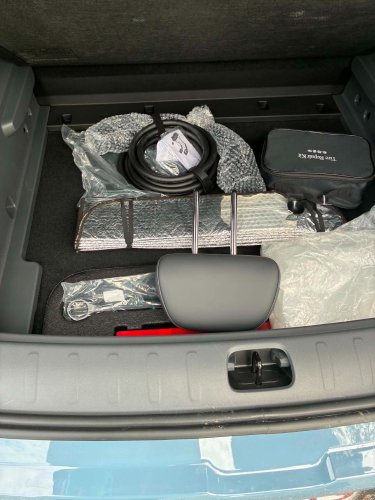
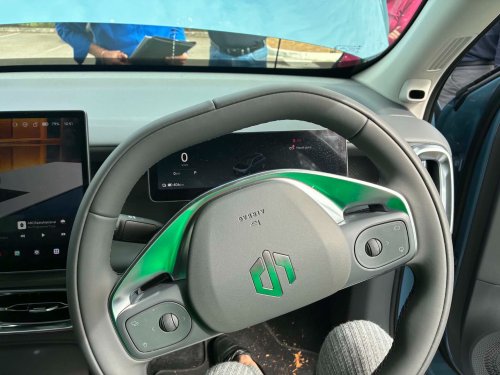
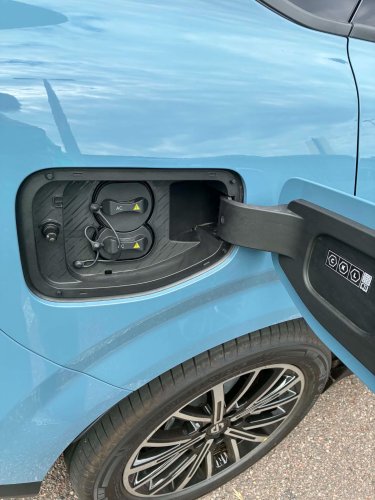
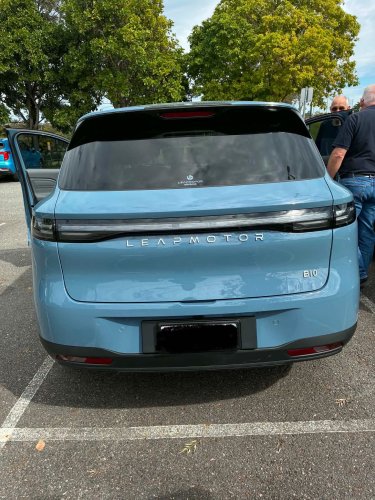
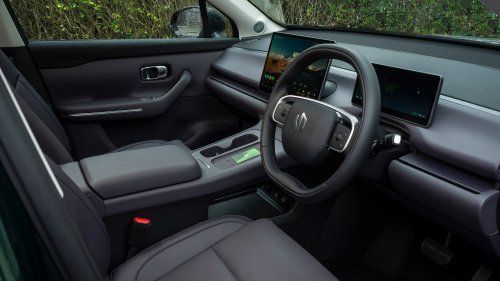
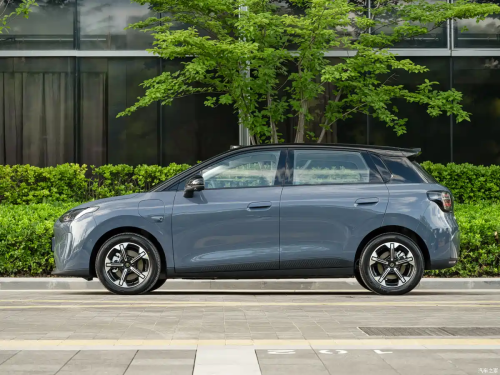
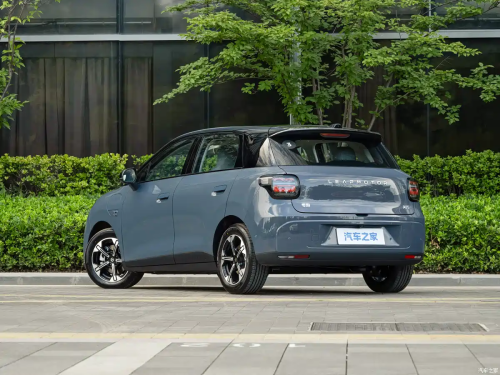
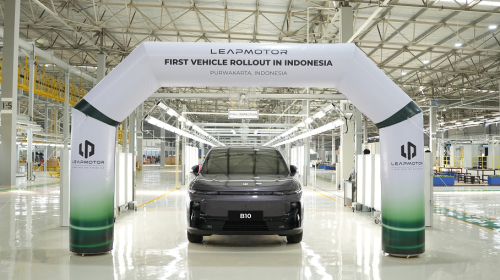
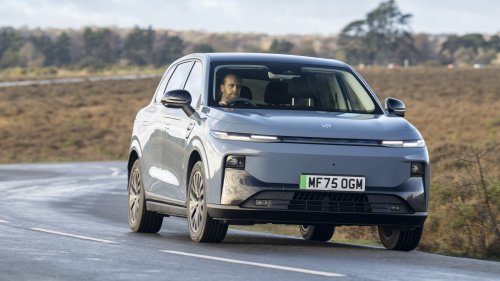
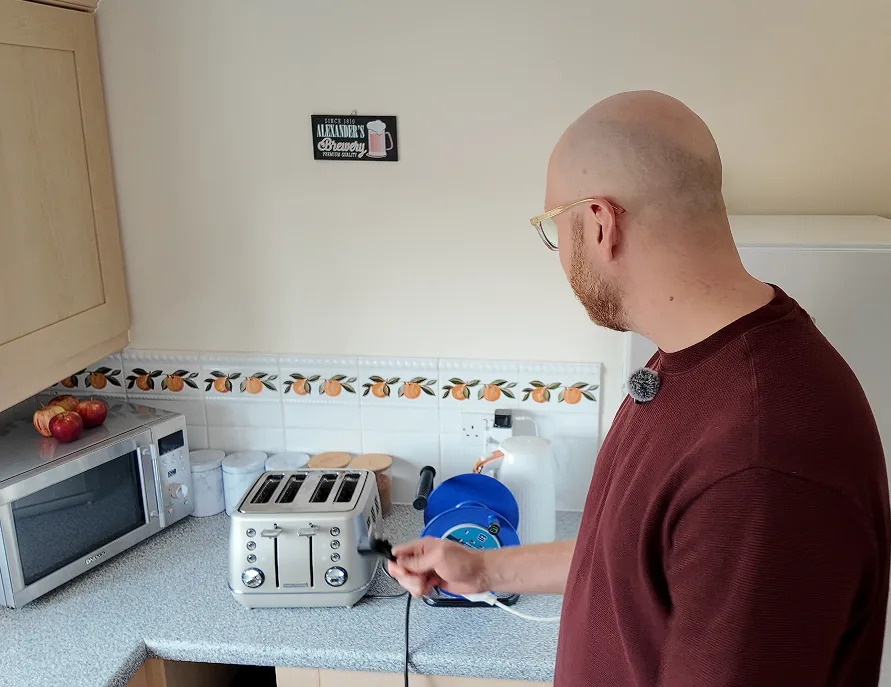
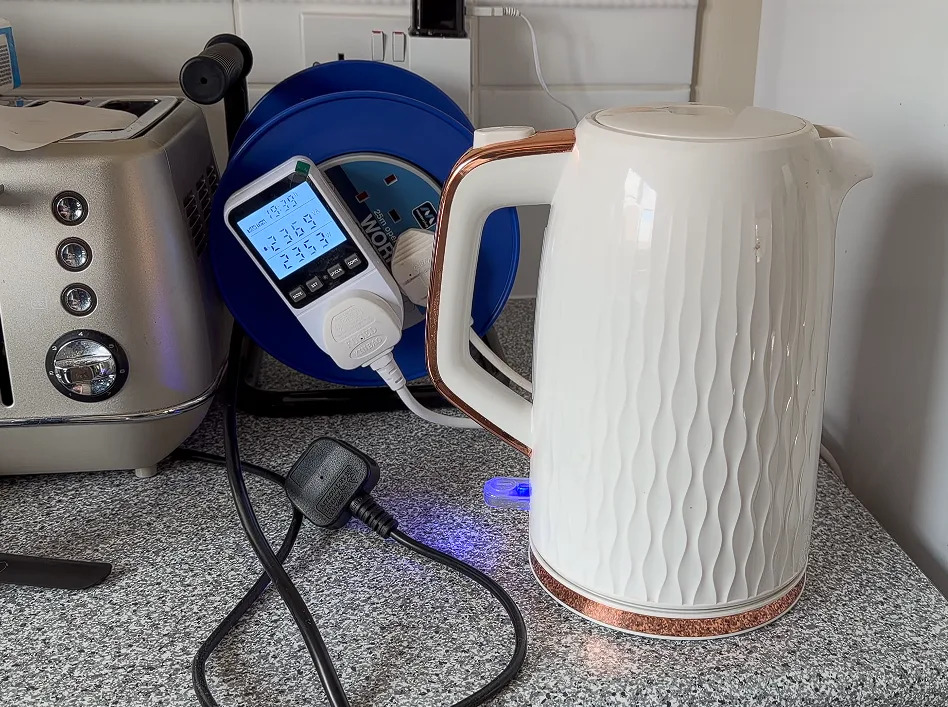
YouTuber Powers His Entire House for 24 Hours Using a Leapmotor EVMotorBiscuitRahaan MazumderSat, September 26, 2026 at 12:45 PM UTCAdd us on GoogleWhat happens when the power grid goes down in your house? Usually, it means lighting candles, watching your freezer thaw, and trying to salvage whatever battery life your phone has left. But if you have the right electric vehicle parked in your driveway, a power outage might just be a minor inconvenience.In a fascinating new experiment, EV YouTuber Efficient Alex decided to find out exactly how viable it is to use a modern electric SUV as a substitute for the local power grid.His mission? To cook, clean, and entertain himself for an entire 24-hour cycle by running his home's electricity strictly through the charging port of a brand-new 2026 Leapmotor B10.AdvertisementAdvertisement"Let's see if we can power my entire life for 24 hours just using this car and this cable with a three-pin plug," Alex explained at the start of the challenge. "How much energy will we actually use? Can we do it on one charge?"The "Vehicle-to-Load" SetupTo make the magic happen, Alex utilized the B10's Vehicle-to-Load (V2L) adapter. This special accessory plugs directly into the EV's Type 2 charging port and outputs power to standard household plugs.According to official Leapmotor specifications, the B10's V2L system can output up to 3.3 kW of AC power—more than enough to handle the maximum 2.4 kW output of most standard UK residential plugs.At exactly 12:04 p.m., Alex completely severed his house from the main power grid. "I am not joking here, I'm about to turn off my electricity supply," he said while flipping the main breaker switches. "Everything is now off."AdvertisementAdvertisementUsing a heavy-duty extension cord routed from the car into his home, he successfully booted up the absolute essentials: the refrigerator, his Wi-Fi router, and a few lights. Surprisingly, his baseline power draw for the house hovered at an incredibly low 63 watts.Hoovering and Cooking Katsu Curry on Car BatteryOver the next 24 hours, Alex didn't just try to survive; he tried to live normally. He unplugged the car to drive to the grocery store (a 15-mile round trip), plugged it back into the house, and immediately went to work testing high-draw household appliances.He ran a 530-watt vacuum cleaner to tidy up his office, loaded and ran the dishwasher for over an hour, and boiled water for coffee.But the biggest strain on the V2L system arrived at dinner time. To cook his chicken katsu curry, he fired up his kitchen oven, drawing a massive 2,000 watts of power for nearly 45 minutes. The Leapmotor's system handled the surge flawlessly, never once tripping or cutting out.AdvertisementAdvertisement"It's amazing how easy it is to just power the entire routine and house for 24 hours," Alex noted as the challenge concluded. "At certain points, I even had the toaster and the kettle on, so that didn't even overpower it at all".The Final ResultsSo, just how much of the EV's 67.1 kWh LFP battery pack was drained by keeping an entire home operational for a day?When the 24-hour clock finally expired, the Leapmotor B10's dashboard revealed that the battery had only dropped from a 100% full charge down to 76%.Between powering an oven, a fridge, a dishwasher, lights, a TV, and completing a 15-mile drive, the total energy consumption from the car was just 16.1 kWh (exactly 24% of the battery).AdvertisementAdvertisement"In theory, because this goes down to 20%, you could easily do a few days in this car," Alex realized.While automotive journalists and experts agree that V2L shouldn't be used as a permanent off-grid living solution due to potential long-term battery degradation and power stability risks, the experiment proves that modern EVs are essentially rolling generators. If the grid ever goes down, the keys to your survival might just be sitting in your driveway.




















 +42 others