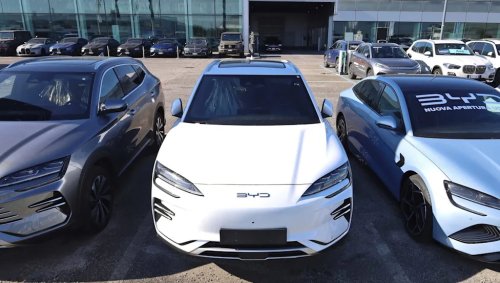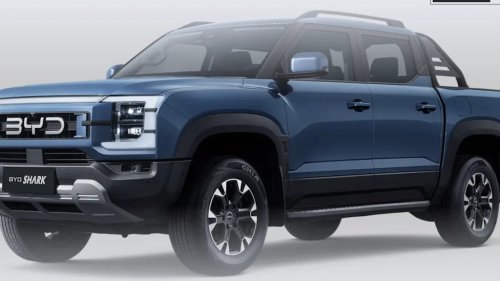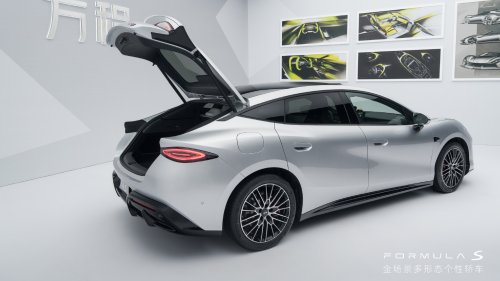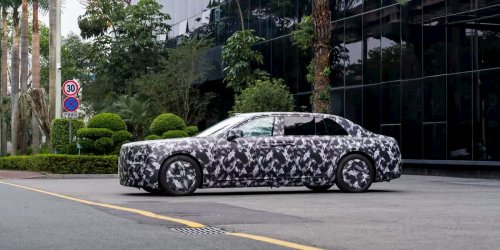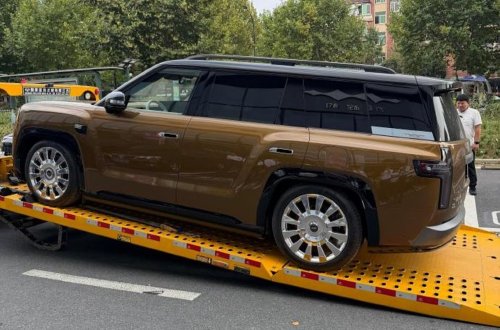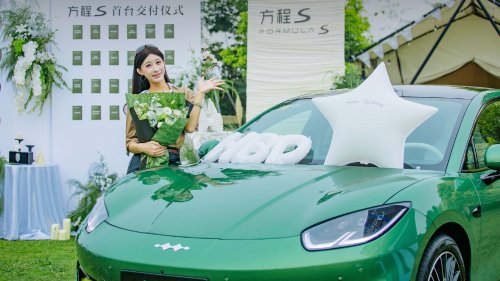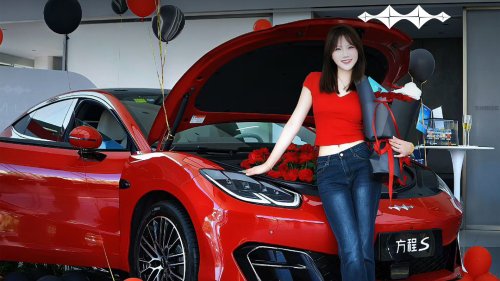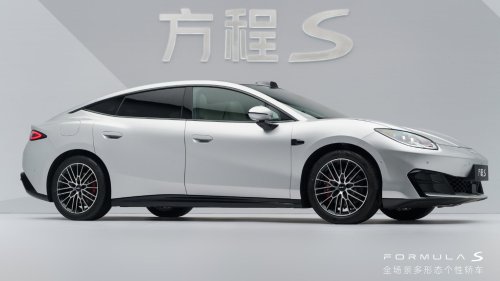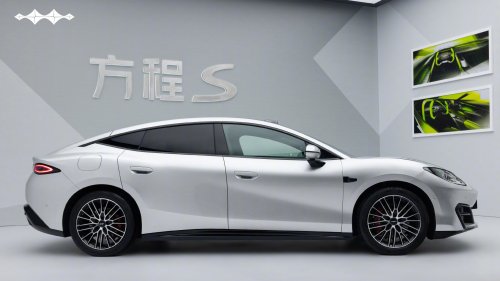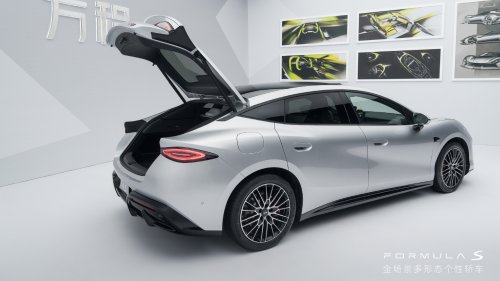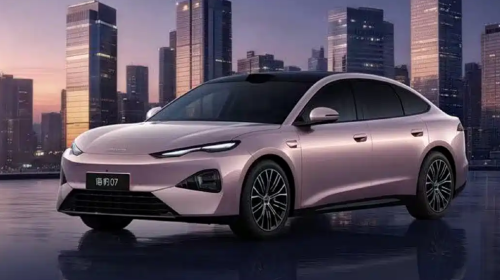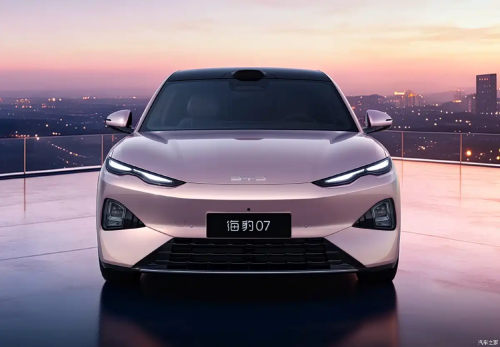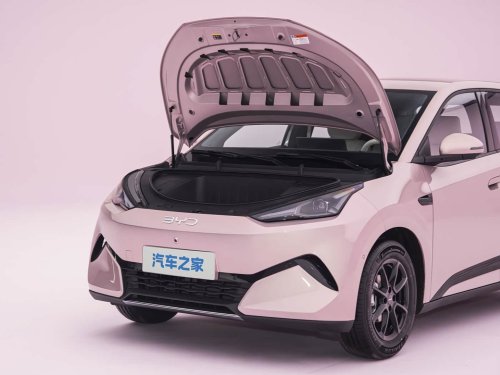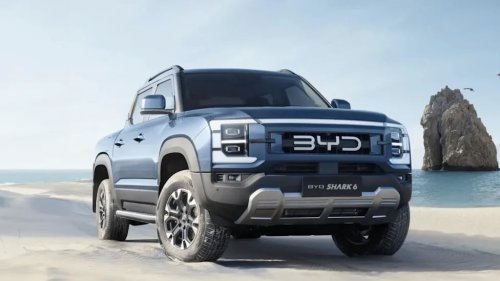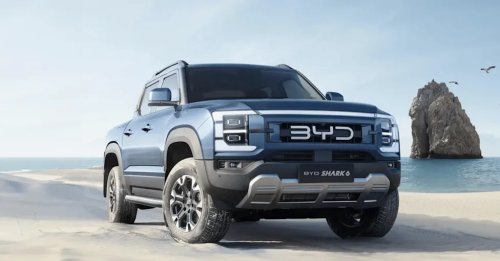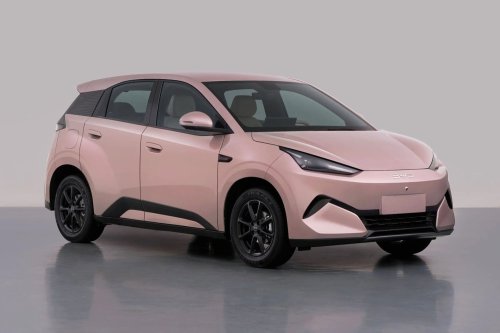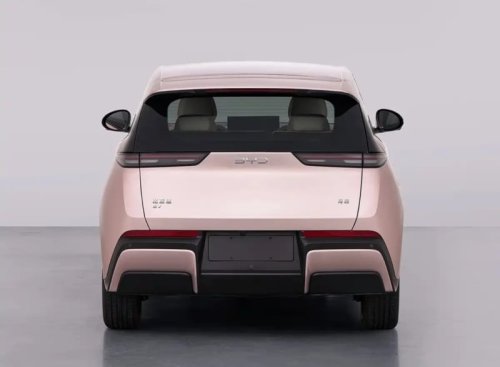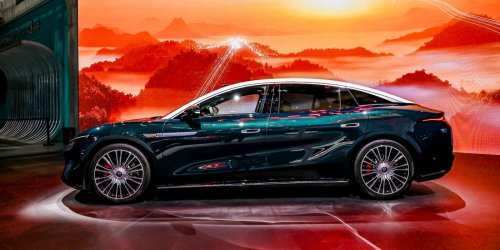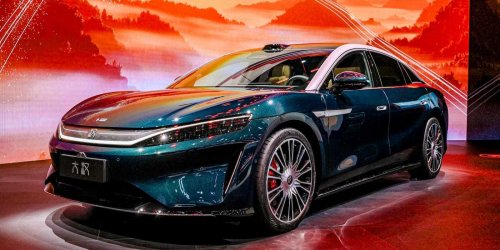


















BYD posted its first quarterly profit increase in more than a year, with second-quarter net profit rising 29.8% to 8.2 billion yuan ($1.22 billion) as a record surge in exports offset a weak Chinese market. The rebound ends four straight quarters of profit declines and reverses the 55.4% collapse BYD reported just three months earlier. The quarter turned, but the first half is still down Despite the Q2 recovery, BYD’s first-half results remain lower year-over-year. Revenue for the six months through June fell 7.13% to 344.82 billion yuan ($50.9 billion), and net profit attributable to shareholders dropped 20.54% to 12.33 billion yuan, according to the company’s stock exchange filing. BYD blamed the revenue decline on weakness in its new energy vehicle (NEV) business, compounded by foreign-exchange losses tied to currency swings as it expands abroad. Advertisement - scroll for more content Automotive and related products generated 275.34 billion yuan in the first half, down 8.98% and accounting for 79.85% of group revenue. The electronics division rose 0.96% to 69.41 billion yuan. Exports are doing the heavy lifting BYD sold 1,808,511 NEVs in the first half, down 15.72% from a year earlier. But the drop was almost entirely a domestic problem — and it narrowed sharply as the year went on. Second-quarter sales fell just 3.24% to 1,108,048 units, a dramatic improvement from the 30.01% plunge in the first quarter. The reason is overseas demand. BYD exported roughly 792,000 vehicles in the first half, up 67.8% year-over-year and equal to about 44% of its total sales. In the second quarter alone, overseas sales hit 471,091 units, up 82.46% and nearly 47% higher than the previous quarter. That international push is also lifting profitability. First-half gross profit slipped 2.81% to 64.99 billion yuan, but gross margin rose to 18.85% from 18.01% a year earlier — a sign that higher-value export sales are more lucrative than the price-war volume BYD is fighting for at home. Sales of BYD’s premium brands — Denza, Fang Cheng Bao, and Yangwang — climbed 61% and now make up 12.8% of its passenger-vehicle sales. The China price war is the backdrop BYD’s domestic struggles reflect the brutal price competition that has gripped China’s auto market, where Beijing has started pressuring automakers to end the “involution” of endless price cuts that have crushed margins across the industry. BYD kept spending through the downturn. First-half R&D investment reached about 28.9 billion yuan — roughly 2.3 times its net profit for the period — bringing cumulative R&D spending above 270 billion yuan. Operating cash flow rose 17.3% to 37.34 billion yuan, though the overseas expansion stretched BYD’s inventory turnover to 109 days from 79 a year ago, as more cars sit in transit on long ocean voyages. Momentum heading into the second half The recovery appears to be accelerating. July sales rose 21.76% to 419,211 units, the third consecutive month of year-over-year growth. Overseas sales of passenger vehicles and pickups hit a record 179,841 units in July, up 124.3% and about 43% of the month’s total. BYD has told analysts it is targeting 1.5 million vehicle exports for all of 2026. How BYD stacks up against Tesla BYD remains the world’s largest maker of electric vehicles by volume. In the second quarter, it delivered 557,090 fully electric vehicles, well ahead of Tesla, even before counting its plug-in hybrids. Tesla, by comparison, delivered 480,126 vehicles in Q2, its own rebound quarter, but reported record revenue alongside a big profit miss. Both automakers are leaning on markets outside their home turf, and both are being squeezed on margins. Electrek’s Take Strip out the international business and this is a rough year for BYD in China. First-half deliveries fell nearly 16%, and profit is still down more than 20% for the half. The price war Beijing is now trying to cool did real damage. What saved the quarter was BYD’s ability to sell cars in Europe, Southeast Asia, and Latin America at higher margins than it can get at home — the same dynamic we’ve watched play out as BYD outsells Tesla across Europe and other overseas markets. That’s a healthier revenue mix, but it comes with new risks. Inventory days jumped to 109 from 79 because cars are spending weeks on ships, tariffs in the EU and elsewhere are a moving target, and BYD is now exposed to the currency swings that already cost it real money this half. The export engine is powerful, but it’s more fragile than the domestic machine BYD built its dominance on. Still, the trajectory is definitely better. Three straight months of sales growth, a rebuilt margin, and a 1.5-million-unit export target say BYD has found its footing again. I think it’s fairly clear that BYD will come out on top here. Competition is fierce in China, and the automakers that will survive are those that already have a strong international presence. The dust from the price war in China will eventually settle, and BYD is likely best positioned to resume growth in the market. Meanwhile, it’s still incredible to me that BYD brought in more profit than Tesla last quarter, and yet its market cap is roughly one-tenth of Tesla’s. Beyond the TSLA cult believing Musk, it’s hard to understand why, as I find BYD’s product roadmap way more interesting than Tesla’s. It is also catching up with advanced driver assist systems, and its battery business is a decade ahead of Tesla’s. If you’re charging an EV at home, pairing it with rooftop solar is one of the smartest ways to lock in low fuel costs for years. With electricity rates climbing nearly 10% last year, home solar protects you against future rate increases. And with lease and PPA options, you can go solar with zero upfront cost and start saving immediately. If you want to find the best deal, check out EnergySage. It’s a free service with hundreds of pre-vetted installers competing for your business, so you save 20 to 30% compared to going it alone. No sales calls until you pick an installer. Get your free quotes here. Stay up to date with the latest content by subscribing to Electrek on Google News. You’re reading Electrek— experts who break news about Tesla, electric vehicles, and green energy, day after day. Be sure to check out our homepage for all the latest news, and follow Electrek on Twitter, Facebook, and LinkedIn to stay in the loop. Don’t know where to start? Check out our YouTube channel for the latest reviews.