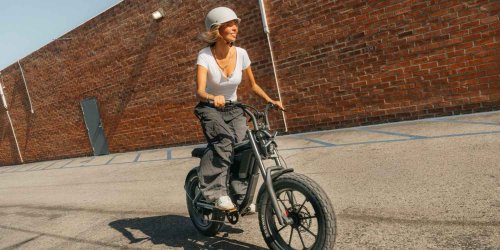
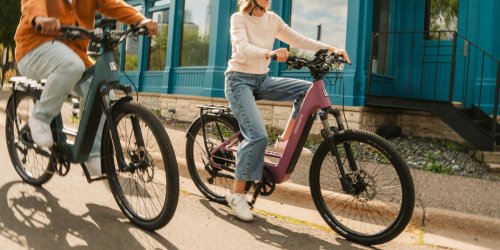
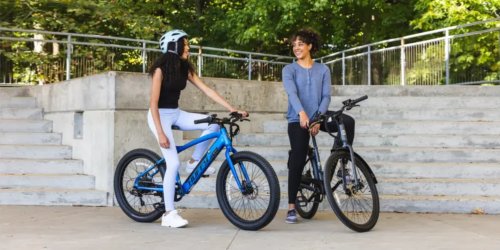
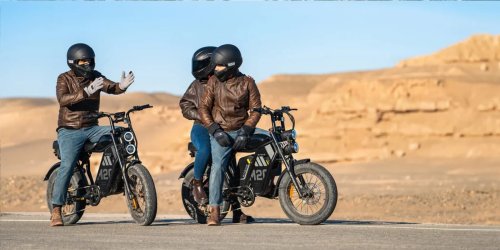
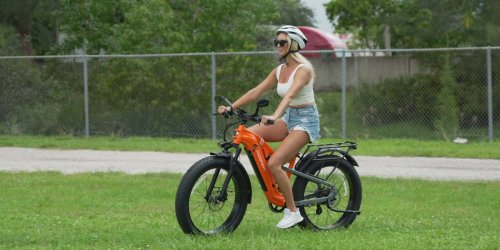
In a rare bit of good news for the e-bike industry, manufacturers, importers, and advocacy groups have successfully fought off a potentially painful round of new tariffs on bicycles and e-bikes in the US. This week, the White House confirmed that bicycles, e-bikes, and frames will not be subject to new Section 232 tariffs on steel and aluminum. Even better, some existing tariffs tied to those materials in e-bikes are being removed altogether. It’s a meaningful win for an industry that has spent the last several years navigating supply chain challenges, shifting trade policies, and rising costs, though it comes after the imposition of those additional tariffs last year proved to be too much for some e-bike companies that chose to leave the US market. The fight began late last year, when proposals surfaced to apply tariffs of up to 50% on the steel and aluminum content of bicycles and e-bikes. That might sound narrow at first glance, but in practice, it would have been a logistical and financial nightmare. Companies would have been required to calculate the exact metal content of each imported bike or frame and then pay tariffs accordingly. Advertisement - scroll for more content Instead of absorbing that cost, it almost certainly would have been passed on to consumers, raising already high e-bike prices even further. The industry didn’t take that lightly. Advocacy group PeopleForBikes led a coordinated pushback effort, rallying companies across the bike and e-bike sectors. More than 1,300 public comments were submitted opposing the tariffs, making it the most active response of any affected industry. Behind the scenes, the group also worked with members of Congress and senior officials at the Department of Commerce to highlight the potential economic damage. That combination of public pressure and policy engagement appears to have worked. Not only were the proposed tariffs blocked, but the administration also scrapped the broader “inclusion request” process that could have added bikes and e-bikes to the tariff list in the future. That effectively closes the door on similar attempts, at least for now. “This is a clear example of what happens when our industry shows up together,” PeopleForBikes CEO and President Jenn Dice reportedly shared in a statement. “We’re incredibly grateful to the manufacturers, suppliers, retailers, and riders who stepped up and made their voices heard. We also want to recognize the hundreds of companies and leaders who took action, writing letters, submitting comments, and sharing their stories. This win belongs to the entire industry.” Just as importantly, the decision removes a significant administrative burden. Importers will no longer need to trace and document the origin and composition of metals used in their bikes, avoiding a layer of complexity that could have slowed down shipments and increased compliance costs. That doesn’t mean the industry is completely in the clear. Many other steel and aluminum products remain subject to Section 232 tariffs, and companies will still need to navigate a patchwork of trade rules depending on where components are sourced. But keeping complete bicycles and e-bikes out of the equation is a major relief. Electrek’s Take This is a great example of the classic behind-the-scenes policy wins that most riders will never hear about but would have definitely felt in their wallets. The e-bike industry has already been dealing with higher costs from inflation, shipping disruptions, and several earlier rounds of tariffs. Adding a new layer of metal-content tariffs could have pushed prices up by hundreds of dollars per bike. Major respect to organizations like PeopleForBikes, who rallied the industry to act, ultimately helping save cyclists serious money and paving the way for bicycle companies to continue serving their customers without the added cost and complexity of frivolous tariffs (above and beyond the existing tariffs they already deal with, of course). This is also a reminder that e-bikes are no longer a niche category. The fact that the industry could mobilize that level of response and get the attention of policymakers shows just how important micromobility has become in the broader transportation landscape. For now, at least, that’s one less headwind for an industry that’s still trying to make car-free transportation more accessible. Stay up to date with the latest content by subscribing to Electrek on Google News. You’re reading Electrek— experts who break news about Tesla, electric vehicles, and green energy, day after day. Be sure to check out our homepage for all the latest news, and follow Electrek on Twitter, Facebook, and LinkedIn to stay in the loop. Don’t know where to start? Check out our YouTube channel for the latest reviews.



















 +48 others