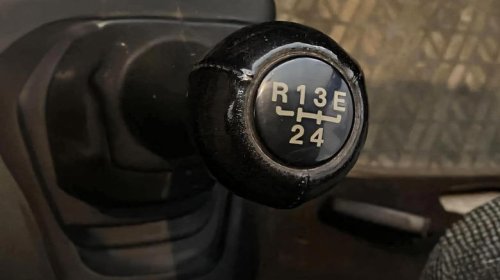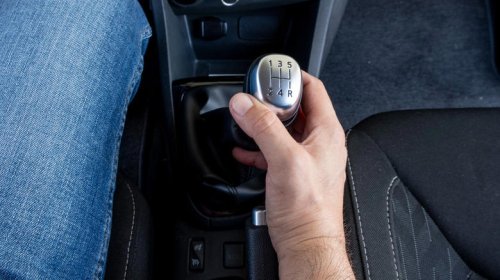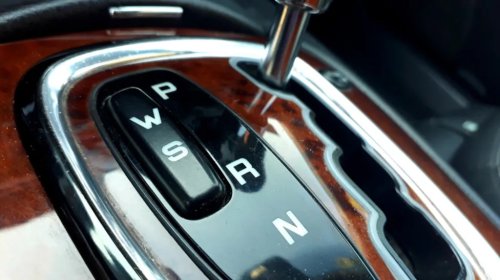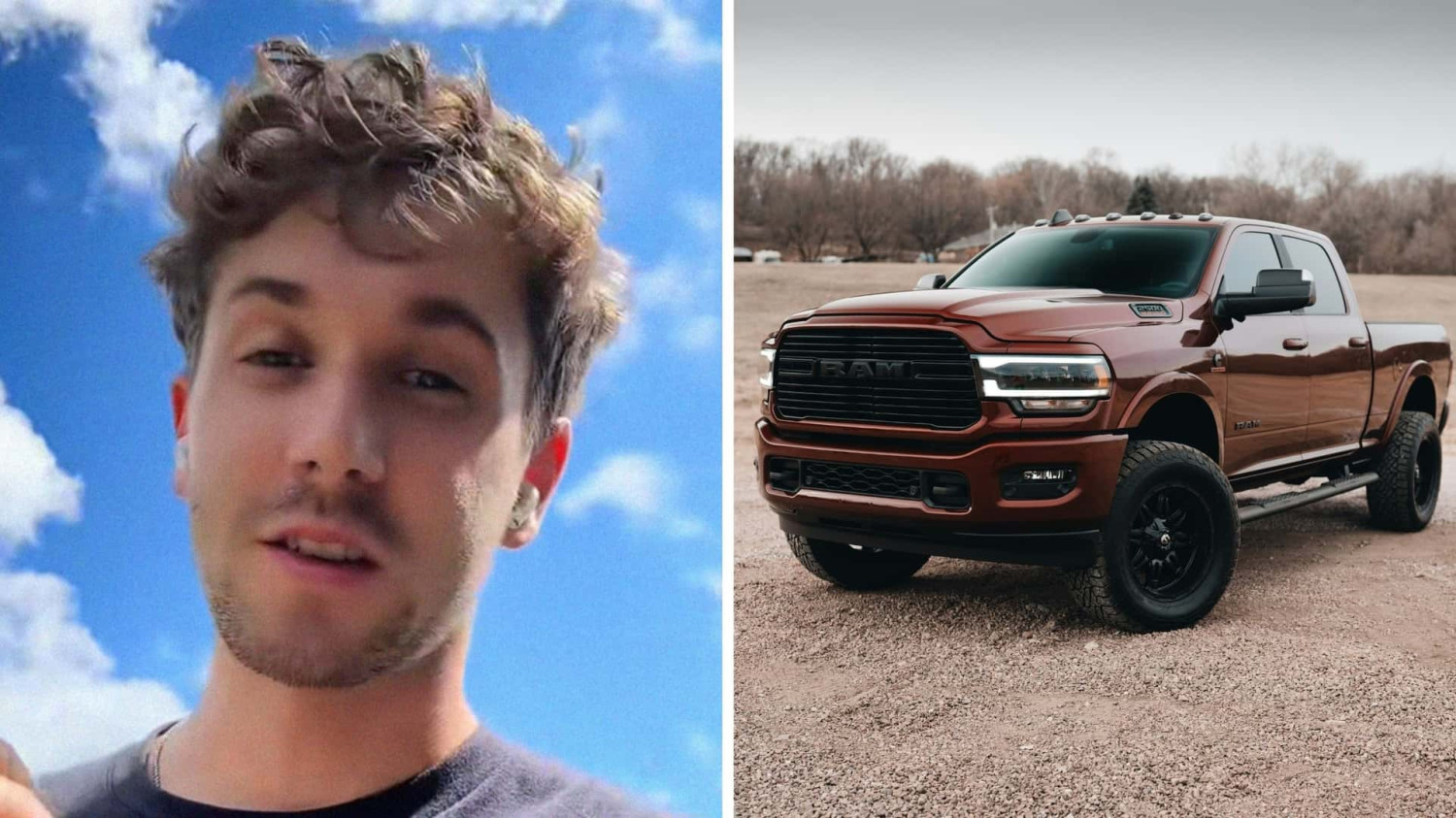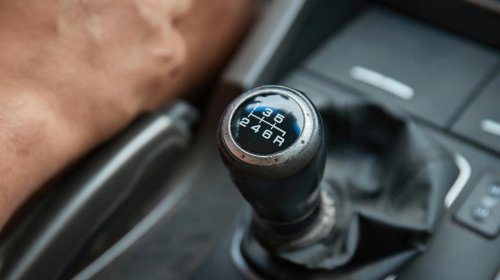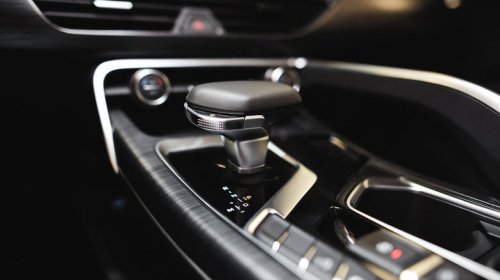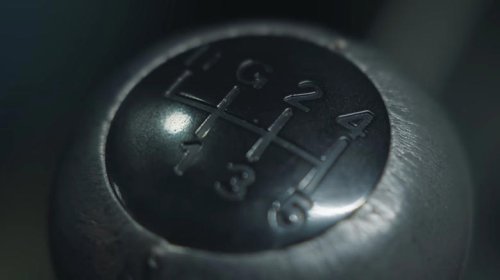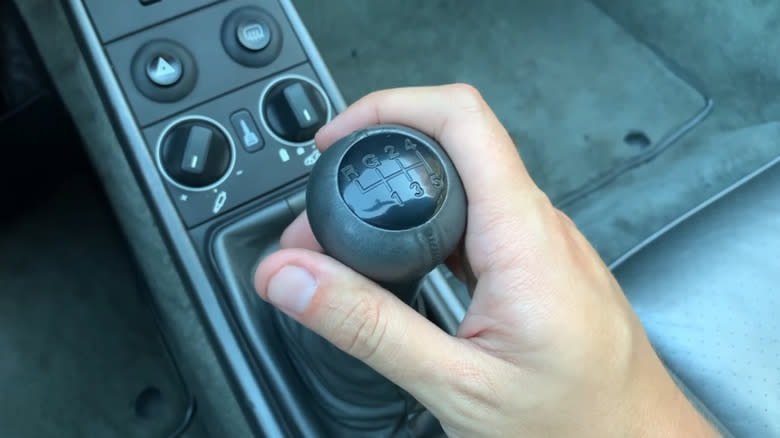
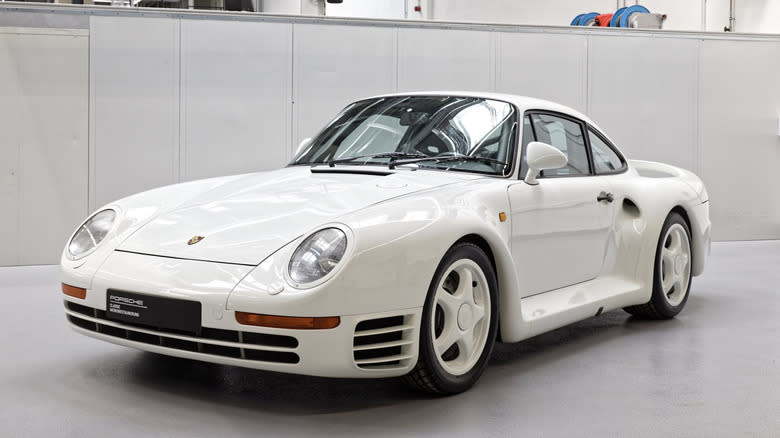




















Stick shift of Porsche 959 showing "G" gear - Doug DeMuro/YouTubeWelcome back to our semi-regular look at the gear-shifter alphabet! We've already covered what the "S" on your gear shift means — and what "B" and "L" do too -– and today's article is brought to you by the letter "G". On your shift knob, that stands for Gelände. It's a German word that can be translated as "terrain," which is relevant here because the "G" gear is an ultra-low gear usually used for enhanced traction off-road.You also may recognize the term from the Mercedes-Benz G-Class: The G-Wagon name comes from "Geländewagen" — meaning something like "all-terrain vehicle". Yet the car that may be most associated with a gelände gear was a ground-breaking supercar from Porsche. First appearing in 1985, the 959 had a low "G" gear as a nod to its roots in rally racing. Of course, squeezing the car through a legal loophole had a lot to do with it as well.The issue was that some countries had strict noise regulations for vehicles, with tests including volume measurements made when the car was in first gear. The 959 couldn't pass some of those tests in its lowest forward gear. Because of the homologation business we'll mention next, the 959 had a transmission engineered for the highest level of pro rallying competition, and that included an extra-low — and extra-loud — first gear to better handle bad terrain. In the end, Porsche simply decided that that gear would be called "G," recategorized the traditional second gear as first, and adjusted the other gear numbers accordingly.AdvertisementAdvertisementRead more: 5 Nearly Indestructible Transmissions (And The Cars That Use Them)Porsche 959: A celebration of innovationPorsche's restored Sport S variant of the Porsche 959 - PorscheAnother way of getting around those noise laws would have been to use a different transmission, but that wasn't an option for the 959. The car was developed to homologate Porsche's upcoming entry in the World Rally Championship's unhinged Group B series, so the street version needed to share components like its gearbox with the racecar. Also shared — and a key to the 959's incredible on-road performance — was the engine. The flat-six, rear-mounted motor was first featured in the Porsche 956 endurance racer, which had earned a Le Mans hat trick by winning the event three years in a row from 1983 – 1985.However, just as important to the 959's position in automotive history were its many technological innovations. The car was so advanced for its time that we compared driving Porsche's own 959 to science fiction.An electronically controlled multi-mode four-wheel-drive system was just one example, with the 959 further boasting an electrohydraulically suspension. The former had dedicated settings for "Dry," "Wet," "Ice," and "Traction," while the latter allowed owners to raise and lower the car's ride height by 2.4 inches. The 959 even introduced the world's first tire-pressure monitoring system for a car in mass production.AdvertisementAdvertisementThe thing is, there may be nothing like the sights and sounds of Group B rallying, and nothing like the 959, either, but both had fairly short lives. The WRC, worried about safety, dropped Group B in 1987, and Porsche had only built 292 street-legal 959s in the first place – 200 were needed for homologation.Want more like this? Join the Jalopnik newsletter to get the latest auto news sent straight to your inbox, and add us as a preferred search source on Google.Read the original article on Jalopnik.