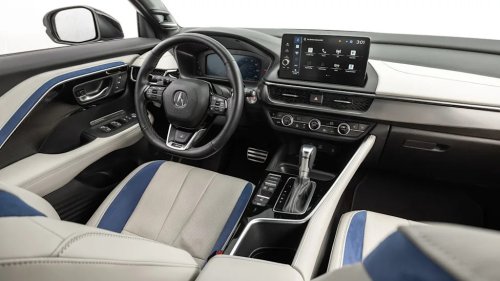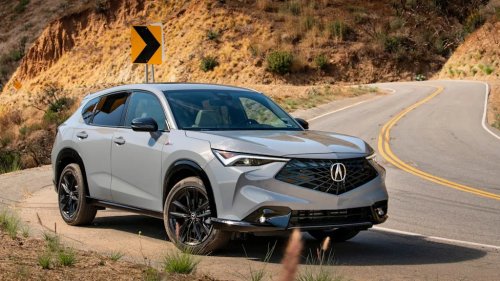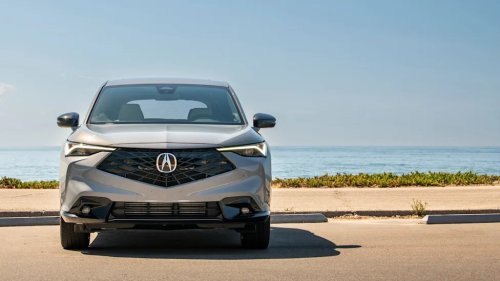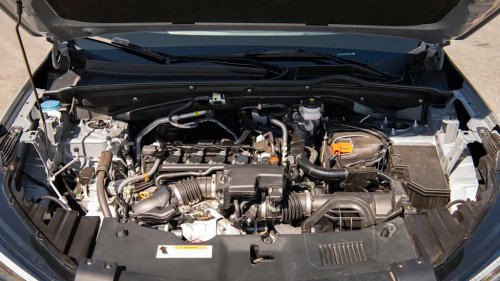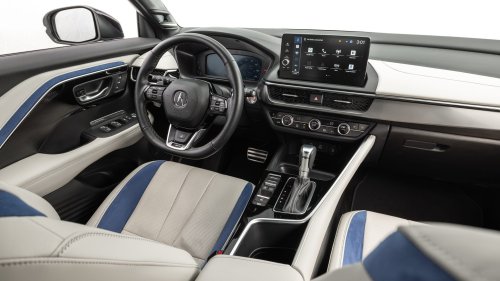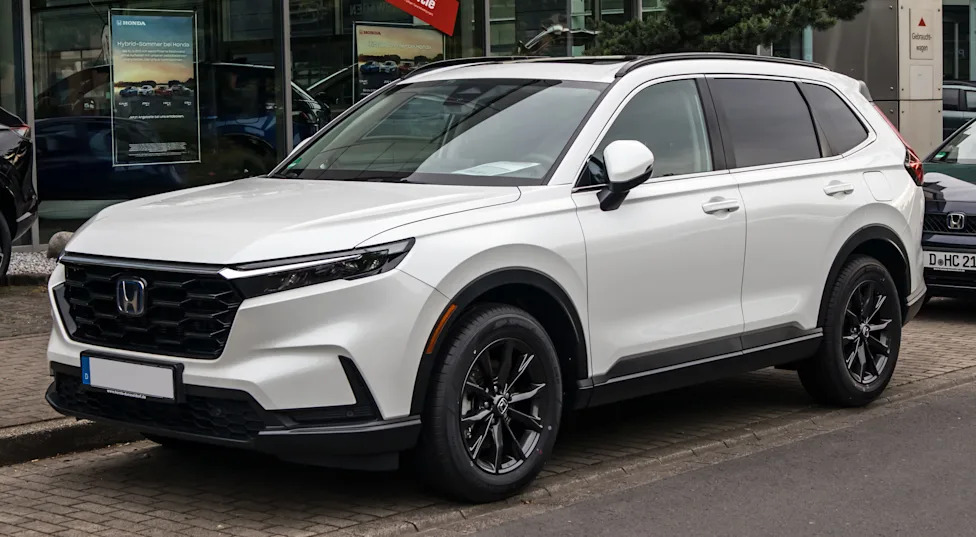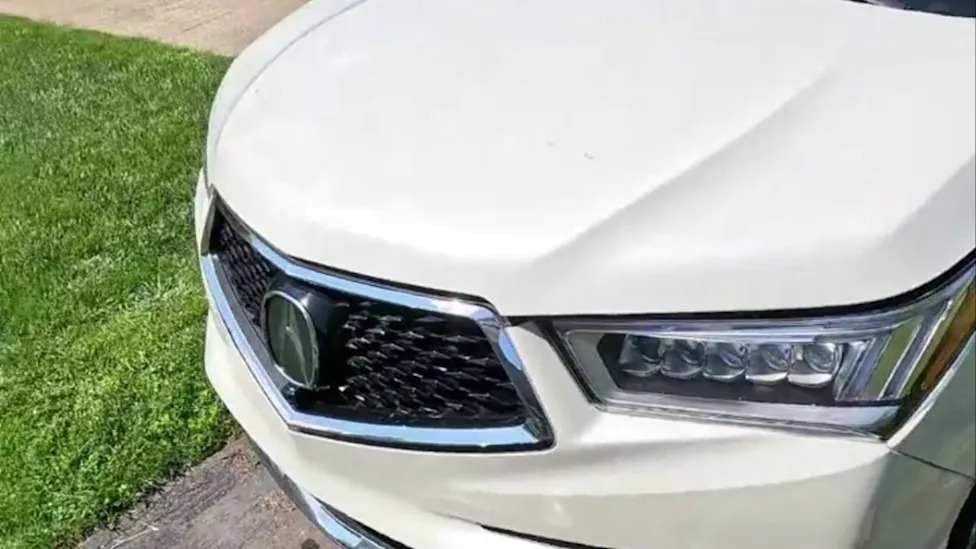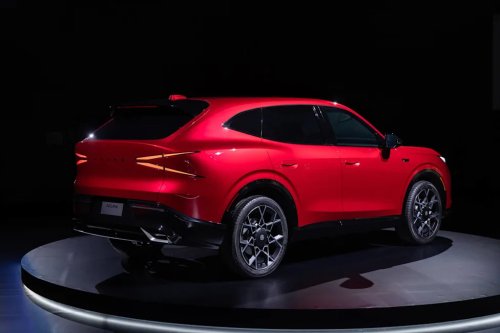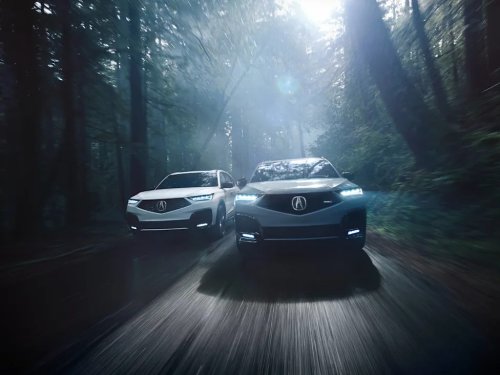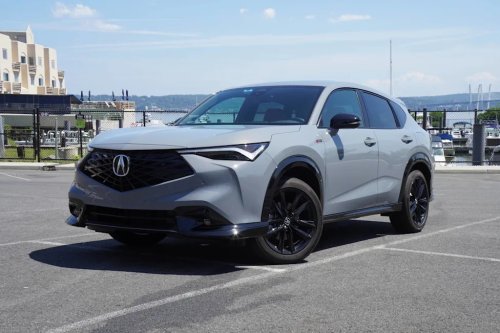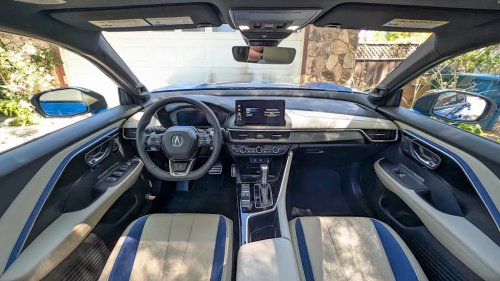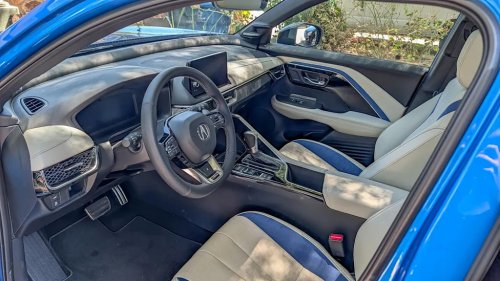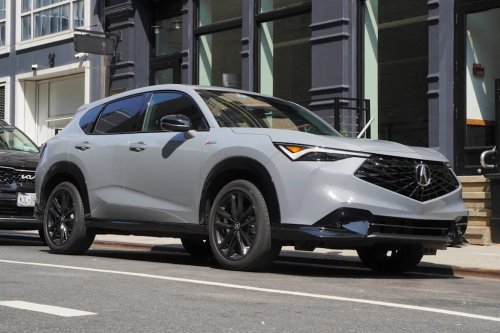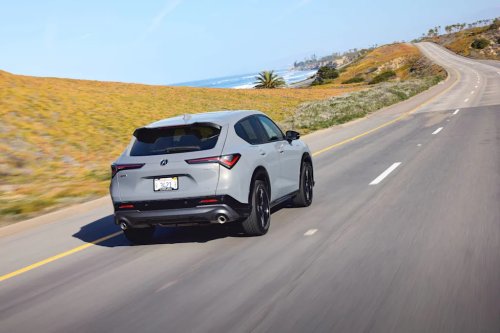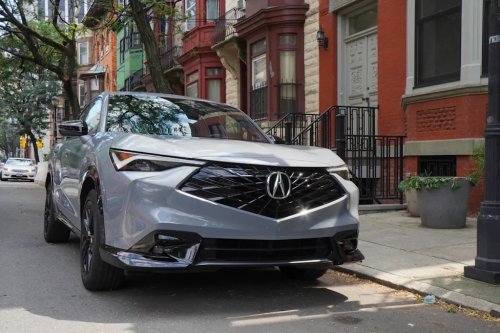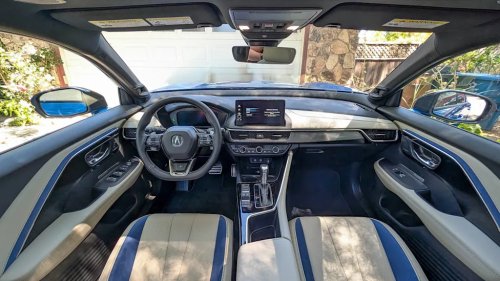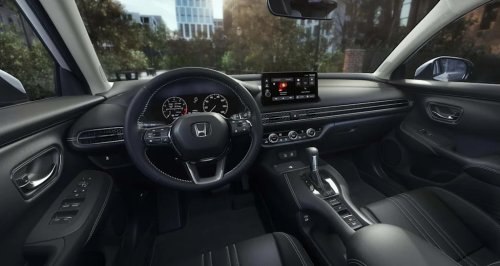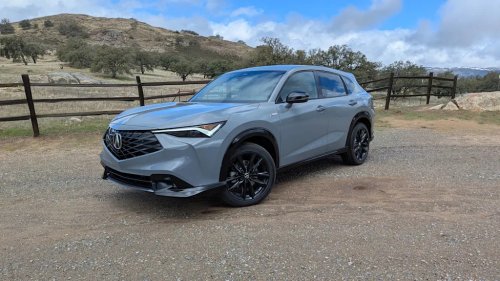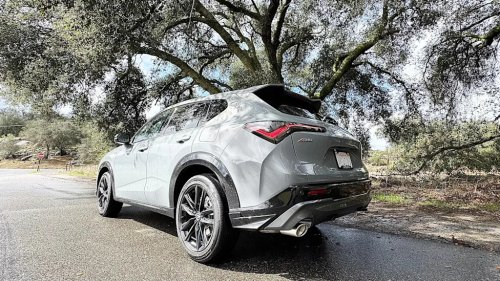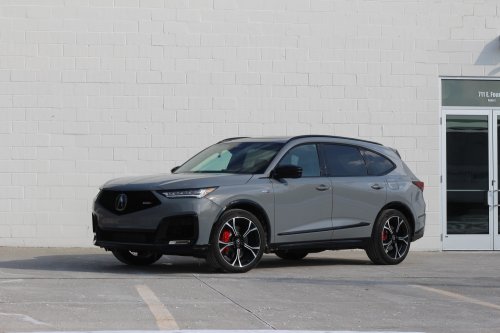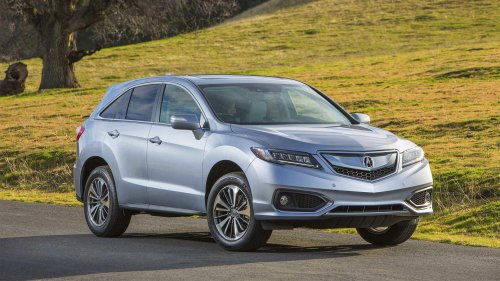
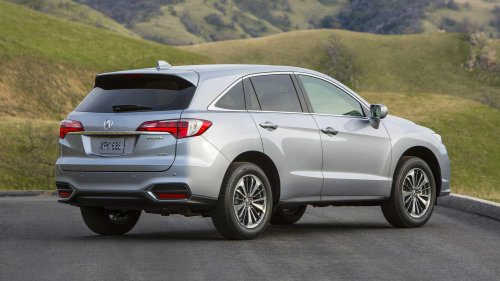
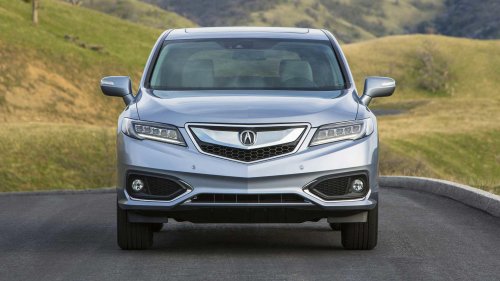
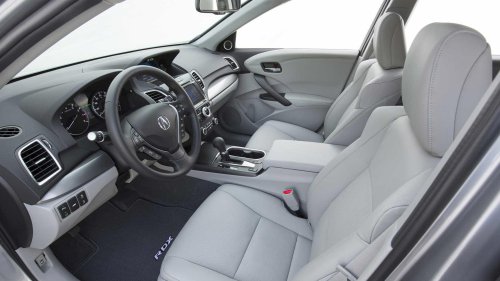
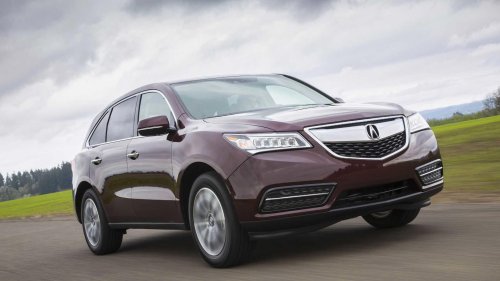
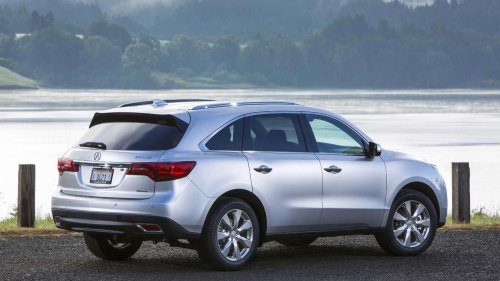
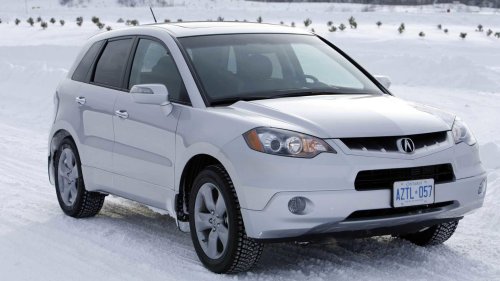
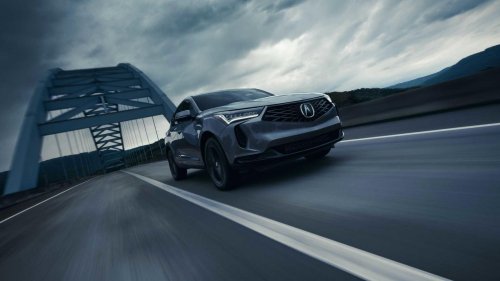






















Today’s automotive world is characterized by downsizing and electrification. Larger engines, such as V6s and V8s, are increasingly being ditched by automakers in favor of smaller ones, equipped with turbochargers or incorporated into hybrid powertrains. This is largely due to emissions concerns and increasingly strict regulations, which have pushed automakers towards finding more environmentally friendly solutions.We are looking at one vehicle which has, however, bucked the trend. The second generation of the Acura RDX distinguishes itself among other SUVs for having made an unusual move: while its first-gen predecessor was equipped with a turbocharged inline-four engine, the second replaced it with a naturally aspirated V6 engine. The Second-Gen Acura RDX: An Overview AcuraThe second generation of the Acura RDX was launched in 2012 at the North American International Auto Show in Detroit, later going on sale for the 2013 model year. It came with a slightly updated design compared to its first-generation sibling: the shape of the headlights was reworked, and the front end was given an overall smoother, more minimalist look.The most interesting characteristic of the new model was its powertrain. The first generation of the RDX had been powered by a 2.3-liter turbocharged inline-four engine; as the automotive industry moved towards eco-friendly solutions, it would have made sense for Acura to maintain a similar type of powertrain in the second-gen model. However, the brand chose to go in a different direction. The new RDX was powered by a 3.0-liter naturally aspirated V6, which produced 273 hp and 251 lb-ft of torque. It was paired with a six-speed automatic transmission.Acura The interior was characterized by a clean, high-end look. Plenty of soft-touch materials were used to improve the tactical feel of the cabin, and features such as heated seats and a leather-bound steering wheel further enhanced the interior’s overall quality.The interior was also one of several areas which received an upgrade as part of a facelift for the 2016 model year. The facelift also introduced LED headlights and taillights, as well as some new driver assistance features such as lane keeping assist and adaptive cruise control. The engine received a slight power boost that brought output up to 279 hp and 252 lb-ft of torque, while the AWD system was reworked to send 50% of torque to the rear wheels, rather than 25%.The second-gen RDX remained in production until 2018, after which it was replaced by the third and last generation, which is going to be discontinued this year. The Second-Gen RDX On The Used Market Today Acura If you’re shopping for a used SUV and you don’t mind not having the latest tech on board, a second-generation RDX could be a fantastic choice for you. That being said, there are a few things you will need to keep in mind.In terms of reliability, this generation does fairly well for itself. Last year, CarBuzz published a ranking of the model’s three generations according to reliability, and the second-gen model came in second. The youngest examples of this model are, however, now nearly a decade old, which means the possibility of mechanical issues is always around the corner.Some of the issues most frequently cited in customer complaints include premature brake wear, engine stalling or misfiring, rear suspension problems, and battery and lighting issues. If you’re planning to inspect or test drive a used second-gen RDX, keep an eye out for these problem areas.Acura In terms of pricing, if you’re buying an older vehicle or one with a higher mileage, you can expect to pay as little as $5,000. For newer vehicles, especially post-facelift ones, or vehicles with a lower mileage and better maintenance record, you can expect to pay up to around $25,000. The Second-Gen RDX's Bigger Sibling: The Third-Gen MDX Acura Around the same time as the second generation of the RDX was making its debut, with its fresh new V6 engine in tow, another V6-powered Acura crossover was being sold alongside it. We’re talking about the third-gen MDX, the RDX’s bigger sibling which slotted above it in the brand’s lineup.Unlike the RDX, the MDX had been powered by a V6 from the very beginning. The model had made its debut in 2001; its second generation had been introduced in 2006, and the third in 2014, just a year after the second-gen RDX. This model offered a revised styling, which provided a considerable aerodynamic improvement over its second-gen predecessor.Acura The model was powered by a 3.5-liter V6, which like the V6 found in the second-gen RDX, was also a member of the Honda J Series. It produced 290 hp and 267 lb-ft of torque, and was paired with either a six- or nine-speed automatic transmission. In 2017, when the model underwent a facelift, a hybrid version was also made available, which paired a 3.0-liter relative of the same engine with three electric motors. This version produced 321 hp and 289 lb-ft of torque.The MDX’s third generation remained on the market until the 2020 model year. After a brief hiatus, the MDX returned for a fourth generation in 2022; this model is still in production today, with the same 3.5-liter V6 engine on board. The RDX's Wider History: The First And Third Generations Acura While the second generation of the RDX is perhaps the most interesting, thanks to its engine, the ones that came before and after it also have plenty to offer in their own right. The first generation of the model was introduced in 2006 at the New York Auto Show, going on sale for the 2007 model year.The first-gen RDX was powered by a single choice of engine, a 2.3-liter turbocharged inline-four from Honda’s K series. This engine produced 240 hp and 260 lb-ft of torque, and was paired with a five-speed automatic transmission. In line with Acura’s premium image, the vehicle had a fairly upmarket interior, with leather seating as standard, a moonroof, and several optional tech features (such as a 10-speaker sound system and backup camera). In 2010, the model underwent a facelift, which slightly altered the look of the front end and grille. This generation was discontinued two years later, after the 2012 model year.When the second generation of the RDX came to an end in 2018, the V6 engine was also phased out. Acura chose to go back to a turbocharged four-cylinder unit for the model’s third generation, which was introduced in 2018 and went on sale for the 2019 model year.While the second generation was still fairly close to the first in terms of design, the third marked a sharp departure from its predecessors, with a refreshed, more modern look. Narrower, more angular headlights were introduced, and the grille’s shape was changed slightly, although it still recalled the downward-pointing look of previous models’ grilles.Acura The third-gen RDX is powered by a 2.0-liter turbocharged inline-four engine, a part of Honda’s famously reliable K-Series family. This engine, the K20C4, is shared with the Honda Accord (more specifically, the Accord’s 2018-2022 model years). It is paired with a single choice of transmission, a 10-speed automatic.2026 is, however, set to be the RDX’s last model year. The reason for its discontinuation is mostly related to logistics and the supply chain. Honda’s Ohio-based suppliers are experiencing difficulties that have made it impossible for them to provide some of the RDX’s key components. Sourcing an alternative would be too costly and difficult for Honda, which as a result decided to pull the model from the market completely. The brand has also diversified its offering and prioritized other models, such as the new RSX crossover.This does not mean the RDX will never return: Acura is reportedly already working on a fourth-gen successor to the model, which should be released before the end of the current decade. Although there’s little hope it will sport a V6 engine like its second-gen predecessor, it’s still something to look forward to for Acura customers who will be shopping for a crossover in the near future.Sources: Acura