Jackson Hill · 6 months ago@jacksonhill51You won't find these engines that achieve the highest RPMs anywhere on the road Liked by+35 othersPost commentRelated Posts20 Cars That Are Made To Park Anywhere 58 · Abigail Fortin · 1 years agoMustang's manual isn't going anywhere, Ford CEO says 72 · Audrey Nelson · 7 months agoA 1969 Super Bee doesn’t blend in anywhere it goes 59 · Thomas White · 6 months agoFord CEO: Manual Mustang Isn't Going Anywhere 19 · Liam Bouchard · 7 months agoThe BMW 4 Series Isn't Going Anywhere. And It Should Keep Its Gas Engine 45 · Ethan King · 9 months agoRam's Excellent 10-Year Warranty Isn't Going Anywhere 32 · Samuel Bouchard · 9 months agoThe Toyota GR Corolla Isn't Going Anywhere. But Its Three-Cylinder Might 22 · Abigail King · 11 months agoFerrari's Gas Engines Aren't Going Anywhere—Including the V-12 30 · Jackson Côté · 1 years agoOmloop Het Nieuwsblad live stream 2025: How to watch WorldTour cycling online from anywhere 45 · Lucas Wilson · 1 years agoCarolina Wagner, VP of Marketing, Kumho Tire, Inspires Us with How to Achieve Career DreamsRyan Leblanc · 14 days agoFerrari Achieved Automotive Perfection With The 1969 Dino 246 GTNicole Carter · 21 days agoChinese auto companies race ahead on EV technology, achieving 5-minute ultrafast charging 33 · Lauren Bouchard · 1 months agoGAC Partners with CAS Dongguan Institute, Achieving World's First Mass Production of Amorphous Alloy E-Drive 78 · Charlotte Brown · 1 months agoNIO ES9 Achieves 30,000 Deliveries in 119 Days 28 · Jacob Côté · 1 months agoPony.ai Achieves Phased Progress in Doha Robotaxi Commercial Operations 31 · Claire Girard · 1 months agoWhy Cities Institute Bans On Streetlights To Achieve 'Dark Sky Status' 78 · Emily Lavoie · 1 months agoGabriel Bortoleto Is ‘Willing to Sacrifice Everything’ to Achieve F1 Greatness. Anything Less Isn’t an Option 69 · Leo Green · 1 months agoGeely, Leapmotor and GAC Aion models achieve five-star Euro NCAP safety ratings 34 · Oliver Smith · 1 months agoBoeing's Smallest 737 Max Variant Finally Achieves FAA Certification After A Decade Of Trying 43 · Owen Hall · 2 months ago"No Technology Can Achieve 100% Perfect Safety" 72 · Abigail Smith · 2 months ago



 +35 others




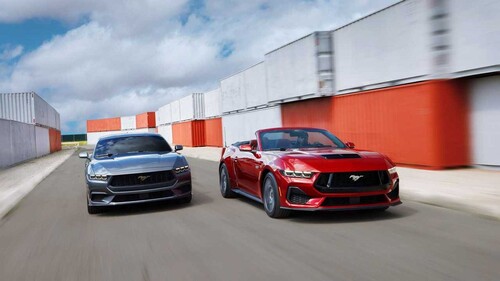
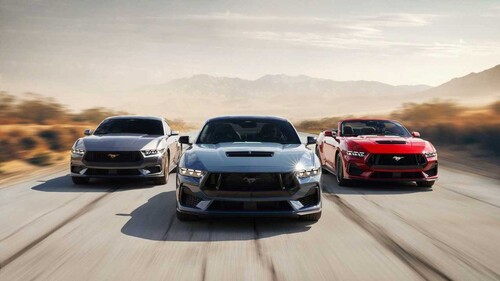

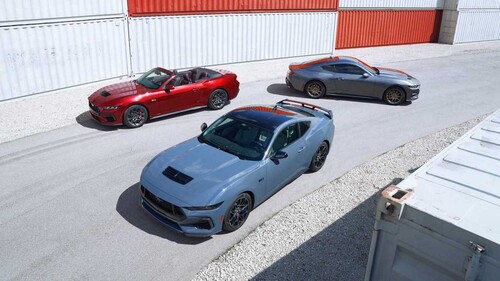
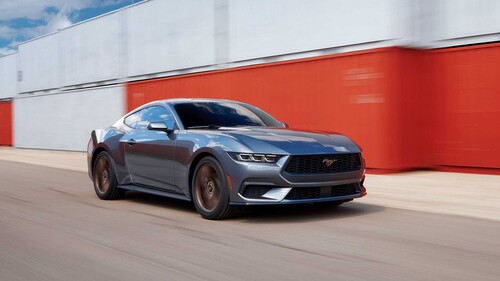
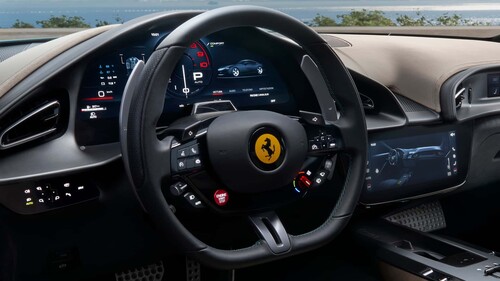

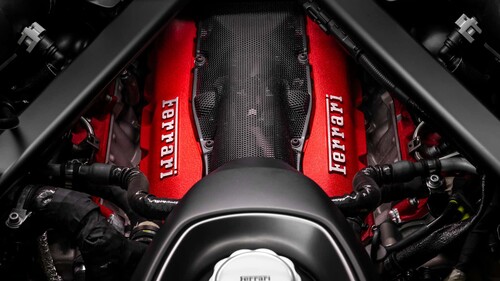














![Autonomous military 6x6 packs electric drive and go-anywhere grit [video]](https://cdn.topcarnews.net/en/69843/thumb/id/aHR0cHM6Ly9pMC53cC5jb20vZWxlY3RyZWsuY28vd3AtY29udGVudC91cGxvYWRzL3NpdGVzLzMvMjAyNi8xMC9IaWxsX0NsaW1iXzAxLmpwZz93PTE1MDAmYW1wO3F1YWxpdHk9ODImYW1wO3N0cmlwPWFsbCZhbXA7c3NsPTE/58861f873d275e74c2ec7e0d11343de7.jpg)


![E-quipment highlight: wreck stuff anywhere with CASE TL100EV [video]](https://cdn.topcarnews.net/en/62024/thumb/id/aHR0cHM6Ly9pMC53cC5jb20vZWxlY3RyZWsuY28vd3AtY29udGVudC91cGxvYWRzL3NpdGVzLzMvMjAyNi8wOS90djEwMGV2LW1lZGlhZ2FsbGVyeS5qcGc_dz0xNTAwJmFtcDtxdWFsaXR5PTgyJmFtcDtzdHJpcD1hbGwmYW1wO3NzbD0x/030709bc8ecf7baa28a40112aa48b9be.jpg)