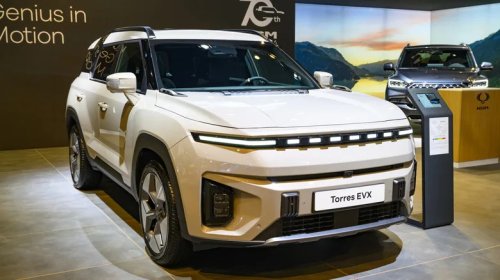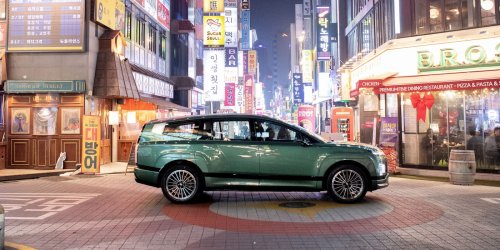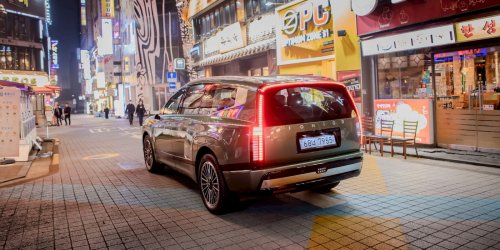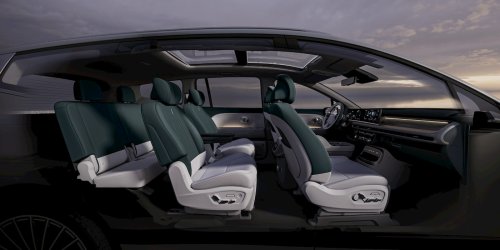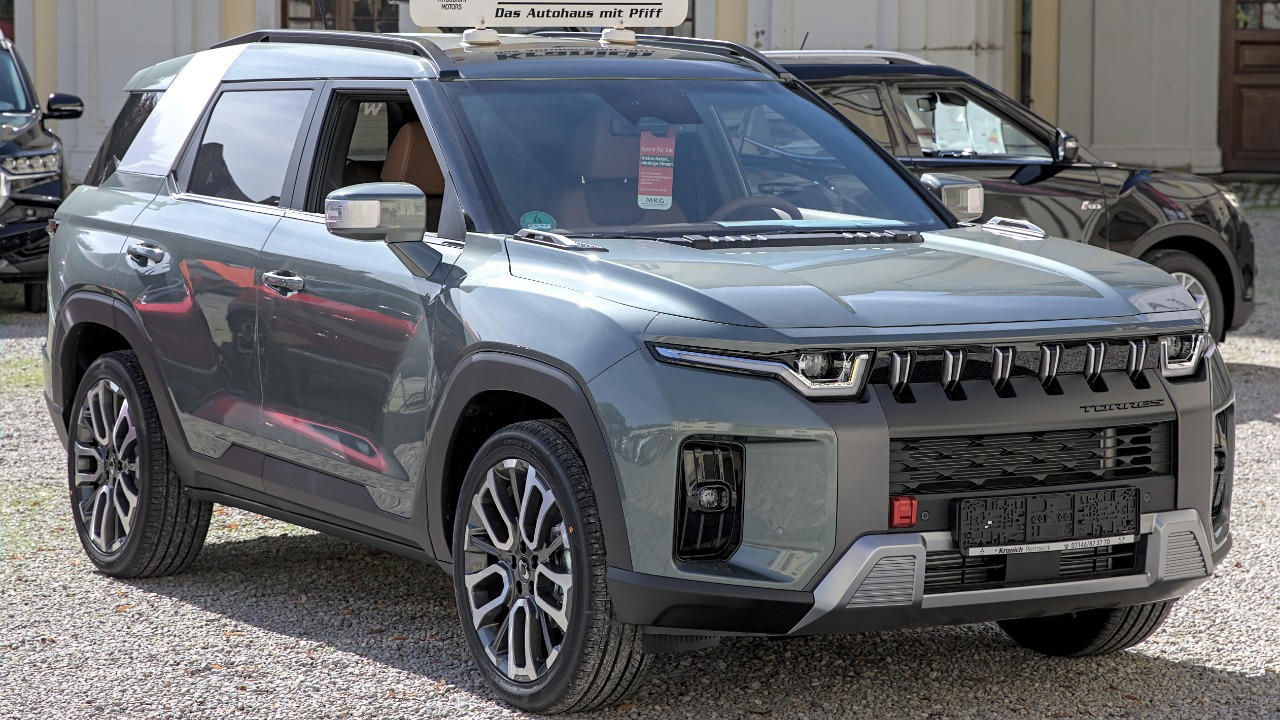



















Why South Korea’s SsangYong never cracked the U.S. marketSouth Korea’s automotive success story in the United States is usually told through Hyundai and Kia, yet one of their compatriots never even made it to the starting grid. SsangYong, now rebranded as KG Mobility, spent years circling the American market without ever putting a single new vehicle on sale there. The reasons lie less in a single misstep than in a chain of ownership turmoil, regulatory hurdles, and strategic hesitation that repeatedly closed the window just as it seemed to open. To understand why SsangYong never cracked the United States, it is necessary to look at how a relatively small specialist brand tried to follow giants into the world’s most demanding car market, only to be tripped up by timing, capital, and the sheer scale of the task. The company’s story shows how even in an era of global platforms and free trade agreements, not every South Korean automaker can simply repeat the Hyundai and Kia playbook. From niche 4×4 maker to KG Mobility The company now known as KG Mobility began life as a specialist in rugged 4x4s and licensed designs rather than mass market sedans. While Hyundai and Kia built their reputations in the United States with high volume models such as the Sonata and Elantra and the Kia Optima that helped make South Korean (Republic of Korea) products part of everyday life in the United States, SsangYong focused on SUVs and pickups for markets closer to home. That positioning left the brand with a narrower portfolio and fewer globally recognized nameplates when it later considered crossing the Pacific. Over more than three decades under the SsangYong name, the company cycled through owners and strategies, from tie ups with foreign manufacturers to a later focus on electric vehicles. Its eventual rebranding to KG Mobility signalled an attempt to shed the baggage of repeated restructurings and to present itself as a modern South Korean technology player rather than the perennial third brand behind Hyundai and Kia. By the time that new identity emerged, however, the opportunity to enter the United States as a pioneer from the Republic of Korea had long since passed to its rivals. Missed chances in the Daewoo and Mahindra eras SsangYong’s earliest brush with the United States came indirectly through Daewoo, which sold cars in America between 1999 and 2002. Daewoo controlled SsangYong at one stage, and it already operated a dealer network in the United States that might have provided a ready made channel for SUVs and 4x4s. Yet according to later accounts of that period, Daewoo never sold a single SsangYong model through its American outlets, even as it tried to build brand recognition with compact sedans. When Daewoo’s own U.S. experiment collapsed, that potential bridge disappeared with it. A second major opportunity appeared when Indian conglomerate Mahindra & Mahindra took control of SsangYong and set out to turn it around as a global SUV specialist. Mahindra’s stewardship, which later ended in a negotiated sale, has been described as a long saga that culminated in a transfer of SsangYong to new Korean owners after years of losses and repeated attempts at restructuring. Reporting on the SsangYong sale details how Mahindra eventually concluded that the capital required to keep the brand competitive was no longer justified. That retreat effectively closed the chapter on any Mahindra backed push into the United States using SsangYong as a spearhead. Regulations, product fit and the cost of entry Even when ownership was relatively stable, the structural barriers to entering the United States were formidable. Every new vehicle sold in the U.S. must meet over 75 separate federal and state regulatory requirements that cover safety, emissions, and other standards, and that level of compliance demands engineering resources that a smaller manufacturer struggles to spare. Federal safety rules also insist that even advanced vehicles retain familiar equipment such as steering wheels, pedals, and mirrors, illustrating how prescriptive the regulatory environment can be for any company hoping to introduce unconventional designs or rapid model cycles. Product mix created additional complications. SsangYong’s Musso midsize pickup was often touted as a candidate for export, yet company officials acknowledged that whenever the U.S. launch happened, the Musso would probably stay home because of the long standing 25 percent tariff that applies to imported pickups. That assessment appeared in coverage of SsangYong delaying its American plans, which also highlighted the need for the brand to match the refinement and quality expectations set by the other Korean brands already established there. The company’s diesel heavy lineup, reflected in reviews that contrasted older SsangYong models with later efforts such as the Korando that finally used an in house diesel engine, did not map neatly onto a U.S. market that had shifted toward gasoline and hybrid powertrains. Ambitious plans, financial shocks and a fading prospect Despite these obstacles, SsangYong repeatedly signalled that it wanted a piece of the American SUV boom. Executives spoke of a bold bet on the U.S. market as the company rebounded from earlier crises, pointing to experience selling vehicles in China for more than a decade as evidence that it could operate in large, competitive arenas. Yet each time plans seemed to gather momentum, a new financial shock intervened. During one downturn, Ssangyong on Friday announced wage cuts of up to 30 percent for employees as part of a cost saving drive, a measure that underlined how fragile its balance sheet had become. The pattern repeated into the 2020s. Ssangyong Australia publicly insisted that it was business as usual even as the parent company filed for bankruptcy in South Korea, and local executives argued that the brand needed global sales of around 150,000 vehicles per year to remain viable. In parallel, a proposed takeover by Edison Motor was heralded as a lifeline that would turn SsangYong into an electric vehicle specialist, with reports describing how Edison Motor agreed to buy the debt ridden company for ₩305 billion (€224.8 million) as part of a broader mobility push that also featured CES announcements from Sony. Later analysis of the Failed US Debut and The Edison Takeover That Never Was argued that the collapse of that deal was a contributing factor in KG Mobility’s inability to finalize an American launch. More from Fast Lane Only Unboxing the WWII Jeep in a Crate 15 rare Chevys collectors are quietly buying 10 underrated V8s still worth hunting down Police notice this before you even roll window down