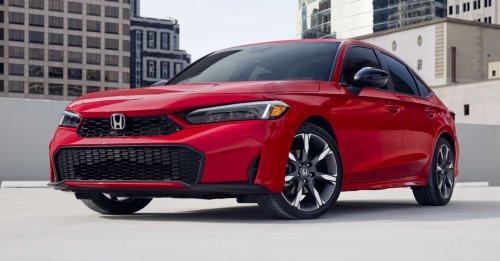
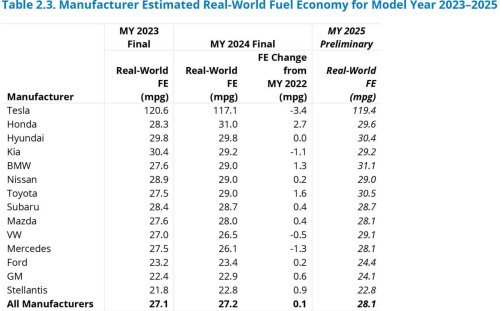
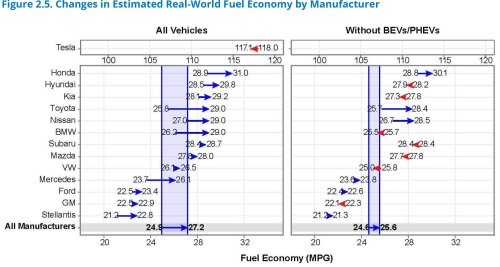
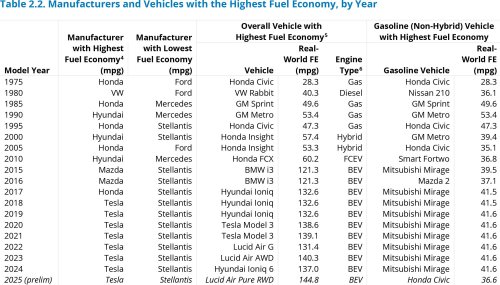
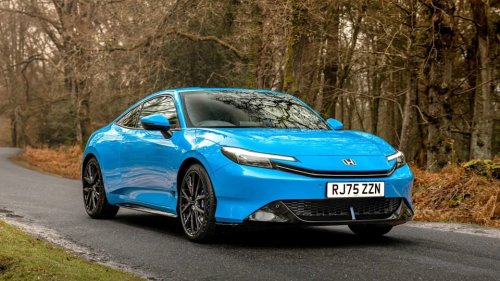
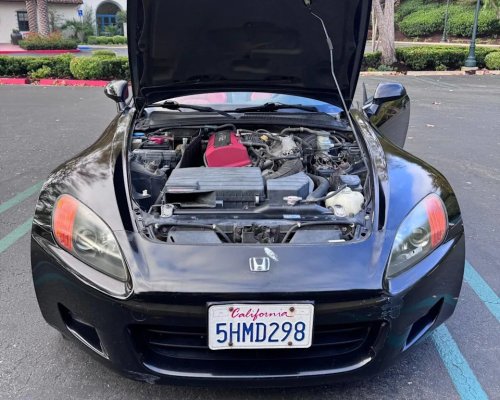
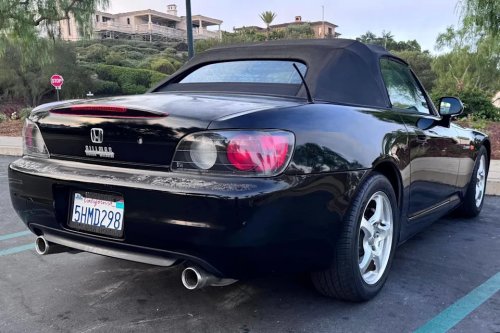
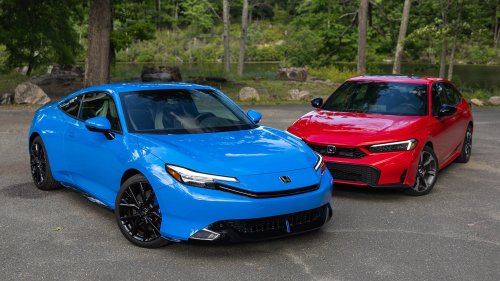
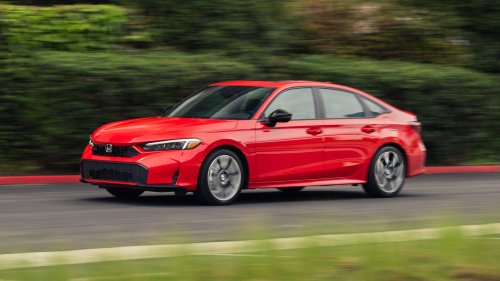
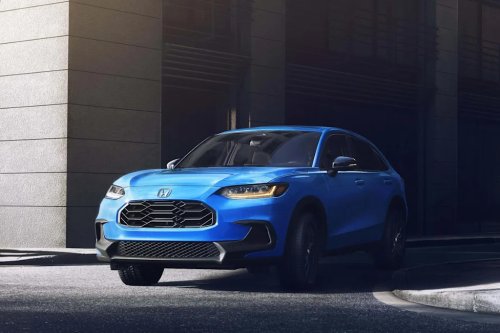
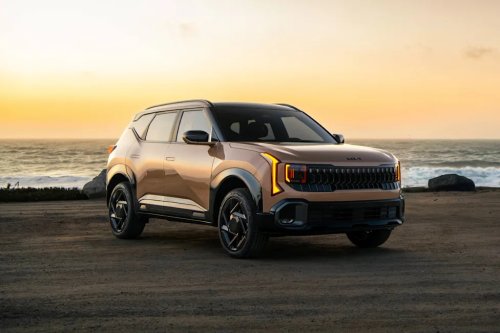
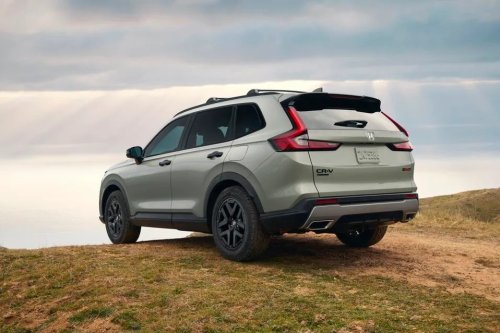
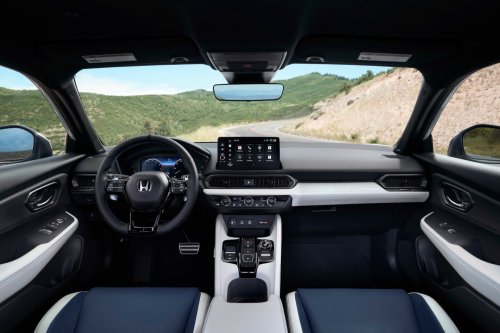
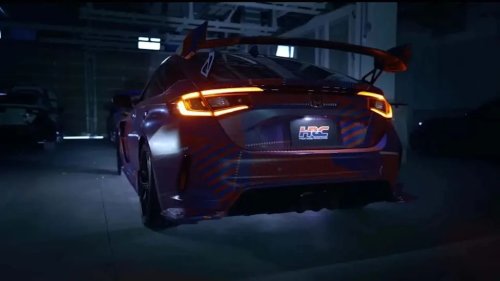
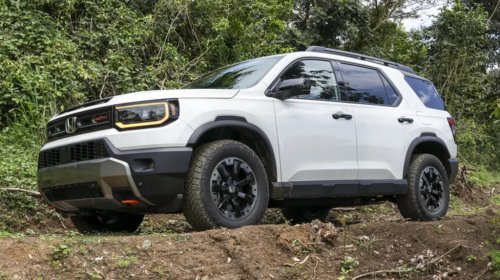
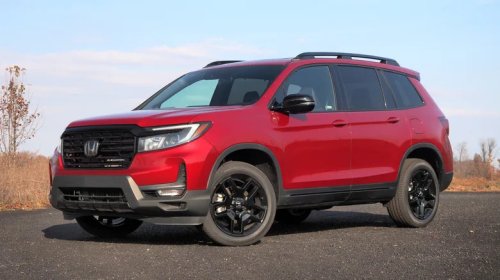
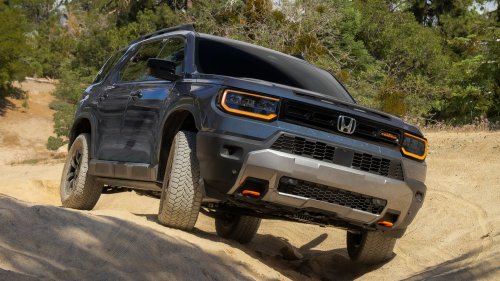
According to the United States Environmental Protection Agency (EPA) Automotive Trends Report 2025, Honda is the most fuel-efficient maker that doesn’t exclusively sell electric vehicles (EVs), posting a fleet average of 13.18 km per litre (31 miles per gallon). The report, which factors in 2024 model year data, showed the industry average to be 11.56 km/l (27.2 MPG), with Honda and seven other brands being above that line. Also on the podium are Hyundai in second place (12.67 km/l or 29.8 MPG) and Kia in third (12.41 km/l or 29.2 MPG). Toyota, Nissan and BMW shared the fourth spot with an average fleet fuel economy of 12.33 km/l (29 MPG), followed by Subaru (12.2 km/l or 28.7 MPG) and Mazda (11.9 km/l or 28 MPG) are the remaining brands that made it above the industry average. Meanwhile, companies placed below the industry average include Volkswagen (11.27 km/l or 26.5 MPG), Mercedes-Benz (11.1 km/l or 26.1 MPG), Ford (9.95 km/l or 23.4 MPG), General Motors (9.74 km/l or 22.9 MPG) and Stellantis (9.69 km/l or 22.8 MPG). The EPA notes that over a five-year span from MY2019 to MY2024 Honda improved from 12.29 km/l (28.9 MPG). Without factoring in EVs and plug-in hybrids (PHEVs), the margin of improvement is less at 12.8 km/l (30.1 MPG) for MY2024, which is up from 12.24 km/l (28.8 MPG) previously. Toyota saw the most significant improvement from 10.97 km/l (25.8 MPG) previously. It’s worth noting that while Honda only leads the way in terms of fuel efficiency if Tesla is excluded. When included, the EV-only brand is actually the overall winner when taking into account miles per gallon of gas equivalent or MPGe). This is a metric that allows cars using alternative-fuel cars to be compared to those that purely run on traditional fuels. This annual report summarizes information in EPA’s expansive data set about new light-duty vehicle fuel economy and technology, providing a comprehensive analysis of the automotive industry since 1975. (EPA publication # EPA-420-R-26-001) This was introduced by the EPA in 2010 and states that the amount of energy in a gallon of gas is equal to 33.7 kWh. As an example, a pure EV that can travel 100 miles on 33.7 kWh of energy would be rated 100 MPGe. In the case of Tesla, the EV maker had the highest average fleet fuel economy of all large manufacturers at 117.1 MPGe (down from 117.1 MPGe previously). With MPGe in play, EVs have been named the vehicle with the highest fuel economy for a good number of years. Among MY2024 cars, the Hyundai Ioniq 6 sits at the very top with 137 MPGe, while the Mitsubishi Mirage is yet again the most fuel-efficient non-hybrid/electric vehicle at 17.69 km/l (41.6 mpg). The Mirage won’t return for MY2025, and preliminary data shows the Honda Civic will take over its spot in the EPA list with a fuel economy of 15.56 km/l (36.6 mpg). The yet-to-be-finalised ratings for the MY2025 show Tesla to remain at the top, with BMW overtaking Honda. Compare prices between different insurer providers to save the most on your car insurance renewal compared to other competing services. Many payment method supported and you can pay with instalment using Atome, Grab PayLater or Shopee SPayLater.