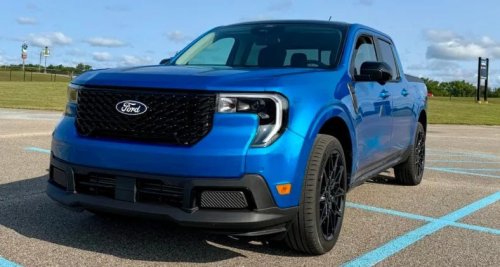
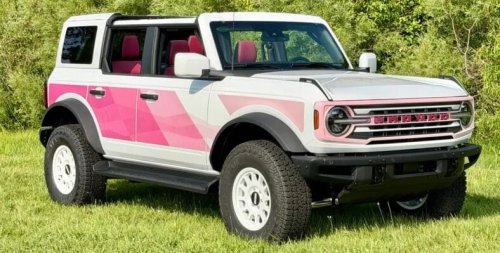
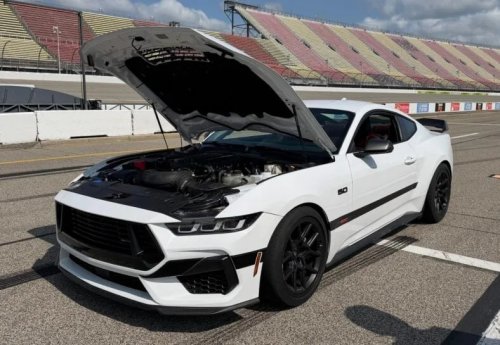
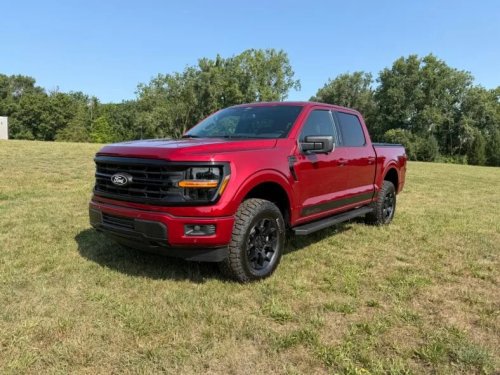
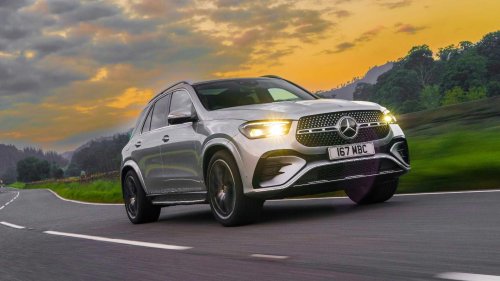
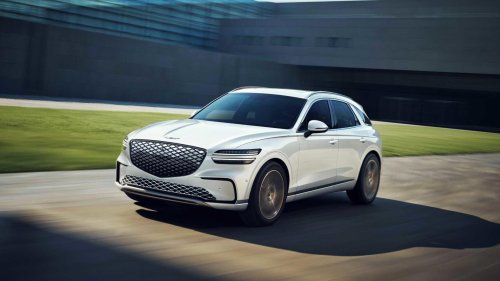
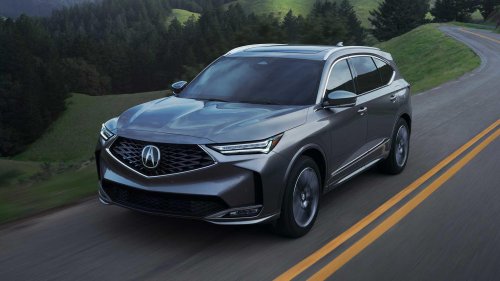
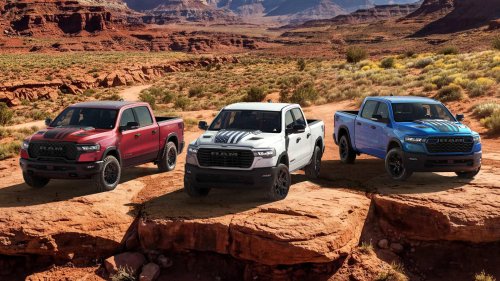
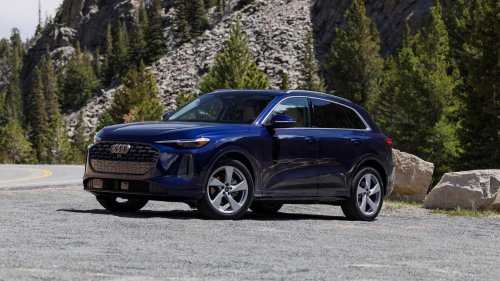
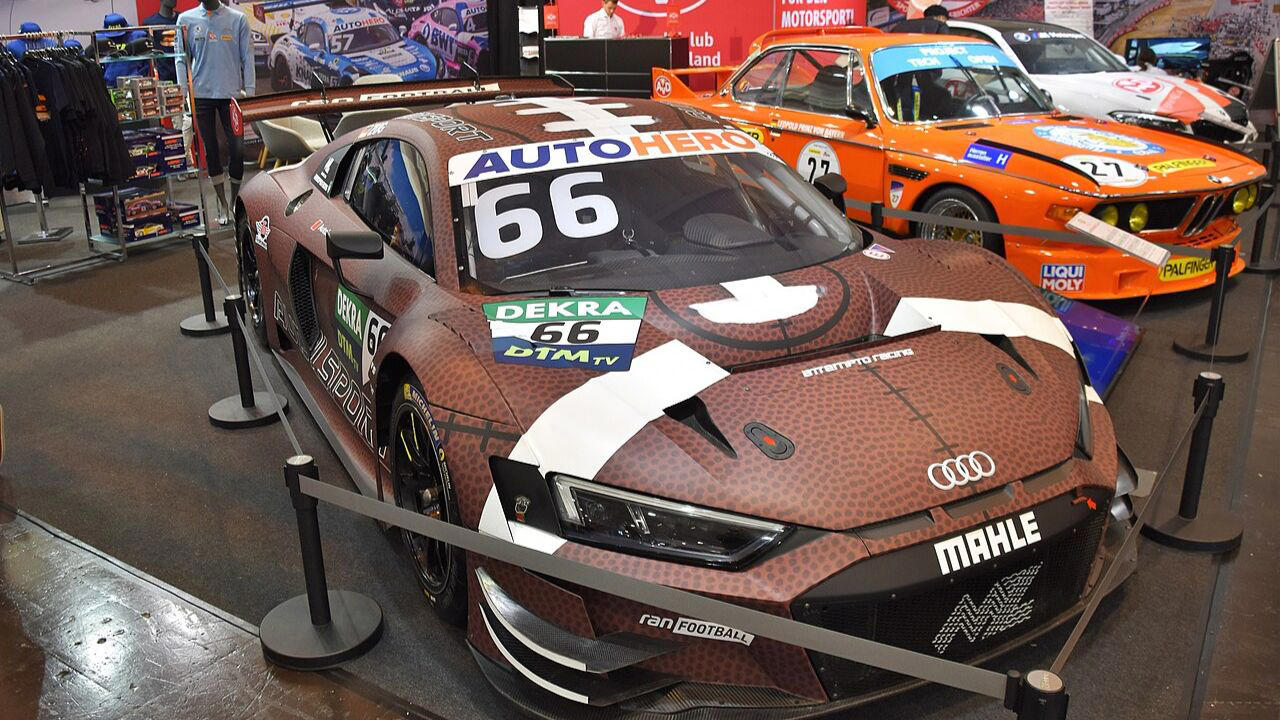
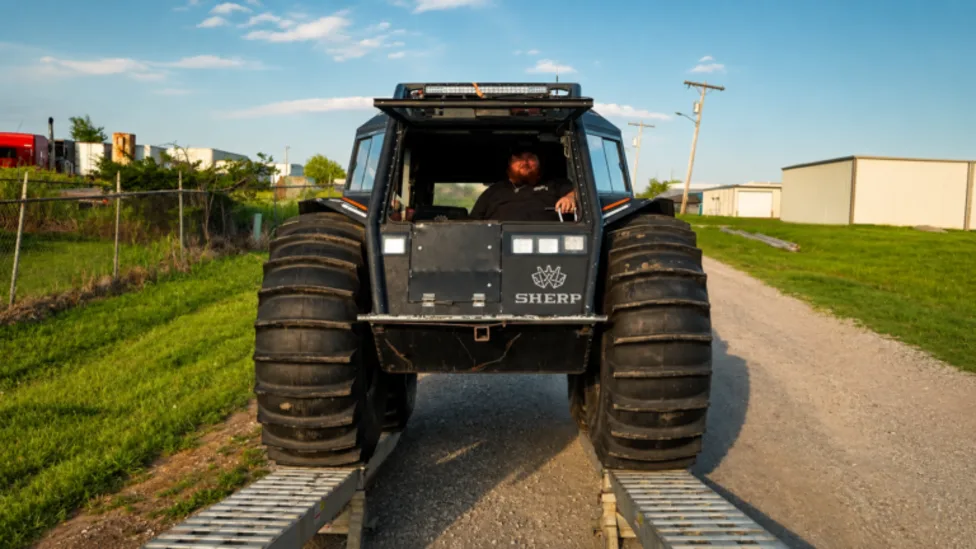
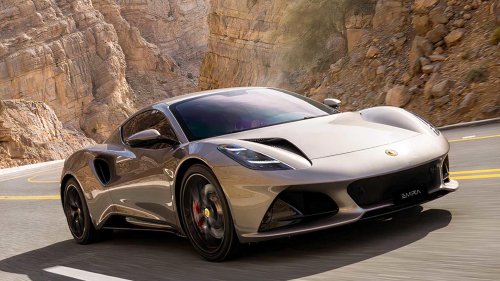
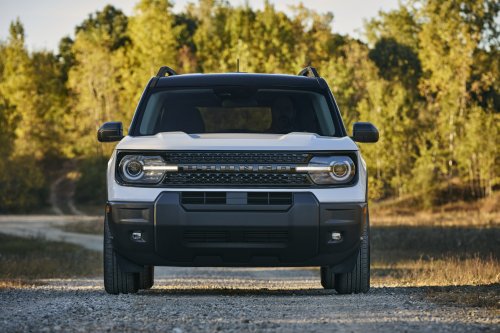
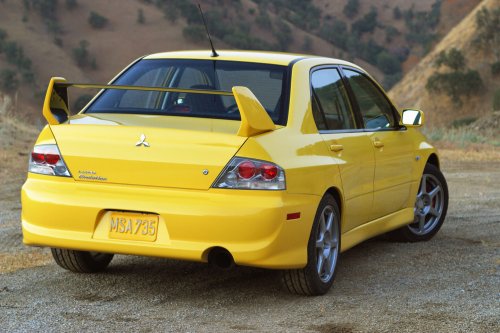
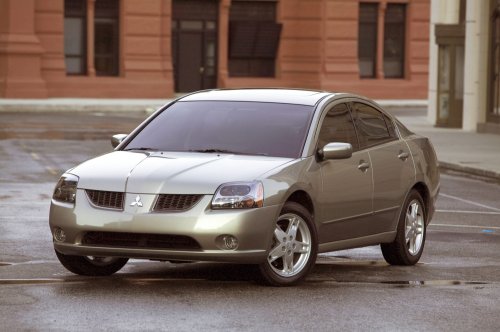
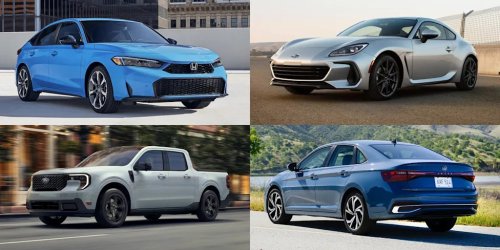
American drivers are walking away from the coupes, sedans, and muscle cars that once defined the nation’s automotive identity and are instead filling driveways with upright crossovers and boxy SUVs. The shift is not a matter of taste alone, it reflects a collision of affordability pressures, changing lifestyles, and a market structure that now rewards practical “boxes” over emotional icons. As 2025 unfolds, the result is a car market where the most rational choice often looks the least romantic. Behind the showroom glass, automakers are trying to reconcile this reality with their own desire to sell aspirational “iconic” machines, even as many households can barely afford a new vehicle at all. The tension between what brands want to build and what buyers can realistically buy is reshaping everything from design studios to dealer lots, and it helps explain why so many Americans are trading nostalgia for square edges and big cargo holds. Affordability crunch: when icons no longer pencil out The first reason Americans are abandoning traditional icons is brutally simple: the numbers no longer work. New vehicle prices have climbed to the point that, as one analysis of the 2025 market noted, cars kept selling but “everyday buyers” were effectively pushed to the sidelines, with higher income households and fleets driving most of the volume. That same reporting tied the squeeze to policy choices, including tariffs announced by President Trump that threatened to disrupt supply chains and keep transaction prices elevated, leaving many shoppers priced out of the kind of expressive, low-volume models that once served as attainable dream cars. For those still in the market, the calculus has become intensely pragmatic. Consumer-focused testing organizations now urge Buyers to start by asking how much car they can get for the money, how cargo room fits their lives, and how long they can reasonably keep a vehicle before repair costs spike. In that guidance, “fun” is a secondary consideration, and some of the most popular nameplates are flagged as models to avoid in favor of more reliable, more spacious alternatives. When the monthly payment already feels like a stretch and the risk of repossession is rising, the rational move is to choose the box that hauls more, lasts longer, and costs less to run, even if it lacks the emotional pull of a V8 coupe. Debt, repossessions, and the quiet retreat from risk Financial stress is not just theoretical, it is showing up in the recovery yards. Analysts following the auto credit market have warned that here in 2025 lenders are bracing for about 1.8 to 1.85 m vehicles to be repossessed, a jump that reflects years of stretched loan terms and thin household savings. When drivers see neighbors lose cars to the tow truck, the appetite for a flashy, depreciating toy drops fast. The safer choice becomes a practical crossover or boxy SUV that can serve as family hauler, commuter shuttle, and road trip machine for a decade or more. This caution is reinforced on the showroom floor. Dealers and finance managers, aware of rising delinquencies, are more likely to steer marginal borrowers toward models that hold value and promise lower running costs, rather than niche sports cars or heavily optioned luxury trims. Advice columns now emphasize total cost of ownership, from fuel to insurance, and warn Buyers away from vehicles with spotty reliability records or cramped interiors that will not age well with a growing family. In that environment, the squared-off compact SUV with a modest engine and a long warranty looks less like a compromise and more like a survival strategy. From sedans to “boring boxes”: how tastes and lifestyles shifted Even before the latest affordability shock, American tastes had been drifting away from traditional passenger cars. Industry data going back several years showed that the decline in overall U.S. auto sales could be traced largely to sedans and coupes falling out of favor, while light trucks, SUVs, and crossovers kept gaining share. Instead of low-slung four-doors, households gravitated to taller vehicles that promised easier ingress, better visibility, and a sense of capability, a trend that has only intensified as more people juggle long commutes, kids’ activities, and side gigs that require hauling gear. Specialty retailers that live off truck and SUV culture describe the shift in almost ideological terms. One prominent truck seller framed it as “Final Word: Say Goodbye to Sedans and Hello to Freedom,” arguing that the decline of traditional cars is no accident but the result of changing lifestyles and a preference for vehicles that symbolize Freedom and capability. In that narrative, a lifted pickup or a boxy SUV is not boring at all, it is a badge of independence. Yet from a design standpoint, many of these vehicles share the same upright, squared-off silhouette, which to outside observers can make the modern American roadscape look like a parade of interchangeable boxes. Why boxy wins: space, practicality, and the hybrid pivot There is also a hard engineering logic behind the box. Designers and packaging experts point out that Beyond styling trends, boxy shapes maximize interior space, headroom, and cargo capacity within a given footprint. That matters for families trying to fit child seats, strollers, and sports equipment, as well as for ride-share drivers and small business owners who need flexible load space. Over the past 15 to 20 years, the industry has steadily refined these upright forms, adding sliding rear seats, fold-flat floors, and ever more clever storage cubbies, which makes the practical advantages even harder to ignore. The electrification transition has reinforced this geometry. As automakers realized that pure battery electric vehicles would not take over the market anytime soon, they leaned into hybrids of all varieties to fill the gap. Packaging a hybrid system, with its battery and additional hardware, is easier in a taller vehicle with a generous wheelbase and a squared-off rear, which helps explain why so many of the most efficient new models are crossovers rather than sleek sedans. Early adopters may already have their EVs, but getting the average American to trade a gas-powered truck or SUV for an electric one has proven far more complicated than just plugging it in, from charging access to towing performance. In the meantime, hybrid crossovers and boxy SUVs offer a familiar shape with better fuel economy, a compromise that suits cautious buyers. Automakers chase “iconic” while buyers chase value Automakers are not blind to the criticism that their lineups have become a sea of lookalike crossovers, and some executives are trying to pivot. At Ford, chief executive Jim Farley has been explicit that the company is “done” with boring cars and wants to be in what he calls the iconic vehicle business. In one widely discussed appearance, he reminisced about a 75 Capri convertible and declared that the company needed to get back to making stuff that other people, in his words, Peopl, truly love. The strategy is visible in Ford’s emphasis on nameplates like Bronco and Mustang, and in its decision to walk away from traditional sedans in favor of higher margin trucks and SUVs. The reaction has been mixed. Some longtime customers worry that Farley is, as one critic put it, effectively saying to hell with the customers who pay the bills, by chasing image over affordability. Commentators have questioned whether Ford is risking too much capital on halo products while neglecting the bread-and-butter vehicles that keep the brand afloat. At the same time, editorial voices within the industry argue that Buyers who settle for boring vehicles often do not buy American at all, and that domestic brands, Realizing this, are shifting toward cars and trucks with an “it” factor to lure shoppers back from foreign rivals and from the used market. The tension between these views captures the central dilemma: how to build distinctive, emotionally resonant vehicles without pricing out the very American households that most need a practical, reasonably priced box. More from Fast Lane Only Unboxing the WWII Jeep in a Crate 15 rare Chevys collectors are quietly buying 10 underrated V8s still worth hunting down Police notice this before you even roll window down




















 +77 others