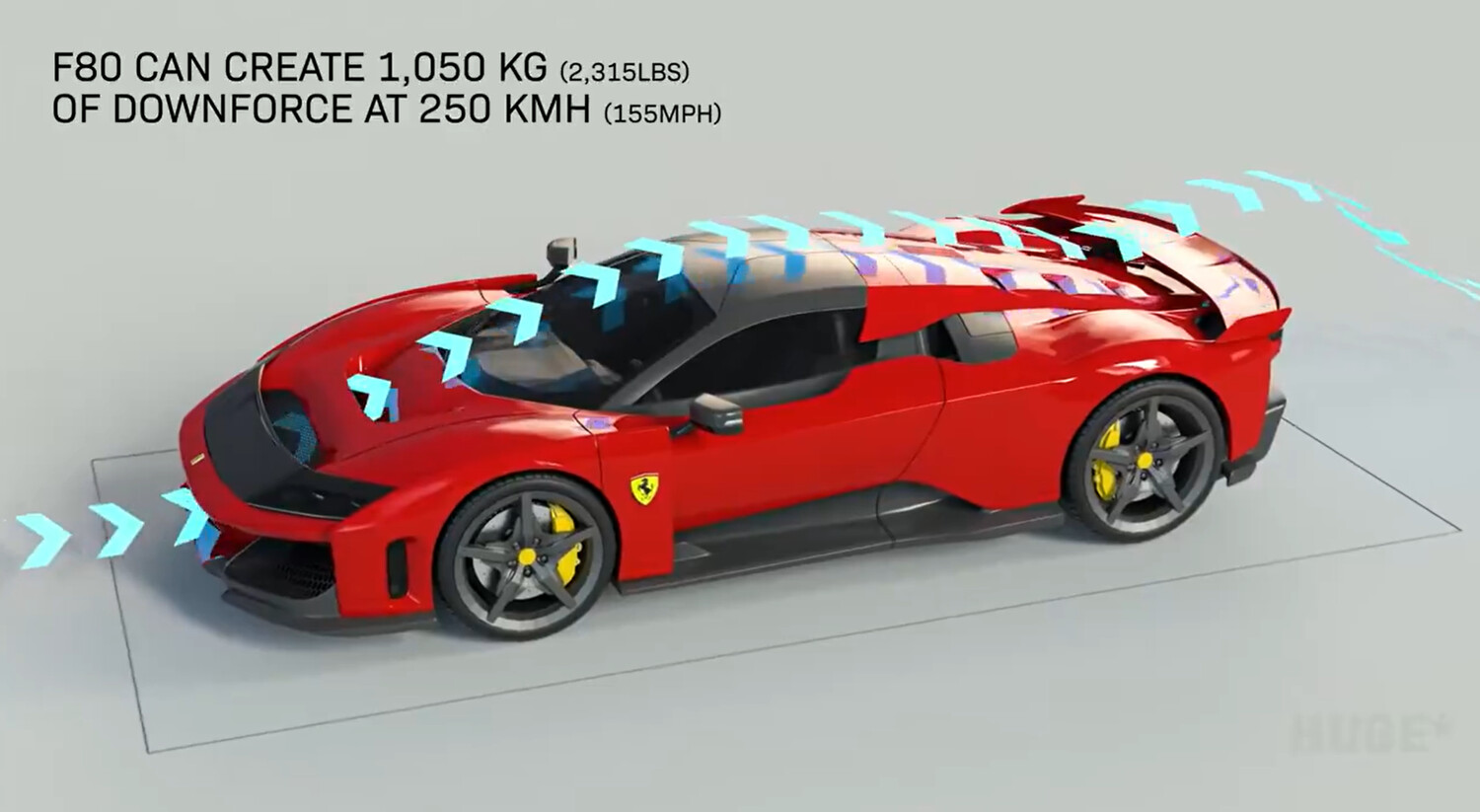
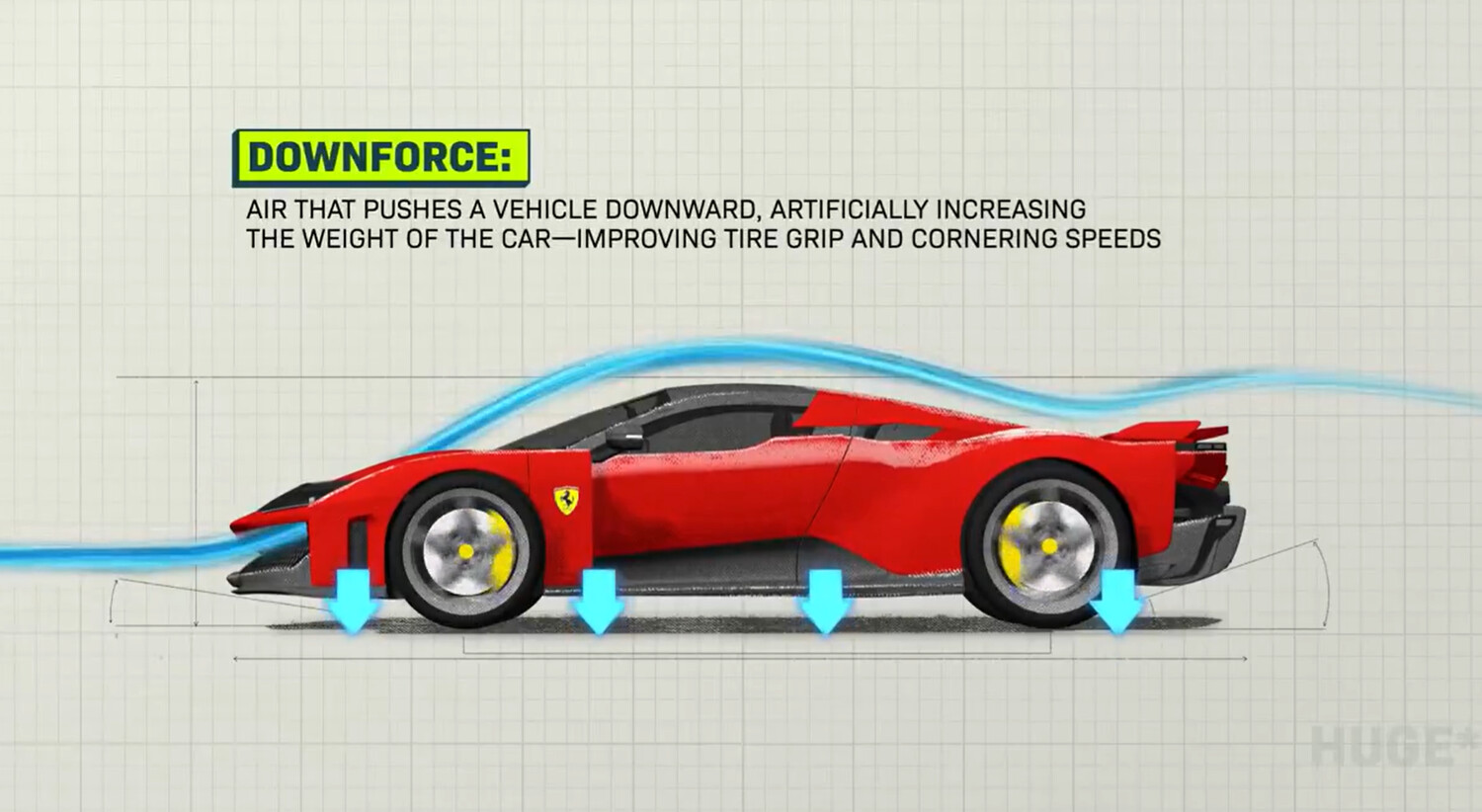
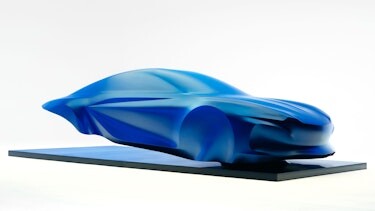
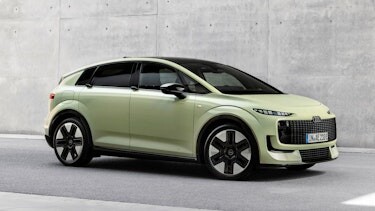
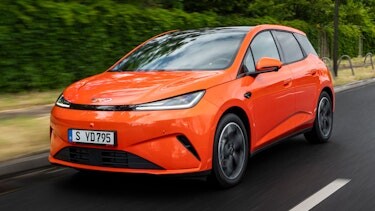
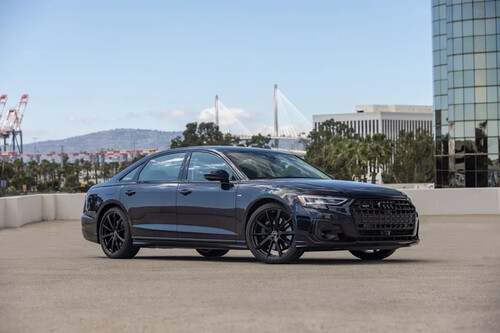
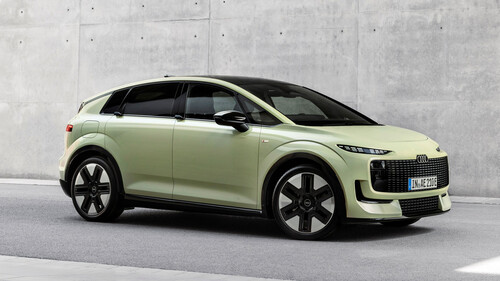
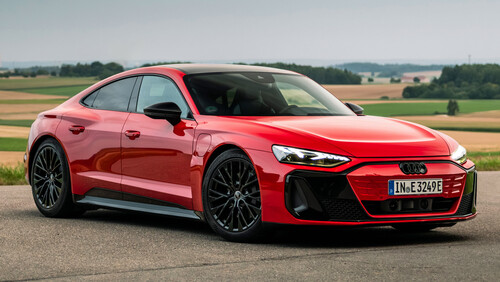
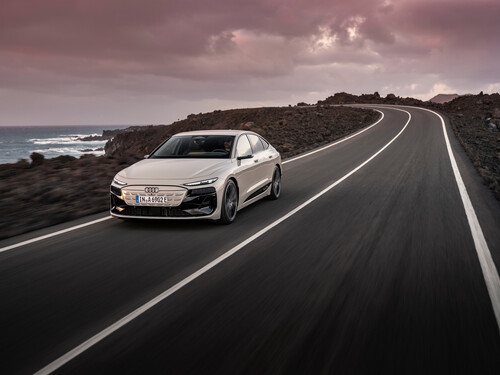
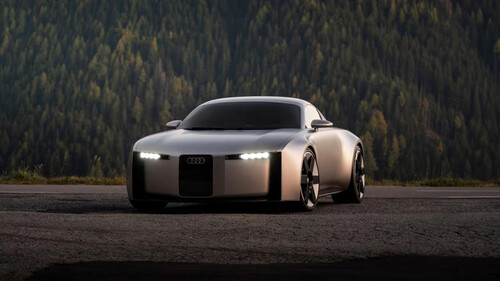
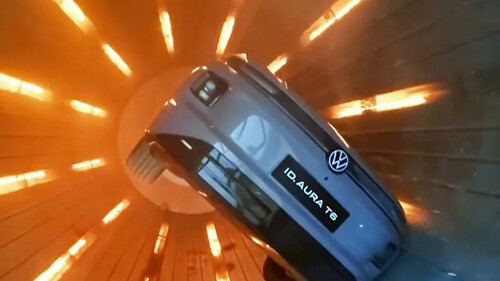
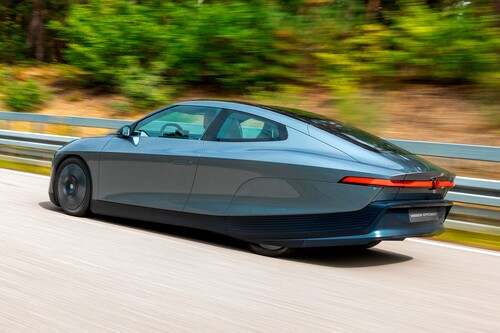
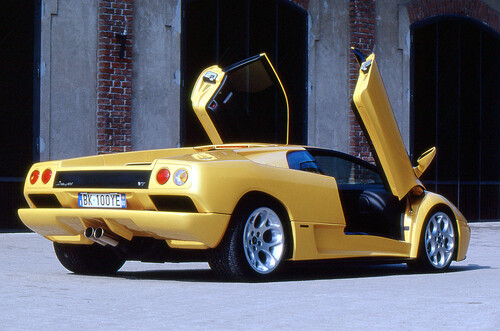
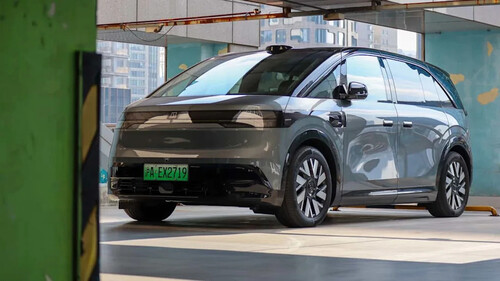
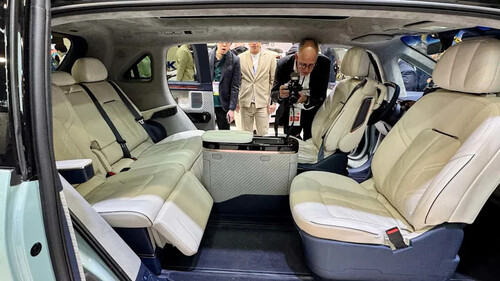
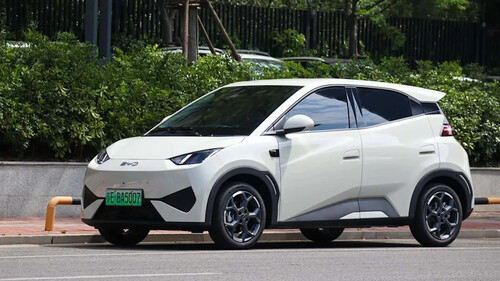
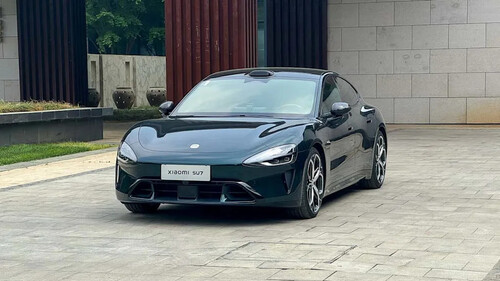
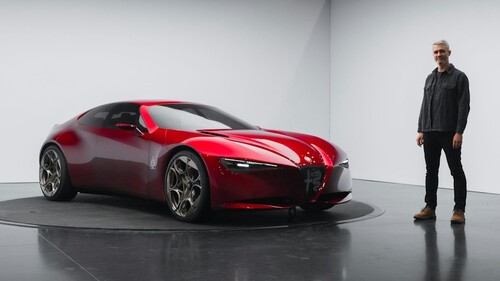
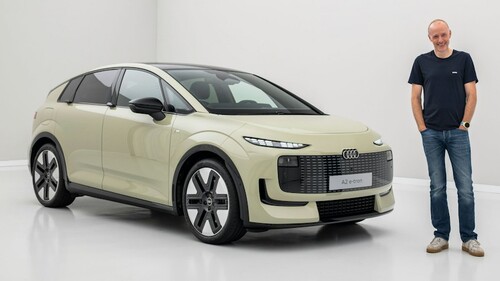
Ferrari Luce 4-door 5-seater liftback sedan. Credit: Ferrari/CNC Understand China EV’s Market Real-time notifications when critical EV data is released All important data in one place 2,000,000+ data points Become a member Ferrari unveiled the Luce liftback sedan on May 25 in Rome as its first fully electric production car. The four-door, five-seat EV was developed with input from former Apple design chief Jony Ive, and is priced from 550,000 euros (640,000 USD). It has more than 1,000 hp, four electric motors, a top speed of over 310 km/h, and a claimed battery range of more than 500 km. Deliveries are scheduled to begin in the fourth quarter of 2026. The reaction was immediate. Many said the Luce does not look like a Ferrari. On the Western internet, it was mocked as looking closer to much cheaper cars, including the Nissan Leaf and even the Fiat Multipla. Ferrari’s shares fell about 8% after the launch, suggesting investors are not convinced by the company’s first electric model. Did Ferrari lose their mind, or do they have a smart endgame? Enrico Galliera, Ferrari’s chief marketing and commercial officer, said during the launch event that “the key driver the carmaker is targeting is someone who already owns an electric car.” That makes the Luce unusual for Ferrari. As the company’s first EV, it is aimed not only at loyal Ferrari clients, but also at wealthy buyers already used to electric cars. This is a shift for a brand built heavily on loyalty: in 2025, Ferrari shipped 13,640 cars, and 81% went to existing owners. So, where do we find the wealthy buyers who are used to EVs? Ferrari was previously pretty open about expecting its first EV to help it regain lost market share in China, where ICE cars face rising regulatory hurdles, tariffs, and long registration times. For example, to get a licence plate in Shanghai, it can take 1-2 years if you are not lucky and do not win the lottery. Ferrari says it allocates only 10% of its production to China, yet its sales there have been declining continuously over the past few years. In 2022, it sold around 1500 cars in Mainland China, accounting for 11.7% sales. In 2025, it was down to only around 900 units, accounting for 6.9% of overall sales. Ferrari’s ICE cars face significant import duties there, including a 15% import tariff, a 40% consumption tax, a 10% ultra-luxury tax, and a 10% vehicle purchase tax, for a total of 75% on a car with a 4.0L engine. For example, the Ferrari F8 with a 4.0-litre twin-turbo V8 costs 104% more when sold domestically than in overseas markets. On the other hand, electric vehicles are exempt from consumption tax and can obtain a license plate almost immediately in large cities. China’s buyers still want status symbols, but those status symbols increasingly need to fit their surroundings. In Shanghai, a silent, tech-heavy EV may now feel more natural than a loud V12 supercar that draws attention every time it moves. Many Chinese brands are currently launching ultra-luxurious EVs amid rising demand. Huawei’s brand Maextro launched S800 with top trim priced at 1,018,000 yuan (150,000 USD). That would be twice as much when sold outside China. In April, S800 sold 1,147 units in China, up 46.5% from March, outselling Porsche and other rivals. Nio has its ET9 sedan with a price up to 818,000 yuan (120,000 USD), and BYD sells its supercar Yangwang U9 for 1.8 million yuan (265k USD) Ferrari’s target is obvious. But is Luce their ticket to win China back? If you think the backlash against the Luce design was harsh, you didn’t see the Chinese internet. I didn’t see so many creative ways to call something ugly in a while. People also joke that they thought it was a new Faraday Future, side profile looks like Li Auto i6, rear like Firefly EV from Nio, the front resembles China-only AUDI E5. The vibe is a car in the 200,000 yuan range. But here is something I think Ferrari did better than their other legacy automaker colleagues. They didn’t try to build an EV on the existing ICE vehicles’ technology; they built it from scratch, a dedicated EV with no connection to its legacy. And that is a great move for China, where legacy is seen rather as a burden. Volkswagen endured 5 years of declining sales and billions of dollars in losses before realising it. Do you remember the AUDI E5 I mentioned? It is the first car under the new AUDI brand, launched by the Volkswagen Group in China without the legacy four-ring logo. It is being built from scratch with Chinese partners. So the AUDI E5 is basically SAIC-made .. sorry, “co-developed with SAIC” and produced by SAIC-Volkswagen, “combining German design with cutting-edge Chinese EV technology.” It has assisted driving from the Chinese startup Momenta, with plenty of Chinese tech inside, and “Audi DNA” present mainly in marketing materials as a promise of good hardware built-in quality. I remember talking to my friend, a big Audi fan, who couldn’t comprehend how removing the iconic four rings and getting rid of the brand’s legacy would help Audi, and though I’m actually joking. Well, I was not. Welcome to China. And Ferrari clearly did their homework. “The problem is that we are living in an era where the nostalgic approach is very high. Everybody’s looking at the past, not the future”, said Ferrari Chief Designer Flavio Manzoni in an interview with Cleo Abram for HUGE* following Luce launch. “Normally, when we design another type of [ICE] Ferrari in terms of aerodynamics, the main objective is the downforce. The main objective for an EV is to minimise its drag coefficient. The parameters are totally different. The EV must be like a kind of solid object, very pure. The body side must be almost continuous, almost flat. Even the wheels must be flat,” Manzoni explains. For ICE supercars, downforce is particularly important. Credit: HUGE* The drag coefficient is particularly important for battery efficiency for driving at high speeds. Credit: HUGE* Ferrari, in the end, might actually know very well what they are doing. Trying to prepare the brand for the 21st-century reality. Former Ferrari chairman Luca di Montezemolo expressed his dissatisfaction with the Luce design in a viral video. When asked about the new Ferrari, he replied, clearly annoyed, “At least the Chinese will not copy this one.” But the real question here is: Will the Chinese buy this one? Because wealthy Chinese will decide the fate of Luce, not the current Ferrari owners. No related articles available.