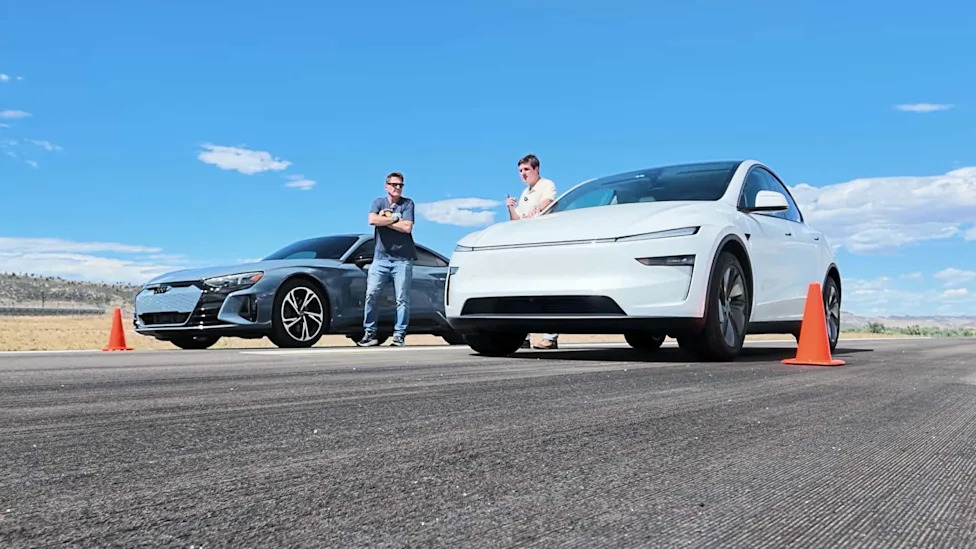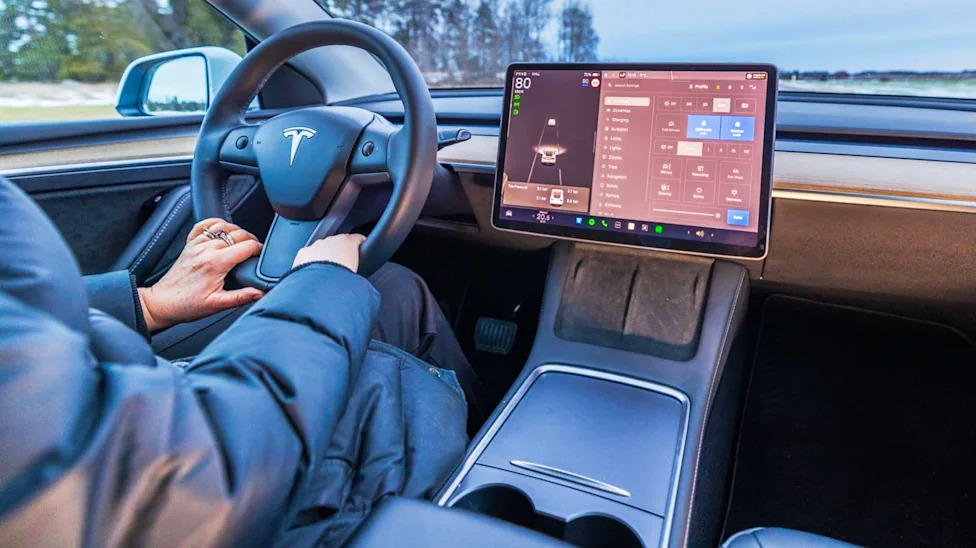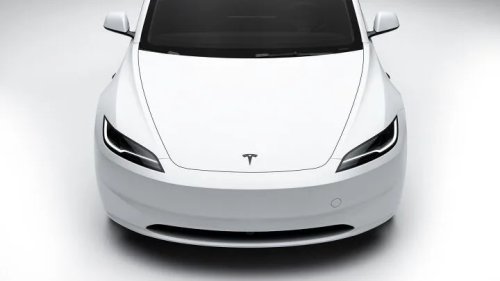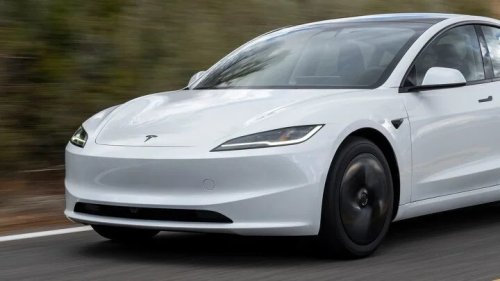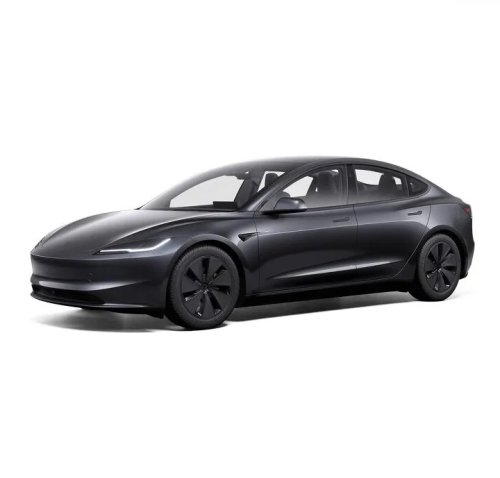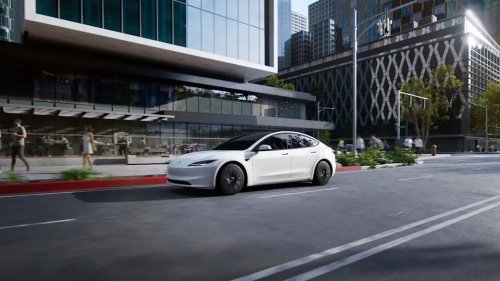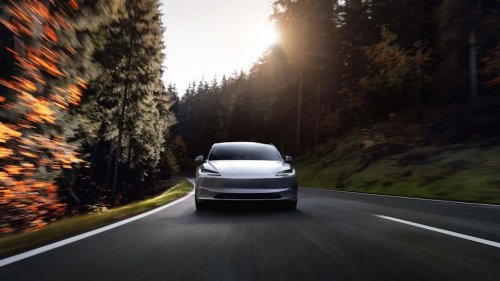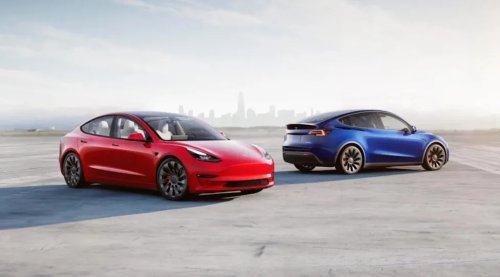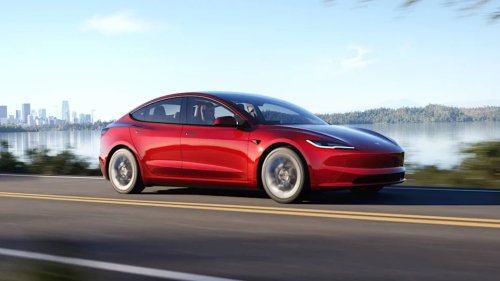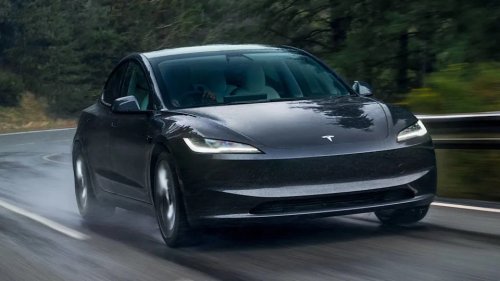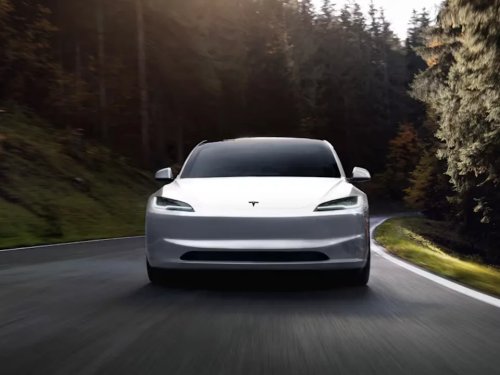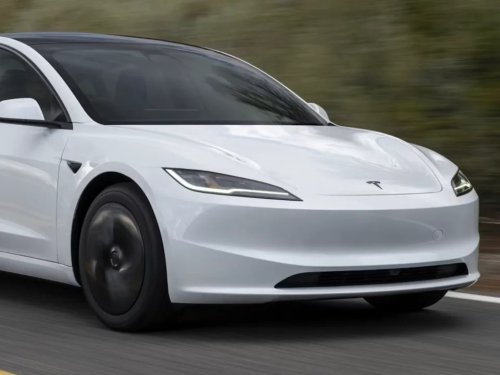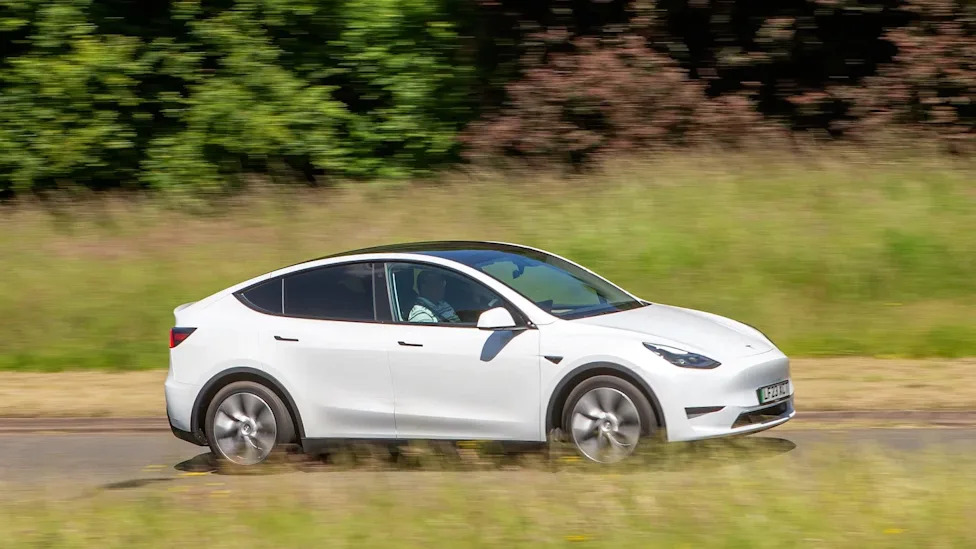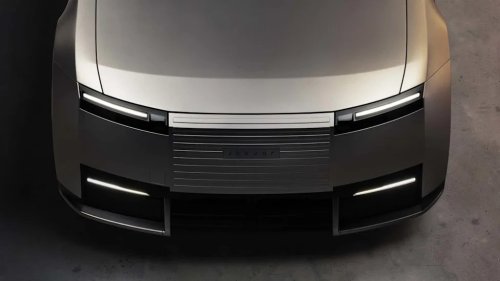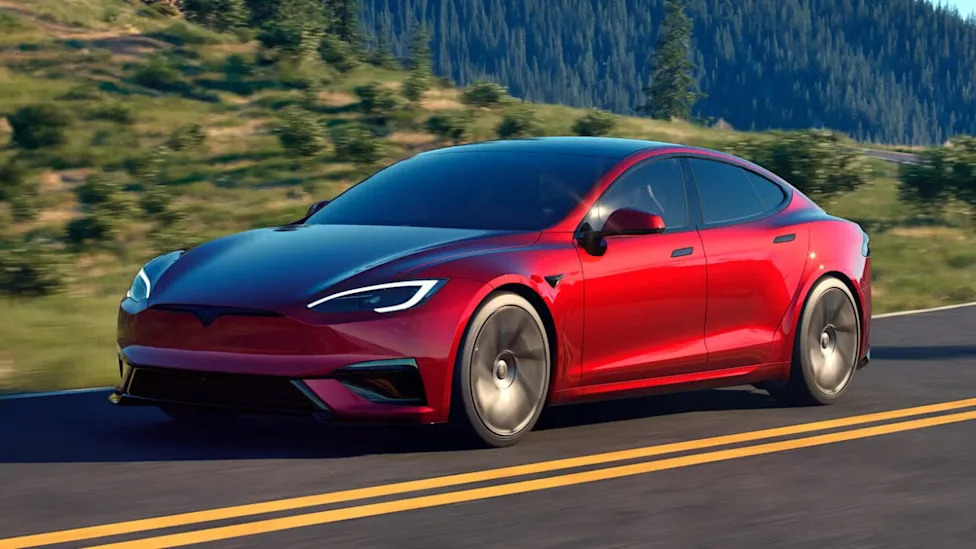
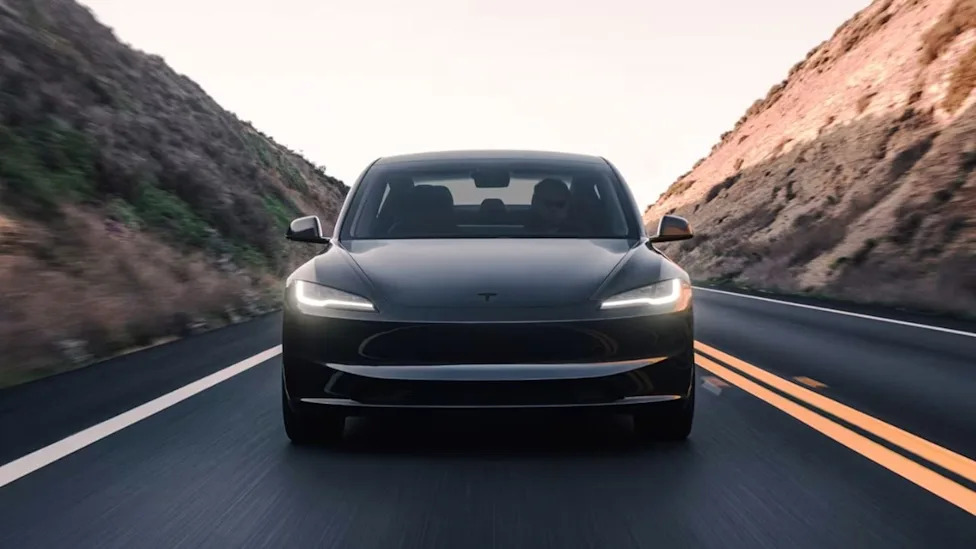
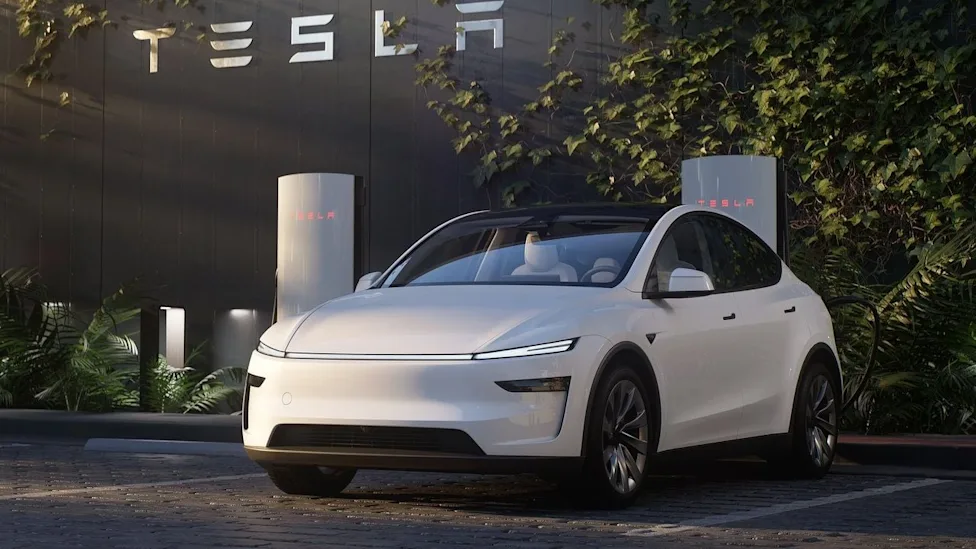






Image Credit: Tesla.Tesla tried to avoid recall notification and repair requirements for nearly 20,000 Model 3 and Model Y vehicles equipped with headlights that exceeded federal brightness limits. The automaker argued that the noncompliance was "inconsequential" to motor-vehicle safety, but federal regulators have now rejected that claim.The National Highway Traffic Safety Administration denied Tesla's petition involving approximately 19,917 vehicles, including 2017-2023 Model 3s and 2020-2023 Model Ys. Tesla itself reported that some affected low beams could produce as much as 230.1 candela in a regulated test zone where the federal maximum is 125 candela.Tesla maintained that the excessive light was directed into areas outside the natural line of sight of drivers and other road users. The company also said its testing indicated the headlights would not create meaningful glare or distraction, and noted that it was unaware of related crashes or injuries.AdvertisementAdvertisementNHTSA was not convinced, particularly because real-world driving involves changing road angles and weather conditions that can scatter excessive light. The agency concluded that Tesla had not demonstrated that the noncompliant headlights posed no increased risk of glare, meaning the company cannot simply treat the issue as insignificant.Tesla Said the Extra Light Was Pointed Away From DriversPhoto Courtesy: Tesla.Tesla's argument focused heavily on where the excess light was being projected. According to the company, the affected portion of the beam was positioned high and away from the roadway, theoretically keeping it outside the normal field of vision of both the Tesla driver and surrounding motorists.The automaker conducted additional testing using procedures associated with adaptive driving beam standards and argued that its vehicles remained within applicable maximum illumination values during those tests. Tesla therefore maintained that the technical noncompliance did not translate into a meaningful real-world safety risk.Tesla also pointed out that it had not identified complaints, crashes, or injuries linked specifically to the issue before the petition process. NHTSA responded that an absence of formal complaints does not prove that drivers have never experienced a safety problem or that one could not occur in the future.NHTSA Says Glare Is Still a Real ConcernThe regulator took issue with Tesla's conclusion that the affected lighting could not increase glare under any driving condition. NHTSA noted that the federal brightness limit exists partly to reduce glare and "veiling glare," which can interfere with visibility even when the brightest part of a beam is not pointed directly into another driver's eyes.AdvertisementAdvertisementWeather was one of the agency's major concerns. Rain, snow, and fog can scatter or reflect light in ways that potentially expose drivers and nearby road users to glare from lamps that exceed permitted intensity levels.That means a headlight beam that appears harmless under ideal laboratory or straight-road conditions may behave differently in the real world. NHTSA determined that Tesla had not provided sufficient evidence showing the excessive output could not create those problems.The Headlights Were Significantly Over the Federal LimitImage Credit: Tesla.Under the relevant portion of Federal Motor Vehicle Safety Standard No. 108, the maximum allowed intensity in the affected low-beam test zone is 125 candela. Tesla's testing found some right-side lamps reaching 230.1 candela, while tested left-side units also exceeded the standard in certain cases.That does not mean the entire low-beam pattern was almost twice as bright as legally permitted, since the violation applies to a specific photometric zone. Still, the measurements were high enough to put the headlights outside federal requirements, which Tesla acknowledged when it filed its original noncompliance report in March 2024.Tesla Isn't the First Automaker to Make This ArgumentTesla also tried to distinguish its case from a previous General Motors petition involving noncompliant headlights. The EV maker argued that the excessive intensity of its lamps was lower than the figures involved in GM's case and that its own testing better demonstrated a lack of glare risk.AdvertisementAdvertisementNHTSA ultimately found the situations sufficiently similar to reject Tesla's reasoning. The agency emphasized that each petition is considered on its individual facts, but concluded Tesla had failed to establish that its particular lighting violation was inconsequential to safety.The decision does not mean every Model 3 or Model Y has dangerously bright headlights, nor does it establish that the affected lamps have caused crashes. It does mean federal regulators disagree with Tesla's position that exceeding the legal light-output limit in these vehicles can safely be ignored, forcing the automaker to address a problem it had argued did not warrant a conventional recall remedy.If you want more stories like this, follow Guessing Headlights on Yahoo so you don't miss what's coming next.