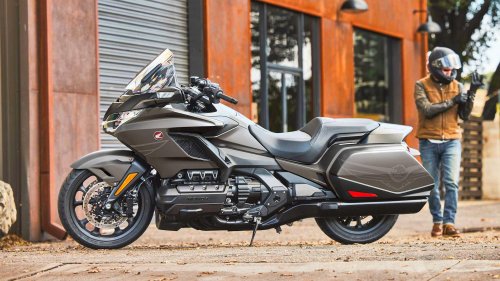
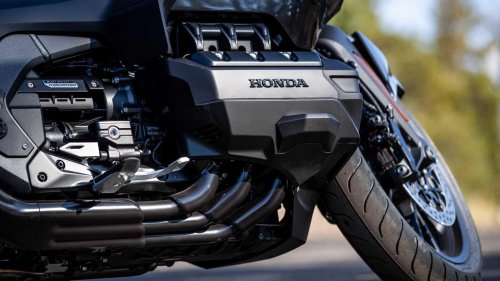

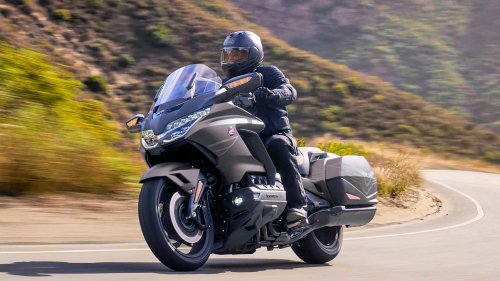
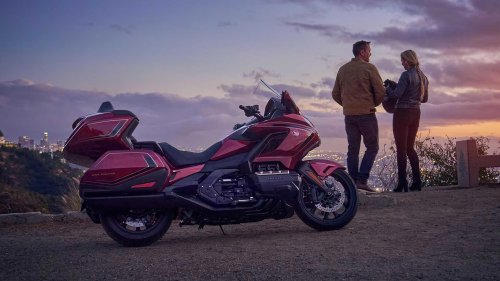
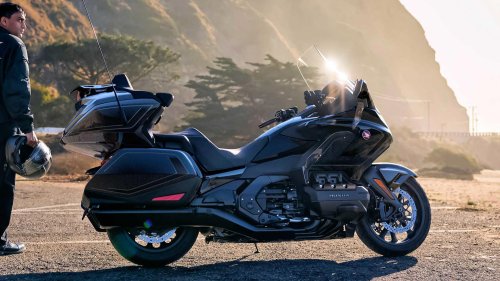
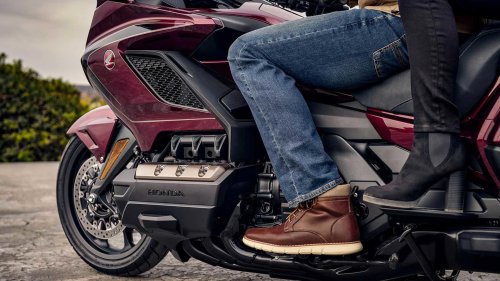
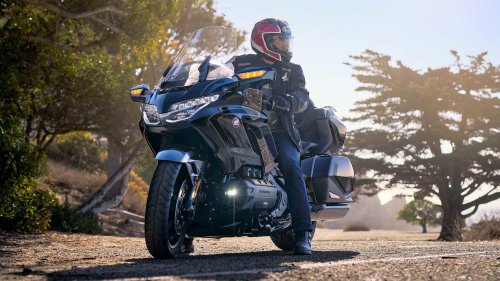
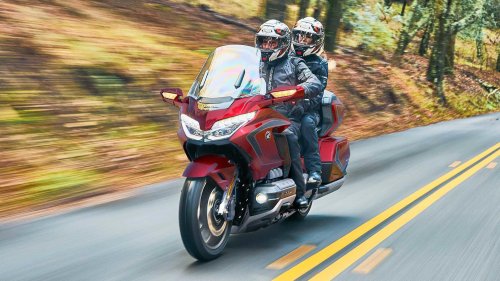



















Modern motorcycle engines are, in many ways, engineering marvels. Ride-by-wire throttles, multiple riding modes, advanced cooling systems, emissions tech layered over performance goals — it’s all impressive. But it also means engines today are more complex than ever. More sensors, more software, more systems working together behind the scenes.And while that complexity often delivers incredible performance, it doesn’t always translate into long-term peace of mind. That’s where certain motorcycle engines stand apart. Not because they’re the most powerful or the most advanced, but because they feel sorted. Calm, predictable, and built to do their job without fuss, day after day, mile after mile. What Makes An Engine “Bulletproof”? Harley-Davidson“Bulletproof” is one of those terms that gets thrown around a lot in motorcycling circles. In reality, however, it doesn’t necessarily mean indestructible. No engine is. What it really means is consistency. An engine that starts every time, runs smoothly, doesn’t overheat in traffic, doesn’t vibrate itself loose, and doesn’t demand constant attention. For touring riders, especially, those qualities matter more than outright performance. When you’re covering hundreds of miles in a day, what you want is predictability. Smooth throttle response, manageable heat, and an engine that feels just as composed at the end of the day as it did at the start. More Than Just Not Breaking Down Harley-DavidsonThere’s a difference between an engine that survives and one that thrives over time. Longevity isn’t just about using heavy-duty components — it’s about reducing stress across the board. That’s where smoothness comes in. Less vibration means fewer things loosening over time. Less internal stress means components wear more gradually. On a touring bike, this translates into a machine that ages gracefully rather than one that slowly feels rougher with every mile.And touring riders notice this more than anyone else. A quick 30-mile ride won’t reveal much. But after 300 miles? That’s when the character of an engine really shows. Is it still smooth? Still calm? Still easy to live with? There’s one engine that has answers to all these questions. The Honda Gold Wing’s Flat-Six Is The Heart Of The Story HondaThe Honda Gold Wing is a legend in its own right, having appealed to a wide consumer base despite its niche, lifestyle-oriented approach. At the center of the Gold Wing’s appeal is its 1,833cc liquid-cooled, horizontally opposed six-cylinder engine. It’s an unusual configuration in the motorcycle world, and that’s exactly why it works so well here.Honda didn’t build this engine to chase performance headlines. It was built as the foundation of the entire motorcycle — comfort, stability, usability. Depending on the variant, this engine is paired with either a traditional six-speed manual gearbox or a seven-speed automatic Dual-Clutch Transmission (DCT). With the latter, the focus shifts firmly toward ease of use. 1,833cc Of Liquid-Cooled Refinement HondaThe flat-six layout — cylinders arranged horizontally on either side — gives the engine its defining character. It naturally balances itself, which is a big reason why it feels so smooth. There’s another advantage: a low center of gravity. Because the engine sits low in the chassis, the bike feels more planted, especially at low speeds. That matters more than you might think on a motorcycle that weighs well over 800 pounds. It’s the difference between feeling intimidated and feeling in control.It also helps at highway speeds. The bike tracks straight, stays stable, and resists the kind of wobble or top-heaviness that can creep into larger machines. And then there’s the packaging. Despite its size, the engine is compact in the ways that matter, helping the Gold Wing feel smaller than it actually is once you’re moving. Smooth Torque Delivery Matters More Than Hype HondaOn paper, peak horsepower is easy to brag about. In reality, torque delivery is what makes a touring engine enjoyable. The Gold Wing’s flat-six delivers its power in a broad, linear way. There’s no sudden surge, no need to chase revs. Just steady, predictable acceleration. That matters when you’re riding two-up with luggage. It matters when you’re overtaking on a highway. And it matters when you’re tired at the end of a long day and just want the bike to respond exactly the way you expect. Over time, that contributes to the engine’s reputation for durability. It’s not being pushed to extremes. It’s operating in its comfort zone most of the time. Why A Flat-Six Feels Different From A V-Twin Or Inline-Four HondaIf you’ve spent time on different engine types, the Gold Wing’s flat-six stands out immediately. A V-twin surely has character, but it pulses. You feel every firing stroke. An inline-four is smoother, but it often comes alive higher up in the rev range. The flat-six is different. It doesn’t demand attention, and yet it just works. Power delivery is seamless. There’s almost no vibration to speak of. The engine feels like it’s gliding rather than spinning. And on a long ride, that makes a massive difference. Less buzz through the bars, less fatigue, less mental load. Built For Real Roads, Not Spec Sheet Theater HondaThe Gold Wing has never been about chasing big horsepower numbers or aggressive performance claims. Honda’s approach has always been more grounded. The 2018 redesign of the Gold Wing is a good example. Instead of just adding more power, Honda focused on reducing weight, improving handling, and refining the overall riding experience. The result was a bike that felt more agile, more responsive, and easier to live with. That philosophy carries through to the engine. It’s tuned for real-world use. Rolling on the throttle at highway speeds. Climbing a long incline with a passenger. Navigating traffic without overheating or becoming jerky. It’s not trying to be dramatic, and that’s exactly the point. A Game-Changing Transmission As A Sidekick HondaThe engine may be the star, but the transmission plays a huge supporting role, especially in the Gold Wing Tour DCT, which starts at a base price of $30,500 in the U.S. Honda’s Dual-Clutch Transmission has been around for years, but in this application, it feels particularly well-suited. It takes the already smooth nature of the flat-six and makes the entire riding experience even more effortless. Why The DCT Makes Sense Here HondaOn a big touring bike, constant clutch work can get tiring. The DCT removes that burden entirely. It shifts smoothly, almost imperceptibly. You can let it handle everything automatically or take control with paddle shifters if you want a bit more involvement. The seven-speed setup also includes an overdrive top gear, which keeps engine revs low at highway speeds. That translates into quieter cruising, better fuel efficiency, and less wear over time. For many riders, especially those new to touring, it makes the Gold Wing feel far less intimidating. Walking Mode And Low-Speed Confidence HondaThen there’s Walking Mode, which might be one of the most underrated features on the bike. It allows the motorcycle to move forward or backward at a controlled pace using the engine. On a machine this heavy, that’s a game changer. Parking lots, sloped driveways, tight spaces — these are the moments where big touring bikes can feel awkward. Walking Mode turns those situations into something manageable. The Engine Sits In A Unique Chassis HondaAn engine doesn’t exist in isolation. Its layout affects the entire motorcycle, and in the Gold Wing’s case, that influence is significant. The flat-six’s low placement contributes to the bike’s balanced feel, but Honda takes it further with a double-wishbone front suspension setup. This separates steering and suspension forces, reducing dive under braking and improving overall stability. At the rear, the Pro-Arm single-sided swingarm and Pro-Link suspension system keep things composed, even under load. The result is a chassis that complements the engine perfectly. Stable, predictable, and surprisingly manageable for its size. Everything works together. Why Riders Still Trust This Engine HondaReputation isn’t built overnight, and the Gold Wing’s flat-six has earned its place through decades of real-world use. Riders trust it because it feels dependable. Not just in the sense that it won’t break down, but in the way it behaves every single day. It starts cleanly, runs smoothly, and more importantly, doesn’t throw surprises your way. There’s a certain honesty to it. No unnecessary drama, no overcomplication, no feeling that the engine is constantly working at its limit.And in a world where motorcycles are becoming more complex, that kind of simplicity, paired with genuine engineering depth, is rare. The flat-six in the Honda Gold Wing isn’t just an engine. It’s the reason the bike feels the way it does. Calm, capable, and quietly confident. That’s why people keep talking about it. Not because it’s flashy, but because it just keeps getting the job done — mile after mile, year after year.