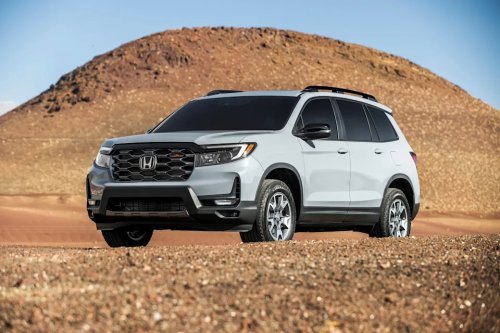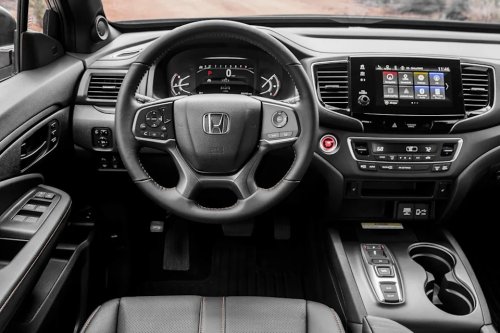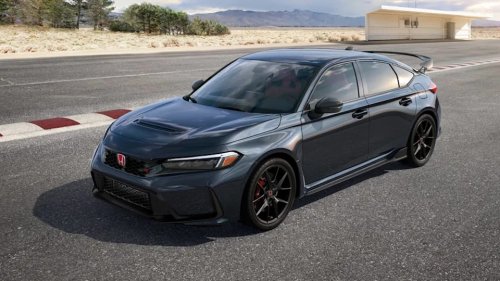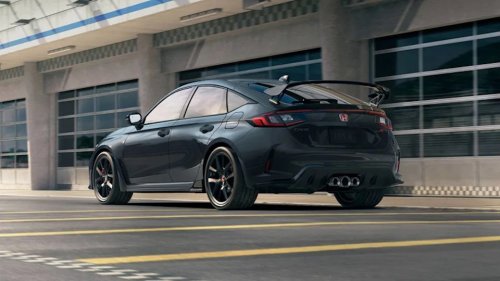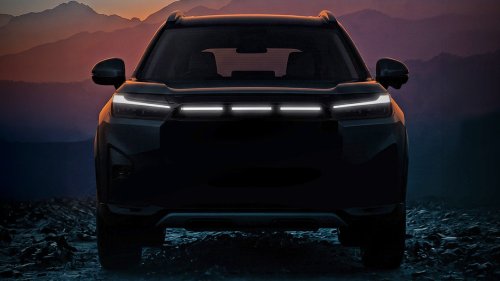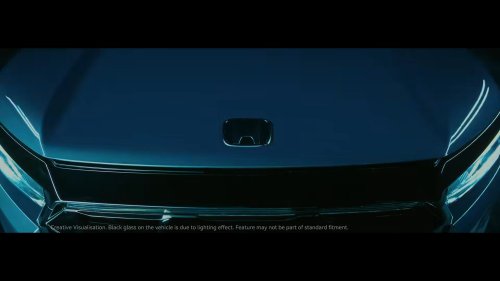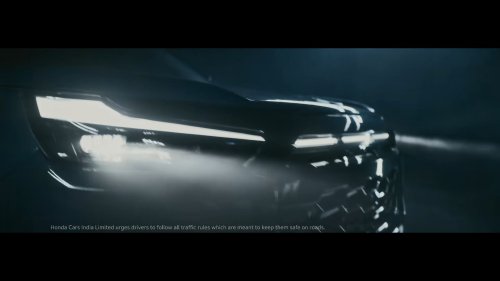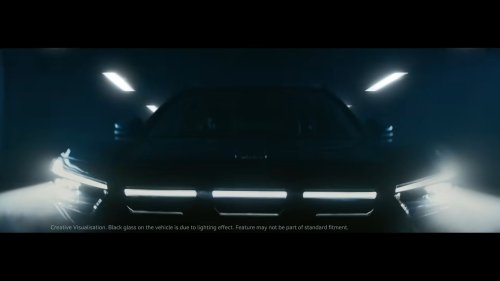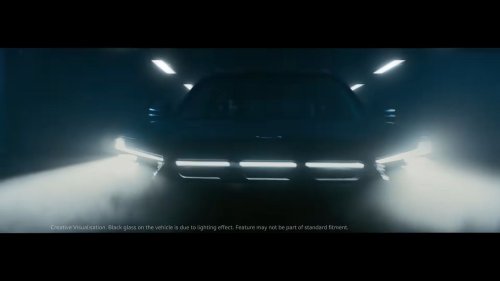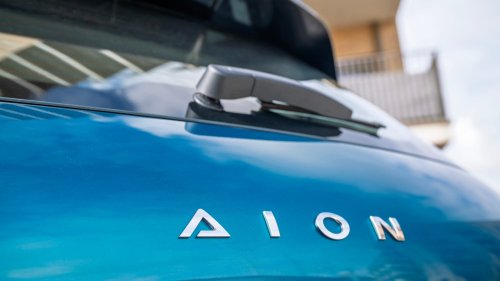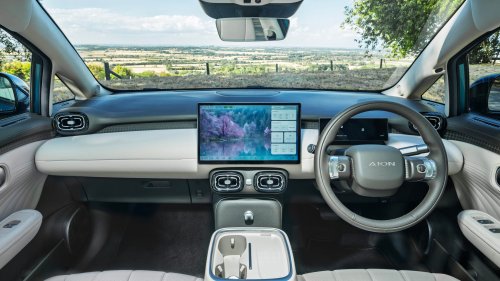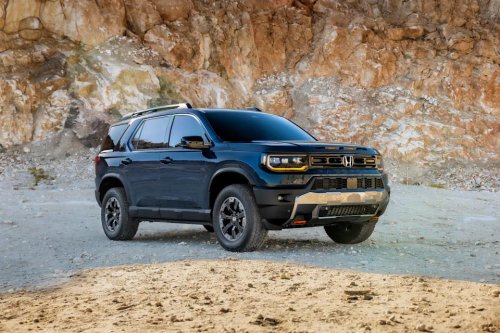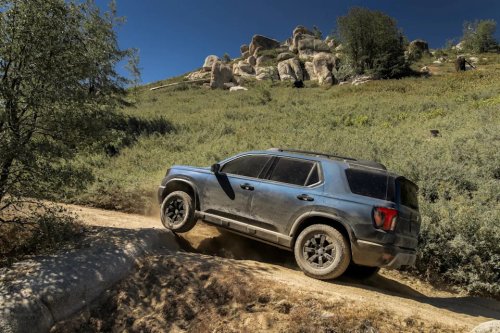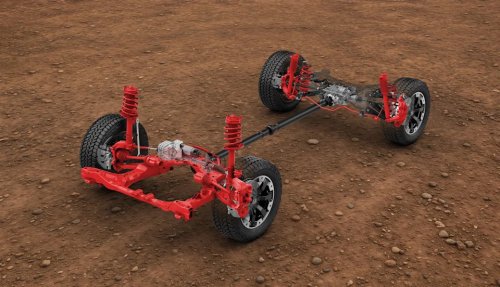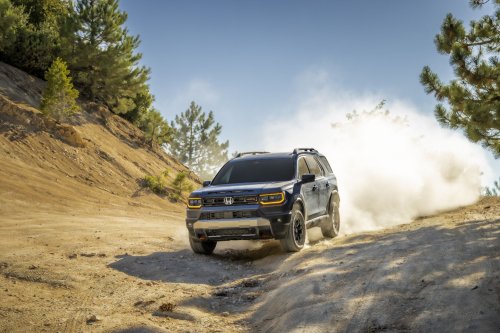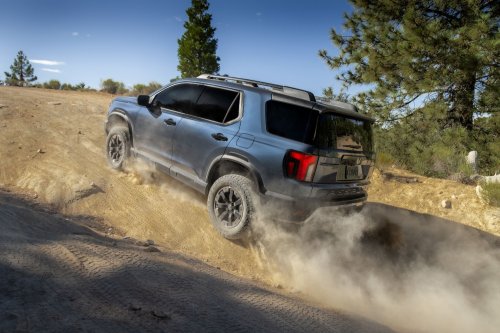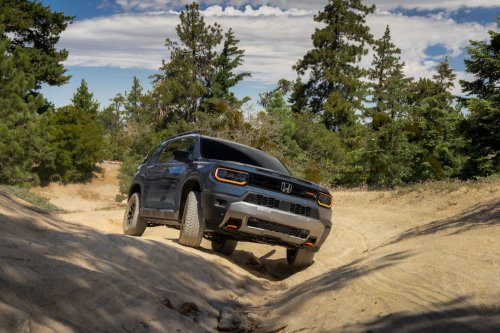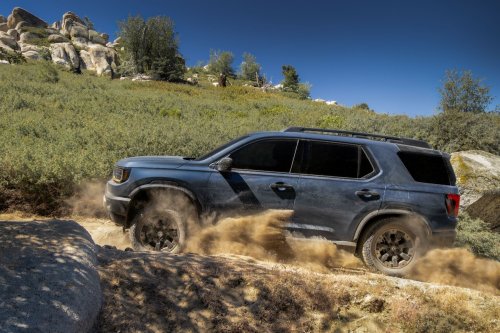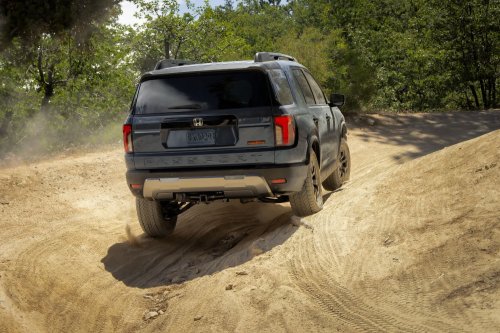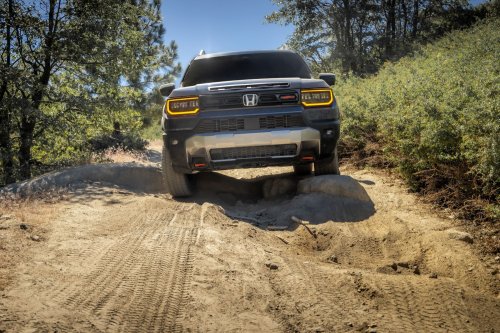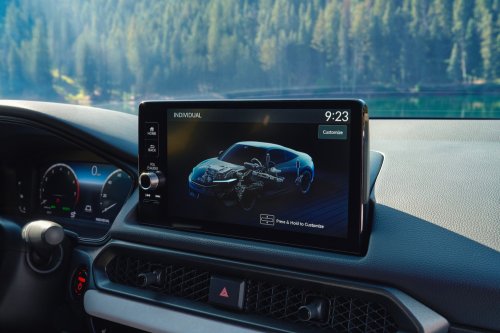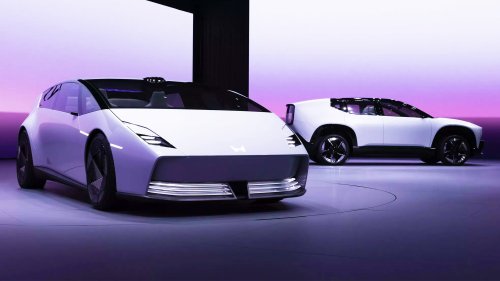
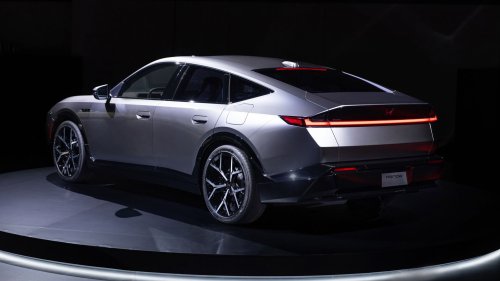
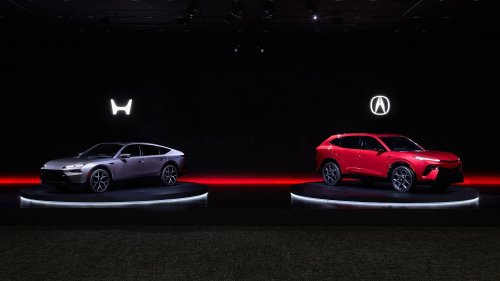
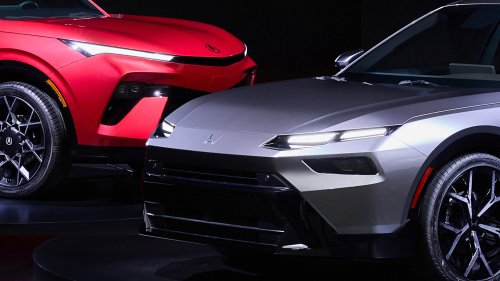
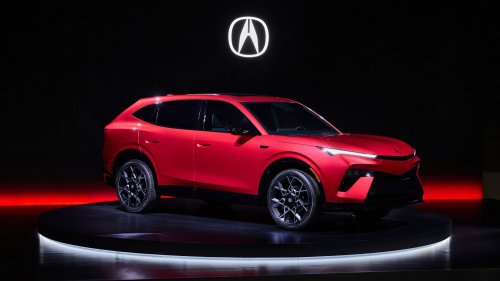
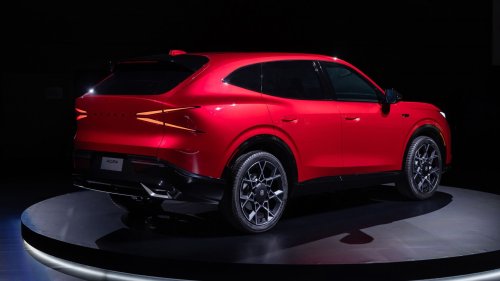





















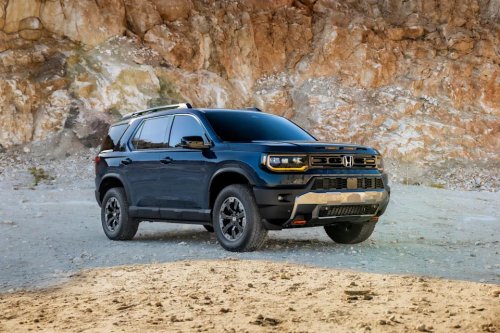
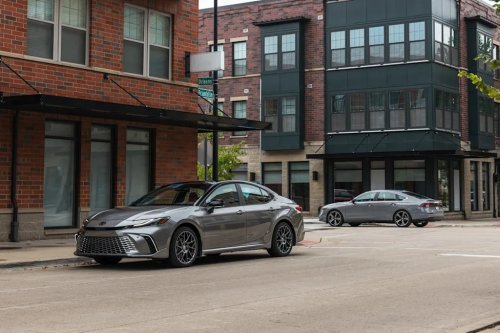
Honda is developing a new platform that can adapt to EV and hybrid powertrains. Despite recent U-turn, Honda still expects EVs to be more important after 2030. New architecture additional to hybrid one revealed this month, Auto News reports. Honda may have bonfired its original North American EV strategy, but it hasn’t stopped believing electric cars matter. Instead, the company’s preparing a different kind of future that gives it a bit more wriggle room if things don’t go to plan. Fresh from writing off $15.7 billion in EV investment over the scrapped 0 Series North American EV program, the Japanese automaker is developing a next-generation electric vehicle platform. But this one will be capable of supporting both hybrid and fully electric powertrains, Automotive News reports. Related: Acura Is Going All-In On Hybrids, Honda Is Keeping Gas Cars Affordable That flexibility is a key attribute, and signals a major shift in how Honda views the industry’s transition toward electrification. Rather than locking itself into a single solution, Honda wants options. After changing market conditions, weakening policy support from the US government, and mounting political uncertainty, the company now appears far more cautious about committing exclusively to fully-electric vehicles. That doesn’t mean Honda thinks EVs are dead. Far from it, actually. Company president Toshihiro Mibe reportedly said Honda still expects electric adoption to accelerate after 2030, even if hybrid demand remains stronger than previously predicted throughout the remainder of this decade. “The market could change depending on the Trump administration over the next two and a half years and the outcome of the November midterm elections,” Mibe said, according to Auto News. “We are studying systems and next-generation EV concepts that would work no matter which way things evolve.” Series 0 Too Inflexible That philosophy explains why Honda’s future platform needs to handle multiple powertrain types, rather than just fully electric, as the Series 0 sedan and SUV (above) would have done. The company reportedly believes the balance between hybrids and EVs could continue shifting depending on regulations, incentives, charging infrastructure, and trade policies. A flexible architecture would allow Honda to react far quicker than manufacturers tied to expensive EV-only platforms. In the short term, Honda’s strategy focuses on hybrids, and not EVs at all. The automaker recently revealed plans to launch 15 hybrid models by 2029 on a platform that’s different from the combined EV/hybrid one revealed this week. And it has mapped slightly different courses for Honda and Acura. The premium brand will push hybrids to its customers, while Honda will offer ICE and hybrid options to attract more cost-conscious buyers.The report also says Honda will wait to learn the outcome of trade negotiations between the US, Canada, and Mexico before deciding whether to reactivate its plans for an EV production hub in Canada, which it put on hold earlier in May. Honda