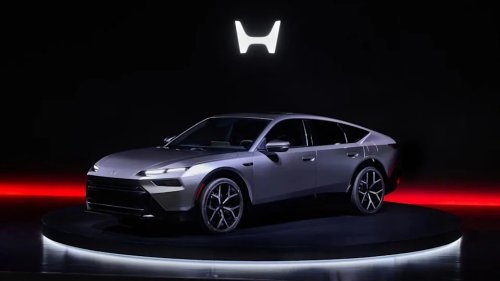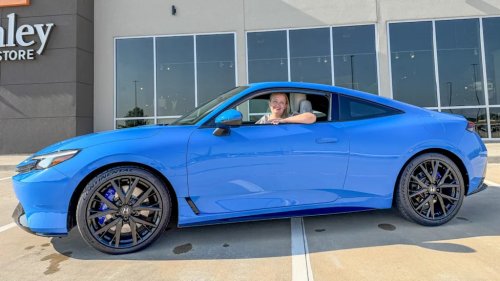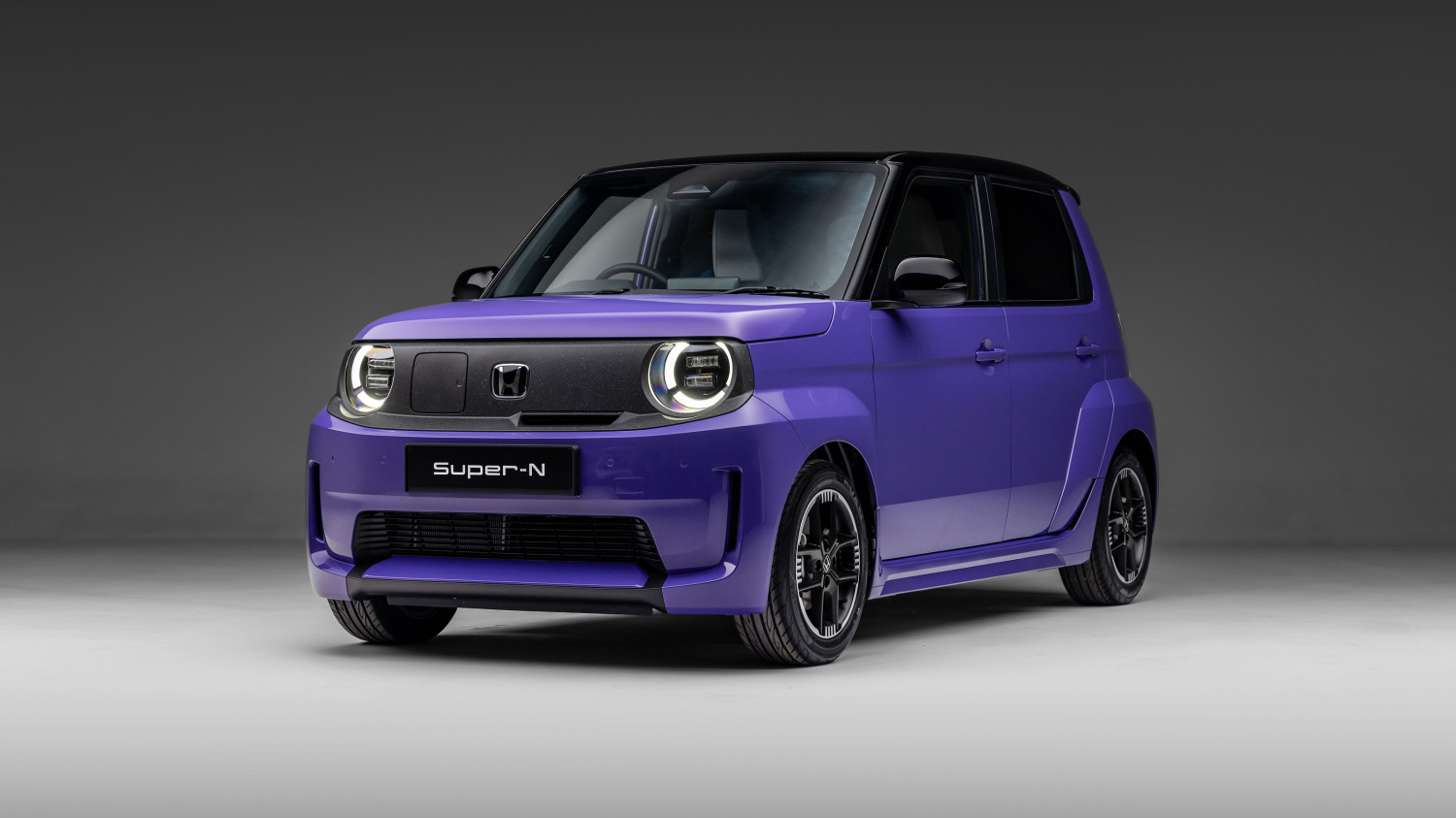
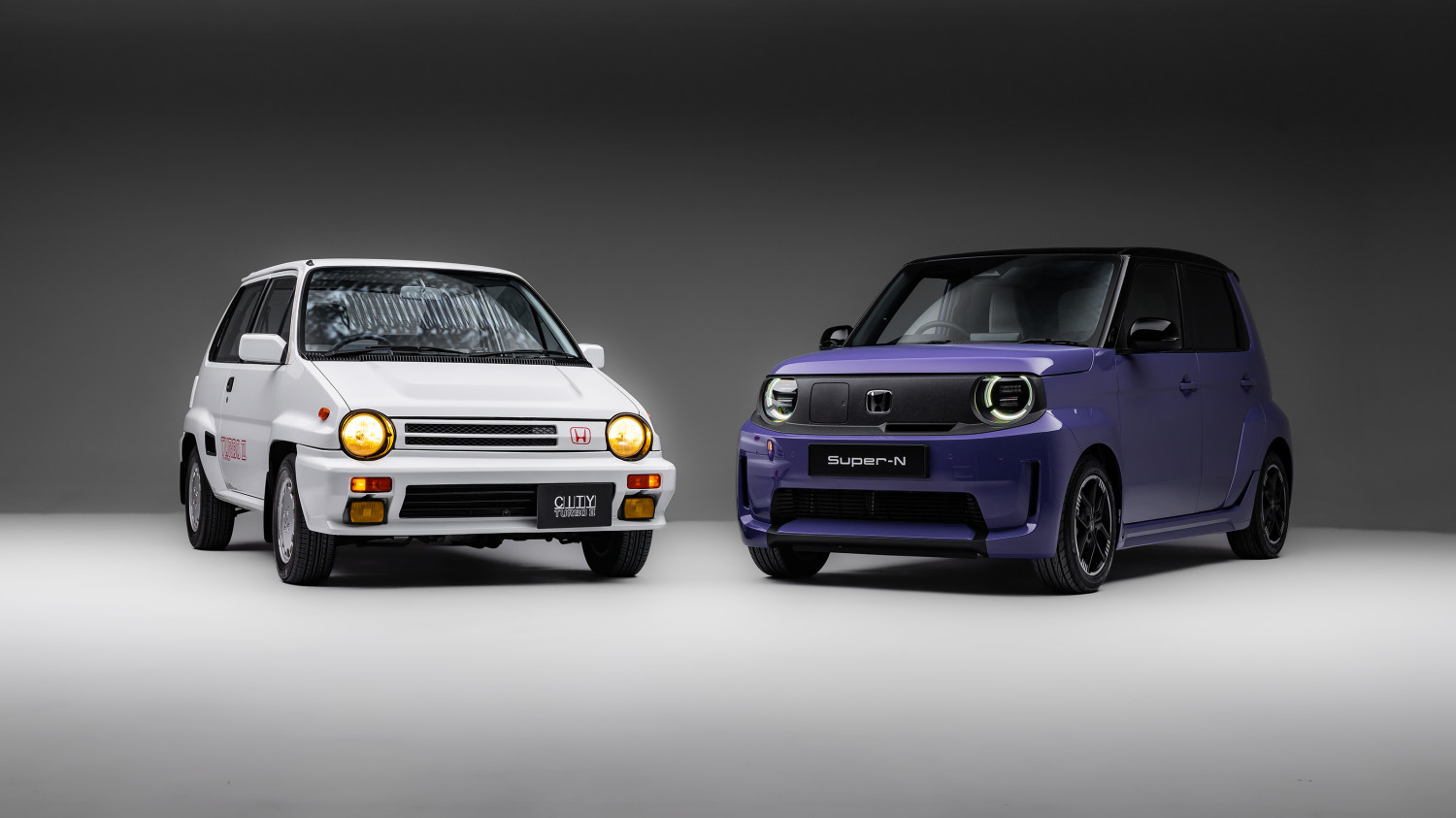
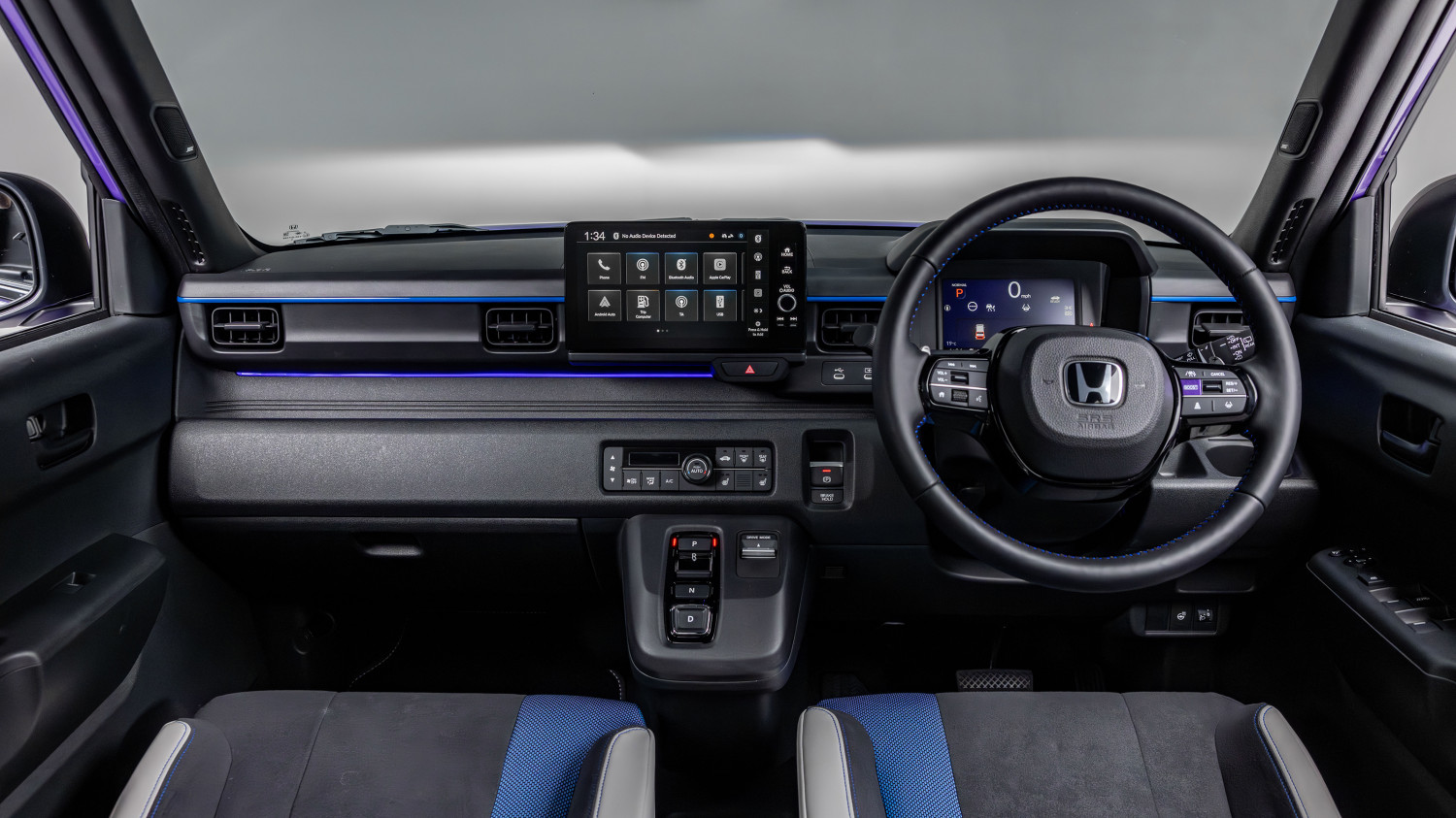



















19Auto Express has learned that the new Honda Super-N will start from just £18,995 when it hits showrooms in July, which will make the funky little electric car one of the cheapest cars on sale. That price tag will certainly help the Super-N in its mission to shake up the small EV market, as it significantly undercuts the popular Renault 5 and Hyundai Inster – although you can save more than £4,000 on both with the help of the Auto Express Buy A Car service. The closest competitors, in terms of price, will be Chinese models such as the BYD Dolphin Surf, which currently starts from £18,675. The Renault Twingo due on sale later this year and the Kia EV1 arriving in 2028 should also cost about the same as the pocket-sized Honda. Revealed at the Japan Mobility Show in October last year, the Super-N is based on the Japanese-market N-One e – an electric version of the brand’s popular kei car. Honda claims to have made substantial changes under the skin to the UK-specification model that will position it as not just an efficient city car, but one that’s fun to drive, too. The Super-N is, in effect, the successor to the ill-fated Honda e that was hampered by its limited range and the fact that by the end of its life it cost more than £37,000. The brand clearly learned a few lessons from its first EV, though, with its latest offering about half the price. While its flared wheelarches and chunky bumpers make the Super-N look like some kind of pocket rocket, 0-62mph takes a rather leisurely 14.5 seconds. That’s three seconds slower than the bigger Fiat Grande Panda EV, while the entry-level Renault 5 will have it done in only nine seconds. That will be because the “compact and efficient” e-axle which drives the Honda’s front wheels only delivers up to 95bhp and 162Nm of torque. However, we’ve been told it features a clever ‘Boost’ mode that should make the little EV lots of fun to drive. As well as sharpening the throttle response and upping performance, the Boost setting introduces Hyundai Ioniq 5 N-like fake engine noises, while also simulating a seven-speed transmission. These settings are activated by a small switch on the steering wheel, and there are paddles attached to ‘virtually’ swap gears as you drive along. 19Honda says the Super-N will “offer the freedom to enjoy the daily commute and exciting adventures outside of the city”, although its 29.6kWh battery only provides a range of up to 128 miles, which might limit those so-called adventures somewhat. The maker says the car’s ‘city mode’ can increase range to 199 miles. Meanwhile, with a maximum charging speed of only 50kW, a 15 to 80 per cent top-up will take half an hour. It takes about the same time to recharge as the new Twingo, although the latter’s 27.5kWh battery promises more than 160 miles of range. The baby Honda’s kei-car origins mean there are limitations when it comes to both interior space and electric range. However, Honda is keen to emphasise the Super-N’s character, which takes the cute and compact N-One as a base, and gives it a chunky, aggressive new look. The Super-N’s key changes start with a wider chassis and larger wheels and tyres. As well as helping the handling, these elements endow the model with an aggressive design. The nose takes some inspiration from the Honda e, but its friendly face has been replaced with a more aggressive look, thanks to new LED headlights and front air intakes. Its charging point is located on the nose, rather than on the bonnet. There’s more style-led embellishment at the rear, but the car’s practical nature hasn’t been forgotten, thanks to an extremely low bootlid that will make loading easy. The square rear lights and basic shape remain faithful to the Japanese-market model. Honda says Super-N customers will be able to choose from a “wide range of exterior colours and customisation options, each created to create that personal touch”. Included in these options are a two-tone paint job, plus “distinctive” body graphics. 19Inside, the Super-N’s origins are clear, with a simple and space-efficient design. The upper dashboard has been taken straight from the Japanese model, but this is good news because kei cars are extraordinarily roomy. The design is very lean and straightforward, with two small displays: one handling the infotainment and the other the main driver’s display. Running along its entire length is a small shelf, with a larger bin to the right-hand side of the driver. The gear selection buttons are mounted on a little outcrop, and between the unique seats is a small cubby with a single cup-holder and storage tray. Even the most clever packaging can’t disguise the fact that the Super-N’s cabin is very narrow, though. The seats are unique to this new model, and feature retro-inspired bolsters and materials. But the second row is destined to be cramped, and strictly for two. Last month, Honda cancelled its plans to build a range of EVs under the ‘0 Series’ banner. The innovative, wedge-shaped electric saloons and SUVs were ditched thanks to a “reassessment of the company’s automobile electrification strategy due to various factors”. Honda axed the slow-selling eNY:1 earlier this year, and is without an electric car in its current UK line-up. The Super-N will therefore prove critical in the firm’s attempts to meet ZEV targets and lower its global CO2 average, even if its appeal is likely limited to Europe, plus its home market of Japan.