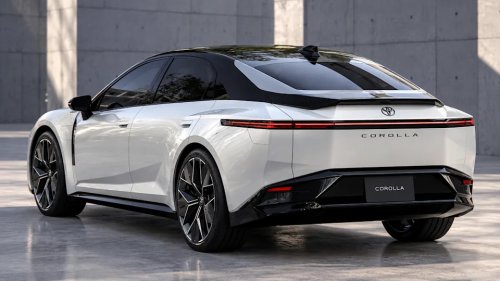
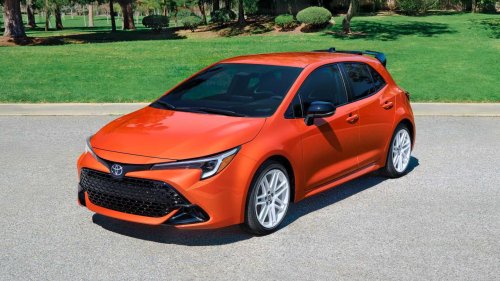
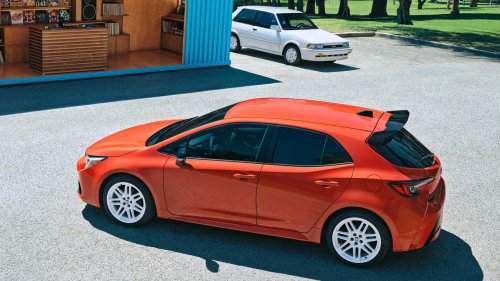
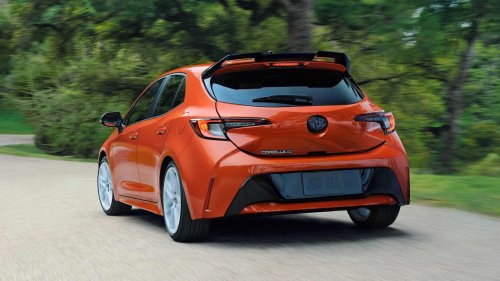
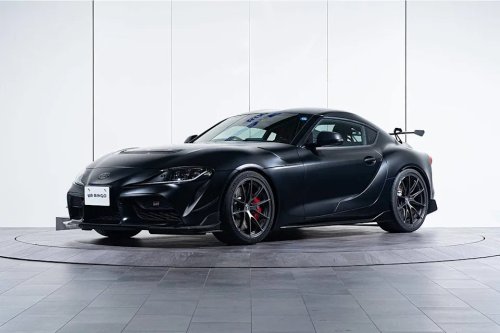
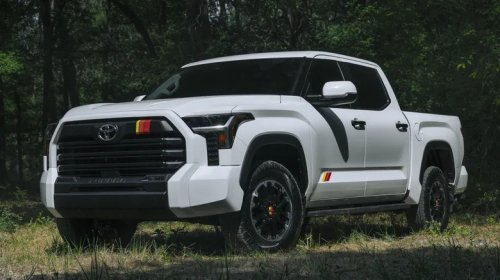
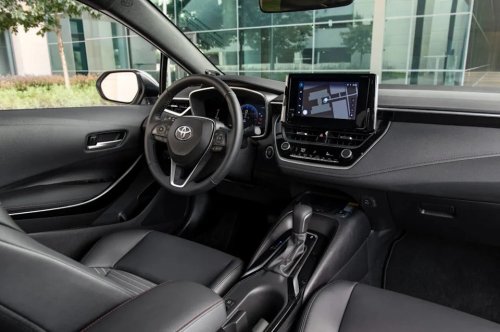
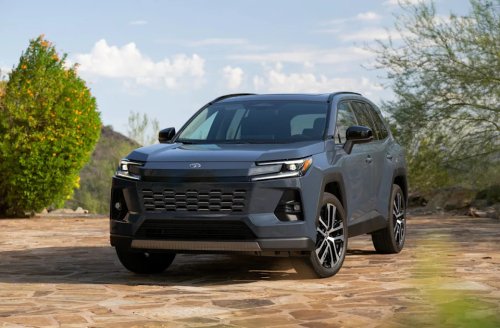
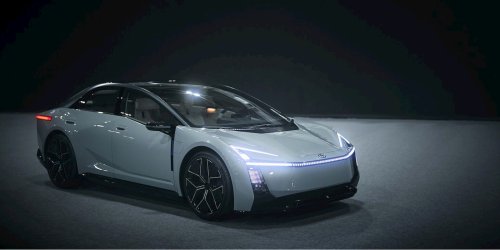
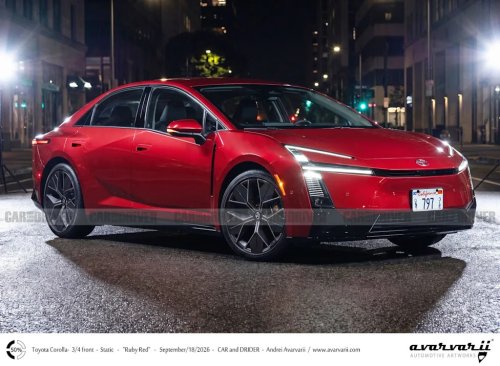
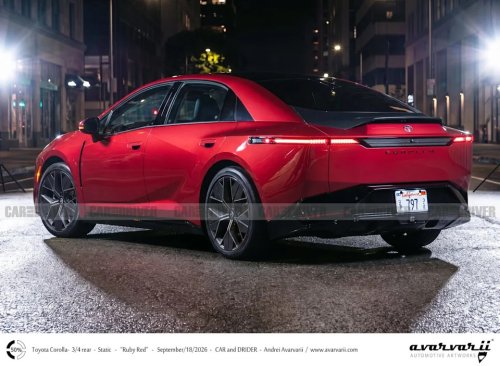
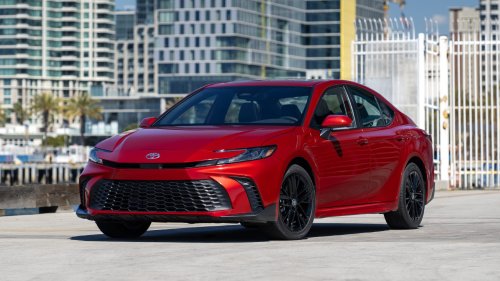
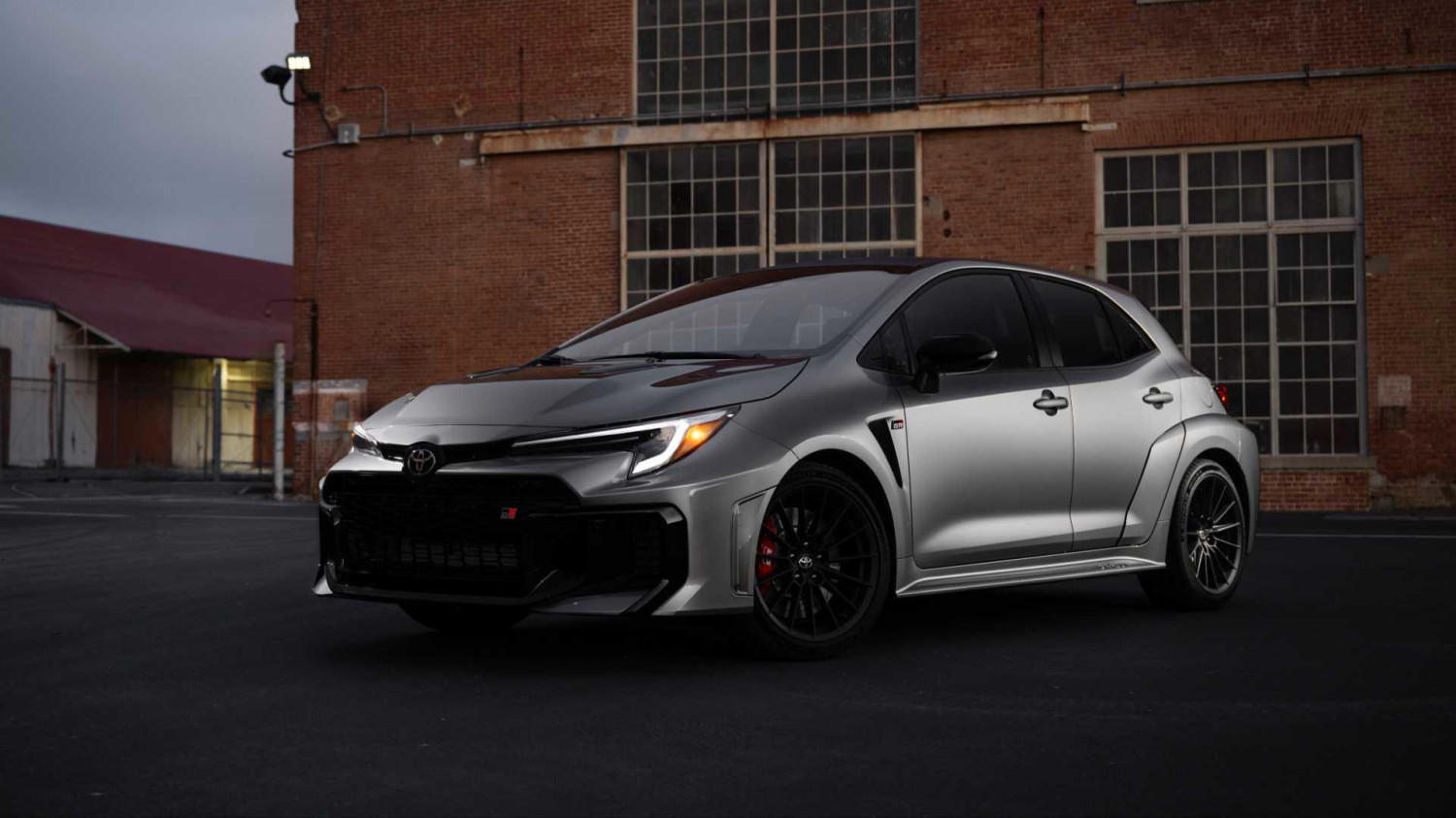
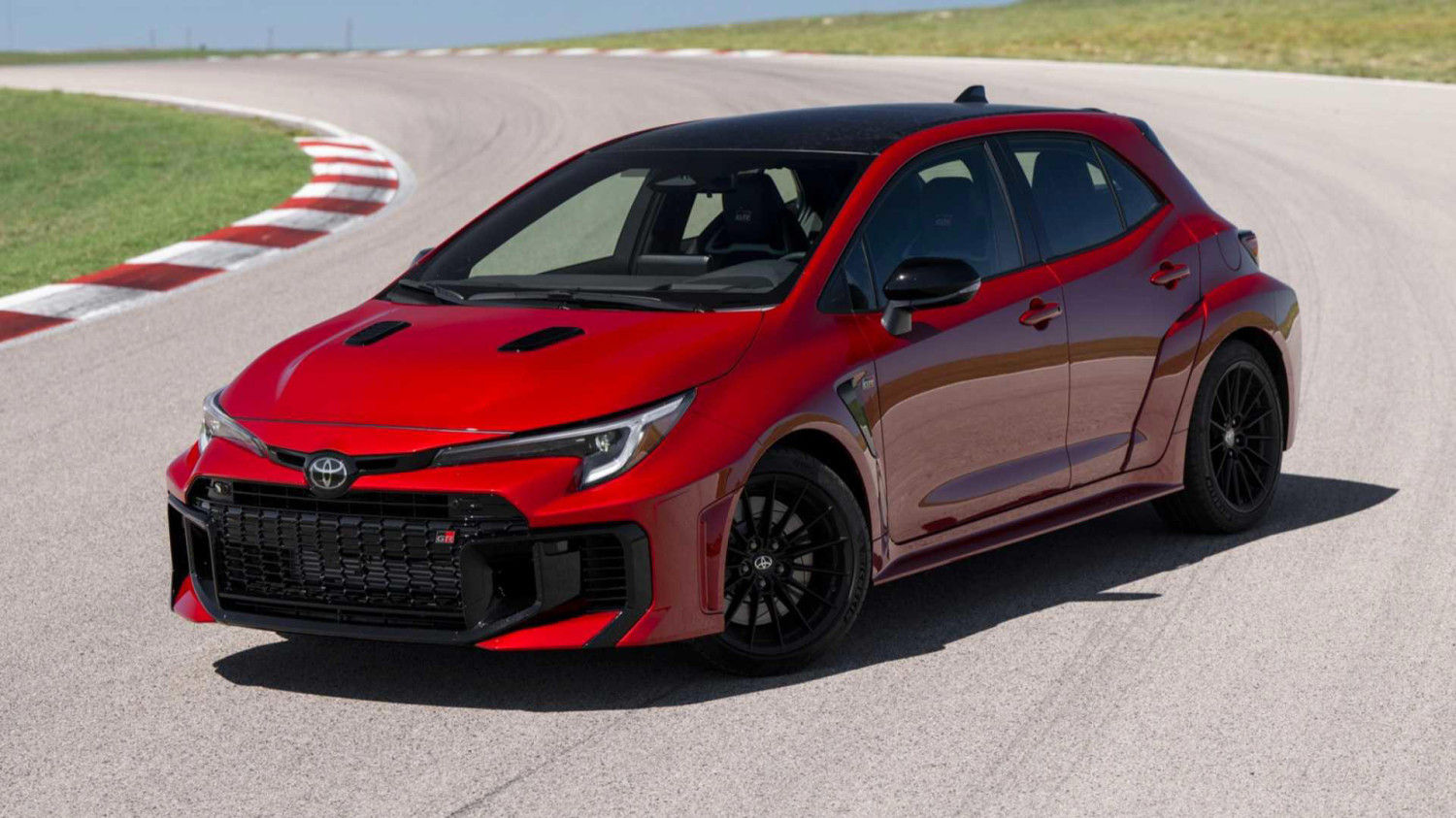
When Toyota finally brought the GR brand to the US in the form of the rally-ready Toyota GR Corolla, it was a massive hit. The company sold so many that it had to add production at another factory on another continent. Now, a new report suggests that it could have a massive impact on the cost of not just the GR Corolla, but on every single vehicle built in the UK for the US market. More GR Corollas, But At What Cost? Toyota Toyota's decision to add production of the GR Corolla at its UK plant seemed like a smart move. It already built the Corolla there, and the hot hatch is also popular in Europe. The company's US Corolla factory didn't have the space, and is instead focusing on building more hybrid models.At the time, the US and the UK had been working out America's tariff dispute with the world. The new deal would let UK factories send 100,000 vehicles per year to the US with a 10% tariff, versus a 25% tariff at the time for vehicles from Japan.The 100,000-unit cap seemed generous. The UK auto industry isn't as big as it once was, and its US exports fall under the limit, especially since Honda shifted Civic hatchback production for the US away from the UK to Indiana.Now, Automotive News reports, the UK is on the edge of hitting that cap. The eight automakers exporting cars before Toyota joined the party – Aston Martin, Bentley, Jaguar, Land Rover, Lotus, McLaren, Mini, and Rolls-Royce – sold more than 97,000 UK-built vehicles in the US last year.Toyota can build 10,000 cars for the US per year at its plant in Derbyshire, and if it does, then the UK will likely be over that limit of 100,000 per year or 25,000 in a quarter. What happens then? More tariffs. The negotiated rate jumps from 10% to 27.5%. Automakers Could End Up In A Fight, Or Strict Coordination Toyota That will be a big problem for the other brands involved. Unless all nine coordinate, they won't know when or if the limit could be approached or breached. That could mean a shipment of cars that left the country expecting the 10% tariff could land and see 27.5% applied. Because the restrictions are quarterly, it wouldn't even necessarily happen at the end of the year.All but Mini (and Toyota) are luxury brands. To some extent, they (or their customers) may be able to absorb the extra charges. But their tariff charges will still be much higher since those brands specialize in high-end vehicles with price tags well into the six figures, and not the more affordable Toyota hot hatch."It’s almost a guarantee that sooner or later, the 100,000 quota will be broken," Apratim Sakar, an international supply chain expert and senior partner at Roland Berger told AN."It’s not clear what the financial impact [to each manufacturer] will be. British car manufacturers are not running huge margins, and the US market is a big one for them," he said.It's a first-come, first-served process, so we imagine that near the end of each quarter there could be some high-stakes moves made on the UK docks. Two ships racing across the Atlantic or stevedores rushing to put one automaker's vehicles in a place to get unloaded first for a 1970s ensemble comedy-style mad dash to the customs house.



















 +43 others